
When navigating the financial landscape of the Middle East, understanding the local medium of exchange is essential for both travelers and international investors. The official currency of the State of Israel is the New Israeli Shekel (NIS), represented by the symbol ₪ and the currency code ILS. While the name carries deep historical resonance, the modern shekel is a sophisticated, fiat currency that serves as a pillar of Israel’s robust and innovation-driven economy.
The Evolution and Structure of the New Israeli Shekel
The modern shekel did not appear overnight. Its introduction was a response to the hyperinflation that crippled the Israeli economy in the early 1980s. To restore fiscal stability, the government underwent a rigorous process of monetary reform that continues to define the nation’s economic policy today.
From Historical Roots to Modern Fiat
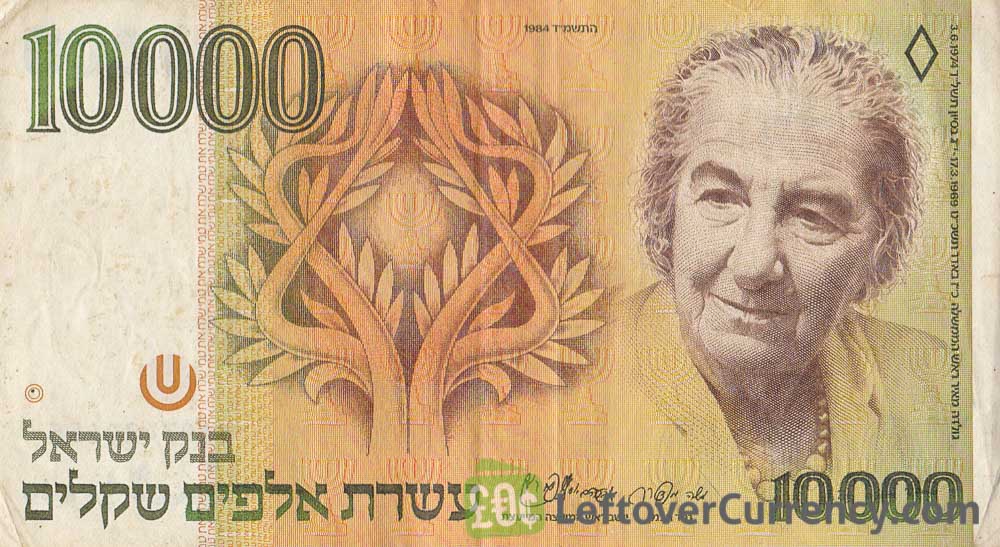
The term “shekel” is ancient, dating back to Mesopotamian and biblical times when it referred to a unit of weight for silver or gold. However, the “New” Israeli Shekel was introduced in 1985 to replace the old shekel, which had been devalued significantly due to economic instability. The transition was part of a successful stabilization plan that slashed inflation rates and pegged the currency more effectively. Since its inception, the Bank of Israel has maintained a policy of floating exchange rates, allowing the currency to fluctuate based on market demand, international trade, and the strength of the nation’s technological exports.
Denominations and Physical Composition
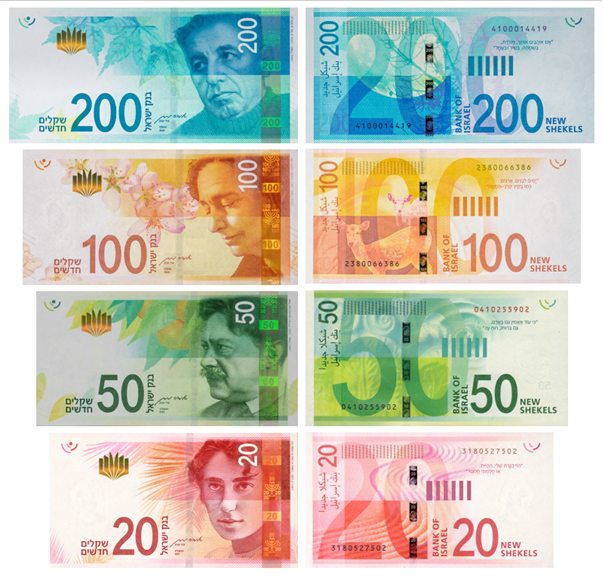
The Israeli currency is divided into 100 agorot. Currently, the circulating physical currency includes coins and banknotes. Coins are issued in denominations of 10 agorot, 1/2 shekel, 1, 2, 5, and 10 shekels. Banknotes, which have undergone several redesigns to incorporate advanced anti-counterfeiting features, are issued in denominations of 20, 50, 100, and 200 shekels. Each banknote features prominent Israeli poets and cultural figures, reflecting the nation’s emphasis on heritage alongside its forward-looking economic stance.
Israel’s Financial Standing and Currency Strength
In global financial markets, the New Israeli Shekel is classified as a “hard currency.” This status is largely driven by Israel’s consistent trade surplus and the massive influx of foreign direct investment, particularly in the technology and cybersecurity sectors.
Factors Influencing Currency Valuation
The value of the ILS against major global currencies like the US Dollar (USD), Euro (EUR), and British Pound (GBP) is influenced by several key economic indicators:
- The Technology Sector: As a global hub for software development, R&D centers, and venture capital, Israel’s currency often tracks with the health of the Nasdaq and international tech investments.
- Energy Exports: The discovery of significant offshore natural gas fields has transformed Israel into a regional energy exporter, providing a new source of foreign currency revenue that bolsters the shekel.
- Bank of Israel Policy: The central bank maintains a vigilant stance on interest rates. Its interventions in the foreign exchange market, intended to prevent excessive currency appreciation that could harm exports, are a critical component of its monetary strategy.
The Shekel as a “Safe Haven” Currency
During periods of global financial volatility, the shekel has frequently displayed resilience. Because of Israel’s significant foreign exchange reserves—which the central bank has built up over decades—the nation is well-positioned to buffer against external economic shocks. For investors, this stability makes the shekel a unique asset class in a regional context, as it often behaves differently than other emerging market currencies.
Financial Practicalities for Visitors and Business Travelers
For those traveling to Israel for business or leisure, understanding how to manage money effectively is the first step in navigating the local economy. While Israel is a digitally advanced nation with high credit card penetration, there are nuances to how financial transactions are handled.
Banking, ATMs, and Digital Payments
Israel is a highly digitized economy. Almost all points of sale—from high-end hotels in Tel Aviv to small neighborhood markets—accept international credit and debit cards (Visa and Mastercard are standard). Contactless payment (NFC) is the norm, and most locals rely on digital wallets.
- ATMs: Cash is still useful for smaller transactions in marketplaces (shuks) or remote areas. ATMs are widely available and typically dispense cash in shekels. Most machines are connected to international networks, ensuring ease of access for tourists.
- Currency Exchange: While currency exchange kiosks are available at Ben Gurion Airport and in major cities, they often charge significant commissions. For those looking to optimize their finances, using a local ATM to withdraw shekels directly from a home bank account is usually the most cost-effective method, provided the traveler’s bank does not charge excessive foreign transaction fees.
Taxation and VAT Refunds
One aspect of Israeli finance that travelers should be aware of is the Value Added Tax (VAT), which is currently 17%. However, under the “Tax-Free” shopping program, tourists are eligible for a VAT refund on many consumer goods purchased at participating retail outlets. To claim this, travelers must request a tax-free invoice at the time of purchase and present their goods and receipts at the customs booth at the airport before departure. This can lead to significant savings for visitors making larger purchases in the electronics or fashion sectors.
Investing and Business Finance in Israel
For the international investor, the New Israeli Shekel is more than just a medium of exchange; it is a gateway to one of the world’s most dynamic capital markets.
The Capital Markets
The Tel Aviv Stock Exchange (TASE) is the central venue for domestic capital formation. Investors looking to gain exposure to the Israeli economy often look at TASE-listed companies, particularly those in the fields of biotechnology, fintech, and renewable energy. The correlation between the strength of the shekel and the performance of these companies is a vital metric for portfolio managers.
Hedging Against Currency Risk
Investors dealing in ILS must be mindful of currency risk. Because the shekel is a floating currency, its value can move significantly over time. For businesses operating in Israel, hedging strategies using currency forwards or options are common tools used to mitigate the risk of adverse exchange rate movements. Multinational corporations with R&D centers in Israel often plan their budgets in USD while managing operational costs in shekels, necessitating sophisticated treasury management to protect profit margins from the volatility of the ILS-USD pair.

Future Outlook
Looking ahead, the digitization of the shekel is a subject of intense focus. The Bank of Israel has been exploring the feasibility of a Central Bank Digital Currency (CBDC), often referred to as the “digital shekel.” Such an initiative would potentially modernize the domestic payment system, lower transaction costs, and enhance the efficiency of cross-border settlements. As Israel continues to cement its reputation as a “Startup Nation,” the evolution of its currency will undoubtedly mirror the technological advancement that defines its economy. Whether it is through traditional banking or future-facing blockchain implementations, the New Israeli Shekel remains a stable, essential, and evolving cornerstone of the nation’s identity and its role in the global financial system.
aViewFromTheCave is a participant in the Amazon Services LLC Associates Program, an affiliate advertising program designed to provide a means for sites to earn advertising fees by advertising and linking to Amazon.com. Amazon, the Amazon logo, AmazonSupply, and the AmazonSupply logo are trademarks of Amazon.com, Inc. or its affiliates. As an Amazon Associate we earn affiliate commissions from qualifying purchases.