
The world of branding often draws inspiration from diverse fields, leveraging metaphors to articulate complex strategies. While “homophonic texture” is a term traditionally rooted in music theory, describing a composition where a single melody is supported by accompanying harmonies, its principles offer profound insights into creating a cohesive, impactful brand identity. In the realm of brand strategy, “homophonic texture” represents the deliberate orchestration of all brand elements around a clear, dominant message, ensuring every touchpoint reinforces and supports the core narrative. It’s about achieving a unified brand voice where the main idea sings clearly, amplified and enriched by all accompanying facets.
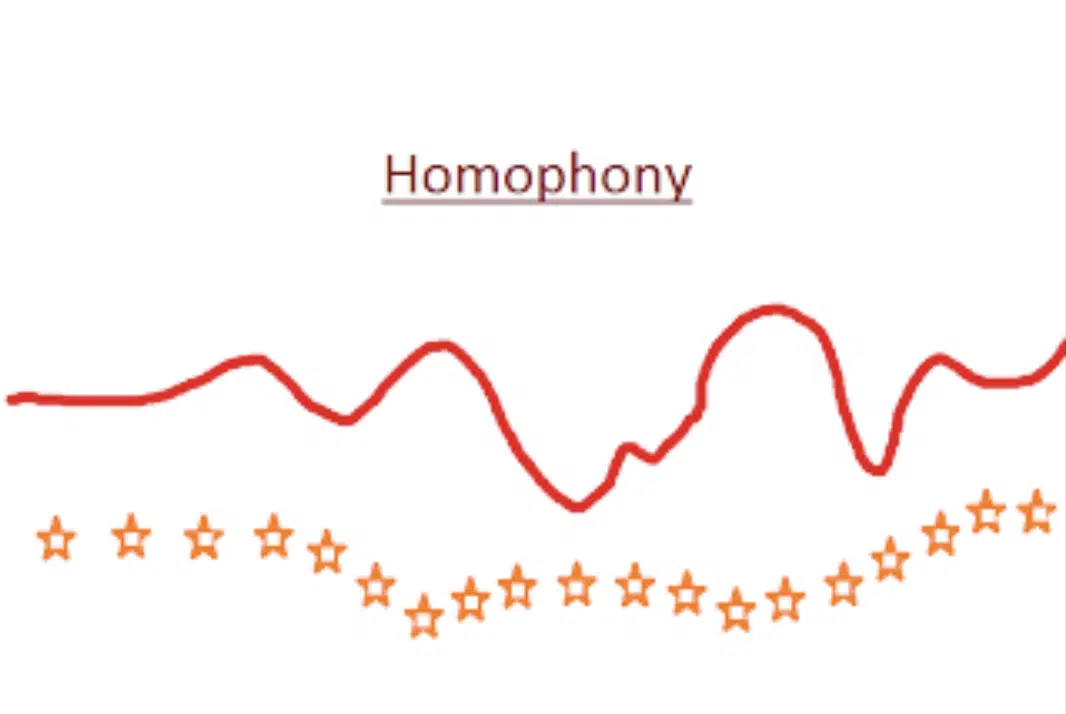
Imagine a brand as a symphony. Some brands play a complex, contrapuntal fugue, where multiple independent melodies intertwine, potentially leading to confusion. Others might offer a sparse, monophonic chant with little depth. A brand employing “homophonic texture,” however, presents a distinct, memorable central theme (the brand’s core message or value proposition) beautifully supported by a harmonious, consistent arrangement of visual design, verbal communication, customer experience, and marketing efforts. This deliberate unity creates a powerful resonance, cutting through market noise and embedding the brand deeply in the audience’s mind.
Decoding “Homophonic Texture”: A Brand’s Unified Voice
To truly grasp the power of homophonic texture in branding, we must first break down its musical analogy and translate it into actionable brand strategy. It’s about identifying the central “melody” that defines your brand and ensuring all other “harmonic” elements contribute to its clarity and impact, rather than distracting from it.
The “Melody”: Your Core Brand Message
At the heart of any homophonic brand lies its central melody – the singular, compelling message or value proposition that articulates what the brand stands for, what it offers, and why it matters. This is the memorable tune that listeners hum long after the song ends. For a brand, this melody must be simple, clear, and resonant. It’s not a slogan, though a slogan might encapsulate it; it’s the fundamental promise or identity that underpins everything the brand does and says.
This core melody needs to be carefully composed, reflecting the brand’s true essence, its mission, vision, and unique selling proposition. It’s the emotional connection, the functional benefit, or the transformative experience that the brand promises. Without a well-defined, singular melody, the brand risks sounding discordant, or worse, forgettable. This melody acts as the compass, guiding all subsequent brand decisions, ensuring every initiative remains true to the brand’s core identity.
The “Harmony”: Supporting Brand Elements
Once the core melody is established, the “harmony” comes into play. These are all the supporting elements that surround and enrich the main message, making it more impactful and memorable. In branding, harmony encompasses:
-
Visual Identity: Logos, color palettes, typography, imagery, packaging, website design – all should visually reinforce the core message. If your brand melody is “innovative and cutting-edge,” your visuals shouldn’t be archaic or conservative.
-
Verbal Identity: Tone of voice, messaging guidelines, taglines, ad copy, customer service scripts – every word spoken or written by the brand should be consistent with the core melody. If your brand is “friendly and approachable,” its language should reflect warmth and simplicity, not jargon or formality.
-
Brand Experience: Customer service interactions, product usability, in-store ambiance, online user experience – these tangible and intangible experiences must align with and support the brand’s promise. A “luxury” brand melody requires a harmonious, premium experience at every touchpoint.
The role of these harmonies is not to overshadow the melody but to provide depth, context, and reinforcement. They create an emotional and functional backdrop that makes the core message feel complete and authentic. When these elements are out of tune, the brand’s message becomes muddled, creating cognitive dissonance for the audience.
The “Rhythm”: Consistency and Cadence in Communication
Beyond melody and harmony, a successful homophonic texture requires a consistent “rhythm” and cadence in communication. This refers to the regularity, timing, and flow with which a brand communicates its message across various channels and over time. A consistent rhythm ensures that the brand’s voice is not only unified but also predictable and reliable, building trust and familiarity.
This means maintaining a consistent frequency of outreach, a steady tone of voice across campaigns, and a coherent narrative progression as the brand evolves. Just as a musical piece uses rhythm to drive momentum and maintain listener engagement, a brand uses communication rhythm to keep its audience connected and informed. Erratic communication, sudden shifts in tone, or fragmented campaigns can break this rhythm, disrupting the brand’s homophonic texture and weakening its impact. Consistency in rhythm transforms individual brand interactions into a coherent, ongoing dialogue, solidifying the brand’s identity over time.
The Strategic Advantage of Homophonic Branding
Embracing a homophonic texture in your branding strategy isn’t merely an aesthetic choice; it’s a powerful competitive advantage. When all aspects of a brand work in concert to support a central theme, the brand becomes more than the sum of its parts. It becomes a cohesive entity that resonates deeply with its audience, fostering loyalty and driving growth.
Enhanced Clarity and Memorability
In today’s oversaturated market, clarity is king. A brand with a homophonic texture presents a clear, unmistakable message that is easy for the audience to grasp and remember. When every visual, verbal, and experiential element points back to a single, central idea, it eliminates ambiguity and reinforces the core proposition. This unified approach makes the brand’s identity more potent, as audiences don’t have to piece together disparate signals.
Consider a brand like Apple. Its core melody of “simplicity and elegant innovation” is echoed harmoniously across its minimalist product design, intuitive user interfaces, clear-cut marketing language, and streamlined retail experience. This consistent harmony makes its brand promise crystal clear and incredibly memorable, enabling it to stand out in a crowded tech landscape. Consumers don’t just buy a product; they buy into a consistent brand ethos.
Building Trust and Authority
Consistency breeds familiarity, and familiarity builds trust. When a brand consistently delivers on its core message across all touchpoints, it signals reliability and authenticity. Audiences learn to predict what to expect from the brand, fostering a sense of security and confidence. This unwavering commitment to its “melody” establishes the brand as an authority in its space.
If a brand’s visuals suggest luxury, but its customer service is shoddy, the dissonance erodes trust. Conversely, a homophonic brand where the promise of quality (melody) is consistently supported by premium materials, excellent craftsmanship, and responsive support (harmony) builds immense credibility. This trust is invaluable, as it translates into customer loyalty, positive word-of-mouth, and a strong market position, allowing the brand to command premium pricing and attract a dedicated following.
Streamlining Marketing Efforts

A well-orchestrated homophonic brand strategy simplifies and enhances marketing efforts. When the core message is clear and consistently supported, marketing teams have a cohesive narrative to work with, reducing the need for constant re-invention or fragmented campaigns. Every marketing piece, from a social media post to a national advertising campaign, becomes another instrument playing in the brand’s symphony, adding to the overall impact rather than creating a separate, potentially confusing sound.
This streamlined approach leads to more efficient resource allocation, as branding guidelines are clear and universally understood. It also amplifies the impact of each marketing dollar, as every touchpoint reinforces the central message, building cumulative brand recognition and recall. Marketing becomes less about shouting disparate messages and more about conducting a consistent, resonant choir that effectively communicates the brand’s value.
Crafting Your Brand’s Homophonic Symphony
Developing a homophonic brand texture is an intentional process that requires strategic planning and meticulous execution. It’s about designing every aspect of your brand to contribute to a unified, compelling narrative.
Auditing Your Brand’s Current “Sound”
Before you can compose a new symphony, you must first understand the current sound your brand is making. Conduct a comprehensive brand audit to identify inconsistencies, dissonances, or areas where your brand’s message is unclear.
-
Review Existing Materials: Analyze your logo, website, social media presence, marketing collateral, and communication scripts. Do they all tell the same story?
-
Gather Feedback: Collect insights from customers, employees, and stakeholders. How do they perceive your brand? Is there a disconnect between your intended message and their experience?
-
Competitive Analysis: Understand how your competitors are positioned. Where do they excel in clarity and consistency, and where do they fall short?
This audit will reveal whether your brand is currently playing a harmonious tune or if it’s a cacophony of conflicting signals. It’s the diagnostic stage that informs the necessary adjustments and refinements to achieve homophonic unity.
Crafting Your Core Brand Melody
Based on your audit, the next crucial step is to define or refine your brand’s core melody. This is not just a tagline; it’s the fundamental essence and promise of your brand. Ask profound questions:
-
What is the single most important thing your brand wants to convey?
-
What problem do you solve, or what unique value do you provide?
-
What emotion or experience do you want your audience to consistently feel?
-
What is your brand’s authentic voice and personality?
This melody should be clear, concise, differentiating, and timeless. It should be aspirational yet grounded in reality. Once defined, this core melody becomes the guiding principle for all subsequent brand development, ensuring every element is aligned and supportive. It’s the anchor that keeps your brand true to itself, no matter how the market shifts.
Harmonizing Visuals, Voice, and Experience
With the core melody firmly established, the final and ongoing step is to orchestrate all supporting elements to create a harmonious blend.
-
Visual Harmony: Redesign or refine your visual identity to ensure every graphic, color, and font reinforces the core melody. Develop comprehensive brand guidelines that dictate how these elements should be used consistently across all platforms.
-
Verbal Harmony: Develop a distinct brand voice and messaging framework. Ensure all communications – from website copy to customer service scripts, press releases to social media posts – speak in this unified voice, reflecting the brand’s personality and reinforcing its core message.
-
Experiential Harmony: Critically examine every customer touchpoint. Does the unboxing experience align with the brand’s promise? Is the customer service reflective of its values? Does the product’s functionality embody its core benefits? Every interaction is an opportunity to strengthen the homophonic texture.
This requires cross-functional collaboration. Marketing, sales, product development, and customer service teams must all understand and embody the brand’s core melody and harmonies to deliver a truly unified brand experience.
Beyond the Notes: Sustaining Brand Harmony
Achieving a homophonic brand texture isn’t a one-time project; it’s an ongoing commitment. The market evolves, consumer preferences shift, and brands grow. Sustaining this harmony requires vigilance, adaptability, and a deep understanding of your brand’s foundational principles.
The Risk of Monotony vs. Clarity
While consistency is key, a truly homophonic brand avoids becoming monotonous. The harmony should support the melody without stifling its vitality or creativity. There’s a fine line between consistent clarity and repetitive dullness. The “texture” should allow for variations and innovations within the established framework, much like a composer introduces variations on a theme.
Brands must find ways to express their core melody and harmonies in fresh, engaging ways without deviating from their essence. This might involve updating visual styles to keep pace with modern aesthetics, exploring new communication channels, or introducing product variations, all while ensuring the underlying brand promise remains consistent. The goal is to evolve without losing the core identity, keeping the brand vibrant and relevant.
Adapting to Different Channels and Audiences
A homophonic brand understands that while its core message remains constant, the way it’s expressed might need slight adjustments across different channels and for diverse audience segments. A brand’s tone on LinkedIn might be more formal than its tone on TikTok, but both should still unmistakably convey the same brand personality and values.
This adaptability is like a skilled orchestra conductor who adjusts dynamics and instrumentation for different venues or acoustics while maintaining the integrity of the composition. The fundamental melody and harmony are preserved, but their presentation is optimized for the context. This nuanced approach ensures the brand resonates effectively with everyone, everywhere, without compromising its unified identity.

Maintaining Authenticity in Harmony
Ultimately, the most powerful homophonic brands are those that are authentic. The unified melody and harmonies must stem from a genuine understanding of the brand’s purpose and values, not from a superficial attempt to appear consistent. Authenticity builds deeper connections and fosters true loyalty.
Brands must continuously evaluate whether their actions align with their stated melody. Are the promises made by marketing being fulfilled by the product and customer experience? Is the brand’s internal culture reflective of its external image? When there is true alignment, the brand’s “song” is not just harmonious, but heartfelt, resonating with a sincerity that no amount of clever branding can artificially create.
In conclusion, “homophonic texture” offers a compelling framework for modern brand strategy. By identifying a clear core message (the melody) and meticulously aligning all visual, verbal, and experiential elements (the harmony) around it with consistent execution (the rhythm), brands can achieve a powerful, unified voice. This strategic orchestration leads to enhanced clarity, builds deep trust, and optimizes marketing efforts, creating a brand symphony that is not only heard but deeply felt and remembered. The goal is to move beyond simply having a brand to truly being a brand that sings in perfect unison.
aViewFromTheCave is a participant in the Amazon Services LLC Associates Program, an affiliate advertising program designed to provide a means for sites to earn advertising fees by advertising and linking to Amazon.com. Amazon, the Amazon logo, AmazonSupply, and the AmazonSupply logo are trademarks of Amazon.com, Inc. or its affiliates. As an Amazon Associate we earn affiliate commissions from qualifying purchases.