
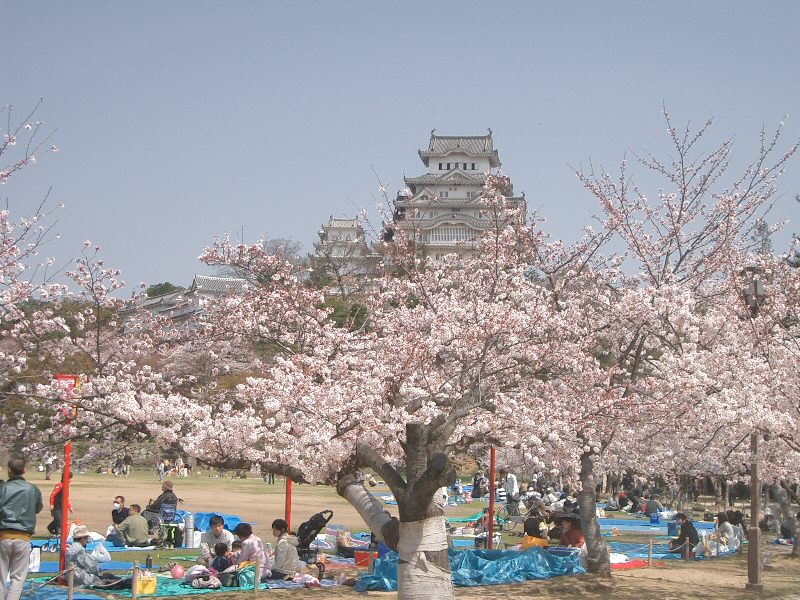
Hanami, literally translating to “flower viewing,” is the cherished Japanese custom of enjoying the transient beauty of flowers, particularly cherry blossoms (sakura). More than just an appreciation of nature, Hanami is a profound cultural ritual, deeply embedded in the Japanese psyche, symbolizing renewal, beauty, and the impermanence of life. It’s a time when friends, families, and colleagues gather under blooming cherry trees in parks, along riversides, and in temple grounds, to picnic, socialize, and reflect. The sight of delicate pink and white petals dancing in the spring breeze, often falling like snow, evokes a powerful sense of melancholy beauty, known as mono no aware.
For brands, understanding Hanami is not about simply incorporating cherry blossom imagery into a logo; it’s about dissecting the deeper elements that make this tradition so enduringly popular and emotionally resonant. It offers a masterclass in creating an experience, fostering community, communicating value, and leveraging emotional intelligence – all critical components of effective brand strategy. By exploring Hanami’s essence, brands can unearth principles that transcend product or service, connecting with their audience on a more profound, human level.
The Cultural Core of Hanami: A Blueprint for Brand Resonance
At its heart, Hanami’s power lies in its ability to tap into universal human emotions and experiences. This resonance is what brands strive for when attempting to forge meaningful connections with their target audience.
The Allure of Ephemeral Beauty and Timelessness
Cherry blossoms bloom for only a week or two each spring, making their appearance fleeting and precious. This transient nature is central to Hanami’s appeal, highlighting the beauty in impermanence. For brands, this translates into understanding the value of scarcity, seasonal offerings, and the creation of “moment marketing” that capitalizes on a specific cultural or temporal window. It teaches that not everything needs to be everlasting to be impactful; sometimes, a limited-time experience or product can generate immense desire and engagement. Moreover, the memory and anticipation of Hanami are powerful – a lesson in building enduring brand stories that live beyond a single campaign. A brand that understands this can create experiences that are cherished, even if they are not permanent, thereby building a timeless legacy through transient moments.
Community, Tradition, and Shared Experience
Hanami is inherently a communal event. It’s about sharing food, drinks, laughter, and contemplation with others. This collective experience reinforces social bonds and creates shared memories, transforming a natural phenomenon into a rich social ritual. Brands can learn from this by focusing on building communities around their products or values, rather than just selling items. Strategies like fostering user-generated content, organizing experiential events, or creating platforms for customer interaction can mimic the communal spirit of Hanami. A brand’s “tradition” might be its consistent quality, its ethical sourcing, or its commitment to a particular cause. By inviting customers to participate in these traditions and share in the brand’s journey, companies can cultivate a loyal and engaged community that feels a sense of belonging, much like participants in a Hanami gathering.
Strategic Brand Applications Inspired by Hanami
The profound principles embedded in Hanami are not merely theoretical; they offer tangible strategic applications for businesses aiming to build stronger, more authentic brands.
Crafting Brand Narratives with Transience and Anticipation
Just as Hanami evokes a bittersweet sense of beauty due to its short duration, brands can craft narratives that leverage themes of preciousness, scarcity, and anticipation. This doesn’t mean always selling limited editions, but rather understanding how to create moments of heightened value. For instance, a tech brand might launch a new product with a carefully orchestrated pre-release buzz, building anticipation like the slow unfurling of cherry buds. A luxury brand might emphasize the unique, handcrafted nature of its products, highlighting their limited availability and the ephemeral skill of their artisans. The narrative should focus on the experience of acquiring or engaging with the brand, making it feel like a cherished, perhaps fleeting, opportunity rather than just a transaction. This can elevate a product from a commodity to an object of desire, much like the coveted few weeks of cherry blossom viewing.

Experiential Marketing: Creating Moments, Not Just Products
Hanami is the ultimate experiential event. It engages multiple senses – the visual spectacle, the scent of spring, the taste of picnic food, the sounds of laughter. Brands seeking to stand out in a crowded market can move beyond traditional advertising to create immersive experiences that resonate deeply with consumers. Think about pop-up installations that mirror the beauty of a cherry blossom garden, interactive digital campaigns that simulate the Hanami experience, or product launches held in unique, sensory-rich environments. The goal is to create memorable “Hanami moments” for customers, transforming consumption into an event. For example, a beverage company might host a series of “spring picnic” events, providing a branded experience that aligns with the joy and communal spirit of Hanami, thereby linking positive emotions directly to their brand.
Design and Visual Identity: Harnessing Hanami’s Aesthetic
The visual language of Hanami – soft pastels, delicate forms, natural light, and the iconic cherry blossom motif – provides a rich source of inspiration for brand design, transcending mere decoration.
Aesthetic Principles from Nature and Simplicity
The beauty of Hanami lies in its organic simplicity and natural elegance. For brand design, this translates into a focus on clean lines, natural textures, and a less-is-more approach that allows the core message or product to shine. Designers can draw inspiration from the effortless grace of cherry blossoms, opting for visuals that are refined, uncluttered, and convey a sense of calm and beauty. This could influence everything from website layouts and packaging to typography and brand photography. The lesson here is that authentic beauty often lies in understatement and the celebration of natural forms, fostering a sense of trust and sophistication that resonates with discerning audiences.
Color Palettes and Symbolism for Emotional Connection
The delicate pinks, whites, and occasional vibrant greens associated with Hanami are not just pretty colors; they evoke specific emotions and cultural associations. Pink signifies gentleness, romance, and new beginnings; white, purity and grace; green, growth and vitality. Brands can strategically employ these colors, or their symbolic equivalents, to communicate specific aspects of their identity and values. For a wellness brand, a palette inspired by blooming sakura could convey tranquility and natural purity. For a fashion brand, these hues might evoke seasonal freshness and delicate elegance. Beyond direct color usage, the feeling these colors evoke – serenity, joy, reflection – can guide the overall mood and emotional tone of a brand’s visual communications, creating an unspoken connection with the audience.
Marketing and Engagement: Cultivating Connection through Cultural Touchpoints
Hanami’s success as a tradition relies on consistent engagement, seasonal relevance, and its ability to act as a powerful cultural touchpoint. Brands can mirror these tactics to build enduring relationships with their audience.
Seasonal Campaigns and Culturally Relevant Messaging
Hanami is intrinsically seasonal, a springtime phenomenon. Brands can adopt a similar approach by developing marketing campaigns that align with cultural seasons, holidays, or specific times of the year, providing a natural rhythm to their communication. This isn’t about arbitrary seasonal sales, but about weaving the brand into the fabric of the audience’s lives through culturally relevant messaging. For example, a food brand could launch “spring renewal” recipes, aligning with the spirit of fresh beginnings. A travel brand might offer “escape to nature” packages during peak blossom season in various locations. By understanding and participating in these cultural rhythms, brands can ensure their messaging feels timely, relevant, and deeply integrated into the customer’s world, much like the eagerly anticipated arrival of cherry blossoms each year.

Building Community Around Shared Values and Celebrations
The gathering aspect of Hanami underscores the human need for connection and shared celebration. Brands that articulate clear values and invite their audience to participate in initiatives aligned with these values can foster a strong, loyal community. This could involve corporate social responsibility campaigns, customer advocacy programs, or even simply celebrating milestones with customers. Just as people gather under the cherry trees to appreciate beauty and life, a brand can become a focal point for customers who share similar aspirations, passions, or a desire for quality. By creating opportunities for customers to connect with each other and with the brand over shared principles, companies can move beyond mere transactions to build a vibrant, supportive ecosystem, transforming customers into advocates and partners in a shared journey.
In conclusion, “What is Hanami?” reveals more than just a Japanese custom; it’s a profound cultural narrative offering a wealth of insights for modern branding. From the strategic use of transience and anticipation to the power of communal experience, and from aesthetic inspiration to culturally relevant engagement, Hanami provides a timeless framework for building brands that resonate deeply, foster loyalty, and create lasting impact in the hearts and minds of consumers. By internalizing these lessons, businesses can cultivate not just customers, but a devoted community enchanted by their unique “blossom” of identity.
aViewFromTheCave is a participant in the Amazon Services LLC Associates Program, an affiliate advertising program designed to provide a means for sites to earn advertising fees by advertising and linking to Amazon.com. Amazon, the Amazon logo, AmazonSupply, and the AmazonSupply logo are trademarks of Amazon.com, Inc. or its affiliates. As an Amazon Associate we earn affiliate commissions from qualifying purchases.