
The intricate blueprint of life, encoded within our DNA, is a marvel of biological engineering. At its core, this blueprint is organized into discrete units of information, each residing at a specific address along the vast expanse of our chromosomes. This fundamental address—a particular fixed position on a chromosome where a specific gene or other genetic marker is located—is known as a genetic locus (plural: loci). While seemingly a basic biological concept, understanding genetic loci is not just foundational to genetics; it is an absolute cornerstone for the entire edifice of modern biotechnology, bioinformatics, and the burgeoning field of AI-driven genomics.

In an era defined by data and digital transformation, genetic loci transcend their purely biological definition to become vital “data points” in the grand computational challenges of life science. From developing precision medicines and advanced diagnostic tools to pioneering gene-editing technologies and harnessing AI for predictive analytics, the precise identification and interpretation of genetic loci are at the heart of nearly every technological leap in healthcare and biological research. This article delves into the definition and significance of genetic loci, exploring how this fundamental concept powers innovation across the tech landscape, from advanced software algorithms to sophisticated genetic engineering tools.
The Digital Blueprint: Understanding Genetic Loci in the Age of Genomics
The human genome, a vast library of approximately 3 billion base pairs, is meticulously organized. Just as a librarian assigns a unique shelf number to each book, nature has assigned a specific physical location for every gene and regulatory sequence. These locations are the genetic loci, and their accurate mapping is paramount for understanding function, dysfunction, and intervention.
From Genes to Loci: The Hierarchical Structure of the Genome
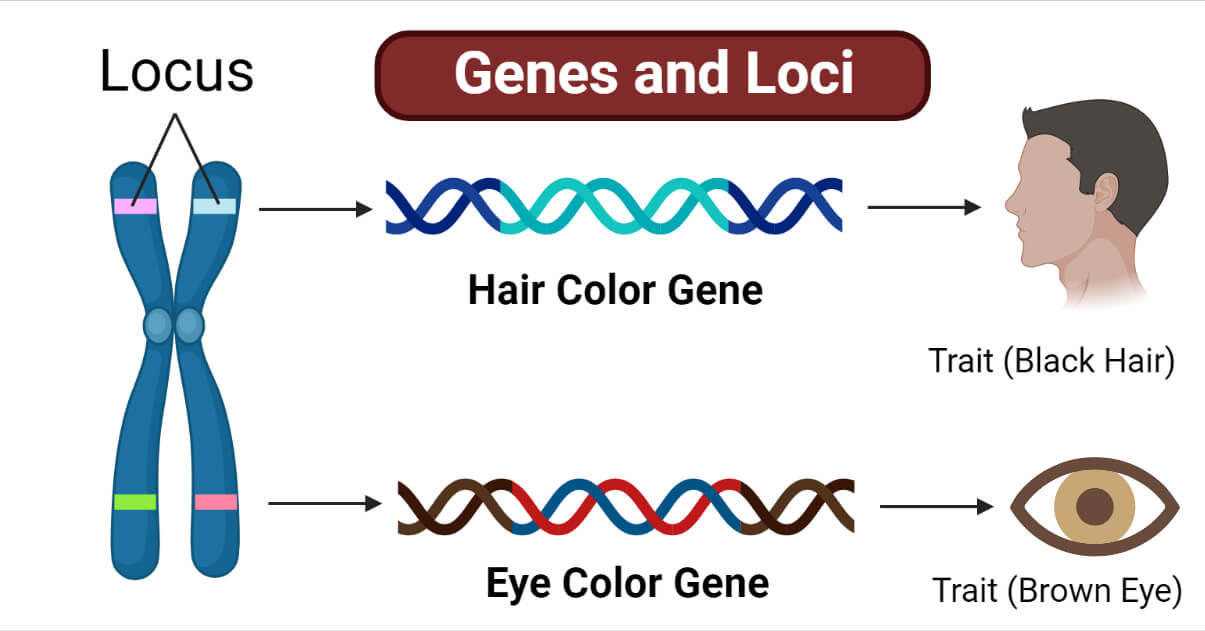
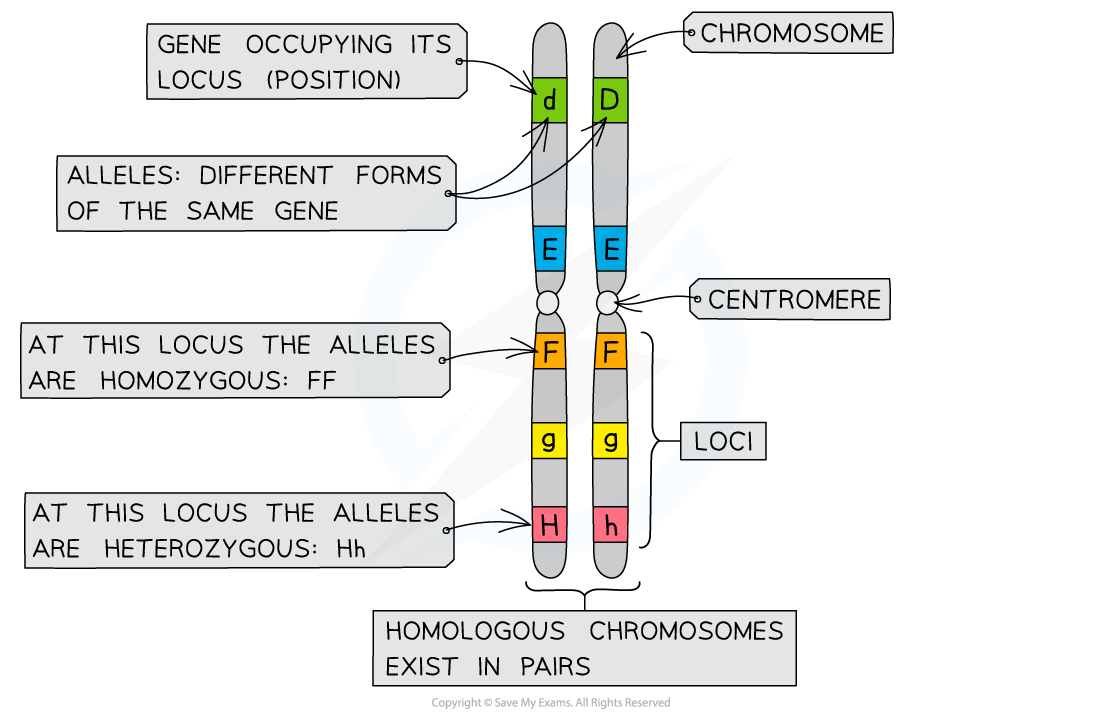
At its most basic, a genetic locus is simply a physical site on a chromosome. While often used interchangeably with “gene,” a locus is a broader term. A gene is a segment of DNA that codes for a specific protein or functional RNA molecule; therefore, every gene occupies a specific locus. However, not all loci contain genes. Some loci might harbor regulatory sequences, non-coding DNA, or repetitive elements. Each chromosome is essentially a long string of DNA, and along this string, specific markers—whether they are genes, single nucleotide polymorphisms (SNPs), or microsatellites—can be mapped to a particular locus.
Think of it as a street address. “Main Street” is the chromosome, and “123 Main Street” is a specific locus. If a bakery is located at 123 Main Street, then the bakery is the gene. But a vacant lot or a park might also be at a specific address (locus) without being a gene. The human genome project, itself a monumental feat of data acquisition and computational genomics, was largely an effort to map these millions of loci, generating the initial “reference genome” that serves as a digital map for all subsequent genomic analysis.
The Significance of Precise Locus Identification
In the digital realm, accuracy is everything. For geneticists and biotechnologists, precisely identifying the location of a specific genetic sequence or marker is critical for numerous applications. If a particular genetic variation (an allele) at a certain locus is known to be associated with an increased risk for a disease, knowing its exact position allows for targeted diagnostic tests. For instance, in pharmacogenomics, identifying specific loci that influence an individual’s response to certain drugs enables the development of personalized medication strategies, reducing adverse effects and improving efficacy.
Moreover, the comparative analysis of loci across different individuals or species forms the basis of evolutionary genomics and population genetics, fields heavily reliant on sophisticated statistical software and computational models. Any error in locus identification can lead to misinterpretations of genetic data, flawed diagnostic tools, and ineffective therapeutic strategies. Therefore, the technological infrastructure for high-throughput sequencing and advanced bioinformatics algorithms is constantly being refined to ensure the highest possible precision in pinpointing these crucial genetic addresses.
Genetic Loci as Data Points: Fueling AI and Bioinformatics
The journey from a biological sample to actionable genetic insight is a complex one, increasingly mediated by technology. Genetic loci, when sequenced and cataloged, transform from abstract biological concepts into concrete data points, ready for computational analysis. This data-centric view is what has propelled the fields of bioinformatics and AI-driven genomics to the forefront of scientific discovery.
Big Data in Genomics: How Loci Become Actionable Information
Modern DNA sequencing technologies—often referred to as Next-Generation Sequencing (NGS)—can read billions of base pairs in a single run, generating truly ‘big data’. Each sequenced fragment must then be computationally aligned to a reference genome, assigning its constituent bases to specific genetic loci. This process generates massive datasets where each locus is represented by its specific sequence and any variations present in the individual being sequenced. A single human genome can produce terabytes of raw data, encompassing millions of loci and their associated alleles.
Managing, storing, and processing this astronomical volume of data requires highly specialized computational infrastructure, including cloud computing solutions and high-performance computing clusters. Bioinformatics pipelines—complex sequences of software tools—are developed to handle everything from initial raw data quality control to variant calling (identifying differences at specific loci compared to a reference) and functional annotation. Without these technological advancements, the sheer scale of genomic data would be insurmountable.
AI-Driven Insights: Predictive Analytics and Locus-Specific Discoveries
The sheer volume and complexity of genomic data make it an ideal playground for Artificial Intelligence and Machine Learning algorithms. AI tools can sift through millions of genetic loci across thousands or even millions of individuals to identify subtle patterns that human analysis might miss. For example, machine learning models can be trained on datasets of individuals with specific diseases, looking for recurring patterns of variations at certain loci that are indicative of disease susceptibility or progression.
AI is particularly adept at identifying complex polygenic risk scores, where the interplay of numerous loci, each with a small effect, collectively contributes to a phenotype. This goes beyond simple Mendelian genetics, enabling a deeper understanding of complex traits like diabetes, heart disease, or neurodegenerative disorders. Natural Language Processing (NLP) techniques are also being employed to extract information about genetic loci from vast biomedical literature, connecting research findings automatically and accelerating discovery. Predictive analytics, powered by AI, can forecast an individual’s response to therapies based on their unique genetic makeup, moving us closer to truly personalized medicine.
Bioinformatics Tools: Visualizing and Interpreting Loci
Bioinformatics is the bridge between raw genomic data and biological insight. A myriad of software tools and databases have been developed to help researchers analyze, visualize, and interpret data related to genetic loci. Genome browsers, such as UCSC Genome Browser and Ensembl, provide interactive graphical interfaces to view entire chromosomes, zoom into specific loci, and overlay various types of genomic data (e.g., gene annotations, regulatory elements, disease associations).
Specialized software packages for population genetics, phylogenetics, and functional genomics allow researchers to perform complex statistical analyses on locus-specific data, identifying signatures of selection, demographic history, or gene expression regulation. Command-line tools like SAMtools, BEDtools, and GATK are industry standards for processing sequence alignment files and calling genetic variants at specific loci. These digital tools are indispensable, enabling researchers to transform raw sequence reads into meaningful biological conclusions about the function and implications of different genetic loci.
Technological Applications: Leveraging Loci for Innovation
The fundamental understanding of genetic loci, coupled with advanced technological capabilities, has paved the way for revolutionary applications across medicine, agriculture, and forensics. The ability to precisely identify, analyze, and even modify specific loci is at the heart of these innovations.
Precision Medicine and Personalized Therapeutics
Precision medicine is perhaps the most celebrated application of locus-based technology. By sequencing an individual’s genome and identifying specific disease-associated loci or pharmacogenetic markers, clinicians can tailor medical treatments to their unique genetic profile. For example, in oncology, identifying specific mutations (variations at particular loci) in a patient’s tumor can guide the selection of targeted therapies that are designed to inhibit the products of those mutated genes. Similarly, knowing an individual’s genetic predisposition to metabolize certain drugs quickly or slowly allows physicians to adjust dosages, optimizing efficacy and minimizing side effects. This personalized approach fundamentally relies on robust genomic sequencing technologies and the sophisticated bioinformatics pipelines that interpret the vast amount of locus-specific data.
Genetic Engineering and Gene Editing Technologies
Perhaps the most impactful technological application is in the realm of genetic engineering, particularly with the advent of CRISPR-Cas9 and other gene-editing tools. These molecular technologies function by precisely targeting and modifying DNA at specific genetic loci. CRISPR, for instance, uses a guide RNA molecule that is complementary to a target DNA sequence, effectively acting as a GPS system to direct a Cas protein (the molecular “scissors”) to a chosen locus. This allows scientists to make incredibly precise edits—inserting new genes, deleting harmful mutations, or altering gene expression—at specific genomic addresses. The power of this technology lies in its locus-specificity, enabling unprecedented control over the genetic blueprint and holding immense promise for curing genetic diseases, developing new therapies, and enhancing agricultural traits.
Advanced Diagnostics and Screening
Modern diagnostics heavily leverage locus-specific technologies. Preimplantation genetic diagnosis (PGD) and prenatal screening can analyze specific loci in embryos or fetuses to detect severe genetic disorders before birth. Newborn screening programs test for a panel of genetic conditions by examining specific loci, allowing for early intervention. Carrier screening helps prospective parents determine their risk of passing on recessive genetic disorders. Furthermore, advanced diagnostic platforms use microarrays or high-throughput sequencing to quickly identify specific pathogen DNA or RNA sequences (their “loci”) in clinical samples, revolutionizing infectious disease diagnosis. Forensic science also relies on these principles, using highly polymorphic loci (like short tandem repeats, STRs) to create unique genetic profiles for individual identification in criminal investigations.
Challenges and Future Trends in Loci-Based Technologies
While the technological landscape surrounding genetic loci is incredibly promising, it is not without its challenges. As our capabilities expand, so do the complexities, necessitating continuous innovation in both technology and policy.
Data Privacy and Ethical Considerations in Genomic Data
The vast amounts of highly personal genetic data generated through locus analysis raise significant privacy and ethical concerns. Who owns this data? How should it be stored and secured? What are the implications for discrimination in insurance or employment? Developing robust digital security frameworks, anonymization techniques, and clear regulatory guidelines for the collection, storage, sharing, and use of genomic data is a critical technological and societal challenge. Blockchain technology is even being explored as a potential solution for secure, decentralized management of genomic data, ensuring individual control over their genetic information.
The Promise of Multi-Omics Integration
The next frontier in genomic technology involves integrating genetic locus data with other “omics” datasets, such as transcriptomics (RNA expression), proteomics (protein profiles), and metabolomics (metabolite levels). This “multi-omics” approach, facilitated by advanced computational biology and systems biology tools, aims to provide a more holistic and dynamic understanding of biological systems. By seeing how variations at specific genetic loci translate into changes in RNA, proteins, and metabolites, researchers can gain deeper insights into disease mechanisms and develop more comprehensive therapeutic strategies. This requires sophisticated data fusion algorithms and integrated bioinformatics platforms capable of handling and analyzing disparate data types.
Emerging Technologies: Quantum Computing and Advanced AI for Genomic Analysis
Looking ahead, emerging technologies promise to further revolutionize our understanding and manipulation of genetic loci. Quantum computing, still in its nascent stages, has the potential to tackle computational problems in genomics that are currently intractable, such as rapidly comparing complex genomic rearrangements or simulating molecular interactions with unprecedented accuracy. Advanced AI, including deep learning models, will continue to improve predictive capabilities, uncover hidden patterns in non-coding regions, and potentially even design novel genetic sequences for therapeutic purposes. The convergence of these cutting-edge technologies with our growing understanding of genetic loci will undoubtedly unlock new possibilities for unraveling the mysteries of life and transforming human health.
In conclusion, a genetic locus is far more than just a biological address; it is a fundamental unit of information that fuels the engine of modern technology in biology and medicine. From the high-throughput sequencing machines that generate gigabytes of locus-specific data to the AI algorithms that interpret these patterns, and the gene-editing tools that precisely modify them, technology is inextricably linked to our understanding and application of genetic loci. As we push the boundaries of computational power, data science, and molecular engineering, the impact of precisely identifying and leveraging these tiny genomic addresses will only continue to grow, promising a future of increasingly personalized, predictive, and preventative healthcare.
aViewFromTheCave is a participant in the Amazon Services LLC Associates Program, an affiliate advertising program designed to provide a means for sites to earn advertising fees by advertising and linking to Amazon.com. Amazon, the Amazon logo, AmazonSupply, and the AmazonSupply logo are trademarks of Amazon.com, Inc. or its affiliates. As an Amazon Associate we earn affiliate commissions from qualifying purchases.