
In the intricate world of real estate investment and finance, understanding the nuances of various financial metrics is paramount to success. Among these, “debt service” stands out as a critical concept, influencing everything from property acquisition and cash flow management to investor returns and risk assessment. Far more than just a line item on a financial statement, debt service is the lifeblood that keeps a leveraged real estate asset afloat, representing the ongoing commitment to repay borrowed capital. For anyone involved in buying, selling, developing, or managing real estate, a thorough grasp of debt service is not just beneficial—it’s indispensable.
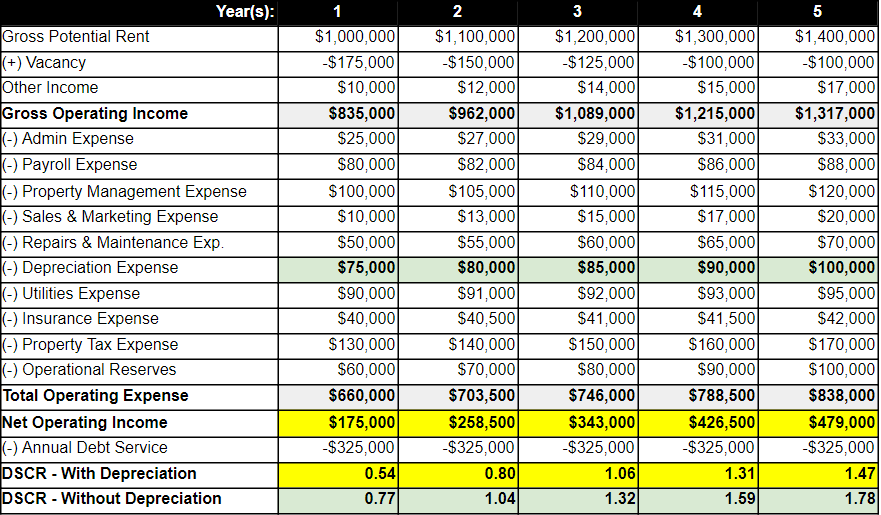
This article will delve deep into what debt service entails in the context of real estate, its components, how it’s calculated, its profound impact on investment decisions, and strategic approaches to manage it effectively. By the end, readers will have a comprehensive understanding of this fundamental financial concept, enabling them to make more informed and robust real estate investment choices.
Understanding the Fundamentals of Debt Service
At its core, debt service refers to the cash required to cover the repayment of interest and principal on a debt. In real estate, this debt almost invariably takes the form of a mortgage loan or other financing secured by the property. It represents the regular, typically monthly or quarterly, payment that a property owner must make to their lender.
Defining Debt Service
Debt service is the periodic payment made by a borrower to a lender to cover the principal and interest portions of a loan. In real estate, this loan is usually a mortgage used to finance the purchase or development of a property. It’s a recurring expense that directly impacts the property’s cash flow and, consequently, its profitability. Without adequate cash flow to meet debt service obligations, a property can quickly become a liability, leading to financial distress and potential foreclosure.
Components of Debt Service: Principal & Interest
To fully appreciate debt service, it’s essential to break down its two primary components:
-
Principal: This is the portion of the debt service payment that reduces the outstanding loan balance. As principal payments are made, the amount owed to the lender decreases. Over the life of an amortizing loan, the principal portion of each payment typically increases, especially after the initial years, while the interest portion decreases.
-
Interest: This is the cost of borrowing money, calculated as a percentage of the outstanding principal balance. In the early stages of a long-term real estate loan, the majority of the debt service payment often goes towards interest, gradually shifting towards principal as the loan matures. The interest rate (fixed or variable) significantly influences the total debt service.
Beyond principal and interest, some loans may include other charges within the “debt service” umbrella, such as escrow payments for property taxes and insurance, especially in residential mortgages. However, in commercial real estate, these are often handled separately, making principal and interest the core focus for debt service analysis.
Why Debt Service Matters in Real Estate
Debt service is not merely an accounting entry; it is a critical determinant of a real estate investment’s viability and success.
-
Cash Flow: It directly impacts a property’s net operating income (NOI) and, more importantly, its net cash flow after debt service (Cash-on-Cash Return). A property might generate substantial gross income, but if debt service is too high relative to that income, the actual cash flow to the investor can be meager or even negative.
-
Risk Assessment: Lenders and investors use debt service to assess the risk profile of a property. A property with high, volatile debt service relative to its income is considered riskier.
-
Investment Decisions: For investors, understanding future debt service obligations is crucial for budgeting, forecasting returns, and making informed decisions on whether to acquire a property, how much leverage to use, and when to refinance or sell.
Calculating and Analyzing Debt Service
Effective real estate financial management hinges on the ability to accurately calculate and critically analyze debt service. This involves understanding the formulas and key ratios that lenders and savvy investors utilize.
The Debt Service Formula
While the specific calculation depends on the loan type (e.g., amortizing, interest-only), the basic principle for an amortizing loan involves determining the periodic payment required to pay off the principal and interest over the loan term. Most mortgage payments are calculated using an amortization formula, which factors in the loan amount, interest rate, and loan term.
A common formula for a fixed-rate, amortizing loan payment (P) is:
$P = L [ i(1 + i)^n ] / [ (1 + i)^n – 1]$
Where:
-
$L$ = Loan Amount (Principal)
-
$i$ = Periodic Interest Rate (Annual rate / number of payments per year)
-
$n$ = Total Number of Payments (Loan term in years * number of payments per year)
While complex, financial calculators, spreadsheet software, and online tools readily compute these payments, providing the exact monthly or quarterly debt service figure.
Common Metrics: Debt Service Coverage Ratio (DSCR)
One of the most vital metrics for analyzing debt service in real estate, particularly in commercial properties, is the Debt Service Coverage Ratio (DSCR). This ratio measures a property’s ability to cover its debt service payments from its net operating income (NOI).
$DSCR = Net Operating Income (NOI) / Annual Debt Service$
-
Net Operating Income (NOI): This is the property’s income after all operating expenses (property taxes, insurance, management fees, utilities, maintenance, etc.) but before debt service and income taxes.
-
Annual Debt Service: This is the total principal and interest payments due over a 12-month period.
Interpreting DSCR for Investment Decisions
The DSCR is a critical indicator for lenders and investors alike:
-
Lender Perspective: Lenders typically require a minimum DSCR, often ranging from 1.20x to 1.50x or higher, depending on the property type, market conditions, and perceived risk. A DSCR below 1.0x indicates that the property’s NOI is insufficient to cover its debt service, signaling negative cash flow and high risk of default.
-
Investor Perspective: A higher DSCR indicates a greater cushion to absorb unexpected expenses or dips in income, making the investment more secure. Investors often seek properties with a DSCR well above the lender’s minimum to ensure robust cash flow and mitigate risk. A low DSCR can indicate that the property is highly leveraged or operating with very thin margins, leaving little room for error.

Other Key Financial Ratios
While DSCR is paramount, other financial ratios also play a supporting role in analyzing debt service and overall financial health:
-
Loan-to-Value (LTV) Ratio: This ratio compares the loan amount to the property’s appraised value. While not directly about debt service, a high LTV often implies higher debt service relative to equity, increasing risk.
-
Capitalization Rate (Cap Rate): Cap rate relates NOI to property value. A strong cap rate, combined with a healthy DSCR, paints a positive picture of a property’s income-generating potential relative to its price and debt load.
The Impact of Debt Service on Real Estate Investment
Debt service is not merely a cost; it fundamentally shapes the dynamics of a real estate investment, impacting cash flow, valuation, and overall returns.
Cash Flow Management
The most immediate and tangible impact of debt service is on a property’s cash flow. After accounting for all operating expenses, the remaining NOI must first cover debt service. Any surplus then represents the cash flow available to the investor. Poorly managed or unexpectedly high debt service can quickly erode positive cash flow, turning a seemingly profitable property into a drain on resources. Effective cash flow management involves accurately forecasting income and expenses, including debt service, and building adequate reserves.
Property Valuation and Acquisition
When evaluating a potential acquisition, investors analyze a property’s projected NOI and its ability to cover anticipated debt service. Properties with strong, consistent NOI and manageable debt service are more attractive and often command higher valuations. Lenders also base their loan amounts and terms on their assessment of a property’s capacity to service the debt, directly influencing how much an investor can borrow and, consequently, their purchasing power. Aggressive debt structures with high debt service can reduce the property’s perceived value by reducing its net cash flow after debt.
Risk Assessment and Mitigation
Debt service is a primary driver of risk in real estate investment. Higher leverage, leading to higher debt service, amplifies both potential returns and potential losses. If a property experiences a downturn in occupancy or rental rates, or an increase in operating expenses, its NOI can drop, making it difficult to meet debt service obligations. This can lead to default, foreclosure, and significant financial losses for the investor. Mitigating this risk involves securing favorable loan terms, maintaining a healthy DSCR, and establishing reserve funds.
Impact on Investor Returns (Leverage vs. Risk)
Real estate investors often use leverage (debt) to amplify their returns. By borrowing money, they can acquire larger or more numerous properties than they could with equity alone. If the return on the property (e.g., cap rate) is higher than the cost of debt (interest rate), then positive leverage is achieved, boosting the investor’s equity returns. However, this amplification comes at the cost of increased debt service. If the market turns, or property performance declines, negative leverage can occur, meaning the cost of debt outweighs the property’s returns, leading to magnified losses. Balancing the benefits of leverage against the burden of debt service is a cornerstone of prudent real estate investment strategy.
Strategies for Managing Debt Service Effectively
Successfully navigating the real estate market requires proactive and intelligent management of debt service. Investors can employ several strategies to optimize their debt structures and safeguard their investments.
Optimizing Loan Terms
The terms of a loan have a direct and significant impact on debt service. Negotiating favorable terms can make a substantial difference:
-
Interest Rate: Even a small reduction in the interest rate can significantly lower monthly debt service payments over the life of a loan. Shopping around for the best rates and demonstrating a strong financial profile can help secure better terms.
-
Amortization Period: A longer amortization period generally results in lower monthly payments, as the principal is spread over more years. However, this also means paying more interest over the life of the loan. Conversely, a shorter amortization period leads to higher monthly payments but less total interest paid. Investors must balance cash flow needs with long-term cost savings.
-
Fixed vs. Variable Rates: Fixed-rate loans offer predictable debt service, insulating investors from interest rate fluctuations. Variable-rate loans, while potentially offering lower initial rates, expose investors to the risk of rising payments if rates increase. The choice depends on market outlook and risk tolerance.
Proactive Cash Flow Forecasting
Accurate and proactive cash flow forecasting is essential. Investors should create detailed financial projections that account for various scenarios, including potential vacancies, unexpected expenses, and market downturns. By stress-testing their projections against different economic conditions, they can identify potential shortfalls in debt service coverage and plan accordingly. This includes budgeting for capital expenditures and building reserves.
Diversification and Reserve Funds
Maintaining adequate reserve funds is a crucial safeguard against unforeseen circumstances. These reserves, sometimes mandated by lenders, provide a financial cushion to cover debt service and operating expenses during periods of low occupancy, unexpected repairs, or economic downturns. Additionally, diversifying a real estate portfolio across different property types or geographies can help mitigate the impact of a downturn affecting a single asset or market, indirectly protecting the overall ability to service debt.
Refinancing Opportunities
Periodically evaluating refinancing opportunities can be a powerful strategy to reduce debt service. If interest rates have fallen since the original loan was secured, or if the property’s value has increased significantly, refinancing can lead to lower monthly payments, a more favorable interest rate, or a revised loan term. However, refinancing also involves closing costs and fees, which must be weighed against the potential savings.

Conclusion
Debt service in real estate is a foundational concept that underpins the financial viability and risk profile of any leveraged property investment. It represents the crucial commitment to repaying principal and interest, directly influencing cash flow, property valuation, and investor returns. Understanding its components, mastering calculation techniques like the Debt Service Coverage Ratio (DSCR), and recognizing its profound impact are not optional but essential for success.
By proactively managing loan terms, implementing robust cash flow forecasting, building strong reserve funds, and strategically considering refinancing, real estate investors can navigate the complexities of debt service. This meticulous approach transforms debt from a potential burden into a powerful tool for wealth creation, ensuring the long-term sustainability and profitability of their real estate ventures. For both seasoned professionals and aspiring investors, a comprehensive grasp of debt service remains a cornerstone of intelligent real estate finance.
aViewFromTheCave is a participant in the Amazon Services LLC Associates Program, an affiliate advertising program designed to provide a means for sites to earn advertising fees by advertising and linking to Amazon.com. Amazon, the Amazon logo, AmazonSupply, and the AmazonSupply logo are trademarks of Amazon.com, Inc. or its affiliates. As an Amazon Associate we earn affiliate commissions from qualifying purchases.