
For centuries, corn husks have been an overlooked byproduct of one of the world’s most vital crops. Often discarded or used in rudimentary ways, these fibrous outer layers of a corn cob represent a significant untapped resource. In an era where sustainability meets profitability, understanding “what is corn husk” extends beyond its botanical definition to encompass its vast potential as a driver for new business ventures, investment opportunities, and sources of online income and side hustles. This article delves into the economic landscape surrounding corn husks, revealing how this humble material is poised to become a valuable commodity in various industries, from artisanal crafts to advanced bio-materials, offering a fertile ground for financial growth and innovation.
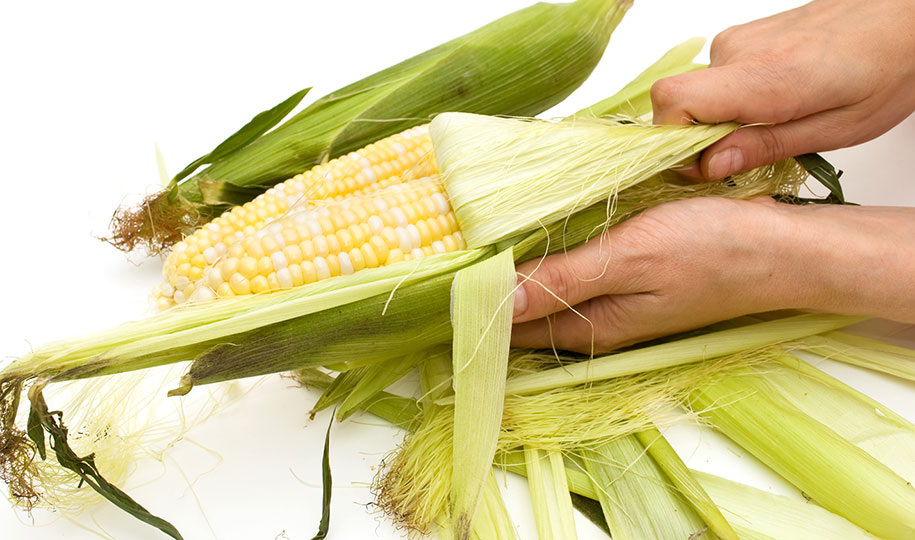
The Versatility of Corn Husk: More Than Just Waste
Corn husks, the leafy protective layers that encase an ear of corn, are primarily composed of cellulose, hemicellulose, and lignin. While traditionally seen as agricultural waste, their unique fibrous structure and natural properties lend themselves to an astonishing array of applications. Recognizing these intrinsic qualities is the first step towards understanding their economic viability and potential for value creation.
Traditional and Industrial Applications: A Foundation of Utility
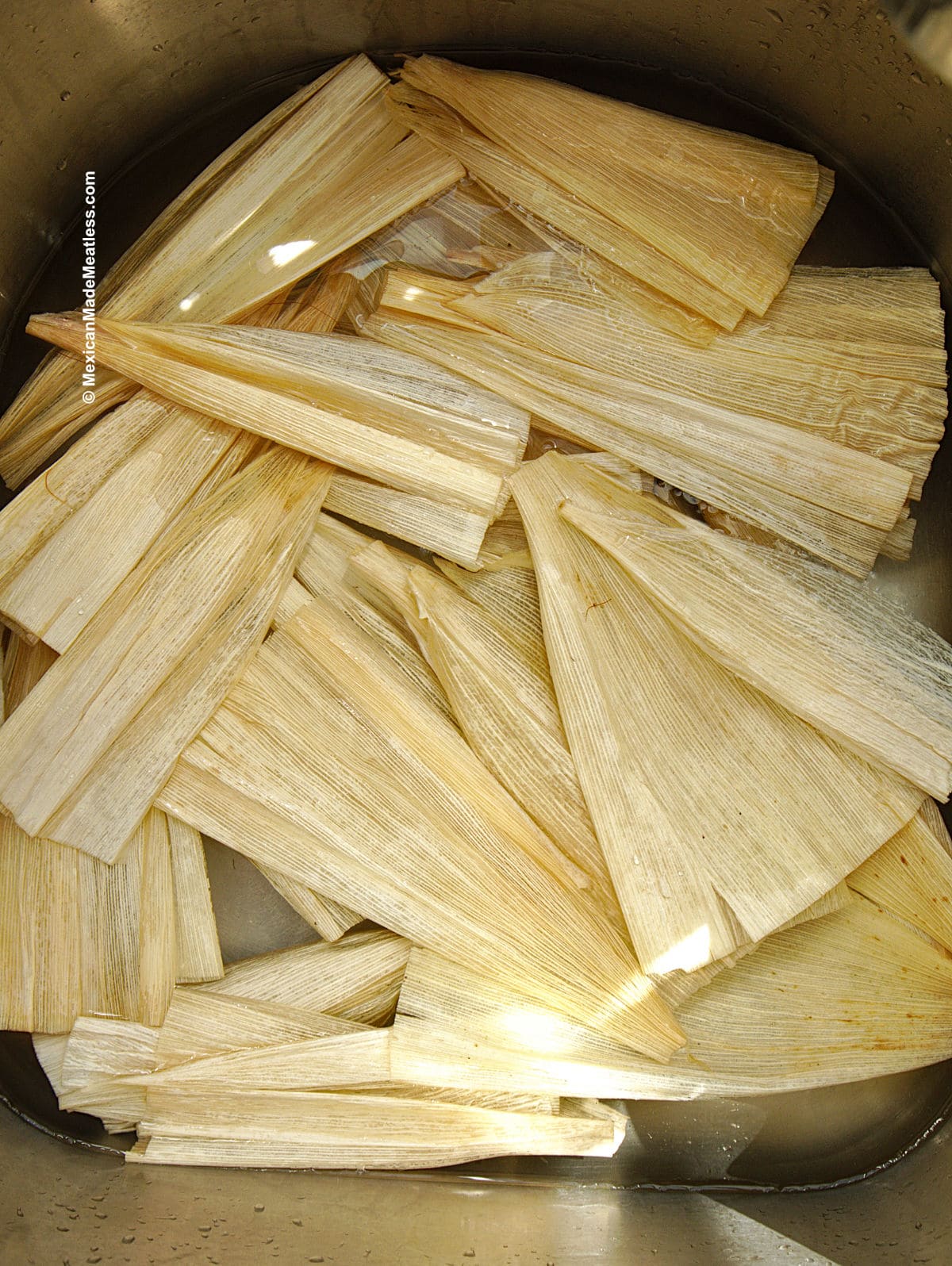
Historically, corn husks have found uses in various cultures, albeit often at a small scale. In culinary traditions, they are essential for wrapping tamales and other steamed dishes, imparting a subtle flavor and maintaining moisture. Beyond the kitchen, they’ve been used in rudimentary crafts, as biodegradable packaging for market goods, and even as animal bedding or feed in some farming communities. Industrially, husks have been processed to a limited extent for low-grade paper pulp or as a minor component in composting. These applications, while valuable, barely scratch the surface of their full economic potential. The low perceived value often meant disposal was the default, incurring costs for farmers rather than generating revenue.
Emerging High-Value Uses: Innovating for Profit
The advent of green technologies and a global push for sustainable solutions has dramatically shifted perceptions of corn husks. Researchers and entrepreneurs are now exploring a multitude of sophisticated applications that promise higher economic returns. For instance, the cellulose content makes corn husks a prime candidate for the production of bio-plastics and biodegradable packaging materials, addressing the pressing environmental concerns of plastic pollution. Their natural fibers can be transformed into robust textiles, paper products, and even building materials, offering eco-friendly alternatives to traditional, resource-intensive options. Furthermore, advanced chemical processes can extract valuable compounds for pharmaceuticals, cosmetics, and food additives. As a biomass source, corn husks hold potential for bioenergy production, providing a renewable alternative to fossil fuels. Each of these emerging uses represents a new market segment, ripe for investment and entrepreneurial activity, turning agricultural waste into a high-demand raw material.
Tapping into the Corn Husk Economy: Opportunities for Income Generation
The economic potential of corn husks is vast, spanning from micro-businesses and side hustles to large-scale industrial ventures. Entrepreneurs and investors alike can find diverse avenues to generate income and build profitable businesses by leveraging this sustainable resource.
Crafting and Artisanal Products: Side Hustles and Online Income
One of the most accessible entry points into the corn husk economy is through artisanal crafting. The pliable yet durable nature of dried corn husks makes them an excellent material for creating a wide range of decorative and functional items. From intricate corn husk dolls, flowers, and wreaths to rustic baskets, mats, and even unique fashion accessories, the possibilities are limited only by imagination. This sector is particularly well-suited for online income generation and side hustles. Crafters can source husks locally, process them with minimal equipment, and sell their creations through e-commerce platforms like Etsy, personal websites, or local craft markets. The appeal of handmade, eco-friendly products resonates with conscious consumers, commanding premium prices and fostering a loyal customer base. Developing a strong personal brand around sustainable craftsmanship can further amplify earning potential in this niche.
Sustainable Packaging Solutions: Business Finance and Investment
The global demand for sustainable packaging is skyrocketing, driven by consumer preference and regulatory pressures. Corn husks offer a compelling solution, providing a biodegradable, compostable, and renewable alternative to synthetic plastics. Companies specializing in converting corn husks into packaging materials—such as trays, containers, and protective fillers—are attracting significant investment. This business model involves larger-scale operations, requiring capital for research and development, manufacturing facilities, and distribution networks. Investors can look at opportunities in startups developing innovative corn husk-based packaging technologies or established companies looking to diversify their sustainable product lines. The financial returns here can be substantial, given the immense market size and the critical need for eco-friendly packaging across almost every industry.
Bioenergy and Bioplastics Ventures: Strategic Investment Pathways
Beyond packaging, corn husks are emerging as a critical feedstock for the bioenergy and bioplastics industries. As a biomass source, they can be processed into biofuels like ethanol or used in anaerobic digestion to produce biogas, offering a renewable energy alternative. The bioplastics sector, in particular, represents a high-growth area. Companies that can efficiently convert corn husk cellulose into biodegradable polymers are positioned for significant financial success. This path typically requires substantial upfront investment in R&D, specialized processing plants, and intellectual property. Venture capitalists and impact investors are increasingly targeting such ventures, recognizing their potential to address both environmental challenges and generate long-term financial gains. Partnerships with agricultural cooperatives to secure a consistent supply of husks can also be a strategic advantage, aligning business goals with farmer income generation.
Agricultural Applications: Enhanced Farm Profitability and New Ventures
Farmers themselves can directly benefit from leveraging corn husks. Instead of disposal costs, husks can be transformed into value-added products on the farm. They make excellent organic mulch, improving soil health, retaining moisture, and suppressing weeds, which can reduce input costs and increase crop yields. When processed correctly, they can serve as a supplemental feed for livestock, especially during periods of forage scarcity, reducing feed expenses. Furthermore, corn husks can act as a substrate for mushroom cultivation, offering a profitable diversification strategy for farmers. Establishing small-scale processing units or cooperatives to collectively market these applications can open new revenue streams for farming communities, turning what was once a liability into an asset.

Navigating the Business Landscape of Corn Husk Utilization
While the economic potential of corn husks is undeniable, successful ventures require careful planning, strategic execution, and an understanding of the unique challenges and opportunities within this emerging sector.
Market Research and Niche Identification: Pinpointing Profitability
Before launching any corn husk-based business, thorough market research is paramount. Identifying specific niches where corn husk products offer a distinct advantage—be it cost, sustainability, performance, or aesthetic appeal—is crucial. For instance, is there a higher demand for corn husk food packaging in the organic produce market, or for artisanal crafts among eco-conscious consumers? Understanding the competitive landscape, target demographics, pricing strategies, and distribution channels will inform the business model and increase the likelihood of financial success. This also involves evaluating the scalability of the chosen product or service and forecasting potential revenue streams.
Funding and Investment Considerations: Fueling Growth
Securing adequate funding is essential for scaling corn husk ventures, especially for industrial applications. Funding options range from small business loans for artisanal ventures and grants for sustainable projects to venture capital and private equity for high-growth bio-material companies. Investors will look for a clear business plan, robust market analysis, a strong management team, and demonstrable financial projections. Emphasizing the environmental and social impact of corn husk utilization can also attract impact investors who seek both financial returns and positive societal outcomes. Understanding the typical investment lifecycle and preparing compelling pitches tailored to different investor types are key financial strategies.
Operational Challenges and Solutions: From Farm to Market
Operating a corn husk business comes with its own set of logistical and processing challenges. Sourcing a consistent and clean supply of husks, especially outside harvest season, requires robust supply chain management, potentially involving partnerships with multiple farmers or agricultural cooperatives. Processing husks (drying, cleaning, shredding, chemically treating) requires specialized equipment and expertise, which can involve significant capital expenditure. Ensuring quality control, adherence to safety standards, and efficient waste management are also critical operational considerations. Solutions often involve technological innovation, such as developing automated processing lines, and strategic logistics planning to minimize transportation costs and environmental footprint.
The Future of Corn Husk: A Sustainable Path to Profit
The trajectory for corn husks points towards an increasingly significant role in the global bio-economy. As resource scarcity and environmental pressures intensify, the economic value of agricultural byproducts like corn husks will only continue to rise, offering a sustainable path to profit.
Environmental Impact and Green Business Models: Beyond the Bottom Line
Businesses built around corn husks inherently operate on a green business model. By repurposing agricultural waste, they contribute to waste reduction, lower carbon footprints, and decrease reliance on non-renewable resources. This positive environmental impact is not just a marketing advantage; it’s a fundamental aspect that attracts ethical consumers, impact investors, and often, governmental support through grants and incentives. Companies that transparently communicate their sustainability efforts and demonstrate measurable environmental benefits are likely to build stronger brands and achieve greater financial longevity.
Innovation and Research Opportunities: Investing in Tomorrow
The corn husk sector is still in its nascent stages, leaving ample room for innovation and research. Continued investment in R&D is crucial for discovering new applications, improving processing efficiency, and reducing production costs. This includes exploring novel methods for extracting valuable compounds, developing advanced bio-materials, and optimizing energy conversion processes. Universities, research institutions, and private companies are actively pursuing these avenues, and financial support for such research can lead to groundbreaking discoveries that unlock even greater economic value from corn husks in the future. Investing in R&D is an investment in future profitability and market leadership.
Policy and Support for Bio-Economy Initiatives: Government as an Ally
Governments worldwide are increasingly recognizing the importance of a circular economy and supporting bio-economy initiatives through various policies, subsidies, and regulatory frameworks. These supports can significantly reduce the financial risks for businesses operating in the corn husk value chain. Understanding and leveraging these policies—such as tax credits for sustainable manufacturing, grants for waste-to-value projects, or favorable regulations for biodegradable products—can provide a significant competitive edge and improve financial performance. Advocacy for supportive policies also plays a role in fostering an environment conducive to growth in this sector.
Conclusion
“What is corn husk?” is no longer a simple question with a singular botanical answer. It has evolved into a query about untapped economic potential, sustainable enterprise, and innovative financial opportunities. From boosting online income through artisanal crafts to attracting significant investment in advanced bio-materials and bioenergy, corn husks are transforming from agricultural waste into a valuable resource. As the world shifts towards a more sustainable and circular economy, entrepreneurs, investors, and farmers who recognize and act upon the multifaceted economic value of corn husks are poised to cultivate significant financial returns while contributing to a healthier planet. The humble corn husk, it turns out, is a golden opportunity waiting to be harvested.
aViewFromTheCave is a participant in the Amazon Services LLC Associates Program, an affiliate advertising program designed to provide a means for sites to earn advertising fees by advertising and linking to Amazon.com. Amazon, the Amazon logo, AmazonSupply, and the AmazonSupply logo are trademarks of Amazon.com, Inc. or its affiliates. As an Amazon Associate we earn affiliate commissions from qualifying purchases.