
The allure of vintage clothing extends far beyond mere aesthetics or nostalgic sentiment; it represents a burgeoning market segment ripe with financial opportunities for both astute investors and budding entrepreneurs. While the casual observer might appreciate a garment for its unique style or historical charm, those operating within the financial landscape of pre-owned apparel understand that the very definition of “vintage” is the cornerstone of its economic value. It dictates pricing, influences demand, and shapes the strategies for sourcing, selling, and even insuring these unique assets.
This guide delves into the precise criteria that classify a garment as vintage, not merely as a historical categorization, but through the lens of its financial implications. For investors, understanding these distinctions is key to identifying appreciating assets and diversifying portfolios. For entrepreneurs, it’s the bedrock of building a profitable and sustainable business, from sourcing to pricing and marketing. By dissecting the nuances of age, condition, authenticity, and market dynamics, we uncover how “vintage clothing” transcends a simple fashion term to become a tangible, often high-value, commodity.
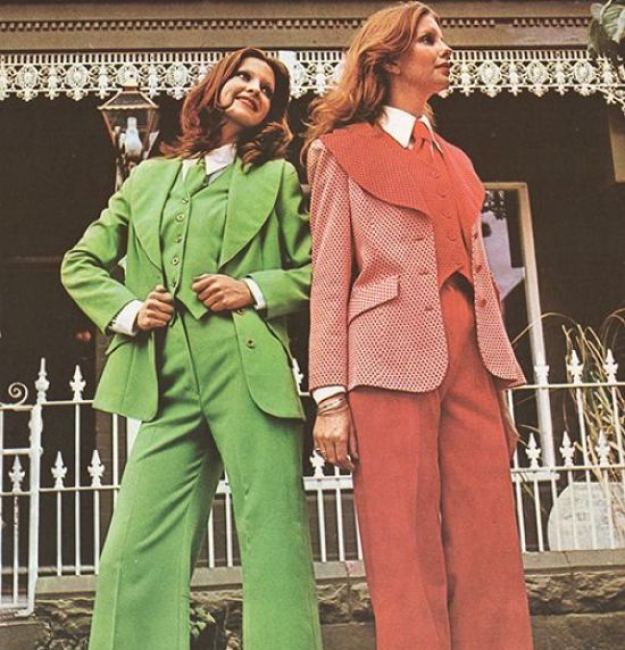
Defining Vintage: More Than Just Old Clothes with Financial Impact
The term “vintage” is often thrown around loosely, but in the realm of commerce and investment, precision is paramount. A clear definition allows for accurate valuation, informed purchasing, and strategic sales. Understanding what truly constitutes vintage, as opposed to simply “used” or “retro,” directly impacts a garment’s financial standing and market appeal.
The Age Demarcation: Setting the Financial Baseline
The primary factor in defining vintage clothing is age, and these age brackets are not arbitrary; they directly influence market segmentation and pricing strategies. Generally, a garment is considered:
-
Vintage: Typically, an item that is at least 20 years old but less than 100 years old. This is the broadest and most commercially active category. For an entrepreneur, identifying pieces that cross the 20-year threshold but are not yet widely recognized as “vintage” by the masses can present significant arbitrage opportunities. For investors, monitoring items approaching this age allows for foresight into potential future value appreciation.
-
Antique: Reserved for items 100 years or older. These pieces are often rarer, command significantly higher prices, and may appeal to a different class of collector or museum. The market for antique clothing is smaller but often involves higher-value transactions, akin to fine art or rare artifacts. The investment thesis here focuses on preservation, historical significance, and a potentially slower but more robust appreciation.
-
Retro: This term refers to clothing that imitates styles from a previous era but is newly manufactured. While aesthetically similar, “retro” items lack the intrinsic historical value, originality, and often the material quality of true vintage, making them financially distinct. Entrepreneurs might sell retro alongside vintage, but savvy buyers understand the pricing differential due to the absence of genuine historical provenance and finite supply.
The fluid nature of the “20-year rule” means the definition continuously rolls forward. Today’s 2000s fashion is tomorrow’s vintage. This continuous shift creates ongoing opportunities, as what was once merely second-hand quickly gains “vintage” status and, consequently, increased market value. Recognizing these shifts early can provide a significant financial edge.
Authenticity, Condition, and Provenance: Pillars of Value
Beyond age, a garment’s financial worth as a vintage item is heavily dependent on three critical factors:
-
Authenticity: A genuine vintage piece will always command a higher price than a replica or a “vintage-inspired” item. For investors and businesses, verifying authenticity is a crucial due diligence step to prevent financial losses and maintain reputation. This can involve examining labels, construction methods, fabric composition, and historical records. A robust authentication process is an investment in credibility and profitability.
-
Condition: The state of a vintage garment directly correlates with its market value. While minor wear is often acceptable and even expected, significant damage (tears, stains, irreparable fading) drastically reduces appeal and price. A pristine “deadstock” (new old stock) vintage item, never worn with original tags, is extremely rare and can fetch premium prices, akin to a factory-sealed collectible. Entrepreneurs must weigh the cost of professional cleaning or repair against the potential increase in resale value, performing a clear cost-benefit analysis.
-
Provenance: The history of ownership or use can exponentially increase a vintage item’s financial worth. A dress worn by a celebrity, a uniform from a significant historical event, or an item from a renowned fashion archive carries a story that adds immense intangible and tangible value. Documented provenance provides a compelling narrative for marketing and justifies higher price points, transforming a garment into a collectible asset. This makes research and record-keeping vital for maximizing financial returns.
Rarity and Demand: The Market Dynamics
Like any commodity, the value of vintage clothing is heavily influenced by its rarity and current market demand.
-
Scarcity Principles: Items that were produced in limited quantities, are no longer manufactured, or have become scarce due to attrition (disposal, damage) inherently command higher prices. This includes rare designer pieces, unique handcrafted garments, or items from short-lived fashion trends. The fewer available, the higher the price a collector or enthusiast is willing to pay.
-
Current Fashion Trends vs. Timeless Appeal: Market demand for vintage fluctuates with contemporary fashion trends. A surge in popularity for a specific decade (e.g., 90s streetwear) can temporarily inflate prices for those items. However, truly valuable vintage investments often possess a timeless aesthetic or iconic design that transcends fleeting trends, offering more stable, long-term appreciation. Entrepreneurs must skillfully navigate both trend-driven demand for quick turnover and evergreen demand for consistent profit.
Vintage Clothing as an Asset Class: Investment Potential
Beyond its aesthetic appeal, vintage clothing has emerged as a compelling alternative asset class, attracting investors who recognize its potential for appreciation, diversification, and tangible value in an often volatile market. Treating vintage clothing as an investment requires a strategic approach, mirroring the principles applied to art, antiques, or other collectibles.
Identifying High-Value Vintage Investments
The ability to discern which vintage pieces are likely to appreciate in value is crucial for investors. This requires a deep understanding of fashion history, brand recognition, and material science.
-
Designer Labels vs. Anonymous Quality: While any well-made vintage item can have value, pieces from renowned designer labels (e.g., Chanel, Hermes, early Yves Saint Laurent, specific periods of American designers like Halston or Claire McCardell) generally offer more reliable and significant returns. Their established brand equity, historical significance, and enduring desirability make them more robust investments. However, don’t overlook “anonymous quality” – expertly tailored, high-quality garments from lesser-known ateliers can still perform well, especially if they embody classic styles or exceptional craftsmanship.
-
Specific Eras and Styles: Certain historical periods consistently attract strong buyer interest. Art Deco (1920s-1930s) gowns, Mid-Century Modern (1950s-1960s) silhouettes, 70s rock aesthetics, and iconic 90s streetwear can all represent strong investment opportunities. The key is to identify which eras are currently gaining traction or have enduring cultural relevance, understanding that trends can cycle back, leading to renewed demand.
-
Material and Construction Quality: Investment-grade vintage clothing often features superior materials and construction methods that are rare in modern fast fashion. Fabrics like pure silk, cashmere, fine wools, high-quality leather, and expertly woven linens, combined with impeccable tailoring and hand-finished details, indicate longevity and inherent value. These materials not only last longer but often age more gracefully, retaining their luxurious appeal and commanding higher prices.
Understanding Market Fluctuations and Risk
Like any investment, vintage clothing is subject to market dynamics and carries inherent risks. A savvy investor understands and mitigates these.
-
Fashion Cycles and Their Impact: The cyclical nature of fashion means that the popularity and thus the value of specific vintage styles can rise and fall. Investors must be prepared for periods of dormancy in value for certain pieces while others surge. Long-term appreciation often requires patience and an understanding of macro fashion trends.
-
Storage and Maintenance Costs: Unlike stocks or bonds, vintage clothing requires physical storage and proper care. Exposure to light, moisture, pests, or improper handling can lead to degradation, reducing or destroying value. Investors must factor in costs for climate-controlled storage, archival materials, and professional cleaning or repair, as these can impact the net return on investment.
-
Liquidity of Vintage Assets: The ease with which a vintage piece can be converted into cash varies. Highly sought-after designer items in pristine condition will generally be more liquid than obscure pieces or items in poor condition. Niche items may require a longer selling period to find the right buyer. Investors should assess the liquidity profile of their vintage holdings.
Diversifying Your Portfolio with Vintage Apparel
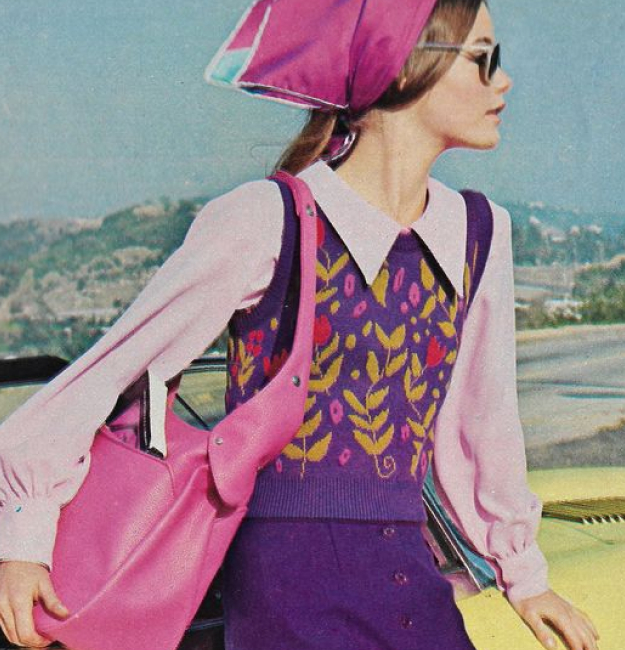
Incorporating vintage clothing into a broader investment portfolio offers unique benefits, particularly for those looking beyond traditional asset classes.
-
Tangible Assets in an Uncertain Market: Vintage clothing provides a tangible asset that can serve as a hedge against inflation and market volatility. Unlike digital assets or paper investments, it holds intrinsic value based on its physical properties, rarity, and historical significance.
-
Comparing to Other Alternatives: Vintage clothing can be compared to other collectibles like art, stamps, or rare books. It offers a unique blend of cultural heritage, artistic design, and historical narrative. For those with a passion for fashion and history, it allows for investment in an area of personal interest, potentially combining hobby with profit.
The Entrepreneurial Landscape: Building a Vintage Business
For entrepreneurs, the vintage clothing market offers a dynamic and rewarding avenue for business. From small online boutiques to curated physical stores, understanding the financial mechanics of sourcing, pricing, and selling is crucial for success.
Sourcing Strategies for Profitability
The foundation of any profitable vintage clothing business lies in effective and efficient sourcing.
-
Thrift Stores, Estate Sales, Auctions, Online Marketplaces: Each sourcing channel presents different cost structures and potential profit margins. Thrift stores offer low acquisition costs but require extensive searching. Estate sales and auctions can yield higher-value items but require competitive bidding. Online marketplaces offer convenience but may involve higher shipping and platform fees. Entrepreneurs must develop a multi-channel sourcing strategy to maximize opportunities and minimize acquisition costs.
-
Bulk Buying vs. Curated Collections: Two primary business models exist. Bulk buying (e.g., by the pound or large lots) can reduce per-item cost but requires significant sorting, cleaning, and appraisal effort. Curated collections focus on hand-picking higher-value, unique items, demanding more expertise but potentially yielding higher profit per sale. The choice depends on capital, storage capacity, and target market.
-
Authentication and Appraisal Services: For a reputable and profitable vintage business, investing in authentication skills or third-party appraisal services is essential. This protects against inadvertently selling fakes, builds customer trust, and justifies premium pricing for genuine, high-value items. It’s a necessary operational cost that underpins financial integrity.
Pricing Models and Value Proposition
Establishing competitive yet profitable pricing is a critical skill for vintage entrepreneurs.
-
Determining Fair Market Value: This involves extensive research into comparable sales, consideration of the item’s condition, brand recognition, rarity, and current market demand. Pricing too high deters buyers; pricing too low leaves money on the table. Dynamic pricing, adjusting based on demand and inventory age, can optimize sales.
-
Adding Value Through Services: Entrepreneurs can increase the perceived and actual value of their inventory by offering professional cleaning, minor repairs (e.g., re-sewing buttons, mending small seams), expert styling advice, or detailed historical storytelling about each piece. These value-added services justify higher prices and enhance the customer experience.
-
Online vs. Brick-and-Mortar: Different sales channels have varying overheads and pricing strategies. Online stores (e.g., Etsy, eBay, dedicated e-commerce sites) have lower physical overheads but incur platform fees and marketing costs. Brick-and-mortar stores have higher rent and utility costs but offer a tactile shopping experience and direct customer interaction. Each requires a tailored financial model.
Marketing and Brand Building in the Vintage Niche
Successful vintage businesses often excel at targeted marketing and building a distinctive brand identity.
-
Targeting Niche Markets: Rather than trying to appeal to everyone, specializing in specific eras (e.g., 70s disco, 90s grunge), styles (e.g., workwear, haute couture), or sustainability-focused consumers allows for more effective marketing and community building. This niche focus helps in sourcing, branding, and attracting dedicated buyers.
-
Leveraging Social Media and E-commerce: Platforms like Instagram, TikTok, Pinterest, and specialized vintage marketplaces are indispensable for reaching target audiences, showcasing inventory, and building a brand narrative. High-quality photography, engaging descriptions, and consistent posting are crucial investments.
-
Building Trust and Reputation: In a market where authenticity and condition are paramount, a strong reputation for honesty, accurate descriptions, and excellent customer service is invaluable. Positive reviews and word-of-mouth referrals are powerful marketing tools that drive repeat business and sustained profitability.
Financial Tools and Considerations for Vintage Enthusiasts
Whether you’re an investor building a private collection or an entrepreneur running a full-scale operation, effective financial management is key to maximizing returns and mitigating risks in the vintage clothing market.
Inventory Management and Valuation Software
For anyone with more than a handful of vintage pieces, robust systems are essential.
-
Tracking Acquisitions, Sales, and Profit Margins: Specialized inventory management software (or even sophisticated spreadsheets) can track purchase dates, costs, selling prices, and net profits for each item. This data is crucial for understanding profitability, identifying best-selling categories, and making informed buying decisions.
-
Tracking Condition, Provenance, and Market Value: For high-value items, detailed records of condition reports, authenticity certificates, repair history, and provenance significantly enhance an item’s market value and facilitate insurance claims. Tracking market value trends over time helps in deciding when to sell.
Insurance and Security for Valuable Collections
Protecting vintage assets from loss or damage is a critical financial consideration.
-
Protecting Assets Against Damage, Theft, or Loss: As vintage items appreciate, they become more attractive to thieves and susceptible to environmental damage. Appropriate insurance coverage (e.g., specialized collectibles insurance) is vital. This includes protection against fire, water damage, theft, and natural disasters.
-
Appraisal for Insurance Purposes: Regular professional appraisals are necessary to ensure that insurance coverage accurately reflects the current market value of your vintage collection. This ensures you’re adequately compensated in case of a claim and avoids being underinsured.

Tax Implications of Vintage Sales and Investments
Navigating tax regulations is crucial for both individuals selling vintage items and established businesses.
-
Understanding Capital Gains on Collectibles: For investors, profits from selling vintage clothing (classified as collectibles by many tax authorities) may be subject to capital gains tax, often at different rates than other assets. Proper record-keeping of purchase prices and selling prices is essential for accurate tax reporting.
-
Business Expenses and Income Reporting: Entrepreneurs must diligently track all business expenses (sourcing costs, cleaning, repairs, marketing, platform fees, shipping) to offset against income. Accurate financial records are indispensable for compliance and maximizing profitability through legitimate deductions.
The world of vintage clothing, while rooted in style and history, is undeniably a domain rich with financial implications. From discerning the precise age criteria that elevate a garment to “vintage” status, to understanding how condition and provenance dictate its market worth, every aspect holds a monetary dimension. For the savvy investor, vintage apparel offers a tangible, often appreciating asset that can diversify a portfolio and provide a hedge against economic fluctuations. For the ambitious entrepreneur, it presents a vibrant landscape for building a profitable business, demanding expertise in sourcing, pricing, marketing, and robust financial management. Ultimately, success in the vintage clothing market, whether as a collector or a proprietor, hinges not just on passion, but on a clear, financially informed understanding of what truly makes a garment “vintage.”
aViewFromTheCave is a participant in the Amazon Services LLC Associates Program, an affiliate advertising program designed to provide a means for sites to earn advertising fees by advertising and linking to Amazon.com. Amazon, the Amazon logo, AmazonSupply, and the AmazonSupply logo are trademarks of Amazon.com, Inc. or its affiliates. As an Amazon Associate we earn affiliate commissions from qualifying purchases.