
The evolution of smartphone cameras has been nothing short of revolutionary, transforming a ubiquitous communication device into a formidable creative tool. Among the myriad innovations introduced by Apple, Cinematic Mode stands out as a paradigm shift, bringing a touch of Hollywood magic directly into the hands of everyday iPhone users. Introduced with the iPhone 13 series, Cinematic Mode is more than just a filter or a shooting preset; it’s a sophisticated computational videography feature designed to simulate the shallow depth of field and automatic focus transitions characteristic of professional filmmaking.
Before Cinematic Mode, achieving the dreamy, blurred backgrounds (bokeh) and seamless focus shifts seen in movies required expensive camera equipment, specialized lenses, and skilled cinematographers or focus pullers. These elements were largely out of reach for the average consumer. Apple’s objective with Cinematic Mode was to democratize this professional aesthetic, making complex visual storytelling accessible through intuitive software intelligence. By leveraging advanced computational algorithms and the powerful Neural Engine, Cinematic Mode allows users to capture videos with an artistic depth and narrative flow previously unimaginable on a smartphone. It doesn’t just record video; it helps tell a story with a visual language that resonates with cinematic tradition, fundamentally changing how users approach mobile video creation.

The Dawn of Computational Cinematography
The concept of computational photography has been steadily enhancing still images on smartphones for years, but extending these complex algorithms to real-time video, especially with dynamic depth mapping and intelligent focus, represented a significant engineering challenge. Cinematic Mode is a testament to the maturation of this technology, blending hardware capabilities with intelligent software to create a truly transformative user experience.
Bridging the Pro-Consumer Divide
Historically, a clear chasm existed between the visual quality achievable with professional film cameras and consumer-grade devices. Professional cameras boast large sensors, interchangeable lenses, and manual controls that allow cinematographers to precisely manipulate depth of field, exposure, and focus. This control is crucial for directing audience attention and creating a specific mood. For instance, a shallow depth of field (where the subject is sharp and the background is blurred) isolates the subject, making them stand out and drawing the viewer’s eye to key emotional moments. Before Cinematic Mode, achieving this “filmic look” on a smartphone was largely impossible, often relegated to post-production effects that looked artificial and lacked true optical depth.
Cinematic Mode effectively bridges this divide by emulating these professional techniques using software. It leverages the iPhone’s multi-lens system and advanced processors to capture depth information in real-time, then intelligently processes this data to apply a convincing shallow depth of field. This allows iPhone users, without any specialized knowledge or additional gear, to produce videos that feel far more polished and professional than standard smartphone footage, empowering a new generation of mobile filmmakers and content creators.
How Traditional Cinematography Works
In professional filmmaking, shallow depth of field is achieved through a combination of lens aperture, focal length, and the physical distance between the camera, subject, and background. Lenses with wider apertures (smaller f-numbers like f/1.4 or f/2.8) allow more light to enter the camera and produce a shallower depth of field. A “focus puller” is often employed to manually shift focus smoothly between subjects, guiding the viewer’s eye and enhancing the narrative. This precise control requires considerable skill, experience, and collaboration among the film crew.
The artistic decision of where to focus and when to transition focus is a powerful storytelling technique. It can reveal character reactions, shift emphasis in a dialogue, or build suspense. Mastering these techniques requires understanding the nuances of visual storytelling and the technical capabilities of high-end equipment. The challenge for Apple was to distil this complex interplay of physics, optics, and human skill into an automated, user-friendly feature that could run on a pocket-sized device.
The iPhone’s Approach: Software-Defined Depth
Apple’s solution is rooted in computational videography. Instead of relying purely on optical physics, Cinematic Mode uses sophisticated algorithms and machine learning to achieve its effects. When recording in Cinematic Mode, the iPhone captures a “depth map” of the scene in real-time. This depth map precisely measures the distance of every object from the camera. Concurrently, the Neural Engine analyzes the scene, identifying human subjects, animals, and prominent objects.
With this rich data, the iPhone can then computationally blur the background and foreground around the identified subject, creating a realistic bokeh effect. The “software-defined depth” means that unlike traditional optical depth, the amount of blur can be adjusted after the video has been recorded. This revolutionary capability provides creators with unprecedented flexibility, allowing them to experiment with different depths of field in post-production without having to reshoot. It essentially turns every frame into a dynamic canvas where focus and depth are no longer fixed but mutable artistic choices.
Unpacking the Mechanics of Cinematic Mode
Understanding the underlying technology of Cinematic Mode reveals the depth of engineering prowess behind it. It’s a symphony of hardware and software working in concert, performing complex calculations in real-time to deliver a seamless user experience.
Real-Time Depth Mapping and Subject Tracking
The core of Cinematic Mode lies in its ability to generate a highly accurate depth map of the scene in real-time. This is achieved through a combination of the iPhone’s advanced camera sensors (including LiDAR on Pro models, though not strictly required for Cinematic Mode), powerful image signal processing (ISP), and the Neural Engine. The system continuously processes stereo camera data (on models with multiple lenses) and other sensor inputs to create a 3D understanding of the environment.
Once the depth map is established, the Neural Engine then performs intelligent subject detection and tracking. It can identify faces, bodies, and even some non-human subjects, locking onto them and keeping them in sharp focus as they move within the frame. This tracking is not merely about keeping the subject sharp; it also intelligently manages the blurring of the areas around them, dynamically adjusting the bokeh effect to maintain a consistent cinematic look, even with complex subject movements. The ability to do this smoothly and in real-time during video capture is what truly sets Cinematic Mode apart.
Post-Capture Focus and Aperture Control
One of the most groundbreaking features of Cinematic Mode is the ability to adjust the focus point and the depth of field after the video has been shot. This “rack focus” adjustment in post-production gives creators unparalleled flexibility. If, during filming, the focus didn’t quite land where intended, or if a different narrative emphasis is desired, the user can simply tap on a new subject in the Photos app’s editing interface to shift the focus. The iPhone intelligently re-renders the depth map and bokeh effect to match the new focus point.
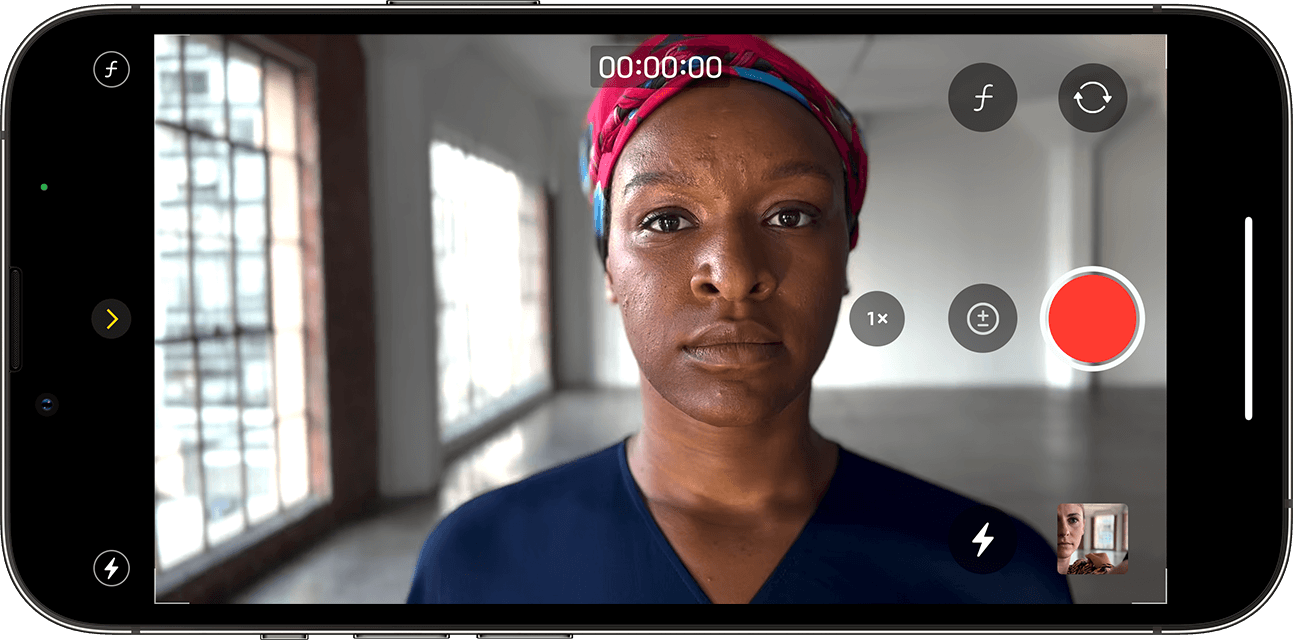
Similarly, the virtual aperture (f-stop) can be adjusted post-capture. This means users can increase or decrease the intensity of the background blur to achieve a more pronounced or subtle effect, all within the native Photos app. This level of granular control, traditionally reserved for professional video editing software, democratizes advanced post-production techniques and encourages experimentation without the pressure of perfect execution during filming.
Intelligent Scene Analysis and Subject Switching
Beyond simply tracking a subject, Cinematic Mode also performs intelligent scene analysis to anticipate and suggest focus transitions. For example, if a new prominent subject enters the frame, the iPhone can automatically shift focus to them. Conversely, if a subject turns their head away from the camera, the system might subtly shift focus to another subject or object to maintain narrative continuity, mimicking the work of a human focus puller.
Users can also manually initiate focus transitions during recording by tapping on different subjects on the screen. The iPhone then executes a smooth, gradual focus shift, emulating a professional rack focus. This intelligent automation, combined with manual override capabilities, gives creators powerful tools to guide viewer attention and enhance the emotional impact of their stories without needing extensive filmmaking expertise. The system is designed to be proactive yet responsive, providing a helpful hand while still allowing for creative control.
Mastering Cinematic Mode: Tips and Techniques
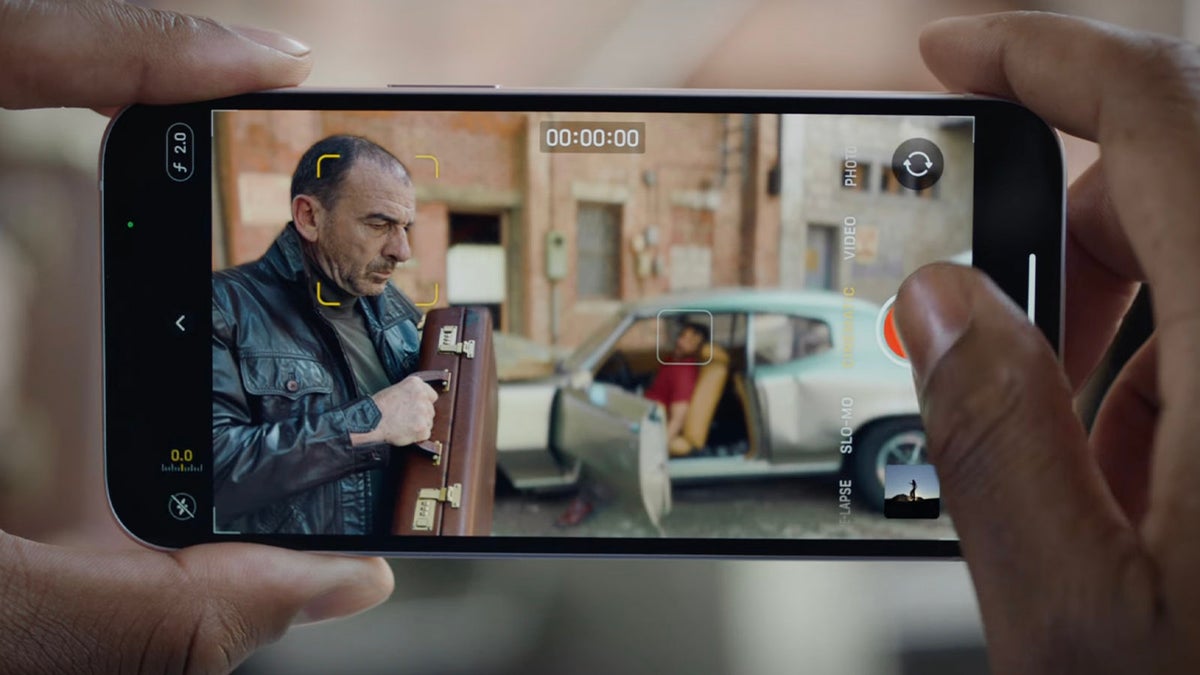
While Cinematic Mode offers impressive automation, a few fundamental tips can elevate your footage from good to truly great, ensuring your videos truly capitalize on its capabilities.
Optimal Lighting and Composition
Like all computational photography features, Cinematic Mode performs best with good lighting. Bright, even lighting allows the iPhone’s sensors to capture accurate depth information, leading to cleaner subject isolation and a more realistic bokeh effect. Avoid overly dark scenes or areas with extreme backlighting, as these can confuse the depth mapping algorithms, potentially leading to artifacts or less convincing blur.
Composition also plays a crucial role. While Cinematic Mode helps blur distracting backgrounds, a well-composed shot still highlights your subject effectively. Try to position your subject at a reasonable distance from both the camera and the background to maximize the depth effect. Rule of thirds, leading lines, and natural frames can all be employed to create visually appealing shots that draw the viewer’s eye. Remember, even with computational magic, a strong foundation in basic photography and videography principles will always yield superior results.
Understanding Focus Transitions
The power of Cinematic Mode lies in its dynamic focus. Practice initiating manual focus transitions by tapping on different subjects during recording. Experiment with the timing and speed of these transitions. A slow, deliberate rack focus can build suspense or emphasize a reveal, while a quicker shift can denote a sudden change in attention or action.
Also, pay attention to the iPhone’s automatic focus suggestions. Sometimes, allowing the phone to make a subtle shift can feel more natural. You can lock focus on a subject by long-pressing on the screen, which is useful when you want to prevent automatic shifts to a distracting element. Mastering these transitions is key to telling a compelling visual story and guiding your audience’s emotional journey.
Post-Production Finesse in the Photos App
The ability to edit focus and depth of field after recording is Cinematic Mode’s killer feature. Don’t be afraid to experiment in the Photos app. Review your footage and try different focus points. Sometimes, shifting focus to an object in the foreground or background that was initially out of focus can add an unexpected layer to your storytelling.
Adjust the f-stop slider to control the intensity of the background blur. A very shallow depth of field (lower f-number) can be dramatic, while a slightly deeper one (higher f-number) might be more appropriate for wider shots or scenes where more context is desired. This non-destructive editing means you can always revert to the original or try multiple versions, giving you immense creative freedom.
Third-Party Editing for Enhanced Control
While the Photos app offers excellent foundational editing, for more advanced users, third-party video editing apps can unlock even greater potential. Apps like LumaFusion or even desktop software that supports Apple’s Cinematic Mode metadata (e.g., Final Cut Pro) allow for more precise keyframe control over focus transitions, color grading, and audio editing.
These professional tools can import the full Cinematic Mode file, retaining all its depth information, and provide a more granular timeline interface for adjusting focus points with greater accuracy. This combination of powerful on-device capture and flexible post-production options means that Cinematic Mode footage can be integrated into truly professional-grade video projects.
The Impact and Future of Smartphone Filmmaking
Cinematic Mode represents a significant milestone in the journey of mobile video, impacting content creation, education, and even independent filmmaking. Its introduction has not only elevated the quality of casual videos but also inspired new ways of storytelling.
Democratizing Professional-Grade Video
Perhaps the most profound impact of Cinematic Mode is its democratization of professional-grade video aesthetics. What once required a dedicated camera, expensive lenses, a focus puller, and a skilled editor is now largely achievable with a device many already own. This accessibility empowers aspiring filmmakers, YouTubers, social media influencers, and small businesses to create high-quality, engaging visual content without prohibitive costs or steep learning curves.
It levels the playing field, allowing creativity and storytelling ability to take precedence over equipment budgets. Educational content creators can produce engaging tutorials, journalists can capture more compelling reports, and everyday users can document their lives with an artistic flair previously reserved for professionals. This shift fosters a more diverse and vibrant landscape of visual media.
Challenges and Limitations
Despite its brilliance, Cinematic Mode isn’t without its limitations. Being a computational feature, it sometimes struggles with complex scenes, fine details (like hair or intricate patterns), or rapid, erratic movements, which can lead to occasional “halo” effects or inconsistent blur. Low-light performance can also be a challenge, as accurate depth mapping requires sufficient light.
Furthermore, while it mimics a shallow depth of field, it is not an optical effect and may not always perfectly replicate the nuanced, organic bokeh produced by high-end cinema lenses with large sensors. The “virtual” aperture, while adjustable, still operates within the confines of software emulation. Users seeking absolute optical purity will still turn to dedicated cameras. The file sizes for Cinematic Mode videos can also be significantly larger due to the embedded depth metadata, requiring more storage space.
The Road Ahead: AI and Sensor Advancements
The future of smartphone filmmaking, particularly features like Cinematic Mode, looks incredibly promising. We can anticipate even greater sophistication through advancements in Artificial Intelligence and sensor technology. Future iPhones will likely feature more powerful Neural Engines, enabling more accurate and real-time depth mapping, even in challenging lighting conditions or with more complex subjects.
AI will likely play an even larger role in intelligent scene analysis, object recognition, and predictive focus, allowing for more seamless and intuitive storytelling. Deeper integration with machine learning could lead to features that automatically recognize narrative cues or emotional beats and adjust focus and depth accordingly. Improvements in sensor technology, such as larger sensors or more advanced computational photography pipelines, will further enhance image quality, dynamic range, and low-light performance, blurring the lines between smartphone and professional video cameras even further. The continuous evolution suggests that Cinematic Mode is just the beginning of what computational videography can achieve.
Conclusion
Cinematic Mode on the iPhone is a testament to Apple’s vision of democratizing advanced creative tools. By intelligently blending sophisticated hardware with powerful software and machine learning, it has brought a key aesthetic of professional filmmaking – the shallow depth of field and dynamic focus transitions – to the masses. It has fundamentally altered how users approach mobile video capture, empowering everyone from casual users to aspiring professionals to tell richer, more visually compelling stories.
While it has its limitations, Cinematic Mode continues to evolve, pushing the boundaries of what a smartphone camera can achieve. It signifies a future where the lines between consumer and professional creative tools continue to blur, driven by innovation that prioritizes accessibility and intuitive design. As AI and sensor technologies advance, we can expect Cinematic Mode and similar features to become even more capable, making truly cinematic storytelling an increasingly standard feature in the palm of our hands.
aViewFromTheCave is a participant in the Amazon Services LLC Associates Program, an affiliate advertising program designed to provide a means for sites to earn advertising fees by advertising and linking to Amazon.com. Amazon, the Amazon logo, AmazonSupply, and the AmazonSupply logo are trademarks of Amazon.com, Inc. or its affiliates. As an Amazon Associate we earn affiliate commissions from qualifying purchases.