
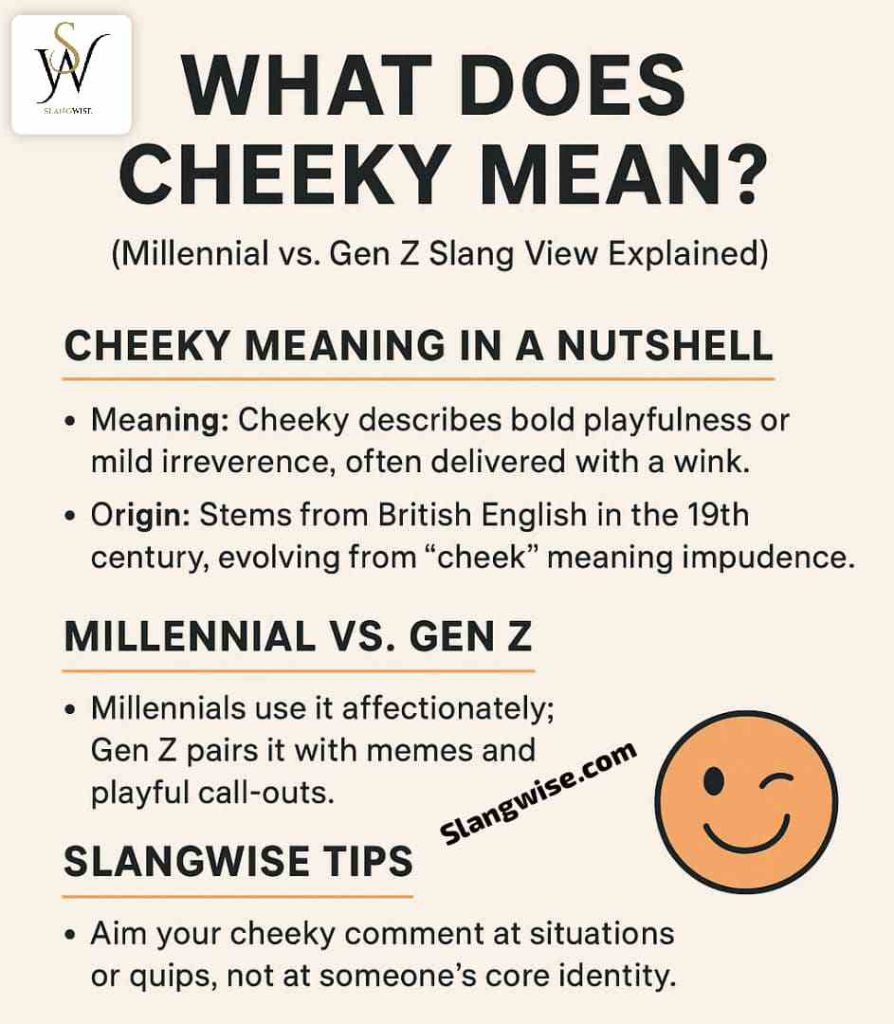
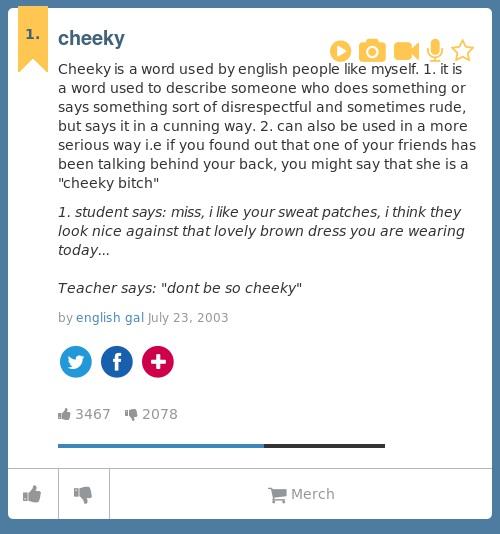
In a marketplace saturated with brands vying for attention, mere presence is no longer enough. To truly resonate and carve out a lasting impression, brands must cultivate a distinct personality that not only informs their identity but also dictates their interaction with the world. Among the myriad personality traits a brand can adopt, “cheeky” stands out as a particularly potent, albeit challenging, choice. At its core, cheekiness implies a playful irreverence, a delightful impudence that often incorporates wit, humor, and a willingness to subtly challenge norms without crossing the line into offense.

For brands, embracing a cheeky persona is a strategic decision. It’s about more than just making people laugh; it’s about establishing a memorable voice that fosters genuine connection, differentiates from the competition, and cultivates a sense of approachability. A well-executed cheeky brand persona can transform passive consumers into engaged advocates, turning mundane transactions into memorable experiences. However, like any powerful tool, it requires precision and a deep understanding of both its potential and its pitfalls. This exploration delves into the anatomy of a cheeky brand, the strategic considerations for its deployment, its profound benefits, and the delicate tightrope walk required to prevent it from backfiring.
The Anatomy of a Cheeky Brand Identity
Understanding what constitutes “cheeky” in a branding context is crucial for its successful implementation. It’s a nuanced characteristic, often subtle, that permeates various facets of a brand’s communication and design. It’s a delicate balance of traits that, when combined, create a persona that is both charming and memorable.
Playfulness and Wit
At the heart of cheekiness lies an undeniable sense of playfulness. This isn’t necessarily slapstick humor, but rather an intelligent, often understated, wit that engages the audience. It manifests in clever turns of phrase, unexpected visual elements, or a lighthearted approach to otherwise serious subjects. This playfulness signals that the brand doesn’t take itself too seriously, inviting consumers to relax and enjoy the interaction. It’s about a sparkle in the eye, a knowing smile embedded in the messaging. A brand that can make its audience chuckle or appreciate a clever twist is already halfway to building an emotional connection, demonstrating creativity and intelligence in its communication.
Mild Irreverence
Cheekiness inherently involves a degree of mild irreverence. This means challenging conventions, subverting expectations, or gently poking fun at established norms – whether they be industry standards, societal expectations, or even the brand itself. The key here is “mild.” It’s not about being disrespectful or offensive, but rather about approaching things from an unconventional angle. This subtle rebellion can be incredibly appealing, especially to audiences who feel underserved by traditional, staid brands. It demonstrates a brand’s courage to be different and its ability to think outside the box, positioning it as a refreshing alternative in a often predictable landscape.
Understated Confidence
A truly cheeky brand possesses an understated confidence. It doesn’t need to boast or overtly self-promote; its playful jabs or unconventional approaches speak volumes about its self-assuredness. This confidence allows the brand to take risks with its messaging, knowing that its core values and quality will shine through. It’s the brand that winks, rather than shouts, secure in its own identity and offerings. This self-possession makes the brand feel more authentic and less desperate, drawing consumers in through a magnetic appeal rather than aggressive marketing tactics.
Human Connection
Perhaps one of the most significant aspects of cheekiness in branding is its ability to foster genuine human connection. By presenting itself with personality, wit, and a touch of vulnerability (in its willingness to be playful), a brand becomes more relatable. It moves beyond being a faceless corporation to an entity with character and charm. This relatability breaks down barriers, making the brand feel more accessible, approachable, and trustworthy. Consumers are more likely to engage with and feel loyalty towards a brand that feels human, and cheekiness is a powerful shortcut to achieving that authentic connection.
Strategic Deployment: When and How to Be Cheeky
While the allure of a distinctive cheeky persona is strong, it’s not a universal solution. The decision to embrace cheekiness must be a deliberate, strategic one, deeply rooted in a comprehensive understanding of the brand’s ecosystem. Misjudged cheekiness can do more harm than good, making careful consideration paramount.
Understanding Your Audience
The first and most critical step is to intimately know your target demographic. Does your audience appreciate humor? What kind of humor resonates with them? What are their cultural sensitivities? What demographic characteristics might influence their reception of a cheeky tone? An audience of young, digitally native consumers might revel in a brand’s playful irreverence, while a more traditional, older demographic seeking serious financial advice might find it off-putting. Research into psychographics, demographics, and cultural contexts is indispensable. Without this foundational understanding, a cheeky approach risks alienating the very people you aim to attract.
Aligning with Brand Values
Cheekiness must be authentic and consistent with the brand’s core values. If a brand purports to be serious, reliable, and trustworthy, a sudden pivot to a cheeky tone will feel disingenuous and forced. The persona must emerge organically from the brand’s identity, mission, and vision. If one of your brand values is “innovation” or “breaking boundaries,” then a cheeky approach might be a natural fit, reflecting a willingness to challenge the status quo. If, however, your brand is built on “tradition” and “gravity,” then a cheeky tone could dilute its perceived value and trustworthiness. Authenticity is key; consumers are adept at detecting artifice.
Industry Context and Competitive Landscape
The industry in which your brand operates plays a significant role in determining the viability of a cheeky persona. In highly regulated or conservative industries such as finance, healthcare, or legal services, a cheeky approach might be perceived as unprofessional or undermine credibility. Conversely, in creative industries, consumer goods, or technology, it might be a refreshing differentiator. It’s also crucial to analyze the competitive landscape. If all your competitors are serious and formal, a cheeky brand can carve out a unique niche. However, if the market is already saturated with playful brands, you might need to find a different angle to stand out, or develop a unique flavor of cheekiness.
Channels and Touchpoints
Cheekiness isn’t a monolithic attribute; it needs to be carefully adapted across different brand channels and touchpoints. A humorous tweet might land perfectly on social media, but the same level of flippancy might be inappropriate in a customer service email addressing a serious issue, or in the terms and conditions section of a contract. Consider how the cheeky persona will manifest in website copy, product packaging, advertising campaigns, internal communications, and customer interactions. Consistency across channels is vital, but so is contextual appropriateness. A brand’s voice guide should articulate the specific parameters of cheekiness for each communication channel.
The Benefits of a Cheeky Brand Persona
When executed with precision and strategic foresight, a cheeky brand persona can unlock a multitude of powerful advantages, transforming brand perception and fostering deeper consumer relationships. These benefits often translate directly into increased market share, enhanced loyalty, and a stronger brand equity.
Enhanced Brand Recall and Differentiation
In an era of relentless advertising and countless choices, simply being present isn’t enough. Cheekiness provides a powerful mechanism for differentiation. Brands that dare to be playful, witty, and slightly irreverent stand out amidst a sea of sameness. This distinctiveness makes them more memorable and easier to recall. When consumers are faced with numerous options, the brand that made them smile, think, or feel a connection through its unique voice is often the one that sticks. This enhanced recall directly contributes to top-of-mind awareness, which is invaluable in competitive markets.
Fostering Emotional Connection and Loyalty
Cheekiness, when done well, evokes emotion. It can make people laugh, feel amused, or experience a sense of camaraderie. These emotional responses forge a deeper connection between the consumer and the brand than purely rational appeals ever could. When a brand consistently delivers moments of wit and unexpected charm, it builds a relationship based on shared enjoyment and personality. This emotional bond is a powerful precursor to loyalty, as consumers are more likely to stick with brands they feel a personal affinity for, beyond just product features or price. It creates a community around a shared attitude.
Driving Engagement and Shareability
Content that is clever, funny, or slightly provocative is inherently more engaging. Cheeky campaigns or social media posts are more likely to stop scrolls, elicit comments, and be shared across platforms. In the digital age, shareability is gold. When consumers willingly become advocates by sharing brand content, it significantly amplifies reach and credibility far beyond what paid advertising alone can achieve. A witty tagline, a humorous ad, or a clever response in customer service can go viral, generating organic buzz and introducing the brand to new audiences in an authentic, positive light.
Softening Perceptions and Building Approachability
For many businesses, particularly those in complex or perceived “boring” sectors, a cheeky persona can be a game-changer in terms of approachability. It humanizes the brand, stripping away layers of corporate stiffness and making it feel less intimidating and more relatable. This can encourage customers to engage more readily, ask questions, and feel more comfortable interacting with the brand. It demonstrates a willingness to break down barriers and connect on a more personal level, fostering an environment where consumers feel seen and understood, rather than just targeted.
Navigating the Line: The Perils of Misjudged Cheekiness
While the benefits of a cheeky brand persona are substantial, the line between charmingly impudent and overtly offensive is exceptionally fine. Misjudged cheekiness can lead to public relations disasters, alienation of target audiences, and long-term damage to brand reputation. The risks are as significant as the rewards.
Offense vs. Humor: The Critical Balance
The single greatest peril of adopting a cheeky brand persona is the risk of causing offense. What one person finds amusing, another might find rude, insensitive, or disrespectful. Humor is inherently subjective, and cultural, generational, and personal differences greatly influence what is perceived as acceptable. A joke that falls flat or is interpreted as mocking rather than playful can quickly ignite a social media firestorm, leading to boycotts and severe brand backlash. Brands must be acutely aware of current social sensitivities, avoid controversial topics unless directly relevant and handled with extreme care, and prioritize empathy above all.
Losing Credibility or Professionalism
In certain industries or for specific product categories, a brand’s primary value proposition rests on trust, reliability, and professionalism. If cheekiness is overdone or applied inappropriately, it can erode these foundational pillars. Consumers might perceive the brand as frivolous, unserious, or even incompetent, especially when dealing with matters of significant importance (e.g., financial planning, medical advice, safety products). The challenge is to maintain a level of gravitas and expertise while still demonstrating personality. There’s a fine line between approachable and unprofessional; crossing it can lead to a loss of customer confidence and business.
Inconsistency and Authenticity Issues
For cheekiness to be effective, it must be authentic and consistent across all brand touchpoints and over time. If a brand attempts a cheeky tone that doesn’t genuinely reflect its core identity or is applied inconsistently, it will feel forced and disingenuous. Consumers are adept at spotting inauthenticity, and a brand trying too hard to be “cool” or “edgy” can quickly lose credibility. Inconsistency, where the brand is cheeky one day and bland the next, creates confusion and undermines the distinctiveness that the persona was meant to achieve. Authenticity dictates that the cheeky spirit must be intrinsic, not just a superficial marketing tactic.
Cultural Nuances and Global Reach
For brands operating in multiple markets or with a global audience, cultural nuances present a complex challenge for cheeky messaging. What is considered playful or witty in one culture might be considered rude, incomprehensible, or deeply offensive in another. Idioms, slang, humor styles, and social conventions vary wildly across geographies. A brand needs to conduct thorough cultural research and potentially localize its cheeky approach for each market. A universal cheeky message is a rare feat; often, a blanket approach will either miss the mark or, worse, cause inadvertent damage in specific regions.
Crafting Your Cheeky Brand Voice: Practical Steps
Successfully integrating a cheeky persona into your brand requires a methodical approach, moving beyond abstract concepts to actionable strategies. It’s about intentional design and continuous refinement.
Define Your “Cheeky” Spectrum
Before deploying, precisely define the degree and type of cheekiness appropriate for your brand. Is it subtly ironic, overtly witty, gently rebellious, or playfully self-deprecating? Establish clear boundaries: what topics are off-limits? How far is your brand willing to push the envelope? Create a spectrum or a “cheeky meter” that helps your team understand the acceptable range of expression. This ensures consistency and prevents missteps, providing a framework for creative exploration while mitigating risk. It’s about finding your unique flavor of impudence that resonates with your identity and audience.
Content Audits and Voice Guides
To ensure consistent application, conduct regular content audits of all existing brand communications. Identify areas where the cheeky voice can be introduced or refined. More importantly, develop a comprehensive brand voice guide. This document should explicitly outline the brand’s personality traits, including detailed descriptors of its cheeky elements. Provide concrete examples of acceptable and unacceptable language, tone, and humor. Include a lexicon of preferred words, phrases, and even a list of words to avoid. This guide serves as an invaluable resource for content creators, marketers, and customer service teams, ensuring that every touchpoint embodies the desired persona.
Test and Iterate
Launching a cheeky brand persona should not be a one-time event; it’s an ongoing process of testing, learning, and iterating. Pilot new messaging or campaigns with smaller segments of your audience to gauge reactions before a full-scale launch. Utilize A/B testing for headlines, taglines, and ad copy to see what resonates best. Monitor social media sentiment, direct feedback, and engagement metrics closely. Be prepared to adapt and refine your approach based on real-world responses. The beauty of digital marketing is the ability to adjust quickly, allowing for continuous optimization of your cheeky voice to maximize impact and minimize risk.
Empower Your Team
A brand persona is only as effective as its implementation by the people who represent the brand. Train and empower your entire team, particularly those in customer-facing roles, to understand and embody the cheeky voice. Provide them with guidelines, examples, and the autonomy to express the brand’s personality within defined parameters. From sales associates to customer support representatives, every interaction is an opportunity to reinforce the brand’s persona. Empowering your team fosters authenticity, as the cheeky spirit flows naturally from engaged employees rather than feeling like a superficial directive.
Conclusion
The question “what is cheeky” in the context of branding transcends a simple definition; it points to a powerful strategic choice that can profoundly shape a brand’s identity, connection with its audience, and market standing. Embracing a cheeky persona is about intentionally cultivating playfulness, wit, and mild irreverence to differentiate, foster emotional connections, and drive engagement. It transforms a brand from a mere provider of goods or services into a personality, a friend, or even a delightful provocateur.
However, the path to successful cheekiness is fraught with potential missteps. It demands a rigorous understanding of your audience, an unwavering alignment with core brand values, and a meticulous navigation of cultural nuances. The line between charming and offensive is thin, and misjudgment can lead to significant reputational damage. Yet, for those brands willing to invest the thought, research, and careful execution, a well-crafted cheeky persona offers an unparalleled opportunity to build not just a customer base, but a devoted community, ensuring memorability and sustained relevance in an ever-evolving market. Ultimately, cheekiness is a strategic art, requiring both daring vision and disciplined restraint to truly define and deploy a distinctive, lasting brand presence.
aViewFromTheCave is a participant in the Amazon Services LLC Associates Program, an affiliate advertising program designed to provide a means for sites to earn advertising fees by advertising and linking to Amazon.com. Amazon, the Amazon logo, AmazonSupply, and the AmazonSupply logo are trademarks of Amazon.com, Inc. or its affiliates. As an Amazon Associate we earn affiliate commissions from qualifying purchases.