
In the dynamic landscape of cannabis and hemp-derived products, the spotlight has historically illuminated THC and CBD. However, a new wave of interest, driven by both scientific discovery and evolving consumer preferences, is pushing minor cannabinoids like Cannabinol (CBN) to the forefront. For entrepreneurs, investors, and business strategists, understanding CBN, particularly its role and potential in the edibles market, is no longer a niche curiosity but a critical component of market analysis and strategic financial planning. This article delves into CBN in edibles from a purely financial and business perspective, exploring its market potential, investment considerations, operational challenges, and long-term financial viability.
The Rise of Minor Cannabinoids: A New Frontier for Investment
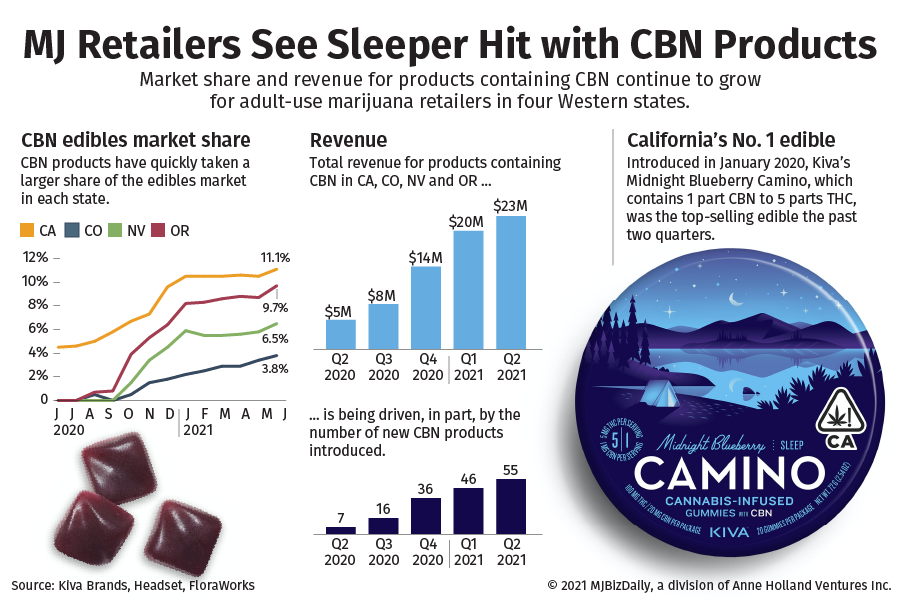
The legal cannabis and hemp industries are experiencing exponential growth, continuously innovating beyond their foundational compounds. Investors and businesses seeking an edge are increasingly looking towards the vast, untapped potential of minor cannabinoids. CBN, often dubbed “the sleep cannabinoid,” presents a compelling case for financial exploration, promising new product lines and market segments.
Beyond THC and CBD: Why CBN Matters for Business Growth
For years, the cannabis market was defined by Tetrahydrocannabinol (THC) for its psychoactive effects and Cannabidiol (CBD) for its non-intoxicating wellness benefits. This binary focus, however, overlooked a rich tapestry of over a hundred other cannabinoids, each with unique properties. CBN is one such compound gaining significant traction. Unlike THC, it is only mildly intoxicating (if at all, depending on dosage) and is typically formed as THC degrades over time. This unique origin story—being a degradation product—gives it distinct market positioning. Its purported benefits, particularly its potential sedative qualities, open doors to specific consumer demographics and product applications that CBD alone may not fully address, thus creating new revenue streams and opportunities for market differentiation. Businesses that can effectively isolate, formulate, and market CBN-infused products stand to capture a significant share of this emerging sub-market.
Market Projections and Growth Drivers for Novel Cannabinoids
The global cannabinoid market is projected to reach staggering figures, with a compound annual growth rate (CAGR) that underscores massive investment potential. Within this broader market, minor cannabinoids like CBN are anticipated to carve out their own substantial segment. Driving this growth are several factors critical for financial strategists:
-
Increasing Consumer Awareness: As research on cannabinoids expands and public education improves, consumers are becoming more sophisticated, seeking targeted solutions beyond general wellness.
-
Product Diversification: Brands are keen to expand their portfolios, offering innovative products that cater to specific needs, thus mitigating reliance on saturated THC/CBD markets.
-
Favorable Regulatory Shifts: While still complex, the global trend towards legalization and regulated markets for cannabis and hemp-derived products creates a more stable environment for investment and commerce.
-
Technological Advancements in Extraction: Improvements in extraction and isolation technologies are making minor cannabinoids more accessible and cost-effective to produce, directly impacting profit margins.
For investors, understanding these drivers is crucial for identifying early-stage opportunities and projecting long-term returns in the minor cannabinoid space.
CBN in Edibles: Unpacking the Product and its Commercial Appeal
The edibles market segment is arguably one of the most innovative and rapidly expanding categories within the broader cannabis and hemp industry. Infusing CBN into edibles presents a unique value proposition, leveraging both the convenience and appeal of edibles with the specific characteristics of CBN. From a financial perspective, this combination offers distinct advantages for market penetration and consumer loyalty.
The Science Behind CBN: Effects and Benefits Driving Consumer Demand
While research is still emerging, preliminary studies and anecdotal evidence suggest that CBN possesses properties distinct from other well-known cannabinoids. Its most commonly touted benefit is its potential as a sedative, leading to the nickname “the sleep cannabinoid.” Other proposed effects include appetite stimulation and anti-inflammatory properties. For businesses, these potential benefits translate directly into commercial appeal:
-
Targeted Sleep Aid Market: A significant portion of the population struggles with sleep. CBN edibles can be positioned as a natural, non-addictive alternative or supplement to traditional sleep aids, tapping into a vast consumer base willing to pay a premium for effective solutions.
-
Niche Wellness Applications: Beyond sleep, if other benefits are substantiated, CBN edibles could cater to specific wellness niches, allowing for product differentiation and premium pricing.
-
Synergistic Formulations: CBN’s effects might be enhanced when combined with other cannabinoids (the “entourage effect”) or complementary ingredients like melatonin, opening doors for advanced, value-added product development.
The ability to clearly articulate and deliver on these benefits is paramount for building brand trust and driving sales in a competitive market.
Product Differentiation and Target Markets for CBN Edibles
The edibles market is crowded with gummies, chocolates, beverages, and more, primarily featuring THC or CBD. Introducing CBN allows businesses to carve out a unique space.
-
Sleep-Focused Brands: Companies can position themselves exclusively as providers of nighttime relaxation and sleep support products, built around CBN as the hero ingredient. This narrow focus can lead to deep market penetration within this specific segment.
-
Premium Wellness Products: Given the specialized nature and potential higher cost of CBN extraction, edibles featuring CBN can be marketed as premium, high-efficacy wellness products, justifying higher price points and attracting a discerning clientele.
-
Subscription Models: For products aimed at consistent use (like sleep aids), subscription boxes or recurring purchase models for CBN edibles could ensure stable revenue streams and enhanced customer lifetime value.
Understanding the precise consumer demographics most likely to seek out sleep or specific wellness support is crucial for targeted marketing campaigns and efficient allocation of advertising budgets, directly impacting return on investment.
Navigating the Business Landscape: Investment, Production, and Distribution
Translating the potential of CBN edibles into a profitable venture requires a robust understanding of the operational aspects, from sourcing raw materials to reaching the end consumer. Each stage presents unique financial considerations and strategic decisions.
Sourcing and Extraction: Cost and Quality Considerations

The journey of CBN begins with its source. Unlike CBD, which is abundant in hemp, and THC, which is plentiful in cannabis, CBN is typically found in smaller quantities as THC degrades over time. This makes its extraction and isolation inherently more complex and, consequently, often more expensive.
-
Raw Material Sourcing: Businesses must decide between sourcing aged cannabis/hemp biomass (which naturally contains higher CBN levels) or converting CBD/THC to CBN through specialized chemical processes. Each method has different cost implications, scalability challenges, and regulatory hurdles.
-
Extraction Technologies: Advanced chromatography techniques are often necessary for isolating high-purity CBN. Investing in or contracting with facilities equipped with these technologies is a significant capital expenditure or operational cost. The purity and consistency of the CBN isolate directly affect the quality and safety of the final edible product, impacting brand reputation and market acceptance. Financial modeling must account for these specialized processing costs to ensure sustainable profit margins.
Manufacturing Edibles: Scaling for Profitability
Once CBN is acquired, its integration into edible formats requires precise formulation, quality control, and efficient manufacturing processes.
-
Formulation Expertise: Developing stable, palatable, and accurately dosed CBN edibles demands expertise in food science and cannabinoid chemistry. Inconsistent dosing or poor taste can quickly erode consumer trust and market share.
-
Good Manufacturing Practices (GMP): Adhering to GMP standards is not just a regulatory requirement but a fundamental business practice for ensuring product safety, consistency, and consumer confidence. Investing in GMP-certified facilities and processes is a prerequisite for scaling and attracting serious investors.
-
Batch Consistency and Cost Efficiency: Automated manufacturing processes are key to reducing labor costs, increasing production volume, and ensuring batch-to-batch consistency. Scaling production efficiently allows businesses to leverage economies of scale, reduce per-unit costs, and improve overall profitability. Financial planning should factor in the costs of equipment, facility upgrades, and skilled labor.
Distribution Channels and Market Penetration Strategies
Reaching the target consumer effectively is the final hurdle in the business model for CBN edibles. The chosen distribution channels significantly impact market penetration, brand visibility, and sales revenue.
-
Direct-to-Consumer (DTC): E-commerce platforms offer a direct line to consumers, allowing for higher profit margins and direct customer feedback. However, navigating online payment processing and advertising restrictions for cannabinoid products can be challenging and costly.
-
Wholesale to Dispensaries/Retailers: Partnering with established cannabis dispensaries, health food stores, or pharmacies can provide broad market access. This typically involves lower margins but higher volume sales and reduced marketing expenses per unit.
-
Specialty Stores and Wellness Boutiques: Targeting high-end wellness boutiques or specialty sleep stores can position CBN edibles as premium products, attracting a clientele willing to pay higher prices.
A robust distribution strategy often involves a multi-channel approach, carefully balancing reach, cost, and brand positioning to maximize financial returns.
Regulatory Framework and Financial Risk Management
The legal and regulatory environment surrounding cannabinoids remains complex and highly dynamic, presenting both opportunities and significant financial risks. Any business operating in this space must prioritize meticulous compliance and proactive risk management to ensure long-term viability and protect investments.
Understanding the Evolving Legal Environment
The legality of CBN, particularly when derived from hemp, often hinges on the distinction between “hemp-derived” and “cannabis-derived” products, and the varying interpretations of federal and state laws.
-
Federal vs. State Laws: While the 2018 Farm Bill federally legalized hemp (cannabis with less than 0.3% Delta-9 THC), the legal status of minor cannabinoids like CBN, and the specific regulations around edibles, can vary wildly by state or country. Businesses operating across jurisdictions must maintain a comprehensive legal framework for each market.
-
FDA Scrutiny: The Food and Drug Administration (FDA) in the U.S. has maintained a cautious stance on cannabinoids in food and dietary supplements, presenting a significant regulatory overhang. Future FDA rulings could dramatically alter market access and product formulation requirements.
-
International Regulations: For businesses eyeing global expansion, navigating diverse international regulations is paramount. Non-compliance can lead to hefty fines, product recalls, and even criminal charges, posing severe financial threats. Understanding these nuances is critical for legal counsel and for forecasting potential operational shifts and compliance costs.
Compliance Costs and Mitigating Investment Risks
Ensuring compliance is not merely a legal obligation; it’s a substantial operational cost that must be factored into financial projections.
-
Legal Counsel and Regulatory Affairs: Ongoing engagement with specialized legal firms and regulatory consultants is necessary to stay abreast of legislative changes and ensure product compliance. These costs can be substantial but are essential for risk mitigation.
-
Testing and Certification: Third-party lab testing for purity, potency, and contaminants is a non-negotiable expense. These tests ensure product safety and regulatory adherence, building consumer trust and preventing costly recalls.
-
Insurance and Liability: Comprehensive product liability insurance is crucial in an industry with evolving regulations and potential health claims. This protects against lawsuits and unforeseen financial liabilities.
Investors must conduct thorough due diligence on a company’s compliance framework and risk mitigation strategies. A robust regulatory strategy can safeguard investments, ensure market access, and build a resilient business model in a volatile industry.
Forecasting the Future: Long-Term Opportunities and Challenges
The CBN edibles market, while promising, is still in its nascent stages. Successful long-term financial performance will hinge on a business’s ability to innovate, adapt, and strategically navigate both anticipated and unforeseen market dynamics.
Innovation and Product Development Trends
The future of CBN edibles will likely be characterized by continuous innovation.
-
Novel Formulations: Expect to see advanced delivery methods, such as faster-acting edibles, micro-dosing options, or combination products (e.g., CBN with specific terpenes or other botanicals) that enhance efficacy and consumer experience.
-
Personalized Wellness: The trend towards personalized health could lead to CBN edibles tailored to individual needs, potentially leveraging AI and genetic data to recommend optimal dosages and cannabinoid profiles. This could unlock premium pricing and strong customer loyalty.
-
Mainstream Integration: As regulations mature, CBN edibles may transition from specialty stores to more mainstream retail channels, requiring robust supply chains and marketing strategies designed for mass markets.

Sustaining Growth in a Competitive Market
While early movers in the CBN space may enjoy a competitive advantage, sustained growth will depend on several factors:
-
Brand Building and Education: Differentiating a brand through strong storytelling, consistent quality, and clear consumer education about CBN’s benefits will be crucial.
-
Supply Chain Resilience: Establishing reliable, ethical, and cost-effective sourcing for CBN will be paramount, especially as demand grows.
-
Continuous Research and Development: Investing in R&D to uncover new applications or refine existing ones for CBN will be key to staying ahead of competitors and maintaining market relevance.
-
Ethical Marketing: Responsible marketing practices that avoid unsubstantiated claims will build long-term consumer trust and mitigate regulatory backlash.
For investors and businesses, a forward-thinking approach that prioritizes innovation, robust operational planning, and stringent risk management will be essential for capitalizing on the lucrative, yet challenging, future of CBN in edibles.
aViewFromTheCave is a participant in the Amazon Services LLC Associates Program, an affiliate advertising program designed to provide a means for sites to earn advertising fees by advertising and linking to Amazon.com. Amazon, the Amazon logo, AmazonSupply, and the AmazonSupply logo are trademarks of Amazon.com, Inc. or its affiliates. As an Amazon Associate we earn affiliate commissions from qualifying purchases.