
The cardigan sweater, often perceived as a mere staple in many wardrobes, is far more than just a piece of knitted apparel. From a branding perspective, it embodies a fascinating confluence of design evolution, market positioning, and the powerful role clothing plays in shaping personal and corporate identity. Understanding “what a cardigan sweater is” requires delving beyond its physical attributes to explore its strategic design, its diverse market presence, and its enduring capacity to communicate a specific brand message—whether for a luxury fashion house, a casual lifestyle brand, or an individual crafting their personal image. This article will dissect the cardigan through the lens of branding, uncovering how this versatile garment has become a potent symbol in the sartorial landscape.

The Cardigan as a Branding Element: Beyond Mere Apparel
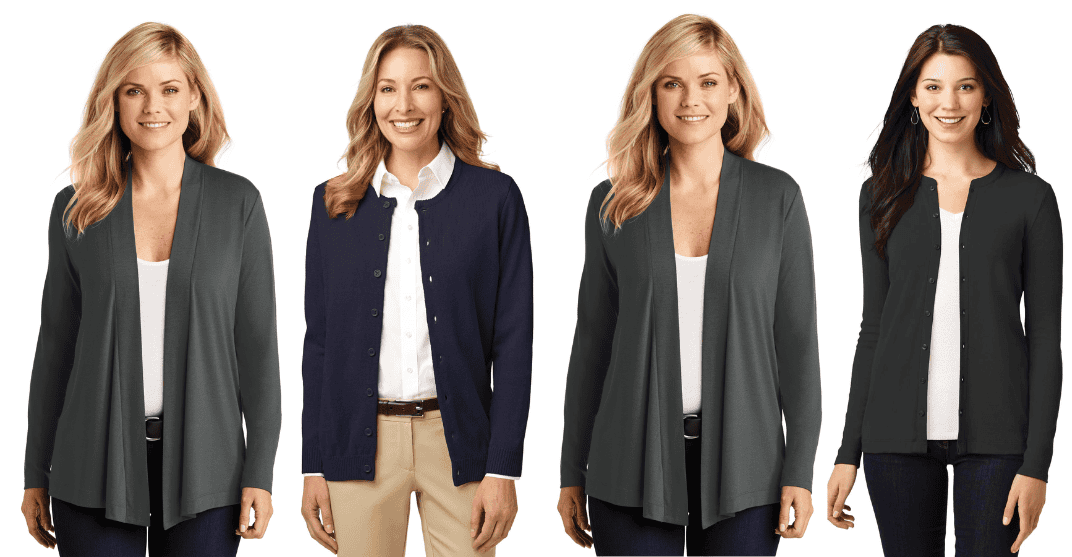
At its core, a cardigan is a type of knitted sweater characterized by an open front, typically with buttons, zippers, or ties, designed to be worn over other garments. Yet, this simple definition belies its complex journey through fashion history, each iteration subtly recalibrating its brand persona. Its design, fabric, and fit are not accidental; they are deliberate choices that imbue the garment with specific brand attributes, from casual comfort to sophisticated elegance.
Historical Evolution and Brand Persona
The cardigan’s origin story itself is intertwined with a legendary figure: James Thomas Brudenell, 7th Earl of Cardigan, a British major general who popularized the garment during the Crimean War (1853-1856). Needing a practical yet warm layer, he reputedly had a sleeveless knitted waistcoat modified to be easily slipped on or off. This initial association with military practicality and resilience lent the early cardigan a brand persona of understated utility and masculine strength.
Over the decades, the cardigan’s brand identity diversified. In the early 20th century, Coco Chanel’s iconic collarless knit jackets, often cardigan-style, redefined it for women, imbuing it with a brand persona of chic liberation and sophisticated comfort. Later, figures like Mr. Rogers cemented its image as warm, friendly, and approachable, creating a brand association with nurturing care and gentle reliability. Each historical adaptation, driven by cultural shifts and influential figures, added new layers to the cardigan’s evolving brand narrative, showcasing its remarkable adaptability while retaining an intrinsic sense of understated charm.
Design Principles Shaping Brand Identity
The fundamental design principles of a cardigan are crucial in defining its brand identity. The choice of knit—chunky cable knit versus fine merino wool—immediately signals different brand values: rustic warmth versus refined luxury. The buttons, zippers, or lack thereof contribute significantly to the aesthetic brand. Horn buttons on a cashmere cardigan evoke heritage and expense, while large plastic buttons on a brightly colored piece might signal playful youthfulness and affordability.
Moreover, the silhouette is paramount. A fitted, cropped cardigan conveys a different message than an oversized, slouchy one. The former might align with a brand emphasizing tailored elegance and structure, while the latter caters to a brand promoting relaxed comfort and bohemian chic. Even the collar (or lack thereof), pocket placement, and sleeve length are meticulously considered design elements that collectively contribute to the overall brand messaging of the garment, shaping consumer perception and differentiating it within a crowded market.
Personal Branding Through the Cardigan: A Style Statement
Beyond the brands that produce them, cardigans are powerful tools for individual personal branding. They allow wearers to curate and communicate specific aspects of their identity, whether it’s professionalism, artistic flair, or casual approachability. In a world increasingly focused on self-presentation, the cardigan acts as a strategic accessory in one’s personal brand toolkit, offering versatility in conveying a desired image.
Archetypes and Their Branded Appeal
Different styles of cardigans naturally align with various personal brand archetypes. The classic, fine-gauge cardigan, perhaps in a neutral tone, often signals a professional, reliable, and intelligent persona—the “sage” or “caregiver” archetype. Think of academics, librarians, or meticulous professionals. This style subtly communicates competence without overt flashiness, projecting trustworthiness and groundedness.
Conversely, an oversized, hand-knitted, or intricately patterned cardigan might align with the “artist” or “explorer” archetype, communicating creativity, individuality, and a free-spirited nature. A distressed or avant-garde design could appeal to the “rebel” or “innovator,” challenging norms and projecting uniqueness. The act of choosing a specific cardigan, therefore, is a subtle yet effective form of non-verbal branding, allowing individuals to align their external presentation with their internal identity and aspirations.
Strategic Styling for Professional & Casual Identities
The cardigan’s adaptability makes it an invaluable asset for strategic personal branding across various contexts. For professional settings, a well-chosen cardigan can soften the formality of a shirt and tie or a blouse, making one appear more approachable without sacrificing professionalism. A dark, structured cardigan over a crisp shirt projects a polished yet accessible image, ideal for leadership roles where connection is key. This careful layering builds a multi-faceted personal brand—competent yet warm, authoritative yet empathetic.
In casual settings, the cardigan allows for expressions of ease and personal style. A chunky knit thrown over a t-shirt and jeans communicates relaxed confidence, while a vibrant, patterned cardigan can be a statement piece that highlights creativity and personality. The ability to easily add or remove a cardigan also speaks to a brand of preparedness and adaptability, subtly signaling someone who is thoughtful about their comfort and presentation in varying environments. This strategic layering and adaptability make the cardigan a cornerstone of a well-rounded personal brand.
Corporate Identity and Market Positioning: The Cardigan’s Role
For fashion companies and brands, the cardigan is not just an item to sell; it’s a vehicle for establishing and reinforcing their corporate identity and market positioning. Its inherent versatility allows brands to tailor its design, materials, and marketing to resonate with specific target demographics, from high-end luxury consumers to budget-conscious shoppers.
Luxury vs. Mass Market Cardigans: Differentiating Brand Value
The cardigan serves as an excellent case study in how brands differentiate themselves across the luxury and mass markets. Luxury brands like Brunello Cucinelli or Loro Piana elevate the cardigan through exquisite materials (cashmere, alpaca), artisanal craftsmanship, and timeless designs, positioning it as an investment piece. Their branding emphasizes heritage, exclusivity, and unparalleled quality, promising not just a garment but an experience of refined comfort and understated opulence. The price point, bespoke services, and exclusive distribution channels all contribute to this high-end brand identity.

In contrast, mass-market retailers like H&M or Zara focus on accessibility, trend-responsiveness, and affordability. They adapt current fashion trends into cardigan styles, using more accessible materials and efficient production methods. Their branding emphasizes variety, affordability, and the ability for customers to frequently update their wardrobes. The message is about style for everyone, without the premium on longevity or exclusive materials. This stark contrast in branding strategies around the same basic garment highlights how design choices, material selection, and marketing narratives are meticulously crafted to align with distinct corporate identities and appeal to different consumer segments.
Case Studies in Fashion Branding: Cardigans as Signature Pieces
Many fashion brands have successfully leveraged the cardigan to define their signature aesthetic or to represent a core aspect of their brand identity. Chanel’s tweed cardigans, for instance, are instantly recognizable and synonymous with the brand’s legacy of elegant, empowered femininity. They represent an enduring brand ideal of sophisticated comfort and timeless style, transcending fleeting trends.
Another compelling example is Missoni, whose vibrant, intricate knit patterns are a hallmark of their brand. Their cardigans are not just sweaters; they are wearable art, instantly identifiable by their signature zigzag and wave motifs. For Missoni, the cardigan becomes a canvas for their distinctive textile innovations, reinforcing a brand identity built on color, texture, and Mediterranean flair. These brands demonstrate how a seemingly simple garment, through consistent design language and strategic marketing, can become a powerful emblem of a corporate identity, building enduring recognition and loyalty.
Marketing the Cardigan: Crafting Desire and Loyalty
The marketing of cardigans, like any apparel, goes beyond merely showcasing the product. It involves crafting narratives, tapping into emotional connections, and leveraging contemporary platforms to build desire, foster loyalty, and solidify the cardigan’s place in consumer culture. Effective marketing transforms a functional item into a covetable brand experience.
Digital Branding and Influencer Culture
In the digital age, the marketing of cardigans has significantly evolved, leveraging social media and influencer culture to reach wider, more targeted audiences. Brands strategically collaborate with fashion influencers who embody their target demographic, showcasing cardigans in real-life, aspirational contexts. This authentic endorsement by trusted voices builds credibility and relatability, making the product feel more attainable and desirable. Influencers demonstrate not just the garment, but its potential to enhance a personal brand, aligning it with aspirational lifestyles and aesthetics.
Furthermore, digital branding for cardigans involves creating engaging content across various platforms—high-quality photography, styling videos, and interactive campaigns. Brands might highlight the versatility of a cardigan through “how to style” guides on Instagram Reels or TikTok, or showcase its sustainable attributes through storytelling on their websites. This multi-channel approach ensures that the cardigan’s brand message—be it luxury, comfort, or sustainability—reaches consumers where they are most engaged, fostering a deeper connection than traditional advertising alone.
Storytelling and Emotional Connection in Cardigan Marketing
Beyond visuals, successful cardigan marketing often taps into storytelling to forge emotional connections with consumers. Brands might tell the story of the artisans who knit the garment, emphasizing heritage, craftsmanship, and ethical production. This narrative appeals to consumers who value authenticity and sustainability, aligning their purchase with their personal values. A cardigan then becomes more than just clothing; it’s a piece of a larger, meaningful story.
Similarly, marketing campaigns often evoke feelings of comfort, nostalgia, or empowerment associated with the cardigan. An advertisement might depict a cozy evening by the fire, a confident professional in a boardroom, or a stylish individual exploring a city, all while wearing the brand’s cardigan. These emotional appeals create a strong psychological association, moving the product beyond its functional utility to become a symbol of warmth, security, or self-expression. By carefully crafting these narratives, brands transform cardigans into desirable items that resonate deeply with consumers’ aspirations and emotions, building lasting loyalty.
The Future of the Cardigan’s Brand: Sustainability and Innovation
As consumer values shift and global challenges persist, the future branding of the cardigan will increasingly hinge on sustainability, ethical production, and innovative design. Brands that can adapt to these evolving expectations while maintaining their core identity will be best positioned for success. The cardigan, with its timeless appeal, is ripe for such evolution.
Ethical Sourcing and Brand Reputation
In an era of increased environmental and social consciousness, a brand’s reputation is inextricably linked to its ethical practices. For cardigans, this means transparency in sourcing materials—be it organic cotton, recycled fibers, or humanely shorn wool—and ensuring fair labor practices throughout the supply chain. Brands that proactively communicate their commitment to ethical sourcing build trust and enhance their brand image as responsible and forward-thinking. This goes beyond mere compliance; it becomes a core differentiator and a significant selling point, appealing to a growing segment of ethically-minded consumers.
The “brand” of a cardigan in the future will increasingly be defined not just by its aesthetics or quality, but by its entire lifecycle. Certifications, clear supply chain information, and initiatives supporting sustainable agriculture or artisan communities will become essential elements of its brand narrative. Brands that embrace these principles will not only safeguard their reputation but also cultivate a loyal customer base that aligns with their values, ensuring the cardigan remains relevant and desirable.
Adapting Design for Evolving Consumer Values
Innovation in cardigan design will also be crucial for its future brand relevance. This includes exploring new, sustainable materials (e.g., plant-based alternatives to traditional wools), integrating smart textiles for enhanced functionality (temperature regulation, integrated tech), and designing for circularity (garments that can be easily repaired, recycled, or upcycled). The brand message will shift from purely aesthetic appeal to one that combines style with responsible innovation.
Furthermore, adapting design to cater to evolving lifestyles, such as the increasing demand for versatile work-from-home attire, will be key. Cardigans that bridge the gap between loungewear comfort and presentable professionalism will capture a significant market share. The future cardigan brand will be one that not only looks good but also aligns with a consumer’s desire for functionality, longevity, and a positive environmental and social impact, solidifying its status as a garment that truly understands and adapts to the modern world.
Conclusion
The question “what is a cardigan sweater?” reveals a rich tapestry of meaning when viewed through the lens of branding. It is a garment whose identity has been shaped by historical figures, meticulously crafted design choices, and strategic market positioning. For individuals, it’s a versatile tool for personal branding, capable of conveying a spectrum of identities. For corporations, it serves as a canvas for showcasing brand values, differentiating offerings, and building lasting customer relationships through compelling design and emotional storytelling. As the fashion industry continues to evolve, the cardigan’s enduring appeal lies in its adaptability, its capacity for reinvention, and its ongoing ability to embody diverse brand messages—from timeless elegance to sustainable innovation. The cardigan, therefore, is not just a sweater; it is a masterclass in brand evolution and identity.
aViewFromTheCave is a participant in the Amazon Services LLC Associates Program, an affiliate advertising program designed to provide a means for sites to earn advertising fees by advertising and linking to Amazon.com. Amazon, the Amazon logo, AmazonSupply, and the AmazonSupply logo are trademarks of Amazon.com, Inc. or its affiliates. As an Amazon Associate we earn affiliate commissions from qualifying purchases.