
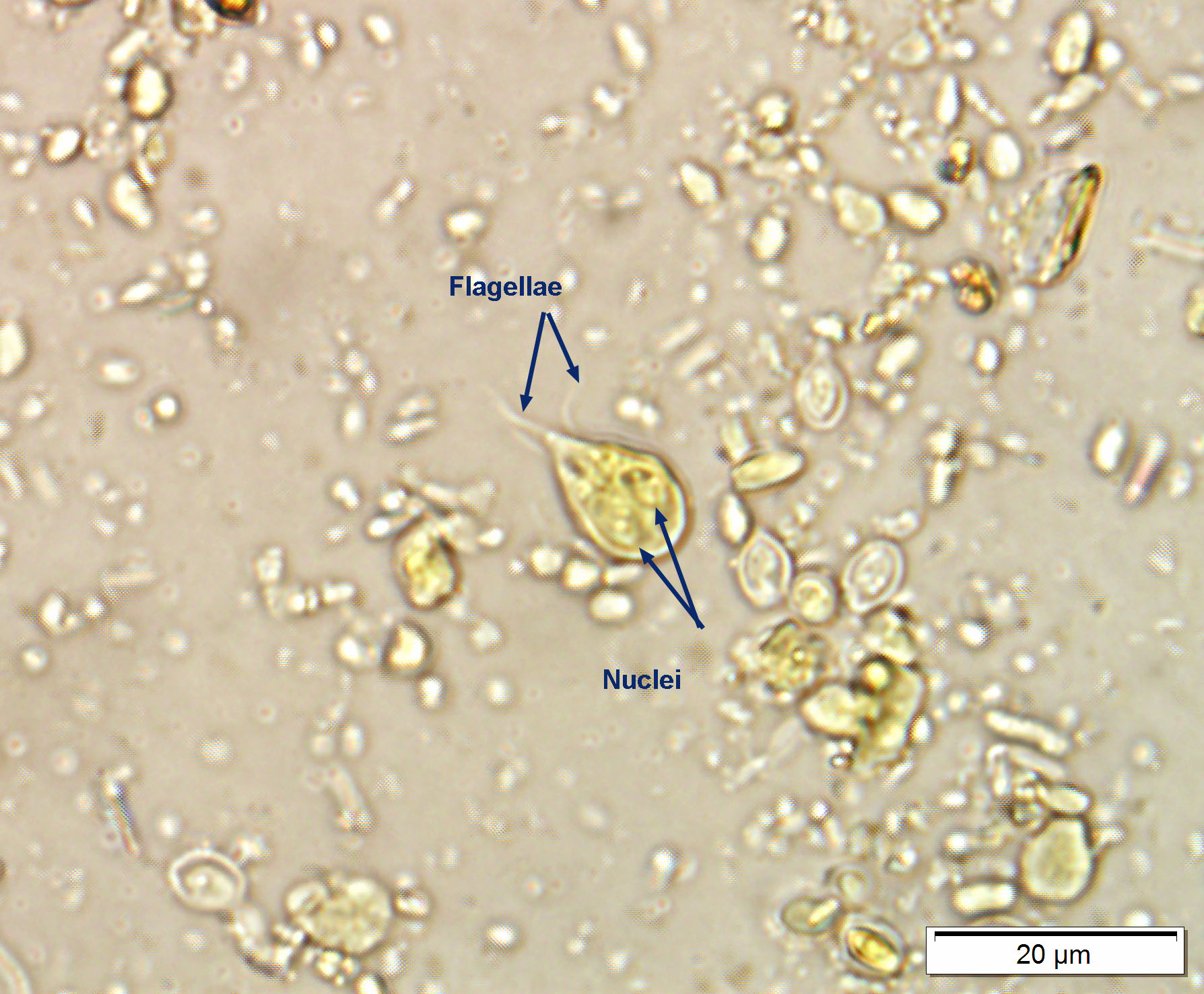
Giardia is a microscopic parasite that can cause an intestinal infection in dogs, leading to symptoms ranging from mild digestive upset to severe, chronic diarrhea. While often discussed in terms of veterinary medicine and animal welfare, understanding canine Giardia from a financial lens is crucial for every pet owner. This common affliction can lead to significant unexpected expenses, underscoring the importance of preventative measures, prompt diagnosis, and strategic financial planning for your pet’s health.
This article delves into the various financial implications of canine Giardia, from the immediate costs of diagnosis and treatment to the long-term financial strategies that can mitigate its economic burden. By shifting our focus from purely clinical to comprehensive financial foresight, pet owners can better prepare for and manage the potential monetary challenges presented by this widespread parasitic threat.

The Hidden Costs of a Common Canine Parasite
Giardia infection in dogs, medically known as giardiasis, might seem like a straightforward health concern, but its financial ramifications can accumulate rapidly. For many pet owners, the initial signs – a change in stool consistency, lethargy, or decreased appetite – often lead to an urgent trip to the veterinarian, triggering a cascade of expenses that can quickly become substantial. Understanding where these costs arise is the first step in managing them.
Initial Diagnosis and Veterinary Consultations
The journey to diagnosing Giardia typically begins with a veterinary consultation. This initial visit carries a standard fee, which can vary widely based on location, clinic type (emergency vs. regular), and the time of day. During this consultation, the veterinarian will assess the dog’s symptoms, medical history, and may recommend diagnostic tests.
The primary diagnostic tool for Giardia is a fecal test. This isn’t just a single test; it often involves a combination of direct smear, fecal flotation, and antigen tests (such as ELISA, Enzyme-Linked Immunosorbent Assay). These tests aim to detect Giardia cysts or trophozoites in the stool sample. Each test incurs its own fee, with antigen tests generally being more expensive but also more sensitive and specific. A single fecal sample might undergo multiple analyses to confirm the presence of the parasite and rule out other causes of gastrointestinal distress. In some complex cases, particularly if initial tests are inconclusive or symptoms persist, repeat testing may be necessary, adding further to the diagnostic bill. These initial costs, encompassing the consultation and diagnostic tests, can easily range from $100 to several hundred dollars before any treatment has even begun.
Medication and Treatment Protocols
Once Giardia is diagnosed, treatment protocols typically involve specific medications designed to eradicate the parasite. The most commonly prescribed drugs are fenbendazole (often marketed as Panacur) and metronidazole. These medications are usually administered for several days to weeks, depending on the severity of the infection and the veterinarian’s prescribed course.
The cost of these medications varies by dosage, duration, and the dog’s weight. Larger dogs require higher doses and more medication, naturally leading to higher costs. Metronidazole, while effective, can sometimes cause side effects, necessitating additional supportive care or a change in medication, which can introduce new expenses. Furthermore, some veterinarians might recommend a combination of drugs or alternative therapies in persistent cases, further inflating the medication budget.
Beyond direct antiparasitic drugs, dogs suffering from severe Giardia may require supportive care. This can include anti-diarrheal medications, probiotics to help restore gut health, fluids for dehydration (especially if the dog is vomiting or has severe diarrhea), and special prescription diets to soothe the digestive system. Each of these supportive measures adds to the overall treatment cost, transforming what might seem like a simple parasite treatment into a multi-faceted expense that can quickly exceed initial expectations. Owners might find themselves spending anywhere from $50 to $300+ on medications and supportive care alone, depending on the specifics of the case.
Follow-up Care and Eradication Efforts
The treatment of Giardia is not always a one-and-done scenario. Eradicating the parasite completely from both the dog and its environment can be challenging, often requiring follow-up care and meticulous sanitation efforts, all of which have financial implications.
After the initial course of medication, veterinarians typically recommend a follow-up fecal test, usually 1-2 weeks post-treatment, to ensure the parasite has been successfully eliminated. If the tests still show positive results, another round of medication, possibly with a different drug or combination, might be necessary, restarting the cycle of medication costs. These follow-up tests are essential but add another layer of expense, similar to the initial diagnostic fees.
Moreover, Giardia cysts are highly resilient and can survive for extended periods in contaminated environments, posing a risk of re-infection. This necessitates thorough environmental decontamination. Owners may need to invest in disinfectants suitable for kennels, crates, and outdoor areas where the dog frequents. Frequent bathing of the dog, especially around the hindquarters, is also crucial to remove cysts from its fur, potentially requiring specialized shampoos or professional grooming services. For multi-pet households, the risk of Giardia spreading to other animals is high, meaning diagnostic testing and potential treatment for all pets might be required, multiplying the financial burden significantly. This comprehensive approach to eradication, encompassing repeat vet visits, testing, environmental cleaning supplies, and potential treatment for other pets, can extend the financial impact well beyond the active treatment phase, often reaching hundreds of dollars in cumulative costs.
Beyond Treatment: Long-Term Financial Implications
The financial shadow of canine Giardia extends beyond the immediate costs of diagnosis and treatment. Smart pet owners understand that prevention, proactive management, and strategic financial tools like pet insurance play a critical role in mitigating the long-term economic impact of such common health issues.
Preventative Measures: An Investment, Not an Expense
While not a vaccine-preventable disease, Giardia can largely be avoided through diligent preventative measures. Viewing these measures as an investment rather than an expense can save pet owners significant money down the line. Cleanliness is paramount. This involves ensuring your dog has access to clean, fresh drinking water and preventing them from drinking from puddles, ponds, or other potentially contaminated outdoor water sources. Investing in a portable water bottle for your dog during walks or hikes is a small cost that can prevent exposure.
Regular sanitation of food and water bowls, as well as cleaning dog beds and toys, helps minimize the risk of exposure to Giardia cysts. While these actions don’t always have a direct monetary cost, they represent an investment of time and effort that reduces the likelihood of costly veterinary visits. Furthermore, regular deworming protocols, though Giardia isn’t a “worm,” often include medications like fenbendazole which can incidentally treat Giardia, making a comprehensive parasite control plan a wise financial move. The cost of a few dollars for clean water and diligent hygiene pales in comparison to hundreds or thousands of dollars in treatment and follow-up care.
Managing Contamination Risks and Household Costs
Giardia is not only a health risk for your dog but also a potential contamination risk for your home environment and, in rare instances, for humans (though species-specific Giardia strains make human infection from dogs uncommon, it’s not impossible). Managing this risk effectively has its own set of financial implications.
If a dog is diagnosed with Giardia, thorough disinfection of the home becomes critical to prevent re-infection or transmission to other pets. This includes cleaning and sanitizing all surfaces, carpets, bedding, and outdoor areas. Pet owners may need to purchase specialized disinfectants that are effective against Giardia cysts (such as bleach solutions or quaternary ammonium compounds), which can add to household expenses. Professional carpet cleaning or steam cleaning services might be necessary for upholstered furniture and carpets to ensure complete eradication, representing a significant one-time cost.
For multi-pet households, the risk and associated costs multiply. Even if only one dog shows symptoms, all pets in the household might need to be tested and potentially treated to prevent a continuous cycle of infection, further escalating veterinary bills and medication costs. The long-term vigilance required to keep the environment free of Giardia – including careful waste disposal and restricting access to contaminated areas – may not have direct dollar amounts, but it represents an ongoing commitment of resources that impacts a household’s overall financial flow.
Pet Insurance: A Safety Net Against Unexpected Health Crises

One of the most effective long-term financial strategies for managing canine health issues, including Giardia, is investing in pet insurance. While not a direct solution to the parasite itself, pet insurance acts as a crucial financial safety net, significantly mitigating the out-of-pocket costs associated with unexpected illnesses and accidents.
Pet insurance policies typically cover a percentage (e.g., 70-90%) of eligible veterinary expenses after a deductible has been met. This can include costs for diagnostic tests, veterinary consultations, medications, and follow-up care for conditions like Giardia. For an acute case of Giardia that could cost hundreds or even over a thousand dollars in total, a good insurance plan can drastically reduce the owner’s financial burden. For instance, if a pet owner faces a $700 bill for Giardia treatment and has a policy with a $250 deductible and 80% reimbursement, they would pay the deductible and then 20% of the remaining $450 ($90), leading to a total out-of-pocket cost of $340 instead of $700.
While pet insurance premiums are a recurring monthly or annual expense, they offer peace of mind and financial predictability. When considering a policy, it’s important to review what is covered, deductibles, reimbursement percentages, and any waiting periods or exclusions. For conditions like Giardia, which can be recurrent or require extensive treatment, having insurance can mean the difference between providing optimal care without financial stress and making difficult decisions based on budget constraints. It transforms an unpredictable health expense into a more manageable, budgeted cost.
Budgeting for Canine Health: Proactive Financial Planning
Effective financial management for pet ownership goes beyond simply reacting to health crises. Proactive budgeting and establishing dedicated funds for canine health are essential components of responsible pet ownership, helping owners navigate common issues like Giardia without undue financial strain.
Estimating Annual Pet Healthcare Costs
A fundamental step in proactive financial planning is to estimate annual pet healthcare costs. This involves considering routine expenses such as annual check-ups, vaccinations, parasite prevention (fleas, ticks, heartworm), and dental care. While Giardia is not a routine annual expense, it falls into the category of “potential illness” costs that should be factored into a comprehensive budget.
By researching average veterinary costs in your area for common procedures and treatments, you can create a realistic baseline. For instance, knowing that a typical vet visit might cost $60-$100 and diagnostic tests for common ailments could range from $50-$200 helps in setting aside a flexible portion of your budget for unforeseen health issues. This proactive approach ensures that when issues like Giardia arise, the funds are already mentally (and ideally, physically) accounted for, reducing the stress of an unexpected bill. Building an estimated annual budget of $500-$1000 for routine and potential non-routine care, depending on the pet’s age and health status, is a prudent financial practice.
Emergency Funds for Unforeseen Illnesses
Beyond general budgeting, establishing a dedicated emergency fund specifically for pet health crises is a highly recommended financial strategy. This fund acts as a buffer for significant, unexpected veterinary expenses that can arise from accidents, sudden illnesses, or chronic conditions that emerge. Giardia, especially if severe or recurrent, can quickly deplete an unprepared owner’s finances, making an emergency fund invaluable.
The recommended size of a pet emergency fund can vary, but experts often suggest having at least $1,000 to $3,000 readily available. This amount can cover initial consultations, diagnostic tests, medications, and potentially even emergency procedures for a range of conditions. Even with pet insurance, an emergency fund is crucial for covering deductibles, co-pays, or expenses for treatments that might not be fully covered. This financial cushion prevents owners from having to make agonizing choices between their pet’s health and their financial stability, ensuring that immediate, effective care can be provided without hesitation.
The Economic Value of Prevention and Early Detection
From a financial standpoint, the adage “an ounce of prevention is worth a pound of cure” holds immense value when it comes to canine health. Investing in preventative care and being vigilant about early detection of illnesses like Giardia not only benefits your dog’s well-being but also offers substantial economic savings.
Preventative measures, such as ensuring access to clean water, regular waste removal, and general hygiene, are low-cost efforts that drastically reduce the risk of Giardia infection. The small cost of maintaining a clean environment and ensuring your dog avoids contaminated sources is negligible compared to the hundreds or thousands of dollars required for treating an active infection. Similarly, paying close attention to changes in your dog’s behavior, appetite, or stool consistency allows for early detection of potential problems. Catching Giardia in its early stages often means less severe symptoms, a simpler treatment protocol, and consequently, lower veterinary bills. Waiting until symptoms become severe or chronic can lead to more complex diagnostics, prolonged treatment, and higher overall costs. Therefore, investing time and a modest amount of money in prevention and maintaining regular veterinary check-ups represents a highly effective financial strategy, minimizing the economic impact of conditions like Giardia in the long run.
Navigating the Financial Landscape of Giardia Treatment
Even with the best preventative measures and financial planning, a dog may still contract Giardia. When faced with an active infection, understanding how to navigate the financial landscape of treatment can help owners manage costs effectively without compromising their pet’s care.
Comparing Veterinary Service Costs
Veterinary costs can vary significantly from one clinic to another, even within the same geographic area. When your dog is diagnosed with Giardia, and provided it’s not an emergency, taking a moment to compare service costs can yield considerable savings. Different clinics may have varying fees for consultations, diagnostic tests (e.g., fecal exams), and medications.
Some clinics might offer package deals for diagnostic work-ups, while others might price each test individually. Prescription medication costs can also differ, with some clinics marking up drugs more than others. In some cases, veterinarians may be open to writing a prescription that can be filled at an online pet pharmacy or a human pharmacy, which can sometimes offer lower prices for generic medications like metronidazole. Calling around to a few local veterinary practices to inquire about the cost of a Giardia diagnosis and treatment plan can provide valuable insights and potentially save hundreds of dollars. Transparency about pricing is becoming more common in veterinary medicine, making it easier for pet owners to make informed financial decisions.
Leveraging Manufacturer Rebates and Discount Programs
Beyond comparing clinic prices, pet owners should also be aware of potential manufacturer rebates and discount programs for medications and pet products. Pharmaceutical companies occasionally offer rebates on prescription medications, especially for longer courses of treatment or newer drugs. While less common for the standard Giardia treatments like fenbendazole or metronidazole, it’s always worth asking your veterinarian or pharmacy if any such programs are available.
Furthermore, many pet product retailers and online pharmacies offer loyalty programs, discounts for first-time buyers, or subscription services that can reduce the cost of ongoing supplies, including specialized diets or probiotics that might be recommended for dogs recovering from Giardia. Some pet food manufacturers also provide financial assistance or discounts for prescription diets required during recovery. Inquiring about these options at your vet’s office, directly with manufacturers, or by exploring reputable online pet supply retailers can help alleviate some of the financial pressure associated with Giardia treatment and post-treatment care.
The Role of Non-Profit Assistance and Community Resources
For pet owners facing severe financial hardship, non-profit organizations and community resources can play a vital role in ensuring their dog receives necessary Giardia treatment. Many animal welfare organizations and charities operate programs designed to assist low-income pet owners with veterinary expenses.
These programs often have specific eligibility criteria, but they can provide grants or subsidies for veterinary care, including diagnostics, medications, and emergency treatments. Examples include organizations focused on specific diseases, local humane societies, or national animal welfare groups that have funds dedicated to helping pets whose owners cannot afford care. Additionally, some veterinary schools run clinics that offer reduced-cost services as part of their educational mission. Exploring these options requires research and communication with local animal shelters, rescue groups, or directly with veterinary clinics, who are often aware of available resources. While not a first-line financial strategy, these community-based programs serve as an invaluable safety net, embodying the principle that every pet deserves access to essential healthcare, regardless of their owner’s economic circumstances.
In conclusion, understanding “what is canine Giardia” extends far beyond its biological definition; it encompasses a complex web of financial considerations for pet owners. From the immediate costs of veterinary care to the long-term investments in prevention and financial planning, addressing Giardia effectively requires a strategic approach to money management. By proactively budgeting, utilizing financial tools like pet insurance, and navigating treatment options wisely, pet owners can safeguard both their dog’s health and their financial well-being against this prevalent parasitic challenge.
aViewFromTheCave is a participant in the Amazon Services LLC Associates Program, an affiliate advertising program designed to provide a means for sites to earn advertising fees by advertising and linking to Amazon.com. Amazon, the Amazon logo, AmazonSupply, and the AmazonSupply logo are trademarks of Amazon.com, Inc. or its affiliates. As an Amazon Associate we earn affiliate commissions from qualifying purchases.