
In the intricate world of finance and business, accurate record-keeping isn’t merely a best practice; it’s the bedrock upon which trust, transparency, and strategic decision-making are built. Among the myriad tools and processes designed to uphold this principle, the “blotter” stands out as a fundamental, though often unsung, hero. Far from being a mere archaic ledger, the financial blotter, in its various modern iterations, remains an indispensable instrument for individuals, businesses, and regulatory bodies alike. Understanding what a blotter is, its evolution, and its critical functions is paramount for anyone navigating the complexities of financial management.

At its core, a financial blotter is a contemporaneous record of daily transactions. It’s a detailed, chronological log that captures every financial activity as it happens, providing an immutable timeline of events. While the term might conjure images of pen-and-paper entries from a bygone era, the spirit and purpose of the blotter have seamlessly transitioned into the digital age, manifesting as sophisticated software solutions that power today’s financial ecosystem. This article delves into the essence of the financial blotter, exploring its foundational role, its indispensability across various sectors, its transformation from manual to digital, and the best practices for leveraging it for optimal financial health.
The Foundational Role of a Financial Blotter
To truly appreciate the significance of a blotter, one must first grasp its fundamental definition and the principles that underpin its operation. It’s more than just a historical account; it’s a living document that informs and empowers financial operations.
Defining the Financial Blotter: More Than Just a Log
In finance, a blotter is an original, sequential record of transactions. Unlike summary reports or financial statements, which aggregate data, the blotter captures the raw, granular detail of each event as it occurs. This typically includes the date, time, type of transaction, parties involved, asset or service exchanged, quantity, price, and any associated fees or commissions. Its primary characteristic is its immediacy and completeness – nothing financial should happen without being logged on the blotter. This level of detail makes it an invaluable audit trail, capable of reconstructing events with precision and clarity. For a stockbroker, it records every buy and sell order executed. For an accounting department, it documents every daily journal entry. It is the initial, comprehensive data capture point from which all subsequent financial analysis and reporting flow.
Historical Roots and Evolution: From Ledgers to Digital Systems
The concept of a blotter dates back centuries, evolving from the simple ledgers used by merchants and traders to track their daily dealings. Before widespread automation, clerks meticulously hand-wrote entries, often in large, bound books, ensuring every sale, purchase, or exchange was recorded. These manual blotters were the ultimate source of truth, laboriously balanced and cross-referenced. The term “blotter” itself likely refers to the absorbent paper used to prevent ink from smudging, highlighting the manual, immediate nature of these early records.
The advent of computing technology ushered in a new era for the blotter. Initial transformations involved simple spreadsheets, which offered speed and basic calculation capabilities. Today, blotters are often integrated components of sophisticated enterprise resource planning (ERP) systems, customer relationship management (CRM) platforms, and specialized financial trading software. While the medium has changed dramatically, the core principle remains: a robust, chronological record of every financial interaction. This evolution underscores the enduring need for accurate, real-time data capture, adapting to ever-increasing transaction volumes and complexities.
Core Principles of Blotter Management: Accuracy, Timeliness, Completeness
Effective blotter management hinges on three critical principles:
-
Accuracy: Every piece of information recorded must be correct and free from error. Inaccurate blotter entries can lead to reconciliation issues, misinformed decisions, and severe compliance penalties. Validation checks and dual-entry systems are often employed to ensure data integrity.
-
Timeliness: Transactions must be recorded promptly, ideally in real-time or as close to the moment of occurrence as possible. Delays in recording can lead to missed opportunities, misrepresentation of financial positions, and difficulties in meeting regulatory reporting deadlines.
-
Completeness: The blotter must capture all relevant details for every transaction. Omissions can render the record incomplete and therefore less useful for auditing, compliance, or analysis. It’s not just about recording that a transaction happened, but how, when, who, and for how much. Adherence to these principles ensures the blotter remains a reliable and powerful financial tool.
Why a Blotter is Indispensable for Businesses and Investors
The value of a meticulously maintained financial blotter extends far beyond mere record-keeping. It serves as a vital tool for ensuring financial health, meeting regulatory obligations, and informing strategic choices across various financial landscapes.
Ensuring Accuracy and Reconciliation: Preventing Errors, Facilitating Audits
One of the primary benefits of a blotter is its role in maintaining accuracy across all financial records. By providing a detailed, chronological log, it allows businesses and investors to cross-reference transactions with other internal systems (like bank statements, settlement reports, or portfolio valuations). This facilitates reconciliation, quickly highlighting discrepancies or errors that might otherwise go unnoticed. During internal or external audits, the blotter serves as a fundamental evidentiary document, enabling auditors to trace transactions from their inception to their final resolution, verifying the integrity of financial statements and operational processes. Without a robust blotter, reconstructing transaction histories for audit purposes would be incredibly challenging, if not impossible.
Compliance and Regulatory Requirements: Meeting Legal Obligations
For many financial institutions and regulated industries, maintaining a blotter isn’t just good practice; it’s a legal and regulatory mandate. Bodies like the Financial Industry Regulatory Authority (FINRA) in the U.S. and similar global regulators require firms to keep detailed, accurate, and readily accessible records of all transactions for specific periods. These regulations are designed to protect investors, prevent market manipulation, and ensure transparency. A well-managed blotter is the first line of defense against non-compliance, providing the necessary data for regulatory reporting, surveillance, and investigations. Failure to maintain adequate blotter records can result in hefty fines, sanctions, and reputational damage.
Strategic Decision-Making and Performance Analysis: Leveraging Data for Insights
Beyond compliance and error prevention, the data captured in a blotter is a goldmine for strategic analysis. By aggregating and analyzing blotter data, businesses can gain deep insights into their operational efficiency, client behavior, revenue streams, and risk exposure. For a trading firm, blotter data can reveal patterns in trading volume, execution quality, and profitability by asset class or trader. For a retail business, it can identify peak sales times, popular products, and customer purchasing habits. This granular data allows management to make informed decisions regarding resource allocation, market strategy, product development, and risk management, transforming raw transactional data into actionable intelligence that drives growth and mitigates potential pitfalls.
Fraud Prevention and Security: A Robust Audit Trail
In an age where financial fraud and cyber threats are ever-present, the blotter acts as a critical security component. Its chronological and immutable nature creates a powerful audit trail. Any unauthorized or anomalous transaction recorded on the blotter immediately stands out against the backdrop of legitimate activities. By cross-referencing blotter entries with system logs, user access records, and other security data, forensic analysts can quickly identify suspicious patterns, trace the origin of fraudulent activities, and implement preventative measures. This comprehensive record-keeping enhances financial security, safeguarding assets and ensuring accountability within an organization.
Types of Financial Blotters and Their Applications
While the core concept remains consistent, blotters manifest in various forms and serve specialized functions across different financial domains. Understanding these distinctions helps appreciate the versatility and adaptability of this essential tool.

Sales and Trading Blotters: For Brokers, Investment Firms
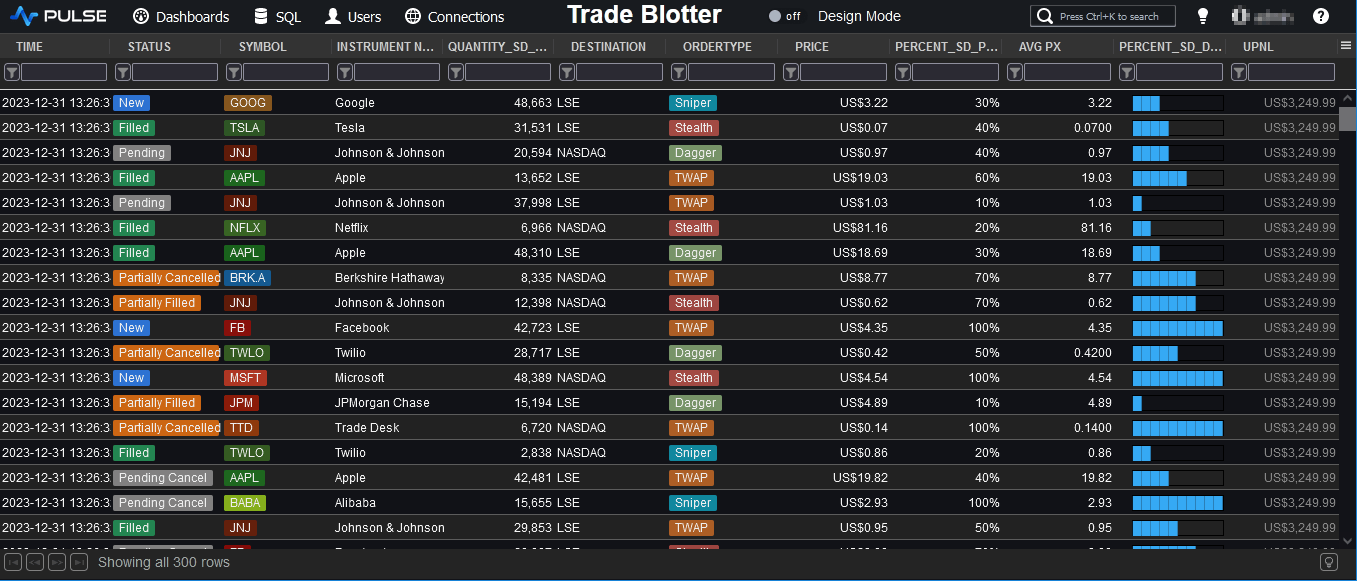
Perhaps the most recognized application of a blotter is within sales and trading operations, particularly in brokerage houses and investment firms. A trading blotter meticulously records every order placed, modified, or executed by a broker or trader. This includes details such as the time of order entry, order type (e.g., market, limit), asset identifier (stock ticker, bond ISIN), quantity, price, client identification, and the time of execution. For highly liquid markets with rapid trading activity, these blotters capture data in milliseconds. They are crucial for trade reconciliation, performance attribution, and demonstrating best execution practices, which are regulatory requirements aimed at ensuring clients receive the most favorable terms available.
Accounting and General Ledger Blotters: Daily Financial Activities
In the broader context of accounting, a blotter often refers to the initial entry point for daily financial activities that will eventually feed into the general ledger. This could be a cash blotter recording all incoming and outgoing cash transactions, a purchase blotter documenting all supplier invoices, or a sales blotter logging all customer invoices. These blotters serve as primary journals, where individual financial events are first recorded before being summarized and posted to the relevant accounts in the general ledger. They ensure that all financial events, no matter how small, are systematically captured, forming the basis for comprehensive financial statements like the income statement and balance sheet.
Specialized Industry Blotters: Real Estate, Manufacturing, etc.
The principle of a blotter extends to virtually any industry where precise transactional record-keeping is vital.
-
Real Estate: A real estate blotter might track property listings, viewings, offers, contracts, and sales completions, including all associated fees and commissions.
-
Manufacturing: In manufacturing, a production blotter could record raw material inputs, work-in-progress stages, finished goods output, and quality control checks, often linking directly to inventory management and cost accounting.
-
Logistics: A logistics blotter might track every shipment, its origin, destination, contents, carrier, and delivery status, critical for supply chain visibility and customer service.
The common thread is the need for an accurate, chronological record of specific operational and financial events unique to that industry.
Personal Finance Blotters (Conceptual): Applying Principles to Individual Money Management
While individuals rarely use the term “blotter” for their personal finances, the underlying principles are highly applicable. A budget spreadsheet, a transaction log within a personal finance app, or even a meticulously kept checkbook register all serve as personal finance blotters. They record income, expenses, investments, and debts in a chronological fashion, allowing individuals to track their spending, manage their budget, monitor their investments, and ultimately achieve their financial goals. The conceptual personal finance blotter helps individuals gain control over their money by providing a clear, detailed picture of their financial inflows and outflows.
From Manual Entries to Digital Transformation: The Modern Blotter
The evolution from manual record-keeping to sophisticated digital systems represents one of the most significant advancements in blotter management, addressing past limitations and opening new frontiers for efficiency and insight.
The Limitations of Manual Blotters: Time-Consuming, Prone to Errors
Manual blotters, while foundational, were inherently limited. They were incredibly time-consuming to maintain, requiring significant human effort for every entry, calculation, and reconciliation. This labor-intensive process made them prone to human error—miskeyed numbers, forgotten entries, or incorrect calculations could propagate through the system, leading to widespread inaccuracies. Furthermore, manual systems lacked scalability; as transaction volumes grew, the ability to keep pace diminished rapidly, making real-time insights impossible and audits a monumental task. Data analysis was cumbersome, often requiring further manual collation and calculation, severely limiting the strategic value that could be extracted from the raw data.
Emergence of Digital Blotter Systems: Spreadsheets, Accounting Software, ERPs
The digital revolution transformed the blotter. Initial steps involved basic spreadsheet software (like Microsoft Excel), which allowed for faster entry, automated calculations, and easier data sorting. This quickly evolved into dedicated accounting software packages (e.g., QuickBooks, Xero), which provided structured frameworks for recording general ledger entries, sales, and purchases, complete with reporting capabilities. For larger enterprises, comprehensive Enterprise Resource Planning (ERP) systems (e.g., SAP, Oracle) emerged, integrating financial blotter functions with other critical business processes like inventory management, human resources, and supply chain logistics, creating a unified data environment. Specialized trading platforms also developed built-in blotter functionalities designed for high-frequency transaction recording and regulatory compliance in capital markets.
Key Features of Modern Blotter Technology: Automation, Real-Time Updates, Integration
Modern blotter systems boast a suite of features that dramatically enhance their utility:
-
Automation: Many systems can automatically capture transactions directly from banking platforms, payment gateways, or trading venues, significantly reducing manual input and the risk of error.
-
Real-time Updates: Transactions are often recorded and reflected in the system instantaneously, providing up-to-the-minute financial positions and facilitating immediate decision-making.
-
Integration: Digital blotters seamlessly integrate with other financial tools (e.g., portfolio management systems, risk management software) and broader business applications (e.g., CRM, inventory). This creates a holistic view of operations and finances, eliminating data silos.
-
Reporting and Analytics: Advanced reporting features allow users to generate custom reports, dashboards, and visualizations directly from blotter data, offering deep insights into performance, trends, and compliance metrics.
-
Security and Audit Trails: Digital systems incorporate robust security measures, including user access controls, encryption, and immutable audit trails, ensuring data integrity and preventing unauthorized alterations.
Choosing the Right Blotter Solution: Scalability, Industry Fit, Cost, User-Friendliness
Selecting the appropriate blotter solution is a critical strategic decision. Key considerations include:
-
Scalability: Does the system have the capacity to grow with your business and handle increasing transaction volumes without performance degradation?
-
Industry Fit: Does the solution cater to the specific regulatory and operational nuances of your industry (e.g., financial services, retail, manufacturing)?
-
Cost: Evaluate not just the initial purchase price, but also ongoing subscription fees, maintenance, customization costs, and potential training expenses.
-
User-Friendliness: An intuitive interface and ease of use are crucial for adoption and minimizing training time and errors.
-
Integration Capabilities: Ensure it can connect seamlessly with your existing technology stack.
-
Vendor Support and Reputation: Reliable customer support and a strong track record are vital for long-term success.
Best Practices for Effective Blotter Management
To fully harness the power of a financial blotter, organizations must adopt best practices that go beyond simply installing software. These practices ensure data integrity, maximize utility, and foster a culture of financial diligence.
Implementing Robust Internal Controls: Segregation of Duties, Review Processes
Strong internal controls are paramount. This includes segregation of duties, where different individuals are responsible for initiating transactions, recording them on the blotter, and reconciling the accounts. This reduces the risk of fraud and errors. Regular review processes are also essential, with supervisors or independent parties routinely checking blotter entries for accuracy, completeness, and adherence to company policies. Automated alerts for unusual transactions can also be built into modern systems. These controls create checks and balances that bolster the reliability of the blotter.
Data Integrity and Backup Strategies: Ensuring Data Safety and Recoverability
The value of a blotter lies in its data. Therefore, ensuring data integrity through validation rules (e.g., preventing duplicate entries, ensuring correct data types) is crucial. Equally important are comprehensive backup strategies. Digital blotter data should be regularly backed up to secure, offsite locations, with robust disaster recovery plans in place. This protects against data loss due to hardware failure, cyberattacks, or other unforeseen events, ensuring business continuity and compliance with data retention regulations.
Regular Training and Continuous Improvement: Keeping Staff Updated
Even the most sophisticated blotter system is only as effective as the people using it. Regular and thorough training for all staff involved in transaction recording and blotter management is vital. This ensures they understand the system’s functionalities, company policies, and relevant regulatory requirements. Furthermore, a culture of continuous improvement should be fostered, where processes are regularly reviewed, feedback is incorporated, and systems are updated to adapt to evolving business needs and technological advancements.
Leveraging Analytics for Deeper Insights: Turning Data into Actionable Intelligence
The modern blotter is a rich source of raw data. The final best practice is to move beyond mere record-keeping and actively leverage analytics to extract deeper insights. Employing business intelligence tools, data visualization techniques, and even machine learning can transform blotter data into actionable intelligence. This could involve identifying trading patterns, predicting cash flow shortages, detecting anomalies that signal potential fraud, or optimizing operational efficiency. By turning data into knowledge, organizations can derive maximum strategic value from their blotter investments.
In conclusion, the financial blotter, whether a physical ledger or a cutting-edge digital platform, remains an indispensable component of sound financial management. Its enduring role as a primary, chronological record of transactions underpins accuracy, ensures regulatory compliance, empowers strategic decision-making, and fortifies security. As businesses and financial markets continue to evolve at an unprecedented pace, the fundamental principles of blotter management will remain constant, serving as the trusted backbone for navigating the complexities of the monetary world.
aViewFromTheCave is a participant in the Amazon Services LLC Associates Program, an affiliate advertising program designed to provide a means for sites to earn advertising fees by advertising and linking to Amazon.com. Amazon, the Amazon logo, AmazonSupply, and the AmazonSupply logo are trademarks of Amazon.com, Inc. or its affiliates. As an Amazon Associate we earn affiliate commissions from qualifying purchases.