
In the vast landscape of global culinary ingredients, few items possess the deeply ingrained cultural significance and distinct market identity of atta flour. Often perceived merely as a commodity, atta flour, the whole wheat flour central to South Asian cooking, in fact, embodies a rich brand narrative. Its journey from ancient milling techniques to modern supermarket shelves reveals fascinating insights into how a fundamental ingredient can cultivate a robust identity, differentiate itself in a competitive market, and resonate deeply with diverse consumer segments. This article delves into the essence of atta flour, exploring its intrinsic qualities as foundational brand pillars and examining the strategic approaches employed to build and sustain its presence as more than just a pantry staple.

The Core Product: Defining Atta Flour’s Intrinsic Brand Pillars
Before one can discuss the branding of atta flour, it is crucial to understand what it is at its core. Atta flour isn’t just “flour”; it’s a specific type of whole wheat flour, meticulously processed to achieve particular culinary characteristics. These inherent attributes form the bedrock of its brand identity, serving as unspoken promises to the consumer.
Authenticity and Heritage: Atta Flour’s Cultural Roots
At the heart of atta flour’s brand identity lies its profound authenticity and rich heritage. Originating from the Indian subcontinent, atta has been the cornerstone of daily meals for millennia. It is the flour of choice for making unleavened flatbreads like roti, chapati, paratha, and puri, integral to the diets and cultural practices of millions across India, Pakistan, Bangladesh, and beyond. This deep-seated connection to tradition and a specific culinary legacy imbues atta flour with an intrinsic “brand story” that evokes warmth, home, and ancestral cooking. Consumers often associate it with wholesome, traditional meals prepared with love and care, an emotional link that few other flours can claim. For many, choosing atta is not just selecting an ingredient; it is upholding a tradition, a connection to their roots, and a taste of home. This authenticity is a powerful, intangible brand asset that major producers leverage to differentiate their products.
Nutritional Profile: A Health-Conscious Brand Appeal
Beyond its cultural significance, atta flour’s inherent nutritional profile serves as a compelling brand pillar, particularly in an era of increasing health consciousness. Unlike refined white flour, atta is a whole wheat flour, meaning it retains the bran, germ, and endosperm of the wheat kernel. This ensures it is rich in dietary fiber, B vitamins, iron, magnesium, and other essential nutrients. Its high fiber content contributes to better digestion, sustained energy release, and a lower glycemic index compared to many other flours. This natural health halo is a significant selling point, allowing brands to position atta flour not just as a traditional ingredient but also as a choice for a healthier lifestyle. Marketing efforts often highlight these nutritional benefits, appealing to a broader demographic interested in wellness and whole foods, thereby expanding its brand appeal beyond its traditional consumer base.
Distinctive Texture and Workability: The Culinary Brand Promise
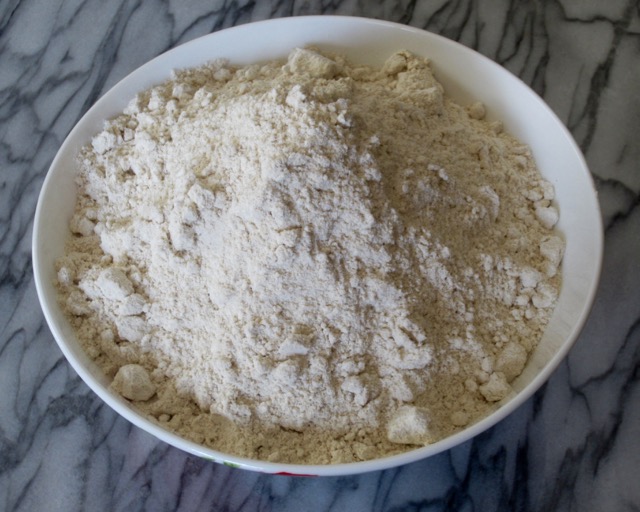
The unique textural and workability properties of atta flour are central to its culinary brand promise. The way atta flour is milled—often stone-ground—results in a slightly coarse, gritty texture that is distinct from finely milled all-purpose flour. This specific grind, combined with its protein content, gives dough made from atta flour a unique elasticity and extensibility, making it ideal for rolling out thin, pliable flatbreads. Upon cooking, these flatbreads achieve a soft, chewy texture with a characteristic earthy aroma and subtle nutty flavor. The ability to consistently produce these desired results is a functional brand benefit. For home cooks and professional chefs alike, the reliability of atta flour to deliver perfectly puffed chapatis or flaky parathas is a testament to its quality and distinct identity. Brands that consistently provide flour that performs well in these traditional preparations build immense trust and loyalty among their target audience.
Cultivating Brand Recognition in a Commodity Market
While atta flour possesses strong inherent qualities, operating within what is often perceived as a commodity market presents unique branding challenges. Manufacturers must actively work to differentiate their products and build distinct brand recognition in a sea of similar offerings.
Differentiation Through Sourcing and Processing
In a market where the core product seems uniform, brands strategically differentiate themselves through their sourcing and processing methods. Some brands emphasize specific wheat varieties known for superior protein content or flavor profiles, similar to how coffee brands highlight single-origin beans. Others champion traditional stone-grinding techniques (chakki-ground atta), promising a more authentic texture and flavor compared to industrial roller mills. Organic certification for wheat cultivation, or claims of being “100% whole wheat” without additives, also serve as powerful differentiators, appealing to premium segments. By highlighting these specific practices, brands craft a narrative of superior quality, purity, and adherence to tradition, justifying potentially higher price points and fostering brand loyalty among discerning consumers.
Packaging and Presentation: Visual Identity of Atta Flour
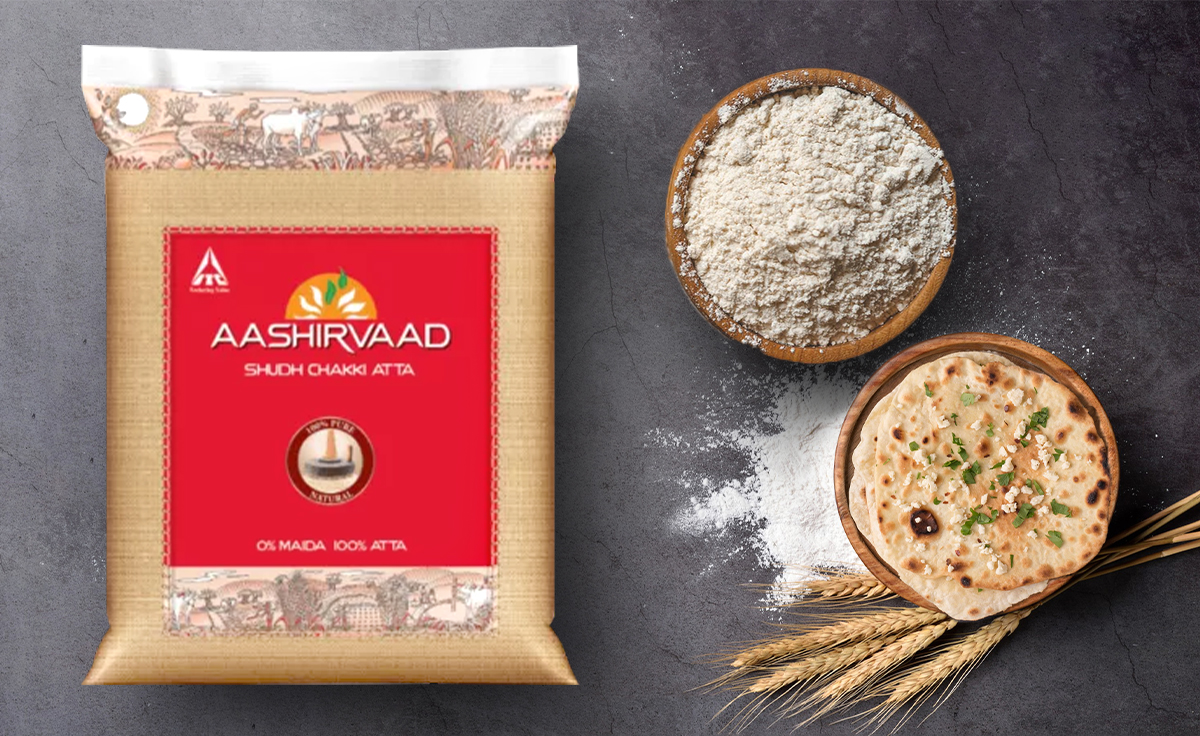
Packaging plays a critical role in establishing the visual identity of atta flour brands. Beyond its functional role of protection, packaging communicates brand values, quality, and heritage. Traditional designs might feature imagery of wheat fields, grinding stones, or family meals, reinforcing the themes of authenticity and tradition. Modern packaging might adopt cleaner lines, vibrant colors, and clear nutritional information to appeal to contemporary, health-conscious buyers. The choice of material, whether a simple bag or a more robust, resealable pouch, also contributes to the perception of quality and convenience. A well-designed package not only attracts attention on the shelf but also serves as a silent brand ambassador, conveying promises about the product within and helping consumers quickly identify their preferred brand.
Building Trust: Quality Control and Certification
Trust is paramount in the food industry, especially for a staple like atta flour. Brands build trust through rigorous quality control measures and various certifications. This includes ensuring consistent grain quality, meticulous cleaning processes, and standardized milling to maintain the desired texture and nutrient profile across batches. Certifications such as organic, non-GMO, or specific food safety standards (e.g., ISO, HACCP) provide external validation of a brand’s commitment to quality and ethical production. Transparent labeling about ingredients, allergens, and nutritional facts further empowers consumers and reinforces confidence. Brands that consistently deliver high-quality, safe, and reliable products cultivate a strong reputation, transforming repeat purchases into unwavering brand loyalty.
Marketing and Positioning Atta Flour Brands
Effective marketing and positioning strategies are essential for atta flour brands to thrive beyond being a mere necessity. These strategies aim to connect with diverse consumer segments and articulate the unique value proposition of each brand.
Targeting Consumer Segments: Tradition Meets Modernity
Atta flour brands skillfully target various consumer segments, bridging the gap between tradition and modernity. The core demographic remains those who grew up with atta flour as a dietary staple, for whom the marketing often reinforces themes of heritage, authenticity, and the comfort of homemade food. However, brands also reach out to newer segments: the health-conscious consumer seeking whole grain alternatives, culinary enthusiasts exploring diverse cuisines, and diasporic communities looking for products that remind them of home. This involves creating different product lines (e.g., organic atta, fortified atta, atta for specific dishes) and tailoring marketing messages to resonate with each group. For instance, a campaign for health-conscious individuals might emphasize fiber content and gut health, while one for busy families might highlight convenience and versatility.
Digital Storytelling: Engaging Audiences with Atta Flour’s Narrative
In the digital age, storytelling has become a powerful tool for engaging audiences. Atta flour brands increasingly leverage digital platforms to share their narrative. This includes creating compelling website content about their heritage, sourcing, and milling processes. Social media campaigns often feature tempting recipes, cooking tutorials, and user-generated content, encouraging consumers to share their atta-based creations. Collaborations with food bloggers, culinary influencers, and nutritionists help amplify brand messages and reach wider audiences. Through interactive content, online contests, and behind-the-scenes glimpses, brands transform atta flour from a simple ingredient into an experience, fostering a sense of community and deeper connection with their consumers.
Brand Extensions and Innovations: Beyond the Basic Flour Bag
Innovation in product development and brand extensions allows atta flour brands to capture new market share and cater to evolving consumer needs. This can involve introducing specialized atta flours (e.g., specific wheat varieties like durum wheat atta for pasta, or multi-grain atta blends for added nutrition). Beyond flour, some brands venture into producing ready-to-cook mixes for rotis, chapatis, or even baked goods like biscuits and bread, using their signature atta flour. Value-added products such as atta noodles or fortified atta with added vitamins and minerals also represent strategic brand extensions. These innovations not only generate new revenue streams but also reinforce the brand’s expertise and commitment to meeting diverse dietary preferences and convenience demands.
The Evolving Landscape of Atta Flour Branding
The market for atta flour is not static; it is continually shaped by global trends, changing consumer preferences, and increasing awareness about sustainability and health. Atta flour brands must adapt and evolve to maintain their relevance and competitive edge.
Global Expansion and Cultural Adaptation
As global migration patterns shift and culinary interests broaden, atta flour has expanded its presence far beyond its traditional geographical boundaries. This global expansion presents both opportunities and challenges for branding. Brands must adapt their marketing messages to resonate with non-traditional consumers, often educating them about the product’s uses and benefits. Packaging might need to incorporate multiple languages and culturally neutral imagery. In Western markets, atta flour might be positioned as a healthy whole-grain alternative for various baking needs, rather than solely for flatbreads. This cultural adaptation requires a nuanced understanding of local markets and a willingness to tailor branding strategies without diluting the core identity of the product.
Sustainability and Ethical Sourcing as Brand Values
A growing number of consumers are prioritizing sustainability and ethical sourcing when making purchasing decisions. Atta flour brands that integrate these values into their operations and branding stand to gain significant market advantage. This includes promoting environmentally friendly farming practices, ensuring fair wages for farmers, and minimizing their carbon footprint throughout the production and supply chain. Brands can highlight their commitment to eco-certifications, water conservation, or community development initiatives. Communicating these efforts transparently builds a powerful brand image of responsibility and aligns with the values of conscientious consumers, transforming ethical practices into a strong competitive differentiator.
Responding to Consumer Trends: Gluten-Free and Alternative Flours
The rise of gluten-free diets and the popularity of alternative flours (such as almond, oat, or rice flour) present a unique challenge and opportunity for atta flour brands. While atta flour is inherently gluten-containing, brands must strategically address these trends. This might involve educating consumers about the differences between gluten sensitivity and general health preferences, or reinforcing the specific benefits of whole wheat gluten for texture and nutrition in traditional preparations. Some brands might even diversify their product lines to include gluten-free alternatives under their main brand umbrella, catering to a wider audience while still upholding their core identity. The key lies in strategic communication and potentially broadening product portfolios to remain relevant in a dynamic food landscape.
In conclusion, atta flour is far more than a simple foodstuff; it is a product imbued with a profound brand identity shaped by centuries of cultural practice, intrinsic nutritional value, and unique culinary properties. Brands operating in this space continuously work to cultivate recognition, build trust, and differentiate themselves in a competitive market. By strategically leveraging its heritage, health benefits, and functional superiority, and by adapting to global trends and consumer demands, atta flour brands ensure that this foundational ingredient continues to nourish bodies, connect cultures, and hold a significant, evolving presence in kitchens worldwide.
aViewFromTheCave is a participant in the Amazon Services LLC Associates Program, an affiliate advertising program designed to provide a means for sites to earn advertising fees by advertising and linking to Amazon.com. Amazon, the Amazon logo, AmazonSupply, and the AmazonSupply logo are trademarks of Amazon.com, Inc. or its affiliates. As an Amazon Associate we earn affiliate commissions from qualifying purchases.