
The preservation of food through water bath canning is a foundational practice in homesteading and long-term food storage. At its core, a water bath canner is a specialized piece of kitchen hardware designed to process high-acid foods safely, ensuring they remain shelf-stable for months or even years. While it may seem like a simple pot, understanding the mechanics and the strategic application of this tool is essential for anyone looking to reduce their reliance on commercial supply chains and take control of their domestic inventory.
The Mechanics of Water Bath Canning
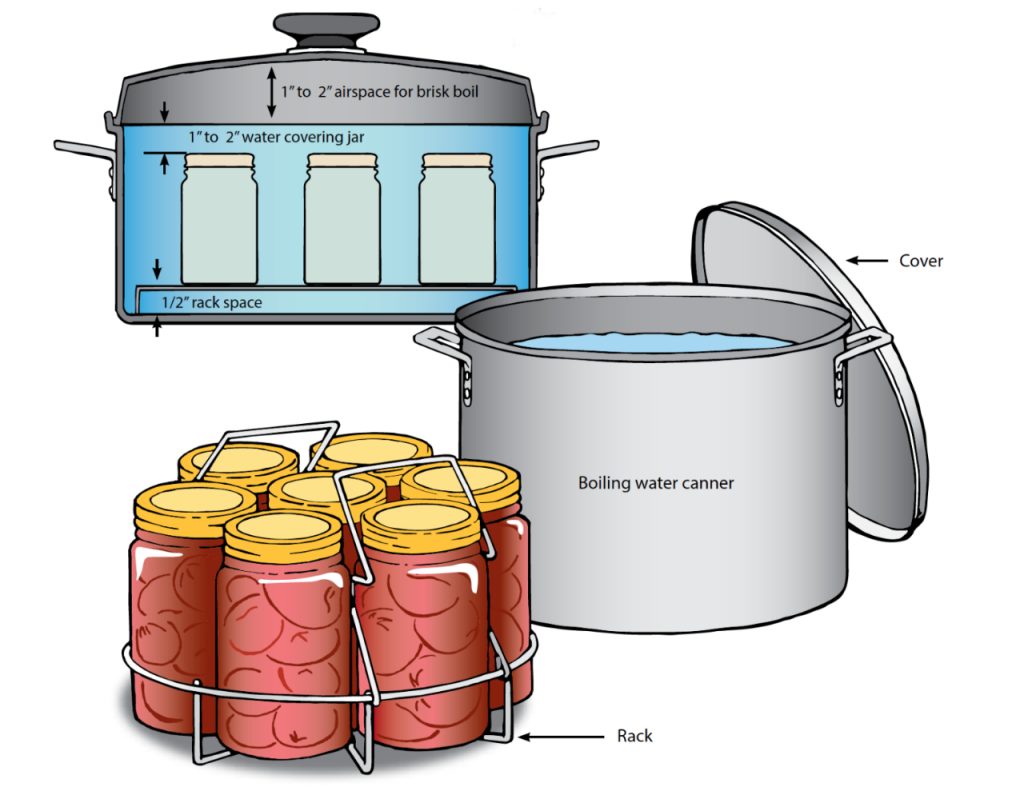
A water bath canner is essentially a large, deep pot fitted with a lid and a removable rack. Its primary function is to submerge glass jars filled with prepared food into boiling water, maintaining a specific temperature for a set duration to eliminate microorganisms and create a vacuum seal.
The Thermal Processing Principle
The process relies on heat transfer. By surrounding the jars with boiling water (212°F at sea level), the contents of the jar are heated to a temperature sufficient to destroy yeasts, molds, and certain bacteria that cause spoilage. Because this method does not reach the temperatures required to destroy Clostridium botulinum spores—which is why it is strictly reserved for high-acid foods like fruits, jams, jellies, pickles, and tomatoes with added acid—the thermal process is focused on sterilization and air exclusion.
The Role of the Rack
The rack is the most vital, yet often overlooked, component of the water bath canner. It keeps the jars off the direct bottom of the pot, preventing them from coming into contact with the heat source, which could cause the glass to crack or shatter. Furthermore, the rack facilitates the circulation of boiling water around the entire surface area of the jar, ensuring even heat distribution throughout the processing time.
Safety Protocols and Acidification
From a logistical standpoint, the water bath canner is a tool of safety. Because the temperature is capped at the boiling point of water, it is strictly limited by the chemistry of the food being processed.
Why Acidity Matters
The pH level of 4.6 is the critical dividing line in food preservation. Microorganisms that cause botulism thrive in low-acid environments (pH above 4.6) in the absence of oxygen. When you use a water bath canner, you are creating an oxygen-free environment. If the food is not high-acid, this environment becomes a breeding ground for dangerous toxins. Therefore, understanding the pH of your ingredients is the first step in successful canning. If you are processing foods that are borderline, such as tomatoes, established canning protocols mandate the addition of bottled lemon juice or citric acid to ensure the pH drops safely below the 4.6 threshold.
Maintaining the Vacuum Seal
The water bath process serves a dual purpose: it kills spoilage-causing organisms and forces air out of the jar. As the jars boil, the air inside expands and escapes. When the jars are removed from the canner and allowed to cool, the remaining air inside contracts, creating a vacuum that pulls the lid down tightly against the rim. This airtight seal is what prevents new microorganisms from entering, effectively locking in the freshness of the preserve.
Equipment Selection and Modern Best Practices
When investing in canning equipment, one must distinguish between specialized tools and improvised solutions. While any pot large enough to cover jars by an inch or two of water can technically function as a water bath canner, true purpose-built canners offer distinct advantages.
Material Considerations
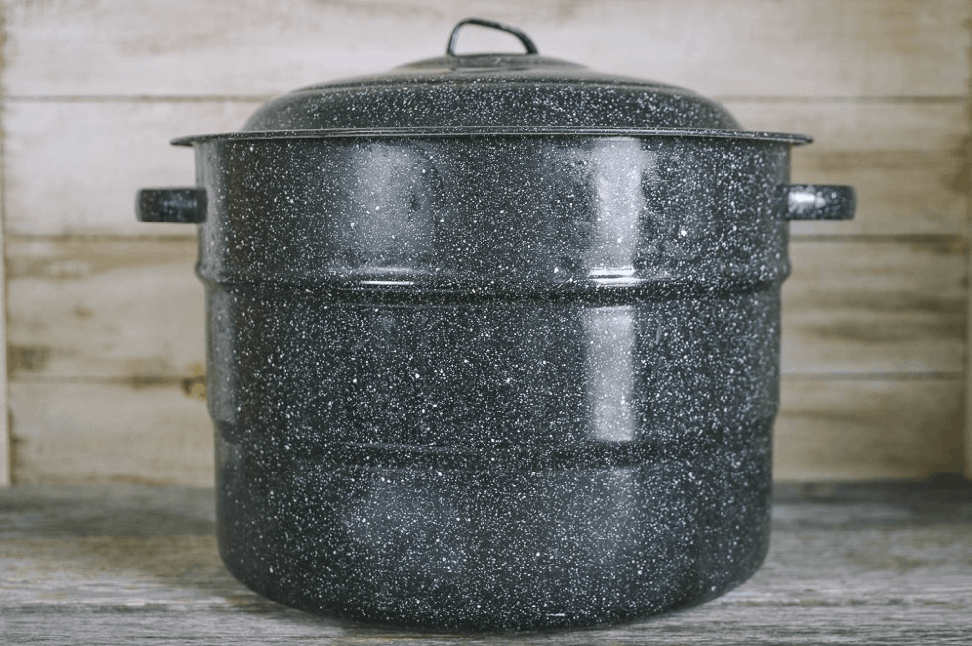
Modern water bath canners are typically made from stainless steel or porcelain-enameled steel. Stainless steel is often preferred for its durability and resistance to pitting or corrosion over time. Porcelain-enameled canners, while lighter and often more affordable, must be inspected for chips; if the enamel is compromised, the metal underneath can rust, which poses a contamination risk during long processing times.
Capacity and Heat Distribution
The size of your canner should match your production goals. A standard canner usually holds seven quart-sized jars. If you are processing in smaller batches, a smaller pot is acceptable, but it must be deep enough to allow for the mandatory headspace of water above the jar lids. When working on a modern glass-top electric stove, it is critical to check the weight and base size of the canner. A heavy, full canner can potentially damage glass cooktops, and the diameter of the pot should not exceed the burner size by more than an inch to ensure consistent heating.
Calibrating for Altitude
One of the most frequently ignored aspects of water bath canning is the adjustment for altitude. Water boils at a lower temperature as elevation increases. If you live at an altitude higher than 1,000 feet, you must increase your processing time to compensate for the lower boiling point. Failure to adjust for altitude means the food may not reach the internal temperature required to safely preserve it, rendering the entire effort void.
Strategic Benefits of Long-Term Preservation
Integrating a water bath canner into your lifestyle is not merely a hobby; it is a long-term strategic move for resource management. By purchasing seasonal produce at its peak and lowest price point, you essentially freeze that value in a jar, eliminating the need to pay premium prices for out-of-season items later in the year.
Eliminating Food Waste
The water bath canner acts as an insurance policy against food waste. When a backyard harvest yields more tomatoes or cucumbers than can be consumed fresh, processing them ensures that the time, energy, and money spent growing that food are not lost to the compost bin. It transforms perishable goods into shelf-stable assets.

Self-Sufficiency and Risk Mitigation
By mastering the art of water bath canning, you gain autonomy over your food supply. This creates a buffer against fluctuations in the market, such as supply chain disruptions or sudden price hikes. A pantry filled with home-canned goods provides a reliable, high-quality food source that requires no electricity to store, unlike a freezer. It is a resilient strategy that compounds over time; a small investment in jars, lids, and a high-quality canner today yields consistent returns in the form of food security for years to come.
In summary, the water bath canner is the quintessential tool for the home-based food professional. It bridges the gap between raw harvest and long-term culinary utility. By adhering to strict safety protocols, understanding the chemical requirements of preservation, and choosing the right equipment for your specific environment, you ensure that your canning projects are not only successful but safe and sustainable. The practice is a blend of precision science and practical life-management, rewarding the diligent with a pantry that represents both independence and abundance.
aViewFromTheCave is a participant in the Amazon Services LLC Associates Program, an affiliate advertising program designed to provide a means for sites to earn advertising fees by advertising and linking to Amazon.com. Amazon, the Amazon logo, AmazonSupply, and the AmazonSupply logo are trademarks of Amazon.com, Inc. or its affiliates. As an Amazon Associate we earn affiliate commissions from qualifying purchases.