
In the intricate world of technology, where decisions are increasingly driven by data and automated systems, the concept of error takes on profound significance. Among the various types of errors that can plague our algorithms, analyses, and applications, the Type I error stands out as a particularly insidious challenge: the “false positive.” It’s a misstep that can lead to misallocated resources, eroded trust, security vulnerabilities, and ultimately, flawed technological progress. Understanding what a Type I error is, where it lurks within the tech landscape, and how to effectively mitigate its impact is not merely a statistical exercise but a fundamental requirement for anyone building, deploying, or relying on modern technology. This article delves into the core of Type I errors, exploring their manifestation across various tech domains and outlining strategies for controlling these deceptive signals.
The Core Concept: Decoding Type I Errors
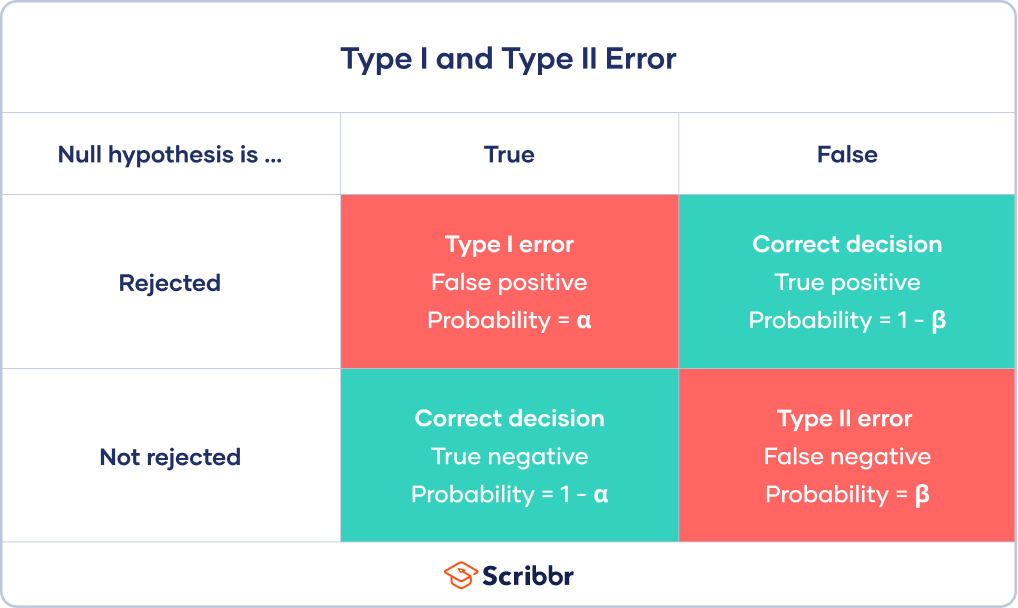
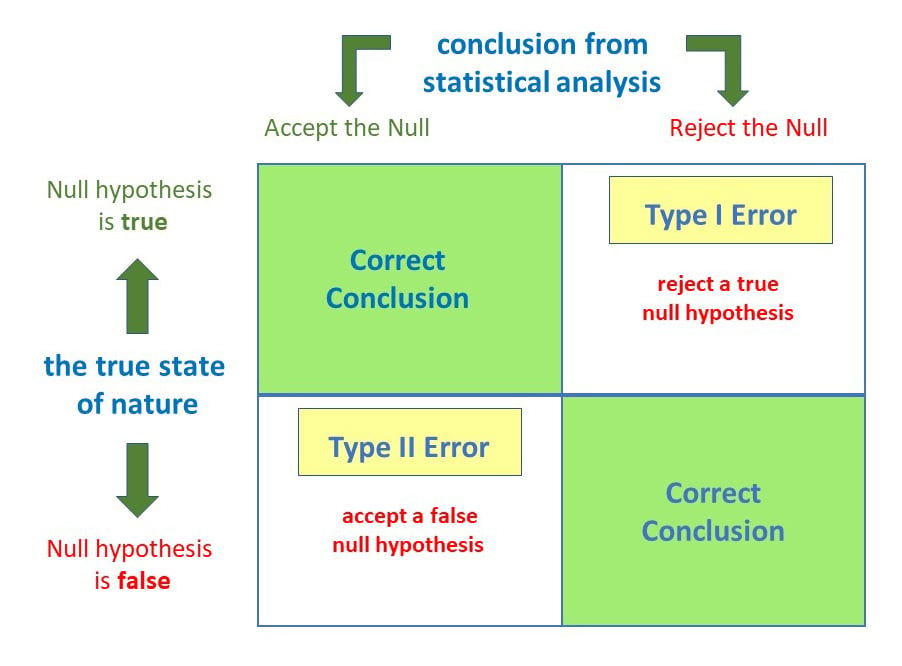
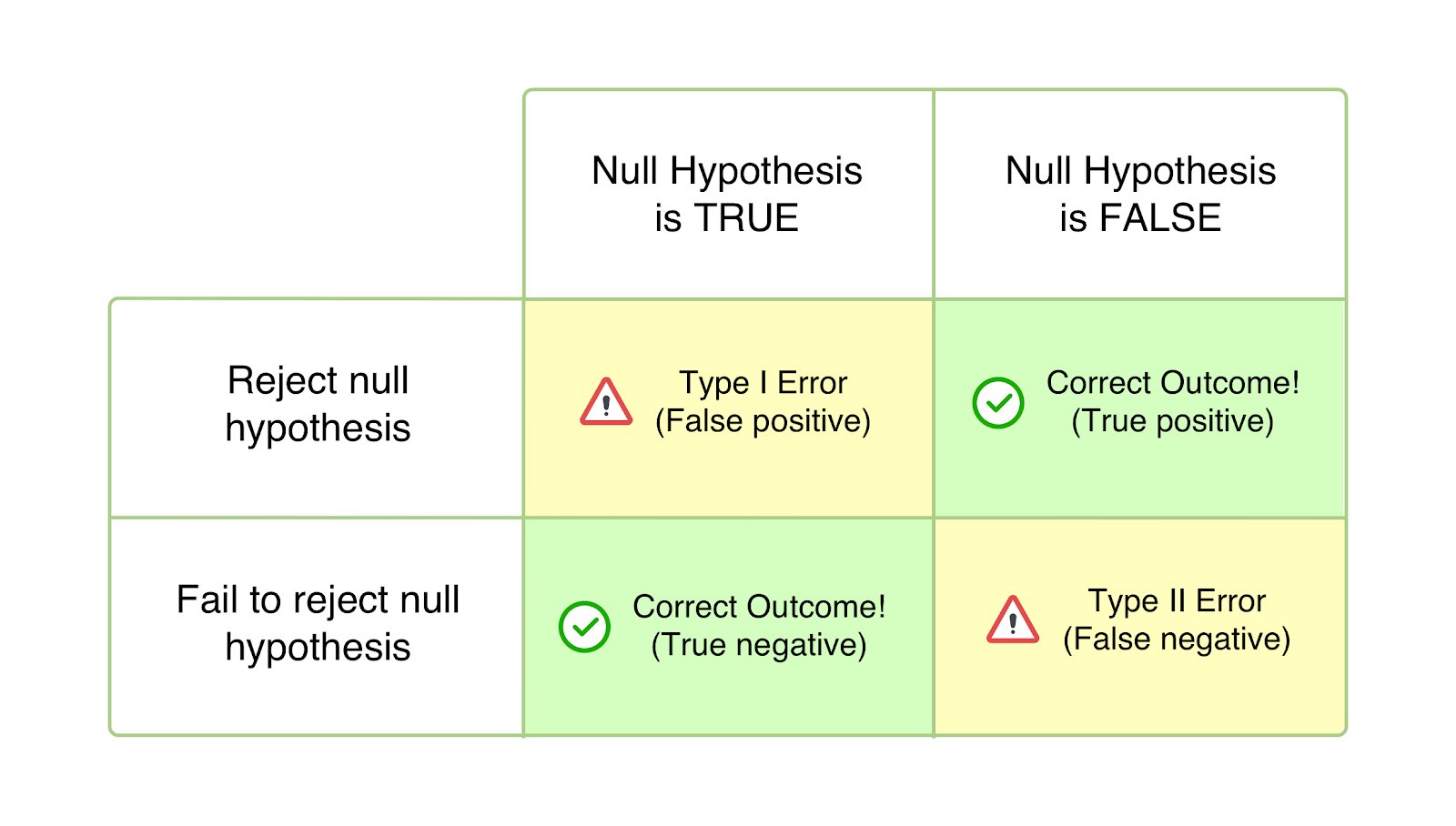
At its heart, a Type I error is a statistical phenomenon often referred to as a “false positive.” It occurs when a test or an algorithm incorrectly identifies an effect, relationship, or condition as real when, in fact, it does not exist. In simpler terms, it’s raising an alarm when there’s no genuine threat, declaring a success when there’s no actual improvement, or detecting a pattern that is purely coincidental.
Statistical Foundations: Null Hypothesis and P-values
To truly grasp a Type I error, one must first understand its statistical origins, particularly the concepts of the null hypothesis and the p-value. In hypothesis testing, the null hypothesis (H0) represents a default position, often stating that there is no effect, no difference, or no relationship between variables. For example, H0 might state that a new software feature has no impact on user engagement, or that a suspicious network activity is merely benign background noise.
The goal of testing is to gather evidence to either reject or fail to reject this null hypothesis. This evidence is often quantified by a p-value, which represents the probability of observing data as extreme as, or more extreme than, what was actually observed, assuming the null hypothesis is true.
A Type I error occurs when we reject a true null hypothesis. That is, we conclude there is an effect or a difference when, in reality, there isn’t one. The probability of committing a Type I error is denoted by the Greek letter alpha (α), often referred to as the significance level. Commonly, α is set to 0.05, meaning there’s a 5% chance of making a Type I error – a 5% chance of a false positive. If our p-value is less than α, we reject the null hypothesis, deeming our findings “statistically significant.” However, if the null hypothesis was actually true, then this rejection is a Type I error.
The “False Positive” Explained with Tech Examples
Let’s ground this abstract concept in concrete technological scenarios:
-
Spam Filters: A Type I error here is when a legitimate email (a true null hypothesis of “not spam”) is incorrectly flagged as spam and shunted to the junk folder. The user misses important communication.
-
Medical Diagnostic AI: If an AI model designed to detect a rare disease incorrectly flags a healthy patient as having the condition, that’s a Type I error. It leads to unnecessary anxiety, further tests, and potential treatment.
-
Anomaly Detection in Networks: A cybersecurity system flags normal network traffic as a potential intrusion. This is a Type I error, creating a false alarm for the security team.
-
A/B Testing in Software: A product team runs an A/B test on a new button color. The test concludes the new color significantly increases clicks, but in reality, the observed difference was due to random chance, not the color itself. Implementing the “winning” color based on this false positive is a Type I error.
Consequences of Misjudgment: Why it Matters in Tech
The repercussions of Type I errors in technology range from minor inconveniences to catastrophic failures. They can lead to:
-
Wasted Resources: Following up on false leads in cybersecurity, developing features based on misleading A/B test results, or conducting unnecessary medical procedures.
-
Eroded Trust: Users losing faith in spam filters, AI diagnostic tools, or recommendation engines that frequently make mistakes.
-
Operational Inefficiencies: Security teams constantly chasing phantom threats, distracting them from real dangers.
-
Poor Decision-Making: Steering product development in the wrong direction, investing in failing strategies, or misinterpreting market trends.
-
Ethical Concerns: Discrimination by AI models due to misclassification, or undue stress caused by false medical diagnoses.
Type I Errors in Action: Key Tech Applications
Type I errors are not confined to academic statistical textbooks; they are pervasive throughout the technological ecosystem, often impacting critical systems and user experiences. Recognizing their specific manifestations in different tech domains is crucial for effective management.
AI and Machine Learning: From Classification to Prediction
In the realm of Artificial Intelligence and Machine Learning, Type I errors are a constant concern, especially in classification tasks. An AI model trained to categorize inputs inevitably makes mistakes. A false positive occurs when the model predicts the positive class (e.g., “disease present,” “fraudulent transaction,” “cat in image”) when the actual class is negative.
-
Fraud Detection: An algorithm flags a legitimate transaction as fraudulent (Type I error), leading to a frustrated customer whose card is declined. While preventing true fraud is critical, a high rate of false positives can severely damage customer experience and trust.
-
Content Moderation: An AI system incorrectly flags benign user-generated content as offensive, leading to its removal or the suspension of an innocent user’s account.
-
Autonomous Vehicles: While less discussed as “Type I error” explicitly, a false positive here could be the system misidentifying a benign shadow as an obstacle or a safe road condition as dangerous, leading to unnecessary braking or swerving, impacting safety and passenger comfort.
-
Medical Imaging Analysis: An AI system incorrectly identifies a cancerous lesion in an MRI scan, leading to further invasive and stressful diagnostic procedures for a healthy patient.
The balance between sensitivity (catching all true positives) and specificity (avoiding false positives) is a constant tightrope walk for AI developers.
Software Development and A/B Testing: Misleading Insights
A/B testing is a cornerstone of modern software development, used to empirically validate new features, design changes, and marketing strategies. Teams run experiments, typically exposing two groups of users to different versions (A and B) of a product, and then measure which version performs better on key metrics.
A Type I error in A/B testing occurs when the test concludes that version B is significantly better than version A (e.g., increases conversion rates, improves engagement) when, in reality, there is no true difference between the two versions; the observed “improvement” was purely due to random chance.
-
Feature Rollout: A development team implements a new UI element because an A/B test indicated it increased user engagement. Later analysis or long-term monitoring reveals no actual improvement, or even a decrease, indicating the initial “win” was a false positive. This leads to wasted development effort and potential negative user experience.
-
Optimizing Landing Pages: A marketing team redesigns a landing page based on an A/B test that falsely shows a higher sign-up rate. The new page is deployed, failing to deliver the promised uplift and potentially costing the company in lost leads.
These false positives lead to “optimizations” that aren’t optimal, misdirecting product roadmaps and squandering valuable resources on non-improvements.
Cybersecurity and Digital Forensics: The Alert Fatigue Problem
In cybersecurity, Type I errors are endemic and pose a significant challenge: false alarms. Intrusion Detection Systems (IDS), Security Information and Event Management (SIEM) platforms, and Endpoint Detection and Response (EDR) tools constantly monitor network traffic, system logs, and user behavior for anomalies that might indicate a cyber threat.
-
IDS Alerts: A legitimate network connection or system process is incorrectly flagged as a malicious attack.
-
Malware Scanners: A legitimate software application is erroneously identified as malware.
-
User Behavior Analytics: A typical user action (e.g., logging in from a new device after traveling) is flagged as suspicious activity.
The primary consequence of a high rate of Type I errors in cybersecurity is alert fatigue. Security analysts are bombarded with a deluge of false positives, making it harder to distinguish real threats from benign noise. This can lead to:
-
Delayed Response: Genuine attacks might be overlooked or responded to slowly because they are buried under a mountain of false alarms.
-
Burnout: Security professionals become desensitized and less effective due to the constant context switching and fruitless investigations.
-
Resource Drain: Valuable time and manpower are spent investigating non-existent threats, diverting resources from proactive security measures or genuine incident response.
Data Science and Analytics: Drawing Erroneous Conclusions
Data scientists are the architects of insight in the tech world. They explore vast datasets to uncover patterns, build predictive models, and inform strategic decisions. Type I errors can derail this process at multiple stages.
-
Exploratory Data Analysis (EDA): When sifting through many potential correlations, a data scientist might stumble upon a “significant” correlation that is purely coincidental, especially when testing many hypotheses simultaneously (the “multiple comparisons problem”).
-
Feature Engineering: Selecting features for a machine learning model based on perceived statistical significance that is, in fact, a false positive, leading to an overfit or less robust model.
-
Reporting and Insights: Presenting business stakeholders with “discoveries” or “trends” that are not statistically robust, leading to decisions based on spurious findings.
These erroneous conclusions can misguide product development, marketing campaigns, and business strategy, ultimately impacting the company’s bottom line and competitive edge.
Mitigating the Risk: Strategies to Control Type I Errors
While eliminating Type I errors entirely is often impossible (as it would typically mean failing to detect any true effects either), controlling their rate is paramount. Tech professionals employ several strategies to manage and minimize the occurrence of these costly false positives.
Adjusting Significance Levels (Alpha): The Balance Act
The most direct way to control the Type I error rate (α) is to adjust the significance level itself. By lowering α (e.g., from 0.05 to 0.01), we become more stringent in our criteria for rejecting the null hypothesis. This means we require stronger evidence to declare a result “significant,” thereby reducing the probability of a false positive.
However, this comes with a trade-off: lowering α increases the probability of a Type II error (a “false negative”), where we fail to detect a true effect. The choice of α depends on the relative costs of Type I and Type II errors in a given context. In cybersecurity, where a false negative (missed attack) could be devastating, a higher Type I error rate might be tolerated if it significantly reduces Type II errors. In drug discovery AI, where false positives lead to expensive and unnecessary clinical trials, a very low α might be preferred.
Robust Experimental Design and Replication
Careful experimental design is crucial, especially in A/B testing. This includes:
-
Sufficient Sample Size: Ensuring enough data is collected to detect true effects and reduce the influence of random noise.
-
Randomization: Randomly assigning users to control and treatment groups to minimize bias.
-
Pre-registration: Defining hypotheses, metrics, and analysis plans before running experiments to prevent “p-hacking” (selectively analyzing data until a significant result is found).
Furthermore, replication is a powerful tool. If an initial finding suggests a significant effect, independently replicating the experiment can confirm its robustness and reduce the chance that the original finding was a Type I error. In tech, this can mean running similar A/B tests on different user segments or over different time periods.
Cross-Validation and Ensemble Methods in ML
In machine learning, techniques like cross-validation help evaluate a model’s performance on unseen data, providing a more reliable estimate of its generalization error and reducing the risk of making false conclusions about its effectiveness due to overfitting. Ensemble methods, which combine multiple models, can also reduce the variance in predictions and make the overall system more robust to individual model errors, including false positives.
For example, a spam filter might use an ensemble of different classifiers, requiring agreement from multiple models before an email is definitively flagged as spam, thereby reducing false positives.
Human Oversight and Contextual Analysis
While automation is powerful, human intelligence and contextual understanding remain invaluable.
-
Human-in-the-Loop AI: For critical applications like medical diagnosis or content moderation, human reviewers can verify AI decisions flagged as high-risk, catching potential Type I errors before they cause harm.
-
Security Operations Centers (SOCs): Experienced security analysts provide the crucial contextual understanding to discern true threats from false positives, supplementing automated IDS alerts.
-
Data Scientist Scrutiny: Data scientists critically evaluate statistical findings, considering business context and potential confounders, rather than blindly accepting p-values.
This blend of automation and human expertise creates more resilient and trustworthy technological systems.
The Broader Impact: Trust, User Experience, and Resource Allocation
The ripple effects of unmanaged Type I errors extend far beyond technical metrics, profoundly influencing user trust, operational efficiency, and the very perception of technology’s reliability.
Eroding User Trust and System Reliability
Every false positive, whether it’s a legitimate email flagged as spam, a healthy patient misdiagnosed by AI, or a software feature falsely touted as an improvement, chips away at user trust. Users expect technology to be smart, accurate, and helpful. When systems frequently make “silly” mistakes by crying wolf, it leads to:
-
User Frustration: Dealing with misclassified emails, denied legitimate transactions, or unnecessary security alerts.
-
Disengagement: Users may stop interacting with features or systems they perceive as unreliable.
-
Reliance on Alternatives: In critical scenarios, users might revert to manual processes or alternative tools if automated systems prove untrustworthy.
Ultimately, a high rate of Type I errors undermines the perceived reliability of technological solutions, hindering adoption and acceptance, especially in sensitive domains like healthcare, finance, and security.
Wasted Resources and Opportunity Costs
The most tangible impact of Type I errors is the squandering of resources. Pursuing false leads in cybersecurity, developing features based on misleading A/B tests, or conducting further diagnostic tests based on AI misclassifications all consume time, money, and human effort that could have been directed elsewhere.
-
Engineering Effort: Building and maintaining features that don’t actually deliver value.
-
Operational Costs: Manpower spent investigating non-existent threats or processing appeals for incorrect content moderation decisions.
-
Financial Investment: Sinking capital into product lines or strategies based on flawed data analysis.
Beyond the direct costs, there are opportunity costs – the lost benefits from not pursuing genuinely impactful projects or efficiently resolving real problems because resources were tied up addressing false positives.
Ethical Considerations in AI Decision-Making
As AI systems take on increasingly critical roles in areas like hiring, lending, law enforcement, and healthcare, the ethical implications of Type I errors become paramount.
-
Bias and Discrimination: If an AI model for credit scoring or hiring produces false positives (e.g., incorrectly flagging qualified minority candidates as high-risk), it can perpetuate and amplify societal biases, leading to discriminatory outcomes.
-
Undue Harm: False medical diagnoses can cause severe emotional distress and lead to invasive, unnecessary procedures. False arrests or denied benefits based on algorithmic errors have profound impacts on individuals’ lives.
Ensuring fairness, accountability, and transparency in AI development includes a rigorous approach to minimizing Type I errors, understanding their potential for harm, and building mechanisms for redress when they occur.
In conclusion, Type I errors are not just abstract statistical concepts; they are tangible challenges embedded in the fabric of modern technology. From the intricate algorithms of AI to the robust systems of cybersecurity and the data-driven decisions of software development, the false positive constantly tests the reliability and trustworthiness of our digital innovations. By deeply understanding their nature, recognizing their diverse manifestations, and diligently applying strategic mitigation techniques, tech professionals can build more resilient, effective, and ethical systems, fostering greater confidence and unlocking technology’s true potential. The ongoing vigilance against the allure of the false positive is a hallmark of truly insightful and responsible technological stewardship.
aViewFromTheCave is a participant in the Amazon Services LLC Associates Program, an affiliate advertising program designed to provide a means for sites to earn advertising fees by advertising and linking to Amazon.com. Amazon, the Amazon logo, AmazonSupply, and the AmazonSupply logo are trademarks of Amazon.com, Inc. or its affiliates. As an Amazon Associate we earn affiliate commissions from qualifying purchases.