
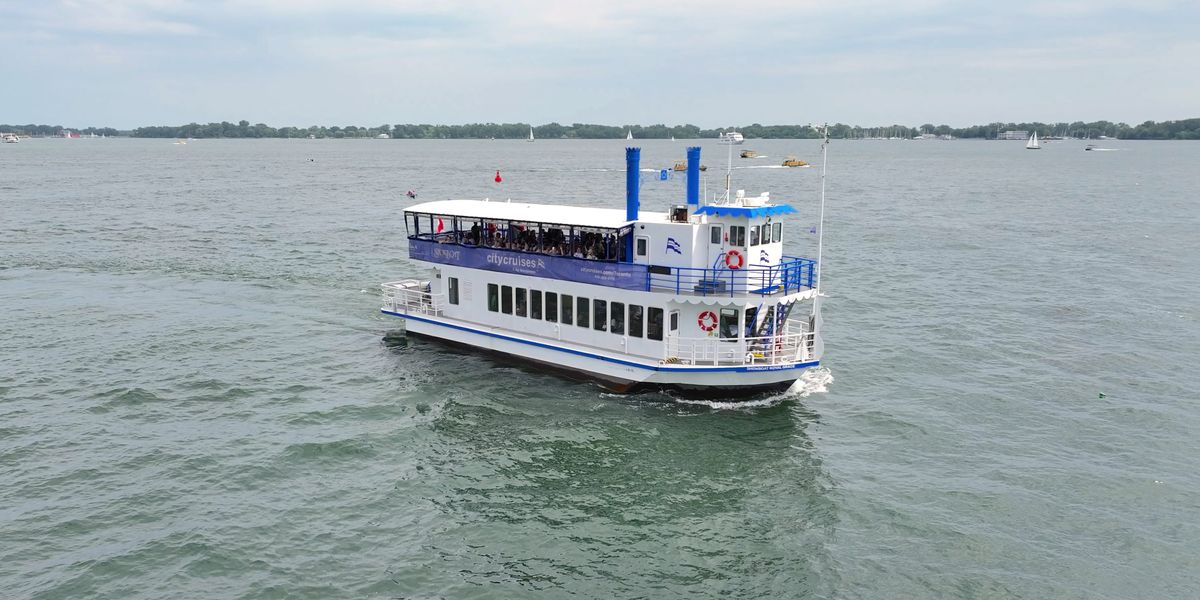
The very mention of a “showboat” conjures vivid images: a majestic, paddle-wheeled vessel adorned with gaslight and gilded trim, gliding along a river, its calliope music drifting through the evening air. Traditionally, a showboat was a floating theatre, a self-contained entertainment enterprise that brought plays, musical acts, and vaudeville performances to riverside towns across America, particularly in the 19th and early 20th centuries. These vessels were more than just boats; they were cultural phenomena, mobile stages that captivated audiences and defined an era of itinerant entertainment.
Yet, beyond its historical definition, the concept of a “showboat” carries a profound metaphorical resonance in the modern world of branding and marketing. In an age saturated with digital noise and competing messages, every brand, every individual seeking recognition, is essentially a showboat vying for attention. The question “what is a showboat?” transforms from a historical inquiry into a strategic one: How does a brand, like those magnificent vessels of old, create a compelling identity, engage an audience, and leave a lasting impression? This article delves into the showboat as a powerful metaphor for brand strategy, exploring how its inherent qualities – spectacle, uniqueness, and direct engagement – remain critical pillars of successful branding today. We’ll unpack the enduring lessons from these floating theatres, examining how they built their “brand” and how their legacy informs contemporary efforts in corporate identity, marketing, and personal branding.

The Showboat as a Precursor to Modern Experiential Branding
Long before digital marketing or integrated campaigns, showboats were masters of experiential branding. Their entire existence was a performance, a multi-sensory experience designed to capture imagination and loyalty. They didn’t just deliver a product (entertainment); they delivered an event, an arrival, a spectacle that became synonymous with their identity.
Floating Stages of Identity: How Showboats Built a Unique Brand Through Their Very Existence
Imagine a quiet riverside town, accustomed to the rhythm of daily life. Then, a showboat appears on the horizon – a magnificent, often brightly painted vessel, unlike anything else. Its very presence was an event. The steam-powered calliope, an organ designed to mimic the sound of a brass band, would play tunes that echoed across the water, announcing its arrival long before it docked. This was a deliberate act of brand building. The showboat wasn’t just showing up; it was making an entrance.
Its physical design was part of its brand identity. Elaborate carvings, large illuminated signs spelling out the boat’s name (like the “Goldenrod” or “Cotton Blossom”), and the constant bustle of actors and crew created a sense of anticipation and exclusivity. Each showboat developed its own unique “personality” through its aesthetic, its chosen repertoire, and the charisma of its resident performers. This holistic approach to presentation, where the venue itself was an integral part of the show, laid the groundwork for what we now recognize as experiential marketing – creating memorable, immersive experiences that define a brand. For a brand today, this translates to developing a unique visual identity, a distinctive tone of voice, and a consistent aesthetic across all touchpoints, ensuring that every interaction with the brand feels like part of a larger, coherent story.
Crafting the Spectacle: Marketing Beyond the Billboard
Showboats understood the power of pre-arrival buzz and localized marketing. Before the boat itself docked, advance teams would often travel ahead by horse and buggy, distributing handbills, posting notices, and spreading word-of-mouth about the upcoming performances. They would build excitement, selling tickets and establishing the showboat’s brand as the must-see event of the season.
Once docked, the gangplank would be lowered, often adorned with flags and banners, inviting townspeople to come aboard. The atmosphere was carnival-like, drawing crowds even before the evening show. This direct, community-focused engagement was a powerful marketing tool. It built trust, fostered anticipation, and created a personal connection that traditional advertising alone couldn’t achieve. Modern brands can draw a direct parallel here: from engaging with local communities through events to leveraging social media to build authentic connections, the principles remain the same. It’s about creating conversations, not just broadcasting messages, and understanding that genuine interaction builds stronger, more loyal audiences. The showboat proved that successful marketing isn’t just about shouting the loudest; it’s about crafting a compelling narrative and inviting people to be a part of it.
Showboating in Corporate Identity and Personal Branding
The term “showboat” in contemporary parlance can sometimes carry a negative connotation, implying someone who boasts or shows off excessively. However, when understood through the lens of branding, “showboating” can be a strategic, positive act – the deliberate, skilled presentation of a brand’s strengths and unique qualities to capture attention and differentiate itself.
The Art of Strategic Self-Promotion: When “Showing Off” Serves Your Brand
In a crowded marketplace, silence is rarely golden. Brands, like individuals, need to “showboat” their capabilities, their values, and their unique selling propositions. This isn’t about empty boasts, but about confidently and creatively showcasing what makes a brand stand out. Think of Apple’s product launches, Tesla’s reveal events, or Nike’s elaborate advertising campaigns. These are calculated acts of “showboating” – grand presentations designed to generate excitement, demonstrate innovation, and reinforce their brand identity.
For personal branding, strategic self-promotion involves articulating one’s skills, achievements, and unique perspective in a way that resonates with a target audience. This could be through a meticulously curated LinkedIn profile, compelling presentations, or insightful contributions to industry discussions. The key differentiator between effective showboating and mere boasting lies in authenticity and substance. A successful showboat brand always has a quality “show” to back up the hype. It’s about demonstrating value with flair, not just claiming it.
Differentiating Through Dazzle: Using Unique Attributes to Stand Out

The original showboats differentiated themselves through their mobility, their unique entertainment offerings, and their distinct visual identity. In today’s competitive landscape, brands must similarly identify their “dazzle” – those unique attributes that set them apart. This could be exceptional customer service, groundbreaking technology, a compelling brand story, a sustainable business model, or an innovative product design.
Consider brands that have mastered differentiation: Patagonia with its unwavering commitment to environmentalism, or a quirky local coffee shop known for its unique decor and community events. These brands don’t just exist; they “showboat” their distinctive qualities, making them memorable and desirable. They understand that in a sea of similar offerings, being memorable means being different, and being different often requires a touch of strategic showmanship. It’s about amplifying what makes you unique in a way that captivates and attracts your ideal audience, turning potential customers into eager spectators.
Navigating the Waters: Authenticity vs. Artifice in Brand Showmanship
While showmanship is crucial for capturing attention, its effectiveness is deeply tied to authenticity. A showboat built on empty promises or a fragile façade is destined to sink. The audience, much like consumers today, is discerning and quick to detect insincerity.
Building Trust on the Tides of Spectacle: The Importance of Substance Behind the Show
The enduring appeal of the historical showboat wasn’t just its flashy exterior; it was the quality of the performances within. People returned, and word spread, because the entertainment delivered on the promise of the spectacle. Similarly, for modern brands, the “show” must always be supported by substance. A beautiful website and clever marketing campaign are effective only if the product or service lives up to the hype.
Authenticity in branding means being true to your values, delivering consistent quality, and transparently communicating with your audience. It means that the show you put on reflects the true essence of your brand. Brands that build trust through genuine interactions and reliable offerings are the ones that foster lasting loyalty. They understand that while initial dazzle can attract, sustained engagement comes from deep-seated credibility and consistent value delivery. This is the difference between a fleeting circus act and an enduring theatrical institution.
The Pitfalls of Empty Grandstanding: When Showboating Backfires and Damages Brand Credibility
The opposite of authentic showmanship is empty grandstanding – making exaggerated claims without the substance to back them up, or engaging in performative actions that lack genuine intent. This can lead to significant brand damage, eroding trust and alienating customers. “Greenwashing,” where companies make unsubstantiated claims about environmental friendliness, or “woke-washing,” where brands superficially adopt social causes without genuine commitment, are modern examples of showboating gone wrong.
When a brand’s promises don’t align with its actions, the audience feels deceived. In an age of instant information and social media scrutiny, such inconsistencies are quickly exposed. The lesson from the showboat era is clear: while the spectacle draws them in, the quality and integrity of the “show” itself determine whether they stay and return. Brands must exercise caution, ensuring that their marketing efforts are always a true reflection of their core identity and offerings, lest their grand entrance become a swift and ignominious exit.
Designing Your Brand’s Grand Entrance
The legacy of the showboat offers practical, timeless lessons for crafting a brand that captivates and endures. It’s about strategically blending spectacle with substance, identity with engagement, and presentation with authenticity.
From Curtain Up to Customer Conversion: Practical Branding Lessons from the Showboat Era
-
Define Your Unique Proposition (The Show): What unique experience or value do you offer? Just as each showboat had its specific repertoire and style, a brand needs to clearly articulate what makes it special.
-
Create a Memorable Identity (The Vessel): Design a visual and verbal identity that is distinctive and reflective of your brand’s essence. This includes logo, color palette, typography, tone of voice, and overall aesthetic.
-
Generate Anticipation (The Calliope & Advance Teams): Build buzz before you launch or introduce new offerings. Use teasers, early access, and strategic communication to create excitement and curiosity.
-
Engage Directly (The Docking & Gangplank): Don’t just broadcast; interact. Engage with your audience, listen to their feedback, and make them feel part of your brand’s journey.
-
Deliver on the Promise (The Performance): Crucially, the quality of your product or service must consistently meet or exceed expectations set by your branding. Authenticity and reliability are paramount.
-
Foster Loyalty (The Return Visit): Encourage repeat engagement through excellent customer service, loyalty programs, and continued innovation, ensuring your audience always looks forward to your next “show.”
The Lasting Legacy of the Limelight: How to Create a Memorable and Impactful Brand Presence
The showboat, with its reliance on compelling visuals, engaging performances, and direct audience interaction, reminds us that branding is inherently theatrical. It’s about capturing the imagination, telling a compelling story, and creating an experience that resonates. For any brand seeking to stand out, the spirit of the showboat offers a powerful blueprint: be bold in your presentation, unique in your offering, authentic in your delivery, and unwavering in your commitment to engaging your audience.
In a world clamoring for attention, understanding “what is a showboat” ultimately means understanding the enduring power of spectacle and substance combined. It’s about mastering the art of the grand entrance, ensuring the performance is always captivating, and leaving an audience eager for the next act. The stage may have changed from a floating riverboat to a digital screen, but the fundamental principles of drawing a crowd, holding their attention, and delivering a memorable experience remain timeless.
aViewFromTheCave is a participant in the Amazon Services LLC Associates Program, an affiliate advertising program designed to provide a means for sites to earn advertising fees by advertising and linking to Amazon.com. Amazon, the Amazon logo, AmazonSupply, and the AmazonSupply logo are trademarks of Amazon.com, Inc. or its affiliates. As an Amazon Associate we earn affiliate commissions from qualifying purchases.