
In the intricate world of chemistry, precision is paramount. Every measurement, every reaction, every analytical result hinges on the meticulous handling and understanding of substances. Among the fundamental concepts that often go unnoticed by the layperson but are critical to scientific accuracy is the meniscus. Far from being a mere aesthetic curve, the meniscus is a tangible manifestation of molecular forces at work, and its correct interpretation is vital across countless scientific disciplines. While seemingly a basic chemistry concept, the principles governing the meniscus profoundly influence the design, function, and accuracy of a vast array of technologies, from laboratory instrumentation to advanced microfluidic devices and cutting-edge material science.
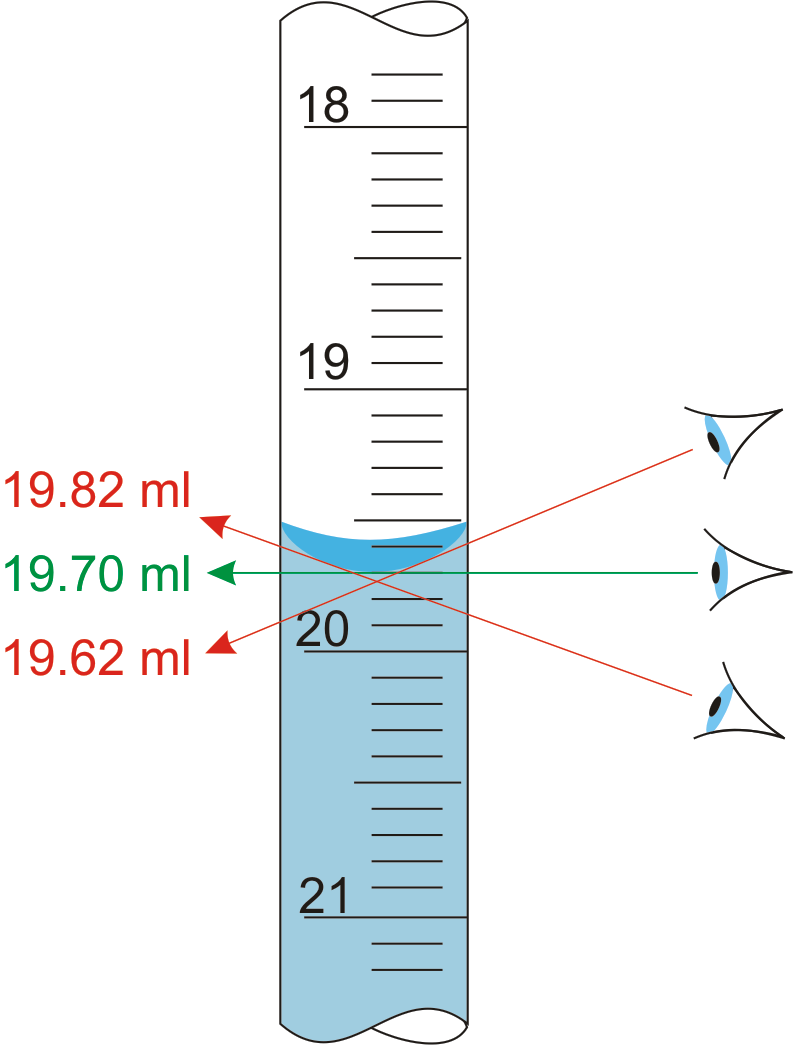
At its core, a meniscus refers to the curvature of the liquid surface in a container, typically observed when a liquid is in contact with a solid surface. This seemingly simple phenomenon is a rich tapestry woven from the interplay of adhesive and cohesive forces, surface tension, and the properties of both the liquid and the container. In a technological landscape increasingly reliant on miniaturization, automation, and ultra-high precision, understanding and controlling the meniscus is not just a scientific curiosity—it’s an engineering imperative. This article will delve into the chemical physics of the meniscus and explore its critical role in shaping and advancing modern technological applications.
The Science Behind the Curve: Understanding Meniscus Formation
To truly grasp the technological implications of a meniscus, one must first understand its scientific underpinnings. The curve formed by a liquid surface in a confined space is a direct consequence of the molecular forces at play, specifically the balance between adhesive forces (attraction between the liquid and the container walls) and cohesive forces (attraction between liquid molecules themselves). Surface tension, an energy state arising from these cohesive forces at the liquid’s surface, also plays a significant role.
Adhesion, Cohesion, and Surface Tension: The Molecular Dance
When a liquid comes into contact with a solid, the molecules at the interface experience a push and pull. Cohesive forces are the intermolecular attractions within the liquid itself, drawing molecules inward and contributing to surface tension. This is why water droplets tend to be spherical, minimizing surface area. Adhesive forces, on the other hand, are the attractions between the liquid molecules and the molecules of the container.
-
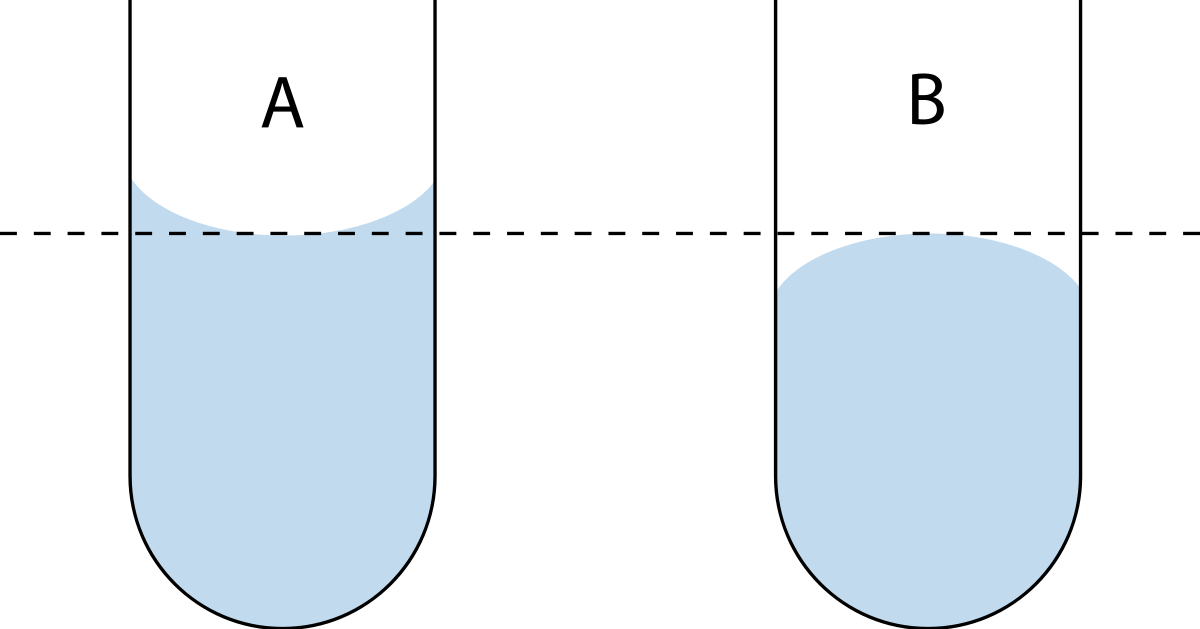
Concave Meniscus: When adhesive forces are stronger than cohesive forces, the liquid molecules are more attracted to the container walls than to each other. This causes the liquid to “climb” the walls, forming a concave meniscus (curving downwards in the middle). Water in a glass cylinder is a classic example. Its molecules are significantly attracted to the polar glass surface.
-
Convex Meniscus: Conversely, if cohesive forces are stronger than adhesive forces, the liquid molecules are more attracted to each other than to the container walls. This leads to the liquid “shying away” from the walls, forming a convex meniscus (curving upwards in the middle). Mercury in a glass container demonstrates this due to its exceptionally strong metallic bonds and low attraction to glass.
Environmental Factors: Temperature and Container Materials
The shape and magnitude of the meniscus are not static; they are influenced by several factors crucial for technological applications. Temperature affects both adhesive and cohesive forces by altering molecular kinetic energy and density. Higher temperatures generally reduce surface tension, potentially altering the meniscus. Furthermore, the material and surface properties of the container are paramount. A clean glass surface will produce a distinct water meniscus compared to a plastic container or a glass container with a hydrophobic coating. In precision engineering, understanding these variables allows for the selection of appropriate materials or surface treatments to achieve desired fluid behavior or measurement accuracy. For example, treating surfaces to be superhydrophobic or superhydrophilic can manipulate menisci in microfluidic channels, enabling precise droplet control.
Precision in the Lab: Meniscus in Analytical and Measurement Technologies
The most direct and widely recognized technological impact of the meniscus lies in analytical chemistry and laboratory measurement. In any setting where accurate liquid volumes are critical—from pharmaceutical research to environmental testing—the meniscus dictates the precision and reliability of results. Modern tech has evolved significantly to account for and even leverage this phenomenon.
Volumetric Glassware: The Foundation of Chemical Accuracy
Traditional volumetric glassware—beakers, graduated cylinders, burettes, and pipettes—forms the bedrock of quantitative chemistry. Each piece is calibrated to deliver or measure specific volumes of liquid, and central to this calibration is the correct reading of the meniscus. For liquids forming a concave meniscus (like water), measurements are always taken at the bottom of the curve. For convex menisci (like mercury), the measurement is taken at the top. This seemingly simple rule is enshrined in laboratory protocols globally, highlighting its fundamental importance. Tech plays a role in manufacturing this glassware to stringent international standards (e.g., ISO, ASTM), ensuring uniform internal diameters and precise calibrations that minimize reading errors. Advanced manufacturing techniques ensure smooth, defect-free surfaces crucial for consistent meniscus formation.
Automated Liquid Handling Systems: Minimizing Human Error
As scientific research scales and high-throughput screening becomes standard, manual volumetric measurements become bottlenecks and sources of variability. This has driven the development of sophisticated automated liquid handling systems and robotics. These platforms are designed to precisely dispense tiny volumes (microliters to nanoliters) with minimal human intervention. While they don’t “read” a meniscus in the human sense, the underlying fluidic mechanics and dispensing accuracy are inherently linked to managing surface tension and interfacial phenomena. Robotic pipettors, for instance, utilize advanced plunger designs and aspiration/dispense profiles to minimize residual liquid and ensure droplet detachment without satellites, all of which are influenced by meniscus behavior at the pipette tip. Software algorithms can even model potential errors due to wetting properties.
Optical Detection and Digital Meniscus Reading: Enhancing Precision
To move beyond the limitations of the human eye and improve reproducibility, technological solutions for meniscus reading have emerged. Digital burettes and automated titrators employ optical sensors or image processing techniques to detect the exact position of the meniscus with high accuracy. These systems use light refraction or reflection patterns at the liquid-air interface to pinpoint the curve’s lowest (or highest) point, converting it into a precise volume reading. This significantly reduces inter-operator variability and allows for greater precision, particularly when working with viscous or colored liquids where the meniscus might be difficult to discern manually. Some advanced systems can even apply algorithms to compensate for variations in lighting or liquid properties, ensuring consistent and reliable data collection crucial for regulatory compliance in industries like pharmaceuticals.
Meniscus in Microfluidics and Nanotechnology: Small Scales, Big Impact
The realm of microfluidics and nanotechnology operates at scales where surface forces, including those that create the meniscus, dominate volumetric forces. Here, understanding and actively controlling the meniscus isn’t just about measurement; it’s about active manipulation and functional design.
Lab-on-a-Chip Devices: Precise Fluid Control
Lab-on-a-chip (LoC) devices integrate multiple laboratory functions onto a single chip, often using micro-scale channels for fluid transport and reaction. In these devices, capillary forces (driven by surface tension and adhesive properties) can spontaneously draw liquids through channels without external pumps, a phenomenon fundamentally linked to meniscus formation. By carefully designing channel geometries, surface coatings, and hydrophobic/hydrophilic patterns, engineers can precisely guide, mix, separate, and stop liquid plugs or droplets. The menisci at the leading and trailing edges of these liquid segments act as interfaces critical for fluid manipulation. Understanding the dynamic meniscus behavior is essential for developing highly efficient and reliable LoC diagnostics, drug discovery platforms, and chemical synthesis tools.
Inkjet Printing and Micro-Dispensing: Patterning at the Micro-Scale
Inkjet technology, beyond printing documents, has evolved into a powerful tool for micro-dispensing and fabricating intricate patterns in various tech fields, including electronics, bioprinting, and materials science. In inkjet printing, tiny droplets of fluid are ejected from a nozzle. The formation and detachment of these droplets are heavily influenced by the interplay between internal fluid pressure, viscosity, and surface tension at the nozzle’s exit—where a meniscus forms just before ejection. Precision in droplet size, velocity, and placement is paramount for high-resolution printing, and this hinges on finely tuned control over the meniscus dynamics. Similarly, in fields like 3D bioprinting, where living cells are precisely placed to construct tissues, managing the meniscus of bio-ink droplets is critical to cell viability and structural integrity.
Self-Assembly and Nanofabrication: Harnessing Capillary Forces
At the nanoscale, menisci can be deliberately engineered to drive self-assembly processes. Capillary force lithography and capillary molding are techniques that use the meniscus of a liquid to pattern materials at very small scales. For example, a liquid can be drawn into nano-channels or around nano-pillars by capillary action, and as the liquid evaporates, it leaves behind a patterned material. The precise geometry of the meniscus at the liquid-air interface during evaporation directly determines the final nanostructure. This principle is vital in developing next-generation electronic components, optical devices, and advanced filtration membranes, where precise control over nanoscale features is required.
Advanced Materials and Manufacturing: Engineering the Meniscus
Beyond direct fluid handling, the principles of meniscus formation are critical in a variety of advanced manufacturing processes and material science applications, influencing everything from surface coatings to medical device performance.
Coating Technologies: Uniform Films and Surface Properties
Many industrial processes involve coating a substrate with a thin, uniform film, whether it’s paint, protective layers, or functional coatings for electronics. Techniques like dip coating, spin coating, and slot-die coating all rely on the careful management of liquid menisci. In dip coating, a substrate is immersed in a liquid and then withdrawn; the thickness and uniformity of the deposited film are determined by the meniscus that forms at the liquid-air-substrate interface as it’s pulled out. Similarly, in spin coating, the liquid spreads outwards due to centrifugal force, forming a dynamic meniscus at the edge that dictates film thickness. Engineering the rheology of the liquid and the surface energy of the substrate allows for precise control over the coating properties, which is essential for manufacturing high-performance displays, solar cells, and advanced sensors.
Medical Diagnostics and Biosensors: Interfacial Phenomena at Play
In medical technology, understanding interfacial phenomena, including meniscus behavior, is crucial for the design and function of diagnostic tools. Many rapid diagnostic tests (like pregnancy tests or COVID-19 antigen tests) rely on lateral flow assays, where a liquid sample (blood, urine, saliva) wicks along a porous membrane. The capillary forces that drive this wicking are essentially controlled by a propagating meniscus. The speed of flow, the even distribution of the sample, and the interaction with embedded reagents are all influenced by the dynamic meniscus. Similarly, in biosensors, where biological recognition elements are often immobilized on surfaces, the interaction of sample liquids with these surfaces (and the formation of menisci) can affect detection sensitivity and specificity.
From Semiconductors to Batteries: Liquid-Solid Interfaces in Production
The manufacturing of cutting-edge technologies like semiconductors and advanced batteries often involves complex liquid-solid interactions. In semiconductor fabrication, cleaning processes and wet etching involve liquids interacting with delicate wafer surfaces; the way these liquids wet and drain, forming dynamic menisci, can impact defect formation. In battery manufacturing, slurries for electrode coating or electrolytes filling porous structures also exhibit meniscus behavior that affects uniformity, porosity, and ultimately, battery performance and longevity. Engineers must account for these phenomena to optimize production processes and improve product quality in these high-stakes industries.
The Future of Meniscus-Aware Technologies: AI and Automation
As technology continues to advance, the understanding and control of menisci will become even more sophisticated, integrating with fields like artificial intelligence, machine learning, and advanced robotics to push the boundaries of precision and efficiency.
Predictive Modeling of Fluid Behavior
Computational fluid dynamics (CFD) has long been used to model fluid behavior, but advancements in AI and machine learning are enabling more accurate and faster predictive models of meniscus formation and dynamics. These models can simulate how different liquids will behave in various geometries and under changing conditions, allowing engineers to design optimal microfluidic devices, coating processes, or liquid handling systems virtually, significantly reducing the need for costly and time-consuming physical prototypes. This includes predicting the influence of surface treatments, temperature gradients, and external forces on the meniscus.
AI-Driven Calibration and Error Correction
The next generation of laboratory and industrial equipment will likely incorporate AI-driven systems capable of real-time meniscus detection and self-correction. Imagine a robotic liquid handler that uses computer vision and machine learning to identify a problematic meniscus, instantly adjusts dispensing parameters (e.g., pressure, speed, tip angle), and logs the correction, thus ensuring unprecedented levels of accuracy and repeatability. Such systems could compensate for environmental fluctuations, liquid property variations, and even minor equipment wear, maintaining peak performance autonomously.

Robotics and Autonomous Labs: Eliminating Measurement Variance
The ultimate goal in many high-precision fields is the fully autonomous laboratory, where robots conduct experiments, analyze data, and even design subsequent steps. In such an environment, the ambiguity of meniscus reading must be completely eliminated. Advanced robotics equipped with sophisticated optical sensors, AI, and precise motion control will be able to handle liquids with a degree of consistency and accuracy far beyond human capability. This will lead to entirely new possibilities in discovery, drug development, and material synthesis, where even the slightest variations in liquid volumes can have significant consequences.
In conclusion, the humble meniscus, a simple curve on the surface of a liquid, is far more than a basic chemical phenomenon. It is a critical interface where molecular forces converge, shaping the accuracy of scientific measurements and influencing the performance of countless technological applications. From the precise volumetric measurements in a modern analytical lab to the intricate fluid control in microfluidic chips, from the uniformity of advanced material coatings to the efficiency of medical diagnostics, understanding and controlling the meniscus is an engineering challenge with profound technological implications. As we venture further into an era demanding ever-greater precision and automation, the principles of meniscus chemistry will continue to be a foundational element in driving innovation across the technological landscape, ensuring that even the smallest curve can lead to the biggest breakthroughs.
aViewFromTheCave is a participant in the Amazon Services LLC Associates Program, an affiliate advertising program designed to provide a means for sites to earn advertising fees by advertising and linking to Amazon.com. Amazon, the Amazon logo, AmazonSupply, and the AmazonSupply logo are trademarks of Amazon.com, Inc. or its affiliates. As an Amazon Associate we earn affiliate commissions from qualifying purchases.