
The role of a dental hygienist is often recognized for its direct impact on public health, providing essential preventive care and education to patients. Beyond the clinical responsibilities and the satisfaction of contributing to healthier communities, prospective and current professionals frequently consider the financial aspects of this career path. Understanding a dental hygienist’s salary is crucial for career planning, educational investment decisions, and long-term financial stability. This article delves into the earning potential of dental hygienists, exploring the myriad factors that influence their income and providing insights into the overall financial landscape of this vital healthcare profession.
Understanding the Core Earning Potential of Dental Hygienists
At its foundation, a dental hygienist’s salary reflects a combination of education, skill, and the economic dynamics of the healthcare sector. While national averages provide a useful benchmark, the true picture is far more nuanced, shaped by individual attributes and market conditions.
Average National Salary Overview
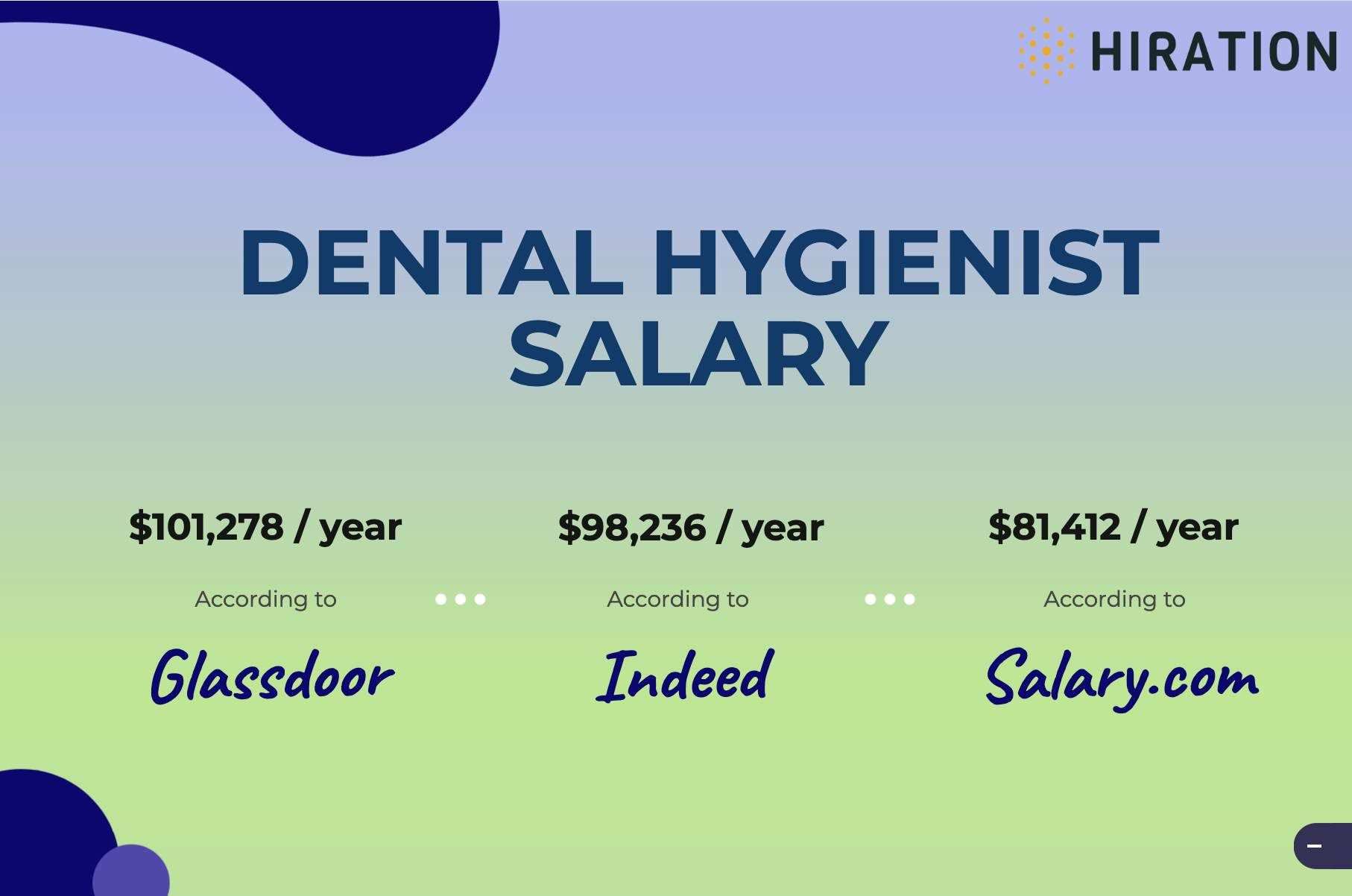
On a national scale, the average salary for a dental hygienist is quite competitive within the healthcare support occupations. According to various labor statistics and compensation data sources (such as the U.S. Bureau of Labor Statistics, for illustrative purposes), the median annual salary for dental hygienists often falls in the range of $78,000 to $85,000. However, it’s important to note that “median” means half earn more and half earn less. This annual figure translates to an hourly wage often around $37 to $41.
It’s equally important to consider the breadth of this range. Entry-level positions typically start lower, while highly experienced professionals in specialized settings or high-demand regions can earn significantly more, potentially exceeding $100,000 annually. This initial overview sets the stage for a deeper exploration into the specific factors that cause such variations.
Factors Influencing Salary: A Deep Dive
The salary of a dental hygienist is not a fixed figure; it is a dynamic outcome of several interconnected variables. Understanding these factors is key to projecting earning potential and strategizing career advancement.
Experience Level
One of the most significant determinants of a dental hygienist’s salary is their level of experience. Like many professions, compensation tends to increase steadily with years on the job.
-
Entry-Level (0-2 years): New graduates or those with minimal experience can expect to start at the lower end of the salary spectrum, often in the range of $60,000 to $70,000 annually, or around $30-$35 per hour. This period is crucial for gaining practical skills, building patient rapport, and becoming efficient in clinical procedures.
-
Mid-Career (3-9 years): With a few years of experience, hygienists typically see a substantial increase in their earnings. Their efficiency, autonomy, and ability to handle more complex cases make them more valuable. Salaries in this phase can range from $75,000 to $90,000 annually, or $36-$45 per hour.
-
Senior/Experienced (10+ years): Highly experienced hygienists, particularly those who have cultivated a strong professional reputation, possess advanced skills, or take on leadership roles, command the highest salaries. Their annual income can often exceed $95,000, reaching upwards of $110,000 or more in certain regions or specialized practices, translating to hourly rates often above $45-$55.
Geographic Location
Where a dental hygienist practices can have a profound impact on their take-home pay. Geographic salary disparities are primarily driven by:
-
Cost of Living: Regions with a higher cost of living (e.g., major metropolitan areas like New York City, Los Angeles, San Francisco) typically offer higher salaries to compensate for increased expenses.
-
Demand for Services: Areas experiencing a shortage of dental professionals or a burgeoning population may offer more competitive wages to attract and retain talent.
-
State Regulations and Scope of Practice: Some states have a broader scope of practice for dental hygienists, potentially allowing them to perform more procedures independently or under less direct supervision, which can influence their value to a practice and, consequently, their pay. For example, states like California, Alaska, and Massachusetts are often cited as having some of the highest average salaries for dental hygienists, while some southern or midwestern states might fall on the lower end, albeit with a correspondingly lower cost of living.
Type of Practice
The environment in which a dental hygienist works also plays a significant role in compensation.
-
Private Dental Practices: These are the most common employers. Salaries can vary widely based on the size of the practice, its profitability, and the generosity of the individual dentist-owner. Many offer a stable salary, often with production-based bonuses.
-
Corporate Dental Offices (DSOs – Dental Service Organizations): DSOs often offer competitive salaries and structured benefits packages, sometimes with a clearer path for advancement. They may also have higher patient volumes, potentially leading to more production-based income.
-
Public Health Clinics/Government Agencies: While sometimes offering slightly lower base salaries than private practice, these roles often come with excellent benefits, stable hours, and the satisfaction of serving underserved populations.
-
Specialty Practices: Working in a specialty like periodontics (gum disease), orthodontics, or oral surgery may sometimes command higher salaries due to the specialized nature of the work and the advanced skills required.
-
Dental Schools/Academia: Roles in dental hygiene education or clinical instruction may offer different compensation structures, balancing teaching with clinical work.
Education and Certifications
While an Associate’s Degree is typically the minimum requirement for licensure, pursuing further education and specialized certifications can enhance earning potential.
-
Bachelor’s Degree: Hygienists with a Bachelor of Science (BS) in Dental Hygiene may have an edge in certain markets or be eligible for roles in education, public health, or management that might be inaccessible to those with an Associate’s. This could translate to slightly higher starting salaries or faster career progression.
-
Specialized Certifications: Obtaining certifications in areas like local anesthesia administration, nitrous oxide monitoring, or expanded functions (where allowed by state law) can significantly increase a hygienist’s value to a practice. These additional skills often justify higher hourly rates, as they expand the scope of services the hygienist can provide, thereby improving practice efficiency and revenue.
Work Schedule and Negotiation Skills
Full-time hygienists typically earn more annually than part-time or temporary staff, although hourly rates for temporary/locum work can sometimes be higher to account for lack of benefits. Moreover, a hygienist’s ability to effectively negotiate their salary, benefits, and work-life balance is a critical factor in maximizing their financial outcome. A strong understanding of market rates and a clear articulation of one’s value can lead to significantly better compensation packages.
Beyond Base Salary: The Total Compensation Package

Focusing solely on the base salary can provide an incomplete picture of a dental hygienist’s total financial compensation. A comprehensive understanding requires evaluating the benefits and perks that often accompany the primary wage.
Benefits and Perks
A robust benefits package can add substantial value to a hygienist’s overall compensation, often equivalent to thousands of dollars annually. These typically include:
-
Health and Wellness Benefits:
-
Health Insurance: Medical, dental, and vision insurance coverage are standard offerings that significantly reduce out-of-pocket healthcare costs.
-
Paid Time Off (PTO): This includes vacation days, sick leave, and paid holidays, providing financial security during periods away from work.
-
-
Retirement Planning:
- 401(k) or Other Retirement Plans: Many employers offer access to retirement savings plans, often with employer matching contributions. These matching funds are essentially free money that dramatically boosts long-term financial security.
-
Professional Development:
-
Continuing Education (CE) Allowances: Employers may cover or contribute to the cost of required continuing education courses, which are essential for maintaining licensure and staying current with clinical advancements.
-
Professional Dues: Reimbursement for professional organization memberships (e.g., ADHA) can also be part of the package.
-
Malpractice Insurance: Often provided or subsidized by the employer, this essential coverage protects the hygienist from potential legal liabilities.
-
-
Performance-Based Incentives:
- Bonuses: Production bonuses (based on the number of patients seen or services provided), sign-on bonuses, or year-end performance bonuses are common motivators and can significantly augment annual income.
Potential for Growth and Advancement
While direct salary increases may stabilize after reaching a senior level, dental hygiene offers various avenues for professional growth that can lead to enhanced earning potential or a diversified income stream.
-
Career Ladder within a Practice: Experienced hygienists can advance to roles such as lead hygienist, clinical coordinator, or even office manager, which typically come with increased responsibilities and higher salaries.
-
Transition to Education or Sales: A hygienist’s clinical expertise is highly valued in academic settings (teaching future hygienists) or in dental product sales (representing companies that sell instruments, materials, or software to dental offices). These roles often have different compensation structures and career trajectories.
-
Public Health: Working in public health allows hygienists to focus on community-level prevention and education, often within government or non-profit frameworks that may offer unique benefits and stability.
-
Entrepreneurial Ventures: In states that permit it, some hygienists may explore independent practice, offering services in schools, nursing homes, or even opening their own hygiene-focused clinics, thereby taking control of their income potential as business owners.
Financial Outlook and Career Longevity in Dental Hygiene
Understanding the financial rewards of a dental hygienist career also requires examining its stability, projected growth, and strategies for maximizing long-term financial well-being.
Job Demand and Stability
The dental hygiene profession consistently demonstrates strong job stability and a positive growth outlook. The U.S. Bureau of Labor Statistics projects a healthy growth rate for dental hygienist positions over the next decade, which is faster than the average for all occupations.
-
Aging Population: As the population ages, there’s a greater need for oral healthcare, including preventive services like those provided by hygienists.
-
Increased Awareness of Oral Health: Growing public understanding of the link between oral health and overall systemic health drives demand for preventive care.
-
Access to Care: Efforts to expand access to dental care, including through public health initiatives and insurance programs, contribute to the need for more dental hygienists.
-
Focus on Prevention: Dentistry is increasingly focused on preventive measures to avoid costly and invasive treatments, placing hygienists at the forefront of patient care.
These factors collectively point to a robust job market, offering good security and ample opportunities for qualified professionals.
Maximizing Earning Potential
For current and aspiring dental hygienists, several strategies can help maximize income over a career.
-
Specialized Skills and Continued Education: Continuously acquiring new skills and certifications (e.g., laser certification, advanced radiography) makes a hygienist more versatile and valuable, justifying higher pay.
-
Strategic Employer Choices: Researching and targeting practices known for competitive compensation and comprehensive benefits can significantly impact earnings. Not all dental offices pay equally, and some value advanced skills more than others.
-
Networking and Professional Involvement: Engaging with professional organizations and networking with peers and dentists can open doors to better job opportunities and insights into market rates.
-
Effective Negotiation: Developing strong negotiation skills is paramount. Understanding one’s worth, researching local salary benchmarks, and confidently advocating for fair compensation during job offers and annual reviews can lead to higher salaries and better benefits.
-
Financial Literacy and Planning: Beyond earning, understanding personal finance—budgeting, saving, investing, and debt management—is crucial for translating a good salary into long-term financial security and wealth accumulation. Hygienists should plan for retirement early, manage student loan debt effectively, and consider investment opportunities to grow their income.
Is Dental Hygiene a Financially Rewarding Career?
Ultimately, determining if dental hygiene is a financially rewarding career involves weighing its monetary aspects against its demands and other benefits.
Weighing Pros and Cons
-
Pros:
-
Stable and Competitive Income: As discussed, the median salary is strong, and job growth is positive.
-
Excellent Benefits: Many positions offer comprehensive health, dental, vision, and retirement plans.
-
Meaningful Work: The ability to positively impact patients’ health and well-being is a significant non-monetary reward.
-
Work-Life Balance: Many roles offer predictable hours, often without weekend or evening shifts, which can be appealing for family planning or personal interests.
-
Relatively Quick Entry: Compared to other healthcare professions, the educational pathway to becoming a licensed dental hygienist is shorter (typically 2-4 years), offering a quicker return on educational investment.
-
-
Cons:
-
Physical Demands: The profession can be physically demanding, with risks of musculoskeletal issues if proper ergonomics aren’t maintained.
-
Potential for Burnout: Repetitive tasks and direct patient contact can sometimes lead to mental fatigue.
-
Income Ceiling: While salaries are good, there can be a practical ceiling on income growth within a purely clinical role, especially compared to dentists who bear the business ownership risk and reward.
-

Making an Informed Career Decision
For individuals considering a career in dental hygiene, the financial outlook is generally very positive. The profession offers a stable, well-paying career with solid benefits and a consistent demand for skilled professionals. The educational investment is manageable, leading to a strong return on investment. While direct income growth may plateau at senior levels, opportunities for career advancement, specialization, and leadership roles can provide pathways for continued financial and professional development.
Those entering or advancing in the field should prioritize continuous learning, strategic career planning, and adept negotiation to fully leverage the financial advantages that the dental hygiene profession offers.
The dental hygienist salary, while influenced by many variables, consistently represents a robust and reliable income stream within the healthcare sector, making it an attractive and financially viable career choice for many. By understanding these dynamics, professionals can make informed decisions to optimize their earning potential and secure their financial future.
aViewFromTheCave is a participant in the Amazon Services LLC Associates Program, an affiliate advertising program designed to provide a means for sites to earn advertising fees by advertising and linking to Amazon.com. Amazon, the Amazon logo, AmazonSupply, and the AmazonSupply logo are trademarks of Amazon.com, Inc. or its affiliates. As an Amazon Associate we earn affiliate commissions from qualifying purchases.