
The journey to homeownership, a cornerstone of the American dream, is often paved with complex financial decisions and a myriad of loan options. Among these, “HUD loans” frequently surface, sparking curiosity and sometimes confusion. Far from being a single, monolithic product, the term “HUD loan” broadly refers to mortgage insurance programs and initiatives administered or overseen by the U.S. Department of Housing and Urban Development (HUD). These programs are designed to make homeownership more accessible, particularly for first-time buyers, low-to-moderate-income families, and those who might not qualify for conventional loans. Understanding what a HUD loan entails is crucial for anyone navigating the real estate market, as it unlocks pathways to financing that might otherwise seem out of reach.

At its core, HUD’s involvement in the loan market is not as a direct lender in most cases, but as an insurer. The most prominent example is the Federal Housing Administration (FHA), which is part of HUD. The FHA insures mortgages issued by approved private lenders, protecting those lenders against losses if a borrower defaults. This government backing allows lenders to offer more favorable terms, such as lower down payments and more flexible credit requirements, to a broader spectrum of prospective homeowners. Beyond FHA loans, HUD also plays a role in facilitating the sale of foreclosed homes, offering specific grants, and supporting community development, all with the overarching goal of fostering strong, inclusive communities and ensuring access to safe, affordable housing. This comprehensive overview will delve into the various facets of HUD loans, exploring their types, benefits, challenges, and the application process, providing a clear roadmap for individuals considering these vital financial instruments.
Understanding the Department of Housing and Urban Development (HUD)
To fully grasp the essence of a HUD loan, one must first understand the federal agency behind it. The U.S. Department of Housing and Urban Development (HUD) is a Cabinet-level agency established in 1965 as part of President Lyndon B. Johnson’s Great Society program. Its creation marked a significant federal commitment to addressing housing and community development issues across the nation, evolving from previous housing agencies and initiatives.
The Mission of HUD
HUD’s mission is multifaceted, aiming “to create strong, sustainable, inclusive communities and quality affordable homes for all.” This broad mandate encompasses a wide array of responsibilities, from enforcing fair housing laws to providing rental assistance for low-income families. The agency’s work is driven by a vision of a nation where every individual and family has access to a decent, safe, and affordable home in a community of their choice. This vision directly translates into various programs designed to increase homeownership, reduce homelessness, support community development, and combat housing discrimination. They address everything from urban blight to the specific housing needs of Native American communities, seniors, and persons with disabilities.
HUD’s Role in Housing Finance
In the realm of housing finance, HUD’s role is primarily that of an insurer and a facilitator, rather than a direct mortgage provider for the vast majority of borrowers. The Federal Housing Administration (FHA), a key component of HUD, is perhaps the most recognizable entity in this capacity. The FHA does not originate loans; instead, it insures loans made by FHA-approved private lenders. This insurance protects lenders from losses in the event a borrower defaults on their mortgage. This government guarantee is pivotal because it reduces the risk for lenders, encouraging them to offer loans to a broader demographic, including borrowers with lower credit scores or smaller down payments than conventional loans typically require.
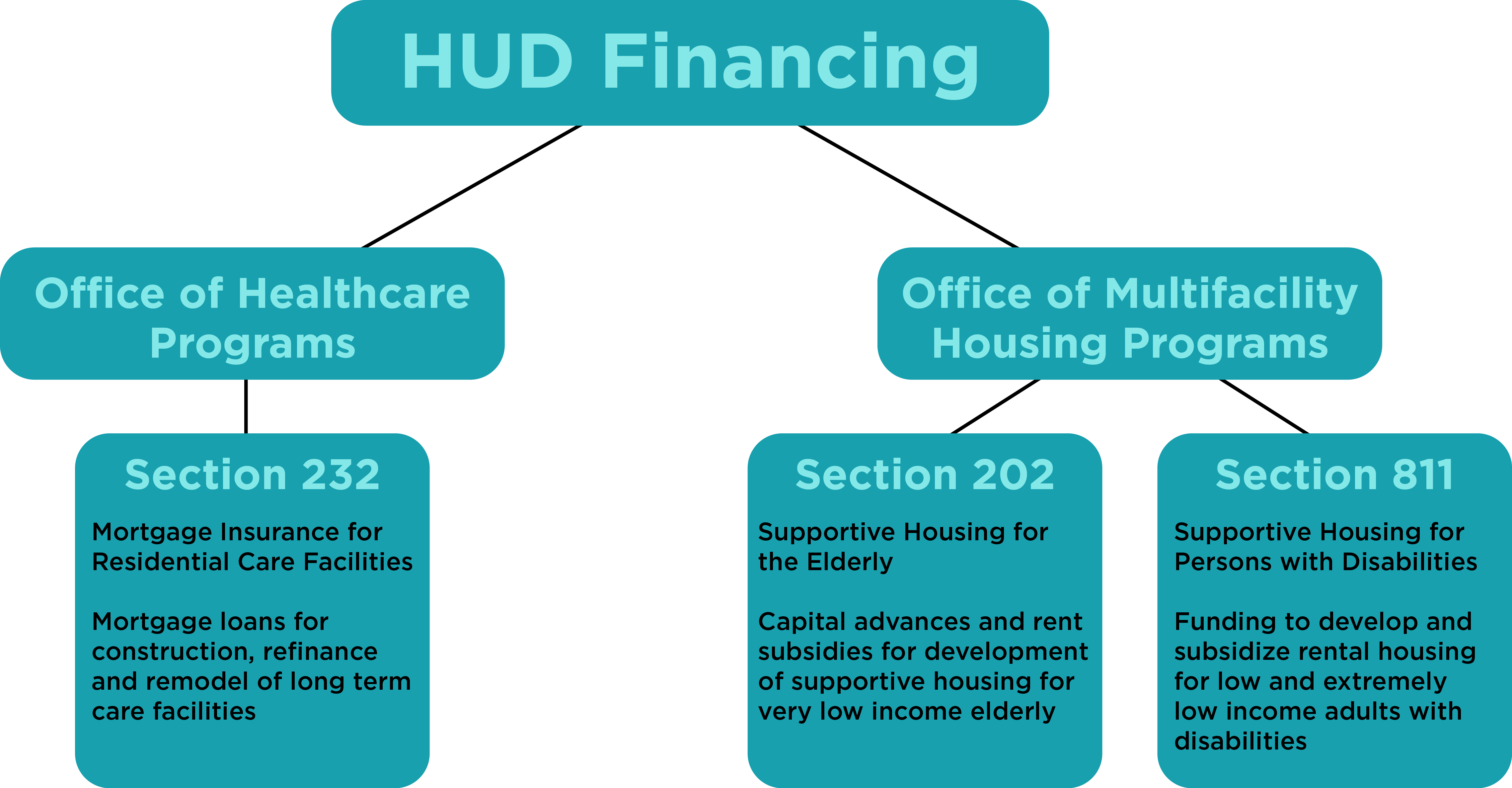
Beyond FHA loans, HUD also oversees other financial instruments and programs. For instance, HUD assists in the financing of multifamily housing projects, provides grants for community development block grants (CDBG), and manages the sale of HUD-owned properties—homes that have been foreclosed on FHA-insured mortgages. Furthermore, HUD offers specialized loan programs tailored to specific populations or needs, such as Section 184 loans for Native American borrowers and Section 203(k) loans for home renovation and repair. While the term “HUD loan” is most commonly associated with FHA mortgages, it’s important to recognize the department’s wider influence and diverse financial offerings designed to bolster housing accessibility and stability across the country.
Types of HUD Loans and Their Primary Objectives
While the term “HUD loan” is often used interchangeably with FHA loans, it’s important to recognize that HUD oversees a variety of programs and initiatives, each with distinct objectives. These programs are tailored to meet diverse housing needs, from facilitating home purchases to encouraging community revitalization.
FHA Loans: A Cornerstone of HUD Lending
The Federal Housing Administration (FHA) is the most prominent component of HUD’s lending support. FHA loans are mortgage loans issued by private lenders and insured by the FHA. This insurance protects lenders against losses if a borrower defaults, which in turn allows lenders to offer more attractive terms to a wider range of borrowers.
Eligibility and Benefits of FHA Loans
FHA loans are particularly popular among first-time homebuyers and those with less-than-perfect credit or limited funds for a down payment. The eligibility requirements are generally more flexible than for conventional loans:
-
Lower Down Payment: Borrowers can qualify with a down payment as low as 3.5% of the purchase price, provided they have a credit score of 580 or higher. For those with credit scores between 500 and 579, a 10% down payment is typically required.
-
More Lenient Credit Requirements: While a minimum credit score is needed, FHA guidelines are more forgiving of past credit issues compared to conventional mortgages.
-
Debt-to-Income Ratios: FHA allows for slightly higher debt-to-income ratios than some conventional loans, providing more flexibility for borrowers with existing financial obligations.
-
Assumability: FHA loans are assumable, meaning a qualified buyer can take over the seller’s mortgage, which can be an attractive feature in certain market conditions.
Specific FHA Programs (e.g., 203(b), 203(k))
-
FHA 203(b) Basic Mortgage Insurance: This is the most common FHA loan program, designed for the purchase or refinance of 1-4 unit family homes. It’s ideal for those seeking a standard mortgage with flexible terms.
-
FHA 203(k) Rehabilitation Mortgage Insurance: This unique program allows homebuyers to finance the purchase of a house and the cost of its renovation or repair into a single mortgage. It’s a powerful tool for buyers interested in properties that need significant work, enabling them to improve a home and increase its value without taking out a separate construction loan. There are two types: the “Standard 203(k)” for major structural repairs and a “Limited 203(k)” for non-structural repairs up to a certain limit.
HUD-Owned Home Sales (and Financing Options)
When a homeowner with an FHA-insured mortgage defaults, and the lender forecloses on the property, HUD often takes ownership of the home. These properties are then sold through HUD’s asset management program. While not a loan in itself, purchasing a HUD-owned home can be a direct interaction with HUD, and buyers often use FHA loans to finance these purchases, sometimes with special incentives. These sales typically occur through a bidding process, and priority is often given to owner-occupant buyers.
Other Specialized HUD Programs
Beyond FHA loans, HUD offers several other specialized programs designed to address specific housing needs:
-
Section 184 Indian Home Loan Guarantee Program: This program provides mortgage insurance to lenders making loans to eligible Native American and Alaska Native individuals, families, and tribes to purchase, construct, or rehabilitate homes on and off native lands. It addresses the unique challenges often faced by borrowers in these communities.
-
Good Neighbor Next Door Program: This initiative helps to revitalize communities by offering substantial discounts (50% off the list price) on HUD-owned homes to eligible law enforcement officers, teachers, firefighters, and emergency medical technicians. Participants must commit to living in the property for at least three years as their sole residence.
-
HOME Investment Partnerships Program: While not a direct loan program for individuals, HOME provides grants to states and local governments to fund a wide range of affordable housing activities, including building, buying, and rehabilitating affordable housing for rent or homeownership, or providing direct rental assistance to low-income people.
These diverse programs underscore HUD’s commitment to fostering accessible and affordable housing options for a broad spectrum of the American population, addressing various financial situations and community needs.
Key Benefits and Drawbacks of HUD Loans
HUD loans, particularly FHA-insured mortgages, represent a critical financial tool for many prospective homeowners. However, like any financial product, they come with a distinct set of advantages and disadvantages that borrowers must weigh carefully.
Advantages for Borrowers
The primary appeal of HUD loans lies in their accessibility, designed to serve individuals and families who might face barriers to conventional financing.
-
Lower Down Payments: This is arguably the most significant benefit. FHA loans permit down payments as low as 3.5%, making homeownership achievable for those who haven’t saved a substantial sum. This contrasts sharply with conventional loans, which often require 5%, 10%, 20%, or even higher down payments to avoid private mortgage insurance (PMI).
-
More Lenient Credit Requirements: FHA guidelines are more forgiving when it comes to credit scores. While a minimum credit score is still necessary (typically 580 for 3.5% down, or 500-579 with 10% down), these thresholds are considerably lower than those for many conventional mortgages, which often demand scores in the mid-600s or higher. This flexibility allows individuals with past credit challenges or limited credit history to qualify.
-
Competitive Interest Rates: Due to the government insurance that reduces risk for lenders, FHA loans often offer competitive interest rates. This can translate to lower monthly mortgage payments and significant savings over the life of the loan, especially for borrowers who might otherwise be relegated to higher rates due to their financial profile.
-
Mortgage Insurance Protection: While it comes at a cost, the FHA’s mortgage insurance protects the lender, which in turn enables them to offer loans on more favorable terms. This insurance is crucial for the existence of the program itself, allowing millions to achieve homeownership.
-
Assumability: FHA loans are assumable, meaning a qualified buyer can take over the existing mortgage from the seller. In a rising interest rate environment, this can be a significant selling point for a home, as the new buyer gets to keep the old, potentially lower, interest rate.
Potential Disadvantages and Considerations
Despite their significant benefits, HUD loans do come with certain drawbacks and considerations that borrowers should be aware of before committing.
-
Mortgage Insurance Premiums (MIP): Unlike conventional loans where private mortgage insurance (PMI) can often be canceled once sufficient equity is built, FHA loans require both an upfront mortgage insurance premium (UFMIP) and an annual mortgage insurance premium (MIP). The UFMIP is typically 1.75% of the loan amount and can be financed into the loan. The annual MIP, paid monthly, typically lasts for the entire life of the loan if the borrower puts down less than 10%, or for 11 years if they put down 10% or more. This ongoing cost adds to the overall expense of the mortgage.
-
Property Requirements and Appraisals: FHA loans have specific property standards aimed at ensuring the home is safe, sound, and secure. Properties must meet certain health and safety guidelines, and the appraisal process can be more stringent than for conventional loans. While this protects the buyer, it can sometimes lead to delays or require sellers to make repairs before closing, which may not always be feasible.
-
Loan Limits: FHA loans have specific loan limits that vary by county and are set annually. These limits determine the maximum amount that can be borrowed through an FHA-insured mortgage. While these limits are often sufficient for most homebuyers, they can be restrictive in high-cost housing markets, potentially pushing buyers towards conventional jumbo loans if they need to borrow more.
-
Occupancy Requirements: FHA loans are primarily for owner-occupied properties. Borrowers must intend to live in the home as their primary residence for a significant portion of the loan term. This makes them unsuitable for pure investment properties where the owner does not intend to reside.
Understanding both the robust advantages and the specific considerations of HUD loans is essential for making an informed decision. For many, the benefits of lower down payments and more flexible credit requirements far outweigh the costs of MIP, making homeownership a tangible reality.
The Application Process for a HUD Loan
Securing a HUD loan, specifically an FHA-insured mortgage, involves a structured process that, while similar to conventional loan applications, has its unique nuances. Understanding these steps can help streamline your journey to homeownership.
Finding an Approved Lender
The first and most critical step is to find an FHA-approved lender. Remember, HUD and the FHA do not lend money directly; they insure loans originated by private financial institutions. Most major banks, credit unions, and mortgage companies are FHA-approved.
-
Research and Compare: It’s advisable to shop around and compare offers from several lenders. Look at interest rates, closing costs, and the lender’s experience with FHA loans.
-
Pre-qualification/Pre-approval: Start with a pre-qualification to get an estimate of how much you might be able to borrow. Even better, get pre-approved. Pre-approval involves a more thorough review of your finances, including a credit check, and provides a conditional commitment from a lender, which strengthens your offer when you find a home.
Documentation and Underwriting
Once you’ve chosen a lender, you’ll embark on the formal application process, which involves submitting extensive documentation for underwriting. The underwriter’s job is to assess the risk of lending to you and ensure the loan meets all FHA guidelines.
-
Personal and Financial Information: You’ll need to provide proof of income (pay stubs, W-2s, tax returns), employment history, bank statements, and information on any other assets or debts.
-
Credit Check: The lender will pull your credit report to assess your creditworthiness. While FHA guidelines are more flexible, a consistent payment history and manageable debt load are still crucial.
-
Property Appraisal and Inspection: Once you’ve made an offer on a home and it’s accepted, an FHA-approved appraiser will evaluate the property to ensure it meets FHA minimum property standards (MPS) regarding health, safety, and structural soundness. This appraisal also determines the home’s market value. While not a substitute for a home inspection, the FHA appraisal does look for specific issues that could impact the home’s eligibility. It is highly recommended that buyers also get an independent home inspection.
-
Mortgage Insurance Premiums (MIP): You’ll be informed about the upfront mortgage insurance premium (UFMIP) and the annual mortgage insurance premium (MIP) that will be part of your loan. The UFMIP is typically financed into the loan, while the annual MIP is paid monthly.
Closing and Post-Approval Steps
After the underwriting process is complete and your loan is approved, you’ll move towards closing.
-
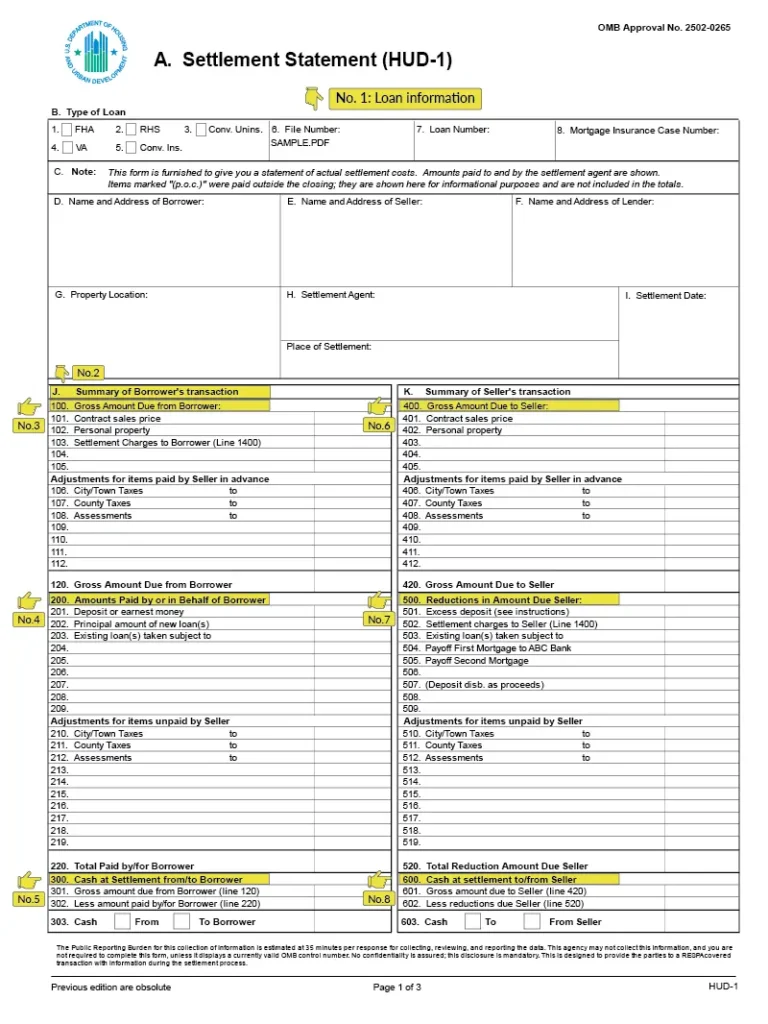
Final Review: Before closing, you’ll receive a Closing Disclosure, which details all the terms of your loan, including interest rate, monthly payments, and closing costs. Review this document carefully for any discrepancies.
-
Closing Day: This is when all parties (buyer, seller, lender, title company) sign the necessary documents to transfer ownership and finalize the loan. You will pay your closing costs, which typically include attorney fees, title insurance, recording fees, and prepaid items like property taxes and homeowner’s insurance.
-
Post-Closing: Once the loan closes, you become the homeowner, and your responsibility is to make timely mortgage payments according to the agreed-upon terms. Your lender will be your primary point of contact for any questions regarding your mortgage.
The application for an FHA-insured loan, while requiring diligence, is designed to be accessible. By understanding each step and preparing the necessary documentation, borrowers can navigate the process efficiently and successfully achieve their homeownership goals through a HUD loan.
Who Benefits Most from HUD Loans?
HUD loans, particularly those insured by the FHA, are specifically structured to address gaps in the conventional lending market, making homeownership a reality for specific demographics that might otherwise struggle to qualify. Identifying these beneficiaries is key to understanding the profound impact of these programs.
First-Time Homebuyers
Perhaps the largest group to benefit from FHA loans are first-time homebuyers. The initial hurdle for many aspiring homeowners is accumulating a sufficient down payment. With FHA loans requiring as little as 3.5% down, this barrier is significantly lowered. Many first-time buyers are also early in their careers, potentially having less established credit histories or higher debt-to-income ratios than more seasoned homeowners. The FHA’s more flexible underwriting guidelines provide a critical entry point into the housing market for this demographic, fostering financial stability and wealth building from an earlier stage in life.
Individuals with Moderate Credit Scores
The traditional lending landscape often penalizes borrowers with credit scores below excellent, leading to higher interest rates or outright denial. FHA loans, however, offer a viable alternative for individuals with moderate credit scores—typically in the 580-660 range. While a higher score will always yield better terms, the FHA’s willingness to insure loans for those with scores as low as 500 (with a higher down payment) provides a pathway to homeownership that conventional lenders often do not. This inclusivity allows for financial recovery and opportunity, recognizing that a credit score doesn’t always tell the whole financial story.
Buyers with Limited Down Payment Funds
Beyond first-time buyers, anyone with limited cash reserves for a down payment can greatly benefit. This includes individuals who may have owned homes before but are now facing new financial circumstances, or those living in high-cost-of-living areas where even a modest down payment can amount to tens of thousands of dollars. The 3.5% down payment option, coupled with the ability to finance closing costs or receive seller concessions, means that less upfront capital is needed to close on a home. This frees up funds for moving expenses, initial repairs, or simply maintaining an emergency fund, which is crucial for new homeowners.
Those Seeking Renovation Financing
The FHA 203(k) loan program specifically targets buyers interested in homes that need significant repairs or renovations. This is a game-changer for individuals who want to purchase a fixer-upper but lack the immediate cash or the ability to secure a separate construction loan. The 203(k) allows borrowers to roll the cost of the home and its rehabilitation into a single mortgage. This is particularly beneficial in areas with an abundance of older homes that require modernization, enabling buyers to transform distressed properties into dream homes while simultaneously contributing to community revitalization. Without the 203(k), many of these properties might remain uninhabitable or require complex, costly financing arrangements.
In essence, HUD loans serve as a vital financial safety net and opportunity creator, empowering a diverse group of Americans to achieve their housing goals. By addressing common barriers like down payment size, credit score requirements, and renovation costs, these programs underscore HUD’s commitment to making the American dream of homeownership accessible to a broader, more inclusive population.
Conclusion
The term “HUD loan,” primarily embodied by FHA-insured mortgages, represents a critical cornerstone of accessible home financing in the United States. Far from being direct government loans in most cases, these programs function as a robust system of mortgage insurance, enabling private lenders to offer more lenient terms to a broader spectrum of borrowers. From lowering the hurdle of substantial down payments to accommodating less-than-perfect credit scores, HUD’s initiatives are meticulously designed to democratize homeownership, fostering stability and wealth creation across diverse communities.
Understanding what constitutes a HUD loan, the various programs it encompasses—such as the widely utilized FHA 203(b) and the renovation-focused 203(k)—and the specific benefits and considerations is paramount for any prospective homeowner. While the advantages of lower down payments, flexible credit requirements, and competitive interest rates are compelling, borrowers must also weigh the implications of mortgage insurance premiums and specific property standards. The structured application process, from finding an FHA-approved lender to navigating the underwriting and closing stages, is designed to be thorough yet achievable.
Ultimately, HUD loans serve as a powerful catalyst for aspiring homeowners, particularly first-time buyers, individuals with moderate credit, those with limited upfront capital, and those envisioning a home renovation project. By providing an inclusive pathway to property ownership, these programs not only help individuals achieve their personal dreams but also contribute significantly to the economic vitality and social fabric of communities nationwide. For many, a HUD loan isn’t just a financial product; it’s the key to unlocking the American dream of owning a place to call home.
aViewFromTheCave is a participant in the Amazon Services LLC Associates Program, an affiliate advertising program designed to provide a means for sites to earn advertising fees by advertising and linking to Amazon.com. Amazon, the Amazon logo, AmazonSupply, and the AmazonSupply logo are trademarks of Amazon.com, Inc. or its affiliates. As an Amazon Associate we earn affiliate commissions from qualifying purchases.