
In the dynamic world of automotive design and branding, few body styles evoke as much passion and distinct identity as the coupe. More than just a simple categorization, the coupe represents a carefully crafted brand statement, a deliberate choice by manufacturers to convey specific values, aesthetics, and driving experiences. For consumers, it often signifies a departure from pure practicality, embracing instead a blend of performance, luxury, and a strong sense of personal style. To truly understand “what is a coupe vehicle,” one must delve beyond its basic structural definition and explore the intricate layers of design, marketing, and brand strategy that shape its enduring appeal.

At its core, a coupe (derived from the French word “coupé,” meaning “cut”) traditionally denotes a two-door passenger car with a fixed roof and a typically sportier, more compact silhouette than a sedan. However, this foundational definition has evolved significantly over time, becoming increasingly nuanced and, at times, strategically stretched by automotive brands seeking to innovate and capture new markets. What remains consistent, however, is the coupe’s role as a potent symbol within a brand’s portfolio, communicating attributes like dynamism, exclusivity, and sophisticated design.
The Defining Aesthetics: Design as a Brand Statement
The very essence of a coupe lies in its visual identity. Automotive brands invest heavily in sculpting these vehicles, understanding that their aesthetic appeal is paramount to their market positioning. Every line, curve, and proportion is meticulously designed to project a specific image and attract a discerning clientele.
The Signature Silhouette: Form Follows Brand Identity
The most identifiable characteristic of a coupe is its distinctive silhouette. Unlike the more upright, practical profile of a sedan or SUV, a coupe is defined by its sleek, often sloping roofline that gracefully descends towards the rear. This “fastback” or “notchback” design is not merely an artistic flourish; it is a fundamental element of brand identity. For luxury and performance brands like Porsche, BMW, or Mercedes-Benz, the coupe’s low-slung, aerodynamic profile is synonymous with speed, agility, and premium status. The interplay between the vehicle’s length, height, and width is carefully managed to create a sense of forward motion, even at a standstill.
The pillar structure also plays a critical role. With fewer doors, the B-pillar (the one behind the front seats) is often less prominent or even entirely absent in pillarless hardtop designs, contributing to a clean, uninterrupted side profile. This design choice not only enhances aesthetics but also serves a branding purpose: it suggests open-air freedom and a less constrained, more exclusive cabin environment. The visual continuity from front to rear, often accentuated by strong character lines and muscular haunches, crafts an image of coherence and athletic prowess, reinforcing a brand’s commitment to performance-oriented design.
Seating Configuration & Practicality: Balancing Style and Function
Historically, coupes were strictly two-seater vehicles, emphasizing performance and personal enjoyment over passenger capacity. While many purist coupes still adhere to this, the “2+2” configuration became prevalent, offering two full-sized front seats and two smaller, often less comfortable, rear seats. This strategic design choice reflects a brand’s attempt to balance the core coupe identity with a touch of versatility.
From a brand perspective, the deliberate limitation of rear passenger space is often framed as a feature, not a drawback. It reinforces the idea of exclusivity and a focus on the driver and one primary passenger. Brands selling 2+2 coupes tacitly acknowledge that while their buyers appreciate the occasional need for extra seating, their primary motivation is the style, performance, and emotional connection of a two-door vehicle. This balance allows brands to market coupes to a slightly broader audience than pure two-seaters, without diluting the core brand message of sportiness and individuality. For example, a BMW 4 Series Coupe, while offering rear seats, still clearly communicates a more driver-focused, engaging experience than its 3 Series sedan counterpart.
Doors and Proportions: Crafting an Exclusive Image
The defining characteristic of having two doors is perhaps the most fundamental aspect of a coupe, and it profoundly impacts its brand messaging. Fewer doors inherently translate to longer doors, which contribute to a more expansive, flowing side profile. This design choice immediately differentiates a coupe from its more common four-door counterparts, signaling a less utilitarian, more specialized vehicle.
The elongated doors are an integral part of crafting an exclusive image. They require a larger parking space for full opening and can make rear-seat access challenging, but these minor inconveniences are often accepted as part of the “coupe experience.” For brands, this trade-off is intentional: the visual impact of those long, elegant doors, unbroken by an extra set of handles, speaks volumes about the vehicle’s premium status and its focus on individual style rather than family hauling. Proportionality is key; designers meticulously adjust the length of the hood, cabin, and trunk to achieve an aesthetically pleasing “stance” that suggests power and grace. This careful manipulation of proportions is a signature move for brands like Aston Martin or Maserati, where the coupe’s form is central to their luxurious and sporting identities.
Brand Positioning: More Than Just a Body Style
Beyond their physical characteristics, coupes hold a specific position within an automotive brand’s hierarchy. They are often the aspirational models, designed to embody the peak performance, luxury, or technological prowess of a marque. This strategic positioning is vital for attracting specific demographics and reinforcing a brand’s overall image.
Performance and Sportiness: The Dynamic Brand Image
For many automotive brands, the coupe is the quintessential performance vehicle. Its lighter weight (due to fewer doors), lower center of gravity, and aerodynamic shape are inherently conducive to speed and agility. Brands like Porsche, with its iconic 911, have built their entire identity around the coupe body style, making it synonymous with precision engineering, race-bred performance, and exhilarating driving dynamics. Similarly, Mercedes-AMG and BMW M-series coupes are positioned as the pinnacle of their respective performance sub-brands, offering track-ready capabilities wrapped in stunning, aggressive designs.
The marketing of these vehicles heavily emphasizes horsepower figures, acceleration times, and advanced suspension systems, all presented within the context of the coupe’s sleek form. The coupe body style becomes a visual shorthand for excitement and driving pleasure. This dynamic brand image appeals to enthusiasts who value the thrill of the drive and a car that communicates their passion for performance. Manufacturers carefully curate the driving experience of their coupes, ensuring it aligns with the exterior design and reinforcing the brand promise of an engaging ride.
Luxury and Exclusivity: Crafting a Premium Narrative
Coupes also serve as powerful symbols of luxury and exclusivity. High-end brands like Bentley, Rolls-Royce, and Lexus leverage the coupe body style to offer some of their most opulent and unique models. In these instances, the intentional limitations in practicality (like reduced passenger capacity or cargo space) are not seen as deficits but as deliberate choices that enhance the vehicle’s exclusive aura.
The narrative crafted around luxury coupes focuses on bespoke craftsmanship, premium materials, advanced technology, and unparalleled comfort for the occupants. The price point, often significantly higher than a comparable sedan, further reinforces this exclusivity. For these brands, the coupe is about catering to a discerning clientele who seek not just transportation, but an ultimate expression of personal taste and status. The limited production numbers of many luxury coupes also contribute to their desirability, making them collector’s items and cementing their position at the apex of a brand’s offering. The design, in this context, is less about raw speed and more about elegant lines, meticulous detailing, and a timeless aesthetic that conveys wealth and sophistication.

The Lifestyle Appeal: Marketing an Experience
Crucially, automotive brands don’t just sell coupes; they sell a lifestyle. Marketing campaigns for coupes frequently depict scenarios of freedom, adventure, youthfulness, and success. The car becomes an extension of the owner’s personality – confident, stylish, and unburdened by everyday conventions. Advertisements often feature individuals enjoying scenic drives, arriving at exclusive events, or simply embodying a vibrant, active existence.
This “lifestyle branding” is a potent tool for creating an emotional connection with potential buyers. For a young professional, a coupe might symbolize achievement and upward mobility; for an empty-nester, it might represent a renewed sense of freedom and indulgence. Brands understand that purchasing a coupe is often an emotional decision, driven by aspirations and desires rather than purely rational needs. Therefore, their marketing strategies meticulously craft narratives that resonate with these aspirations, positioning the coupe as the key to unlocking a desired way of life.
Evolution and Diversification: Adapting the Coupe Brand
The definition of a coupe has not remained static. As automotive brands strive for innovation and market differentiation, they have both honored and challenged the traditional boundaries of the body style, leading to fascinating evolutions.
From Classic Grand Tourer to Modern Sportscar
The coupe’s lineage stretches back to the early days of motoring, often taking the form of the “Grand Tourer” (GT). These cars, like the original Aston Martin DB series or early Ferrari models, were designed for long-distance, high-speed travel in comfort and style. They embodied elegance, power, and the freedom of the open road, solidifying the coupe’s brand identity as a vehicle for sophisticated adventurers.
Over time, as engineering advanced and performance became more accessible, the coupe diversified. It spawned dedicated sports cars that prioritized agility and raw speed, and it also informed the design of more attainable personal luxury cars. Brands have consistently adapted their coupe offerings to reflect changing consumer tastes, technological capabilities, and competitive landscapes, all while retaining the core brand values associated with the body style: excitement, design excellence, and a driver-centric focus.
The Rise of Four-Door Coupes: Blurring Brand Lines
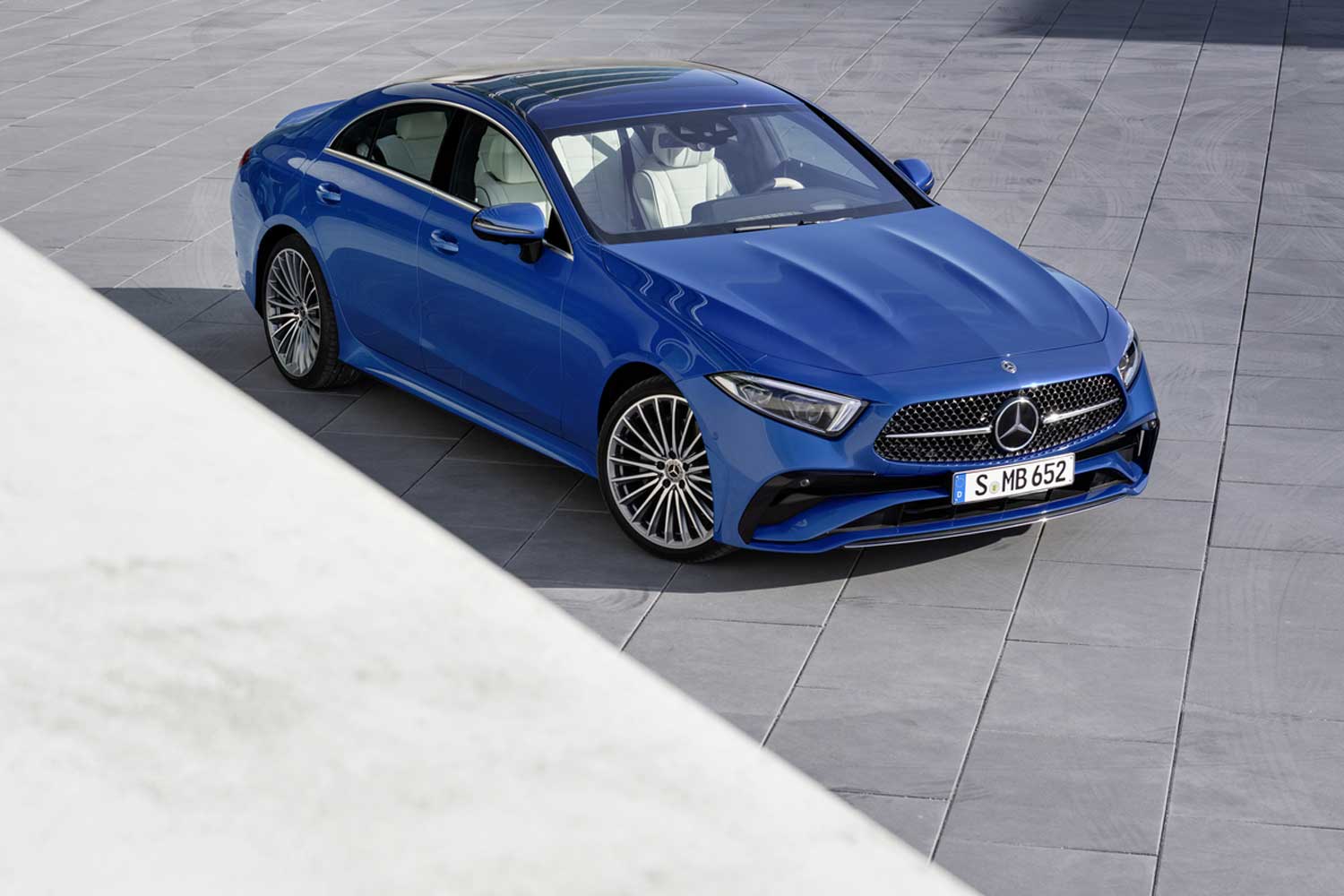
One of the most significant and debated evolutions in coupe branding has been the emergence of the “four-door coupe.” Pioneered by the Mercedes-Benz CLS in 2004, this body style controversially challenged the two-door fundamental. Brands recognized a market demand for the sleek, sloping roofline aesthetics of a coupe combined with the practicality of four doors.
The branding genius (or audacity) behind the four-door coupe lies in its ability to offer a compromise without entirely abandoning the aspirational image. It allowed brands to extend the “coupe lifestyle” to consumers who still required rear-seat access and ease of entry/exit but were unwilling to sacrifice dynamic styling. This innovation enabled brands to create new segments and attract buyers who might otherwise have opted for a more traditional sedan. While purists might argue they aren’t “true” coupes, the marketing success of models like the Audi A7, BMW 8 Series Gran Coupe, and Porsche Panamera demonstrates the power of design-led branding to redefine categories and capture new market share.
Electric Coupes and Future Brand Identity
The advent of electric vehicles (EVs) is once again reshaping the landscape for coupe design and branding. With no need for a large internal combustion engine or exhaust systems, designers have unprecedented freedom to sculpt even more aerodynamic and visually striking forms. Electric coupes are becoming showcases for futuristic design language and advanced technology, pushing the boundaries of what a performance or luxury vehicle can be.
Brands like Porsche with its Taycan or Hyundai with the Ioniq 6 are demonstrating how electric powertrains can enhance the coupe’s inherent advantages in aerodynamics and allow for new interpretations of the classic silhouette. For manufacturers, electric coupes offer a powerful opportunity to position themselves at the forefront of innovation, sustainability, and high-performance electric mobility. They represent a new chapter in the coupe’s brand story, blending traditional values of style and dynamism with a forward-looking vision of electrified luxury and performance.
The Emotional Connection: Building Brand Loyalty
Ultimately, the enduring success of the coupe as a body style is deeply rooted in its ability to forge a strong emotional connection with consumers. This connection is meticulously cultivated through design and marketing, contributing significantly to brand loyalty.
Design as a Language: Communicating Brand Values
Every automotive brand possesses a unique design language, a set of recurring visual cues that make their vehicles instantly recognizable. For coupes, this language is amplified. Features like BMW’s Hofmeister kink, Porsche’s flyline roof, or Audi’s sharp, aggressive lines are not random elements; they are integral parts of a brand’s corporate identity. These design elements communicate specific values – precision for BMW, heritage and performance for Porsche, technological advancement for Audi.
When a consumer chooses a coupe from a particular brand, they are buying into these communicated values. The design of the coupe becomes a non-verbal affirmation of the brand’s promise and the buyer’s alignment with those values. It’s a statement piece that speaks volumes about the brand’s commitment to aesthetic excellence and the buyer’s appreciation for it.
The Driver-Centric Experience: Fostering Engagement
Coupes, by their very nature, are often designed with the driver at the forefront. The intimate cabin, the focused ergonomics, and the emphasis on handling and performance all contribute to a highly engaging driving experience. This driver-centric philosophy is a key aspect of how brands build loyalty. When a car makes you feel connected to the road, when it responds precisely to your inputs, and when it evokes a sense of joy and control, it creates a powerful bond.
Brands meticulously engineer their coupes to deliver this emotional engagement. From the sound of the engine (even if digitally enhanced) to the feel of the steering wheel, every detail is considered to enhance the driver’s connection to the machine. This focus on an unparalleled driving experience translates into strong brand advocacy and repeat purchases, as owners become emotionally invested in the unique relationship they have with their coupe.
In conclusion, “what is a coupe vehicle” is a question that transcends a simple technical definition. It is a testament to the power of design, marketing, and brand strategy within the automotive industry. A coupe is a meticulously crafted brand statement, designed to evoke emotion, signify status, and deliver a distinct driving experience. Whether a classic two-seater, a luxurious grand tourer, or an innovative electric four-door interpretation, the coupe remains a potent symbol of aspiration, performance, and individual style, continuously evolving but always retaining its unique position in the hearts and minds of car enthusiasts worldwide.
aViewFromTheCave is a participant in the Amazon Services LLC Associates Program, an affiliate advertising program designed to provide a means for sites to earn advertising fees by advertising and linking to Amazon.com. Amazon, the Amazon logo, AmazonSupply, and the AmazonSupply logo are trademarks of Amazon.com, Inc. or its affiliates. As an Amazon Associate we earn affiliate commissions from qualifying purchases.