
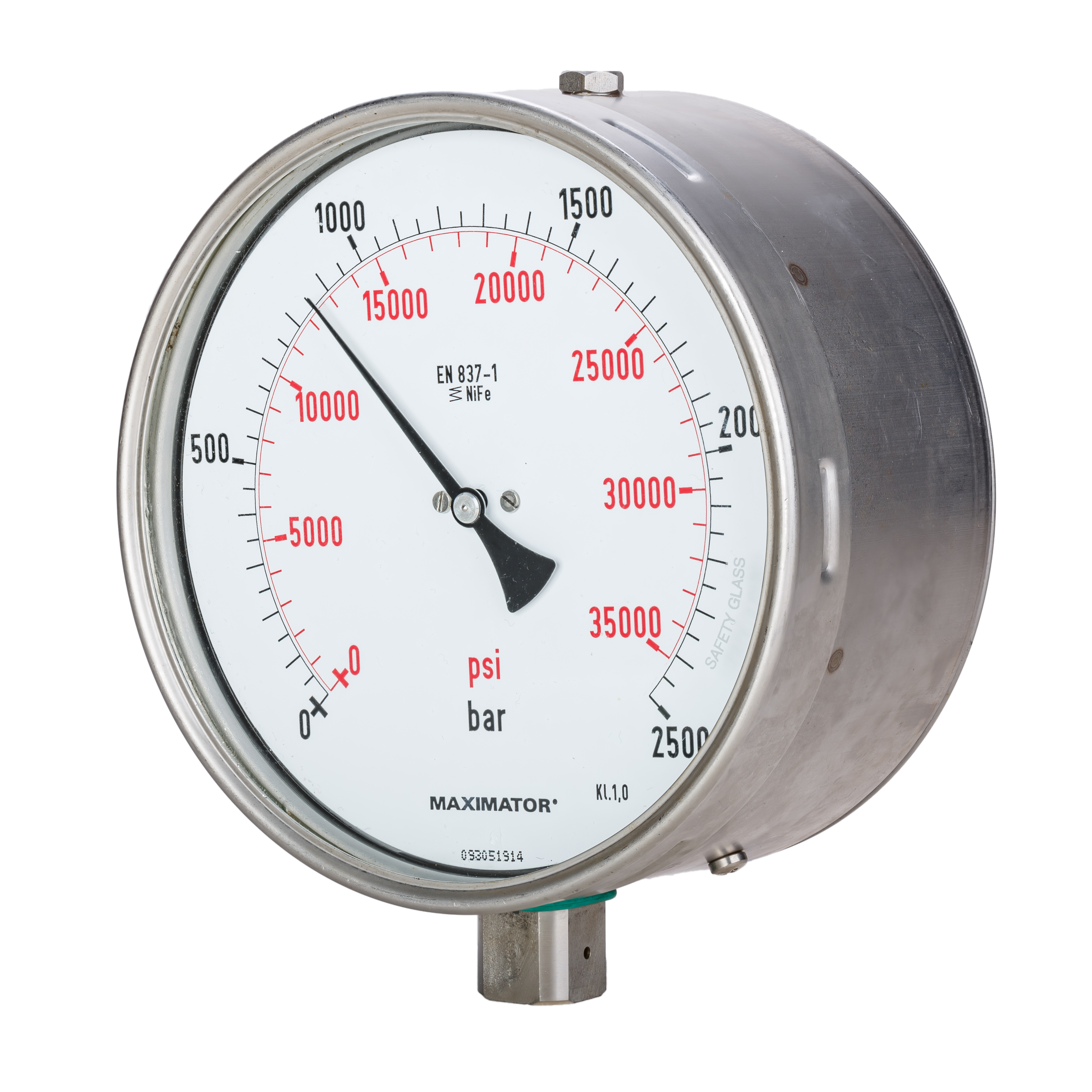
Barometric pressure, the weight of the air column pressing down on the Earth’s surface, is an invisible yet profoundly influential force shaping our world. From dictating daily weather patterns to ensuring safe air travel, its measurement is critical across a myriad of applications. To harness this vital data, a specialized category of technological instruments has been developed and refined over centuries. The primary instrument used to measure barometric pressure is the barometer, a device whose ingenuity has evolved dramatically from its rudimentary origins to its sophisticated digital forms today. This article delves into the fascinating technology behind barometers, exploring their historical development, modern iterations, and the diverse applications that underscore their significance in our interconnected world.
Understanding Barometric Pressure and Its Significance
Before exploring the instruments themselves, it’s essential to grasp what barometric pressure is and why its accurate measurement holds such immense importance across various domains.
The Invisible Force: Defining Barometric Pressure
Barometric pressure, also known as atmospheric pressure, is fundamentally the force exerted by the atmosphere at a given point on Earth’s surface. Air, despite appearing weightless, is composed of molecules that have mass and are subject to gravity. The cumulative weight of all these air molecules above a specific area creates pressure. This pressure isn’t constant; it fluctuates with changes in temperature, altitude, and humidity, as well as with the movement of weather systems.
Measurement units for barometric pressure include hectopascals (hPa) or millibars (mbar), which are commonly used in meteorology, and inches of mercury (inHg) or millimeters of mercury (mmHg), which derive from the older mercury barometer designs. A standard atmospheric pressure at sea level is approximately 1013.25 hPa, 29.92 inHg, or 760 mmHg. Understanding these subtle shifts is key to unlocking critical insights into our environment.
Why It Matters: Applications in Weather and Beyond
The significance of barometric pressure extends far beyond academic curiosity. Its measurement is a cornerstone of numerous practical applications:
-
Weather Forecasting: This is arguably the most well-known application. Falling barometric pressure often indicates approaching storms or deteriorating weather, while rising pressure typically signals stable, clear conditions. Meteorologists rely on barometric pressure data from a global network of sensors to track high- and low-pressure systems, predict fronts, and issue warnings for severe weather events.
-
Aviation: Pilots depend heavily on barometric pressure readings. Altimeters in aircraft are essentially specialized barometers calibrated to display altitude based on atmospheric pressure. Accurate pressure readings are vital for maintaining safe separation between aircraft and terrain, especially during takeoffs and landings. Pressure altitude, derived from barometric pressure, is also critical for engine performance calculations.
-
Marine Navigation: Sailors use barometers to anticipate changes in weather conditions at sea, which can be critical for safety and efficient navigation. Sudden drops in pressure can herald severe storms, providing crews with precious time to prepare.
-
Scientific Research: Researchers in fields like climatology, environmental science, and physics use barometric pressure data to study atmospheric dynamics, climate change, and even to calibrate other scientific instruments that are sensitive to pressure variations.
-
Mountaineering and Outdoor Activities: Hikers and mountaineers use portable barometers (often integrated into smartwatches or GPS devices) to track altitude changes and gain an early warning of approaching weather shifts in remote areas.
The pervasive influence of barometric pressure across these diverse fields highlights why the technology for its accurate measurement has been a continuous area of innovation.
The Evolution of Barometric Pressure Measurement
The journey of the barometer from a scientific curiosity to an indispensable technological tool is a testament to human ingenuity and the persistent quest to understand our environment.
The Mercury Barometer: A Historical Landmark
The concept of measuring atmospheric pressure was first definitively demonstrated in the mid-17th century by the Italian physicist and mathematician Evangelista Torricelli. In 1643, building on Galileo’s work, Torricelli invented the mercury barometer. His device consisted of an inverted glass tube, approximately one meter long, sealed at one end and filled with mercury. The open end was then submerged into a basin of mercury. Torricelli observed that the mercury column in the tube did not fully drain but settled at a certain height, typically around 760 mm (29.9 inches) above the mercury level in the basin. He correctly deduced that the weight of the atmosphere pressing down on the mercury in the basin supported the column of mercury in the tube.
The mercury barometer was revolutionary for its time, providing the first reliable quantitative measurement of atmospheric pressure. Its advantages included remarkable accuracy and a clear visual representation of pressure changes. However, it also presented significant drawbacks: it was fragile, large, and cumbersome, making it unsuitable for portable applications. Moreover, mercury is a toxic substance, posing health and environmental risks, which ultimately led to a decline in its widespread use, particularly in the latter half of the 20th century. Furthermore, its readings needed to be corrected for temperature and gravitational variations to ensure comparability.
The Aneroid Barometer: A Mechanical Marvel
The limitations of the mercury barometer spurred the development of a more practical alternative. In 1844, French scientist Lucien Vidi invented the aneroid barometer (from Greek a neros, meaning “without liquid”). This device represented a significant technological leap forward.
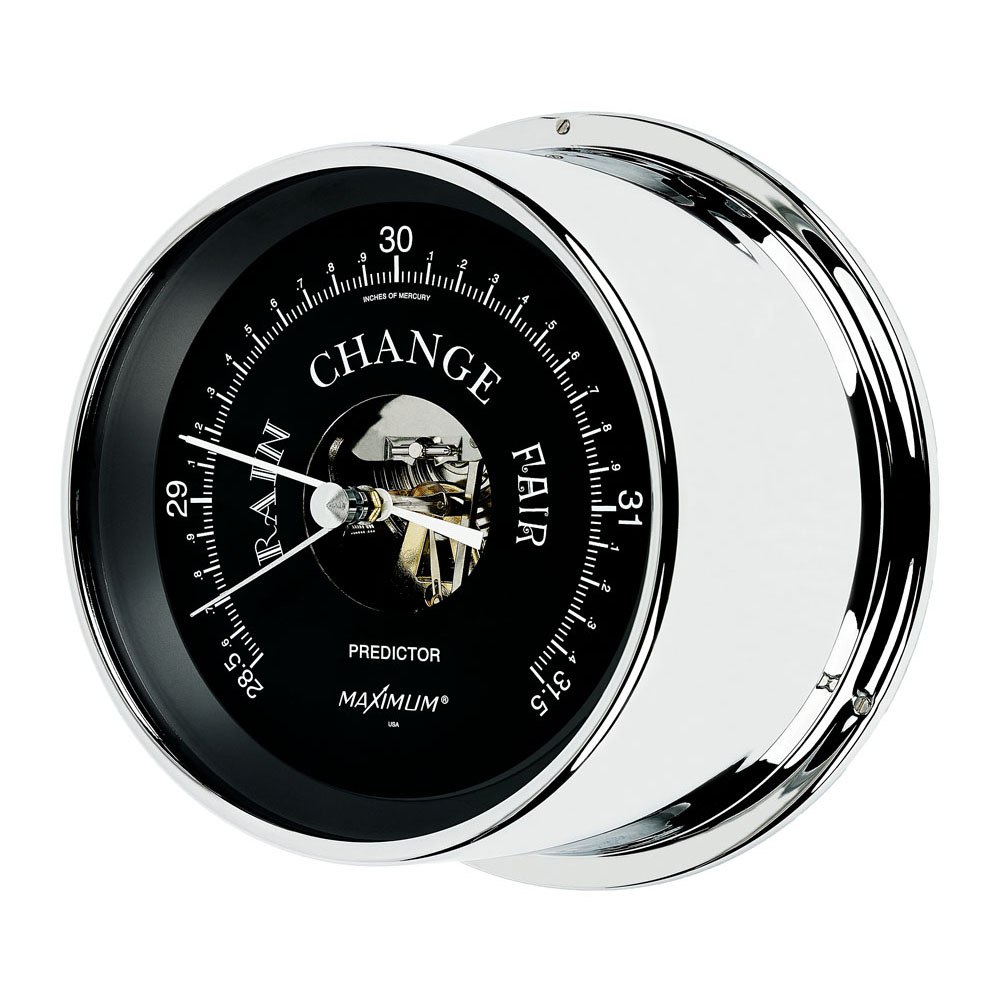
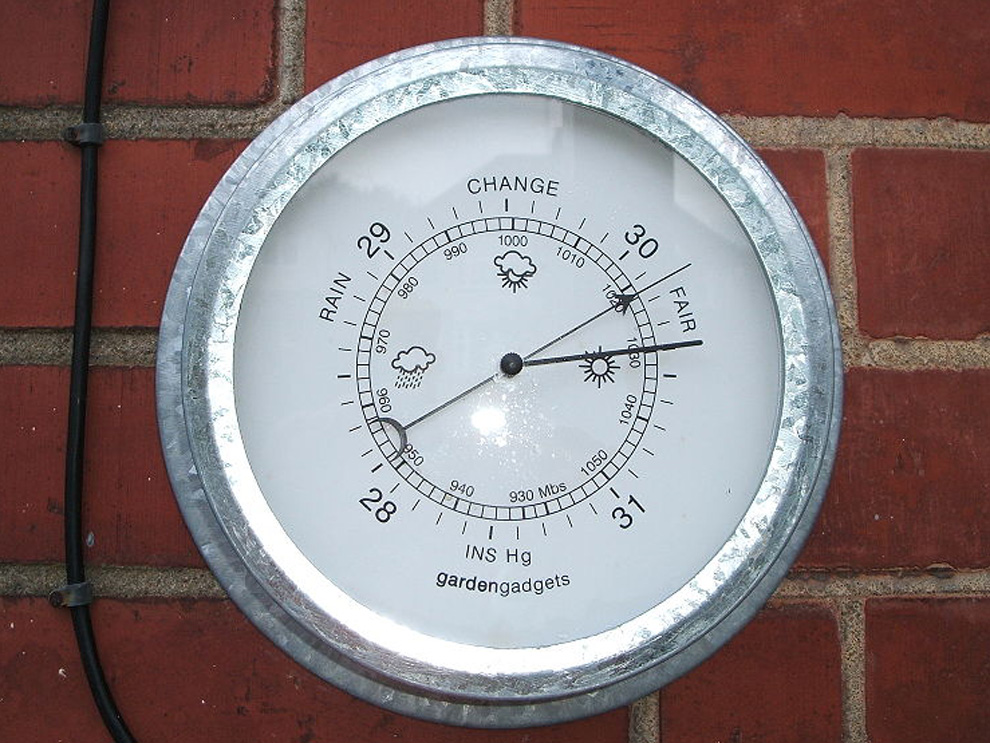
The core of an aneroid barometer is a small, sealed metal box or capsule, typically made of a flexible alloy such as beryllium copper. This capsule, known as an aneroid capsule, has had most of its air removed, creating a partial vacuum. As atmospheric pressure changes, the sides of the capsule expand or contract very slightly. A sophisticated system of levers, springs, and gears amplifies these minute movements and transmits them to a pointer on a dial, providing a direct reading of the barometric pressure.
Aneroid barometers offered several compelling advantages: they were compact, portable, robust, and did not contain hazardous mercury. These features made them ideal for integration into home weather stations, ships, and eventually aircraft as altimeters. While generally less precise than well-maintained mercury barometers, their practicality made them ubiquitous. Despite their benefits, aneroid barometers can suffer from mechanical hysteresis and may require periodic calibration as the metal capsule can fatigue over time, leading to drift in readings.
Modern Barometric Pressure Sensing Technologies
The digital age has ushered in a new era for barometric pressure measurement, transforming bulky mechanical devices into miniature, highly accurate, and integrated sensors.
Digital Barometers: Precision in the Electronic Age
The advent of micro-electro-mechanical systems (MEMS) technology has revolutionized barometric pressure sensing. Modern digital barometers primarily utilize MEMS sensors, which are incredibly small, silicon-based devices. These sensors often employ one of two main principles:
-
Piezo-resistive sensors: These sensors have a diaphragm that deforms under pressure, changing the electrical resistance of integrated resistors. This change in resistance is then converted into a pressure reading.
-
Capacitive sensors: In these sensors, the diaphragm forms one plate of a capacitor. As pressure deforms the diaphragm, the capacitance changes, which is then measured and translated into a pressure value.
Digital barometers offer a host of advantages:
-
Compact Size: They are incredibly small, allowing integration into almost any electronic device, from smartphones and smartwatches to drones and IoT sensors.
-
High Accuracy and Resolution: Modern digital barometers can achieve very high levels of precision, often outperforming traditional aneroid barometers.
-
Low Power Consumption: Their minuscule size and efficient design mean they require very little power, extending battery life in portable devices.
-
Data Logging and Connectivity: Digital output allows for easy data logging, analysis, and integration with other systems via Wi-Fi, Bluetooth, or cellular networks.
-
Temperature Compensation: Built-in temperature sensors and compensation algorithms ensure accurate readings across varying temperatures, eliminating a major challenge of older barometer types.
These characteristics have made digital barometers indispensable in contemporary technology. They power the altimeter function in your smartphone, help drones maintain stable flight, provide hyper-local weather data from smart home devices, and contribute to global weather modeling networks.
Hypsometers: Leveraging Boiling Points
While less common for general barometric pressure measurement, the hypsometer represents another fascinating technological approach. A hypsometer measures atmospheric pressure by determining the boiling point of a liquid, typically water. The principle is based on the fact that the boiling point of a liquid decreases as atmospheric pressure decreases (i.e., at higher altitudes or during low-pressure weather systems) and increases as pressure increases.
A hypsometer consists of a precisely calibrated thermometer immersed in a liquid that is brought to a boil. By accurately measuring the liquid’s boiling temperature, and knowing its specific properties, the atmospheric pressure can be calculated. These instruments are generally used in specialized scientific applications, particularly for very accurate altitude determinations or for calibrating other pressure-measuring devices in the field. Their advantage lies in their fundamental physical principle, which can offer an independent means of pressure determination, but they are not practical for continuous or rapid measurement like aneroid or digital barometers.
Choosing the Right Barometer: Factors and Considerations
With the diverse range of barometric pressure instruments available today, selecting the appropriate technology hinges on specific application requirements, balancing factors like precision, portability, and cost.
Accuracy vs. Portability: Tailoring to Your Needs
The choice of barometer often involves a trade-off between the highest possible accuracy and the need for portability and convenience. For professional meteorological stations, scientific research, or aviation calibration labs, highly precise and often stationary instruments (like well-maintained mercury barometers, though rare now, or laboratory-grade digital sensors) are paramount. These setups may involve stringent calibration procedures and environmental controls to ensure minimal error.
In contrast, consumer applications prioritize portability and integration. A hiker needs a compact, lightweight barometer built into their smartwatch or GPS device, even if it has slightly lower absolute accuracy than a lab instrument. Similarly, a smart home weather station emphasizes ease of use, connectivity, and real-time data accessibility over ultra-high precision, providing sufficient accuracy for local weather trends. Understanding the required level of precision for a given task is crucial in selecting the most suitable instrument.
Calibration and Maintenance: Ensuring Reliability
Regardless of the type, all barometers benefit from proper calibration and maintenance to ensure reliable and accurate readings over time. Aneroid barometers, with their mechanical linkages, can experience drift due to material fatigue or changes in spring tension, necessitating periodic adjustments against a known standard. Digital barometers, while more stable, can also benefit from occasional calibration, especially if they are used in critical applications or subjected to extreme environmental conditions.
Environmental factors like temperature can significantly affect barometer readings. While modern digital sensors often have integrated temperature compensation, older aneroid barometers might require manual correction or stable operating temperatures. Regular cleaning (for outdoor sensors) and ensuring the device is protected from physical shock and extreme moisture will prolong its lifespan and maintain its accuracy.
Integration and Data Analysis: The Smart Future
The true power of modern barometric pressure sensing technology lies not just in the individual readings but in the ability to integrate this data into larger systems for analysis and predictive modeling. Digital barometers, especially those using MEMS technology, are designed for seamless integration:
-
Connectivity: Devices often feature Wi-Fi, Bluetooth, or other wireless protocols to transmit data to cloud services, smartphone apps, or local networks.
-
Software and Apps: Dedicated software and mobile applications allow users to visualize pressure trends, interpret weather patterns, set alerts for rapid pressure drops, and combine barometric data with other sensor inputs (temperature, humidity) for a comprehensive environmental picture.
-
IoT and Smart Systems: Barometric pressure sensors are key components in the Internet of Things (IoT), contributing to smart home systems that can optimize heating/cooling based on approaching weather, or environmental monitoring networks that track atmospheric conditions across vast areas.
This integration transforms raw pressure data into actionable insights, empowering users and systems to make informed decisions, whether for personal convenience, operational efficiency, or critical safety measures.
The journey from Torricelli’s mercury tube to today’s minuscule silicon chips illustrates a continuous drive for greater precision, smaller form factors, and seamless integration. The barometer, in its various forms, remains an indispensable technological tool, constantly evolving to provide us with vital information about the air we breathe and the dynamic forces that shape our planet.
aViewFromTheCave is a participant in the Amazon Services LLC Associates Program, an affiliate advertising program designed to provide a means for sites to earn advertising fees by advertising and linking to Amazon.com. Amazon, the Amazon logo, AmazonSupply, and the AmazonSupply logo are trademarks of Amazon.com, Inc. or its affiliates. As an Amazon Associate we earn affiliate commissions from qualifying purchases.