
Palm oil, an incredibly versatile and cost-effective vegetable oil, has quietly woven itself into the fabric of countless consumer products worldwide. From the seemingly innocuous cookies in our pantry to the shampoo in our shower, its presence is so pervasive that many consumers remain unaware of its extensive reach. For brands, however, palm oil is far more than just another ingredient; it represents a complex nexus of strategic challenges and opportunities related to corporate identity, reputation, sustainability, and ultimately, consumer trust. Understanding what products contain palm oil, and why, is the first step towards comprehending its profound implications for brand strategy in an increasingly conscious marketplace.

The Hidden Reach of Palm Oil: Where Does It Lurk?
The sheer ubiquity of palm oil is astonishing, largely due to its desirable properties—it’s semi-solid at room temperature, odorless, tasteless, and stable at high temperatures, making it ideal for a vast array of applications. Its low cost further solidifies its position as a go-to ingredient across diverse industries.
Everyday Groceries: From Pantry to Plate
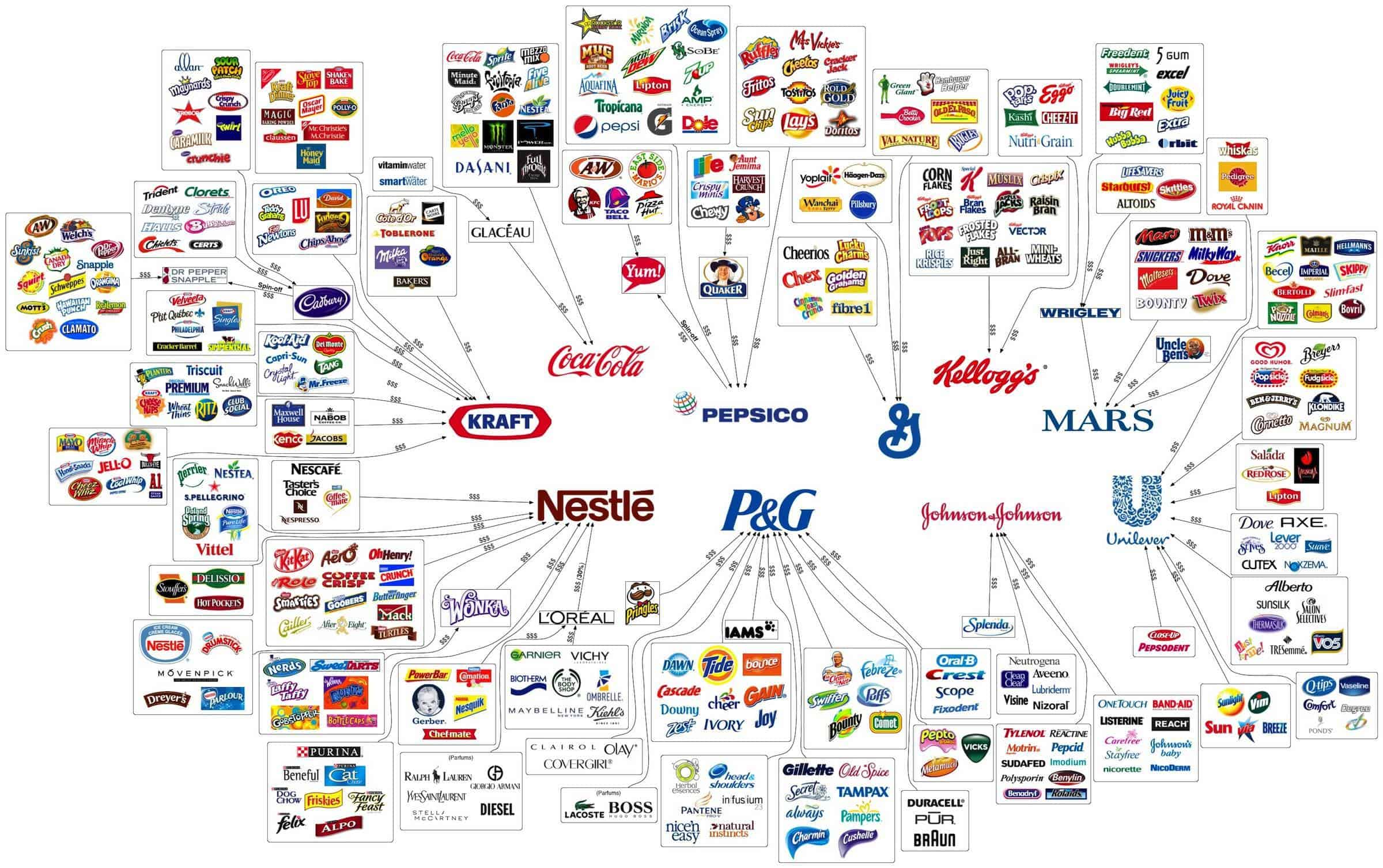
Perhaps the most common encounter consumers have with palm oil is through the food products they consume daily. It is a cornerstone ingredient in much of the processed food industry, often providing texture, emulsification, and an extended shelf life. You’ll find it in:
-
Baked Goods and Snacks: Biscuits, cookies, crackers, bread, pastries, and chips frequently contain palm oil. It gives these products a desirable crispness and mouthfeel, preventing them from feeling greasy or stale too quickly.
-
Confectionery: Chocolate bars, sweets, and spreads (like hazelnut spread) often rely on palm oil to achieve a smooth texture and prevent melting at room temperature. It acts as an affordable alternative to cocoa butter in many formulations.
-
Dairy Alternatives and Spreads: Margarine, non-dairy creams, and some types of ice cream utilize palm oil for its creamy consistency and ability to hold shape. It’s a common fat replacer in products aiming for specific dietary profiles.
-
Cooking Oils and Soups: While less common as a direct cooking oil in Western markets, palm oil is used in many developing countries and is a frequent component in instant noodles, prepared meals, and bouillon cubes, contributing to texture and flavor.
The challenge for brands is that palm oil can often be listed under various derivative names—such as vegetable oil (without specifying palm), palmitate, palmate, glyceryl stearate, or stearic acid—making it difficult for consumers to identify its presence.
Personal Care & Cosmetics: Beauty’s Secret Ingredient
Beyond the kitchen, palm oil derivatives are indispensable in the personal care and cosmetics industries. Its emulsifying, moisturizing, and foaming properties make it highly desirable for a wide range of beauty and hygiene products. Look for it, or its derivatives, in:
-
Soaps and Shampoos: Many conventional soaps, shower gels, and shampoos contain palm oil derivatives like sodium laureth sulfate (SLES), a common foaming agent, or glycerin, a moisturizer. These derivatives are crucial for the product’s performance and feel.
-
Lotions and Creams: Moisturizers, body lotions, and sunscreens often contain palm oil or its derivatives (e.g., palmitic acid, isopropyl palmitate) due to their emollient properties, helping to hydrate and smooth the skin.
-
Makeup: Lipsticks, foundations, and mascaras frequently use palm oil to achieve texture, stability, and pigment dispersion. For instance, palm oil derivatives can act as emollients, binding agents, and viscosity modifiers.
-
Toothpaste: Some toothpastes incorporate glycerin derived from palm oil for its sweetness and texture, helping to create a smooth paste and preventing it from drying out.
The complex chemical names of these derivatives make it even harder for the average consumer to connect them back to palm oil, posing a significant transparency challenge for brands aiming to build trust.
Household Products & Beyond: Cleaning and Fueling
The reach of palm oil extends even further into our daily lives, touching areas beyond food and personal care.
-
Cleaning Products: Many household cleaning detergents, washing liquids, and fabric softeners contain palm oil derivatives, primarily as surfactants and foaming agents. These components are essential for their cleaning efficacy.
-
Biofuels and Industrial Applications: While not directly consumer products, palm oil is a significant component in the production of biofuels, particularly in certain regions. Industrially, it can also be found in lubricants, waxes, and even some plastics, though these are less visible to the end consumer.
The sheer breadth of palm oil’s application means that it is incredibly difficult for brands to operate without it, or at least its derivatives, making strategic decisions around its use critically important.
Brand Identity in the Palm Oil Labyrinth: Challenges and Perceptions
For modern brands, palm oil is not just an ingredient; it’s a litmus test of their commitment to sustainability, ethical sourcing, and corporate responsibility. The ingredient has become synonymous with significant environmental and social issues, profoundly shaping consumer perceptions and putting immense pressure on brands to act.
The Environmental and Social Stigma
The rapid expansion of palm oil plantations, particularly in Southeast Asia, has been directly linked to severe environmental degradation and social injustices. These issues have garnered significant media attention and fueled consumer activism:
-
Deforestation and Biodiversity Loss: Palm oil cultivation is a primary driver of deforestation, especially in rainforests rich in biodiversity. This destruction leads to the loss of critical habitats for endangered species like orangutans, Sumatran tigers, and pygmy elephants. Brands that source palm oil implicitly or explicitly face scrutiny over their contribution to this ecological crisis.
-
Climate Change Contribution: The conversion of peatlands into palm oil plantations releases vast amounts of greenhouse gases, significantly contributing to climate change. This aspect challenges brands’ commitments to carbon reduction and environmental stewardship.
-
Human Rights Issues: Reports of poor labor practices, including child labor, forced labor, and exploitation of migrant workers, have plagued the palm oil industry. For brands, this raises serious questions about their supply chain ethics and their adherence to human rights principles.
These stark realities directly impact a brand’s reputation. Brands perceived as contributing to these problems risk alienating a growing segment of conscious consumers, leading to boycotts, negative publicity, and a damaged brand image.
Navigating Consumer Scrutiny and Transparency Demands
Today’s consumers are more informed and ethically driven than ever before. They not only want to know what is in their products but also how those ingredients are sourced and what impact they have. This heightened scrutiny presents a unique challenge for brands dealing with palm oil.
-
Demand for Disclosure: Consumers are increasingly demanding clear and unambiguous ingredient lists, particularly regarding palm oil. The use of generic terms like “vegetable oil” or obscure chemical names for derivatives no longer suffices. Brands face pressure to be fully transparent, often requiring them to delve deep into complex, multi-tiered supply chains.
-
Difficulty in Traceability: Tracing palm oil from a finished product back to its origin (the specific plantation) is an incredibly complex undertaking. The supply chain often involves multiple refiners, processors, and distributors, making full traceability a monumental task for even large multinational brands. This complexity makes it difficult for brands to confidently assure consumers about the sustainability of their palm oil.
-
Risk of Greenwashing: In an attempt to appear sustainable, some brands may engage in “greenwashing”—making misleading claims about their environmental practices without substantive proof. Consumers are increasingly savvy at spotting such tactics, and a perceived lack of authenticity can severely damage a brand’s credibility and long-term trust.
The “Palm Oil-Free” vs. “Sustainable Palm Oil” Dichotomy
Faced with these pressures, brands typically adopt one of two primary strategies regarding palm oil: going completely “palm oil-free” or committing to “sustainable palm oil” (CSPO). Each approach carries distinct branding implications.
-
Palm Oil-Free Strategy: Brands choosing this path completely remove palm oil from their products. This offers a clear, unambiguous message to consumers, often resonating strongly with those deeply concerned about environmental and social impacts. The “palm oil-free” label can be a powerful marketing differentiator. However, this strategy often entails significant challenges: finding suitable, equally functional, and cost-effective alternatives can be difficult, sometimes leading to higher production costs or altered product characteristics. It also means potentially missing out on the unique benefits palm oil offers.
-
Sustainable Palm Oil (CSPO) Strategy: This approach involves sourcing palm oil certified by organizations like the Roundtable on Sustainable Palm Oil (RSPO). CSPO aims to mitigate the negative impacts of palm oil production by promoting practices that prevent deforestation, protect biodiversity, and uphold human rights. For brands, committing to CSPO demonstrates responsibility and a desire to drive change within the industry. The branding message here is one of proactive engagement and support for sustainable agriculture. The challenge, however, lies in communicating the nuances of “sustainable” palm oil effectively to consumers, many of whom may still hold a blanket negative perception of the ingredient. Brands must educate and provide verifiable proof of their commitment to avoid accusations of tokenism or greenwashing.
Both strategies require a robust brand narrative and verifiable actions to convince consumers of their authenticity and impact.
Strategic Imperatives for Brands: Building Trust and Value
In this challenging environment, brands cannot afford to be passive. Proactive, transparent, and innovative strategies are essential not only to mitigate risks but also to build stronger, more resilient brand identities rooted in trust and responsible practice.
Supply Chain Transparency and Traceability
At the core of any responsible palm oil strategy is the ability to understand and verify the entire supply chain. Brands must invest in robust systems to track palm oil from the final product back to its source.
-
Mapping the Supply Chain: The first step is to identify all suppliers, from direct vendors to the mills and plantations that produce the crude palm oil. This can be an arduous process given the complex web of intermediaries.
-
Leveraging Technology: Advanced technologies are becoming indispensable. Blockchain can provide immutable records of transactions and origins, enhancing traceability. Satellite monitoring and geospatial mapping can track deforestation patterns and verify sustainable land use practices at the plantation level, offering independent verification.
-
Auditing and Verification: Regular, independent audits of suppliers are crucial to ensure compliance with sustainability standards and ethical labor practices. Brands should partner with reputable third-party verification bodies to lend credibility to their claims. A brand’s commitment to radical transparency—even acknowledging imperfections while working to resolve them—can build significant goodwill.
Communicating Commitment: Marketing and Storytelling
Effective communication is vital for brands navigating the palm oil dilemma. It’s not enough to do good; brands must also effectively tell their story in a way that resonates with consumers and avoids accusations of greenwashing.
-
Authentic Storytelling: Brands should craft compelling narratives around their palm oil strategy, whether it’s their journey to becoming palm oil-free or their dedication to supporting certified sustainable sources. This story needs to be authentic, detailing challenges faced and progress made, rather than just presenting a polished, perfect image.
-
Clear and Consistent Messaging: Whether through product labels, corporate websites, social media campaigns, or annual reports, a brand’s stance on palm oil must be clear, consistent, and easily accessible. Simplifying complex information about derivatives and certifications helps consumers understand the brand’s efforts.
-
Partnerships and Endorsements: Collaborating with respected environmental NGOs (like WWF, Greenpeace) or industry bodies (like RSPO) can lend significant credibility to a brand’s sustainability claims. Co-branded initiatives or endorsements can signal to consumers that the brand is part of a larger, collective effort towards positive change.
-
Consumer Education: Brands have an opportunity to educate their consumers about the complexities of palm oil, the meaning of certifications, and the impact of their sourcing decisions. This fosters an informed consumer base and strengthens the relationship between brand and customer.
Product Innovation and Alternative Sourcing
Beyond managing current supply chains, brands must also look to the future through innovation and the exploration of alternative ingredients.
-
Research and Development: Investing in R&D to find functional alternatives to palm oil that are equally effective, scalable, and sustainable is a key long-term strategy. This could involve exploring other vegetable oils, microbial oils, or plant-based fats that mimic palm oil’s properties without the associated environmental footprint.
-
Diversifying Ingredient Portfolios: Brands might consider diversifying their use of fats and oils to reduce reliance on any single commodity. This not only mitigates palm oil-specific risks but also enhances supply chain resilience.
-
Supporting Responsible Growers: For brands committed to using palm oil, actively supporting smallholder farmers who adopt sustainable practices can be a powerful way to drive positive change from the ground up. This involves providing training, resources, and fair prices, fostering a more equitable and sustainable supply chain. Innovation here isn’t just about new ingredients, but new ways of collaborating and supporting sustainable cultivation.
The Future of Palm Oil and Brand Resilience
The journey to responsible palm oil sourcing is ongoing, requiring continuous effort, adaptation, and collaboration. For brands, navigating this landscape is about more than just compliance; it’s about defining their legacy and ensuring long-term resilience.
Collective Action and Industry Standards
No single brand can solve the complex issues surrounding palm oil alone. The future hinges on collective action and the strengthening of industry-wide standards.
-
Multi-Stakeholder Initiatives: Brands must actively participate in and support multi-stakeholder initiatives like the RSPO, which bring together producers, processors, manufacturers, retailers, banks, investors, and environmental/social NGOs. By engaging in these platforms, brands can contribute to shaping robust standards and driving broader industry transformation.
-
Pre-Competitive Collaboration: Brands within the same sector or across industries can collaborate on pre-competitive issues such as supply chain mapping, development of sustainable farming practices, and investment in landscape-level conservation efforts. Sharing knowledge and resources reduces individual burdens and accelerates progress across the entire value chain. This collaborative spirit builds an industry that is more accountable and sustainable as a whole, benefiting all participating brands.

Beyond Compliance: Cultivating a Responsible Brand Legacy
Ultimately, leading brands understand that sustainability is not a mere compliance exercise but a fundamental component of their purpose and enduring value.
-
Integrating Sustainability into Core Strategy: For the most successful brands, palm oil strategy is not a peripheral concern but is deeply integrated into their corporate social responsibility framework, product development cycles, and marketing narratives. It reflects a core brand value rather than a reactive measure to public pressure.
-
Building Brand Equity through Ethics: Brands that proactively address the challenges of palm oil sourcing, demonstrating genuine commitment and transparency, will build significant brand equity. This translates into enhanced consumer loyalty, attraction of top talent, favorable investor perception, and a stronger competitive position in the market. A responsible approach to palm oil becomes a powerful differentiator and a testament to a brand’s integrity.
-
Long-Term Vision: The complex nature of palm oil requires a long-term strategic vision. Brands must commit to continuous improvement, setting ambitious goals, and regularly reporting on their progress. This commitment to an evolving journey, rather than a one-time fix, is what truly defines a resilient and purpose-driven brand in the 21st century.
The ubiquitous nature of palm oil makes it an unavoidable reality for most consumer brands. While its widespread use offers functional and economic advantages, the environmental and social ramifications of its production present significant challenges to brand identity and consumer trust. For brands, understanding “what has palm oil” is merely the starting point. The true imperative lies in strategically managing its presence, embracing transparency, fostering innovation, and actively participating in collective efforts to transform the industry. By doing so, brands can not only mitigate risks but also forge a legacy of responsibility, solidify consumer loyalty, and build enduring value in an increasingly conscious world.
aViewFromTheCave is a participant in the Amazon Services LLC Associates Program, an affiliate advertising program designed to provide a means for sites to earn advertising fees by advertising and linking to Amazon.com. Amazon, the Amazon logo, AmazonSupply, and the AmazonSupply logo are trademarks of Amazon.com, Inc. or its affiliates. As an Amazon Associate we earn affiliate commissions from qualifying purchases.