
Deion Sanders is not merely a football coach or a former professional athlete; he is a powerhouse brand. From his “Prime Time” persona in the 1990s to his current role as the head coach at the University of Colorado, Sanders has mastered the art of managing his public narrative. However, one of the most significant challenges to his brand integrity occurred when he faced a severe health crisis involving the amputation of two of his toes. While the medical reality was harrowing, the way Sanders leveraged this vulnerability serves as a masterclass in personal branding, transparency, and narrative control.

The Intersection of Personal Vulnerability and Brand Authenticity
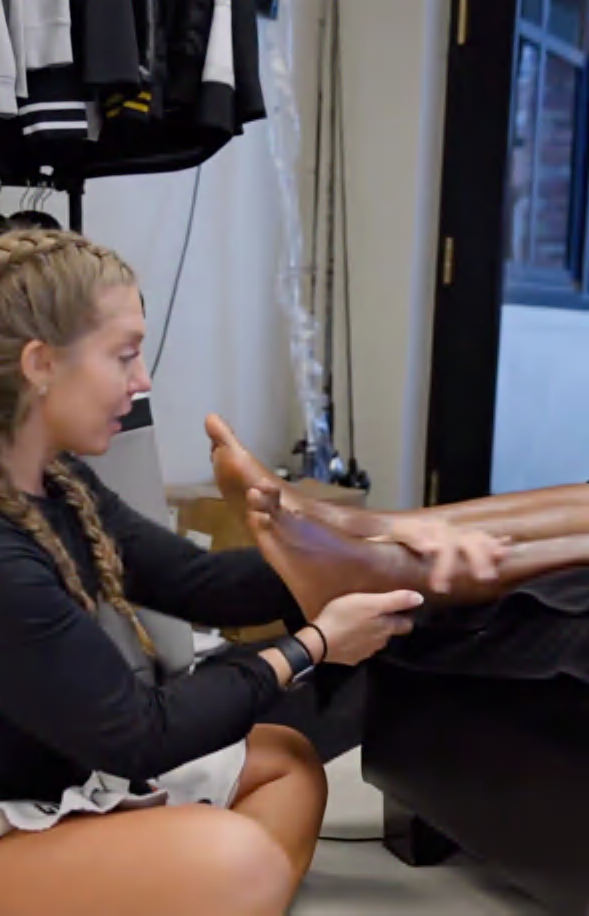
In the modern digital landscape, the most successful personal brands are those that transcend perfection. For decades, Deion Sanders cultivated an image of invincibility—a “Prime” status that suggested he was above the mundane struggles of the average person. When he underwent a series of surgeries in 2021 that resulted in the amputation of his big toe and second toe on his left foot, the sports world was forced to confront a different version of the icon: a man battling severe complications from a past football injury exacerbated by blood clots.
Transforming the Narrative from Loss to Resilience
Most high-profile individuals might have hidden such a graphic medical ordeal. Instead, Sanders utilized his documentary series, Coach Prime, to bring his audience into the hospital room. By allowing cameras to document his physical decline and subsequent recovery, he shifted the brand conversation. The narrative ceased to be about an athlete’s glory and became a story of endurance. This transparency allowed his brand to pivot from “The Flashy Superstar” to “The Resilient Leader,” a transition that proved crucial in connecting with a younger generation of athletes and fans who value authenticity over curated perfection.
Authenticity as a Competitive Advantage
In marketing, authenticity is the currency that buys long-term loyalty. By sharing the raw, uncomfortable details of his condition, Sanders increased the “human cost” associated with his brand. Fans who may have once viewed him as a polarizing figure were given a lens through which they could empathize with his struggle. This wasn’t just a medical update; it was a strategic choice to anchor his personal brand in the reality of human experience, thereby making his leadership style appear more grounded and relatable.
The Strategy of Radical Transparency in Public Relations
When Sanders’ medical issues began to impact his day-to-day role as a head coach, the public relations strategy was clear: control the message before the rumor mill does. In the digital age, if you do not define your story, the internet will define it for you. By treating his health issues as a central pillar of his public narrative, Sanders ensured that he remained the sole authority on his status.
Controlling the Media Lifecycle
Sanders utilized social media and his own digital platforms to provide updates, bypassing traditional media intermediaries. This approach is a classic example of modern personal branding. By speaking directly to his audience, he eliminated the potential for sensationalized, inaccurate reports. For a brand as large as “Prime,” maintaining control over the narrative is essential to prevent public perception from sliding into pity or speculation. He framed his toes’ situation as a test of faith and fortitude, turning a medical failure into a leadership lesson.
The Power of Vulnerability in Leadership
Leadership branding relies heavily on how a leader responds to adversity. Sanders’ decision to lead his team while using a scooter and navigating significant physical pain reinforced his branding as a “no excuses” coach. He demonstrated to his players—and the public—that his values were not just words but lived experiences. This alignment between his brand message and his actual behavior created a powerful psychological contract with his audience, further cementing his authority in the collegiate sports market.
The Impact of Branding on Commercial Success
It is important to recognize that Deion Sanders is a commercial entity. Every action he takes, including how he handles personal crises, influences his partnerships and marketability. The way he handled his foot issues ensured that he did not become “damaged goods” in the eyes of sponsors. Rather, he became a symbol of someone who navigates high-stakes challenges with grit—a desirable trait for any partner or sponsor.
Maintaining Marketability Through Crisis
When a brand icon experiences a significant health setback, there is often a fear of brand decay. However, Sanders maintained his relevance by integrating his recovery into his daily business operations. His endorsement deals, coaching obligations, and media appearances continued with an added layer of urgency and purpose. He turned a potential liability into a badge of honor, ensuring that his value proposition as an influencer remained intact.
Building a Legacy Brand
A “legacy brand” is one that survives changes in platform, physical health, and professional status. By opening up about his toes, Sanders moved beyond the superficial layers of his persona. He engaged in a branding exercise that focused on legacy: what happens when the physical body fails? By answering this through a lens of tenacity, he ensured that his brand identity would not be confined to his athletic prime. He successfully transitioned his branding from that of a retired star to an evolving mentor who has faced the fire and emerged with a sharper focus.
Lessons in Brand Management for the Modern Professional
The story of Deion Sanders and his medical journey serves as a template for professionals in any field who need to manage their reputation during times of crisis. His ability to frame his situation as a struggle against adversity, rather than a decline into weakness, is a sophisticated application of brand psychology.
Strategic Disclosure
The primary lesson is the power of strategic disclosure. You do not need to share everything, but you must share enough to define the narrative. By being transparent about his limitations, Sanders actually empowered his brand. He removed the mystery surrounding his health, thereby removing the potential for negative narrative shifts. For any professional building a personal brand, the takeaway is clear: acknowledge your challenges early and define them before others can misinterpret them.

Cultivating an Indestructible Brand Identity
Ultimately, Sanders’ brand survived his physical health crisis because the core of his brand was never his toes—it was his spirit. By grounding his brand in intangible values like resilience, work ethic, and leadership, he made his identity portable. Whether he was running on the field or managing recovery from a hospital bed, the brand remained consistent.
The public inquiry into “what happened to Deion Sanders’ toes” is not just a medical question; it is a testament to his brand’s reach. The fact that the world cares enough to analyze his physical condition reflects the immense equity he has built. His journey underscores a vital truth in branding: if you build your persona on values rather than mere aesthetics, you can withstand almost any external shock. Sanders didn’t just survive his injury; he marketed his way through it, proving that even in the face of physical limitation, a well-managed personal brand remains stronger than ever. In the end, his toes were merely a footnote in a much larger, carefully orchestrated story of personal power.
aViewFromTheCave is a participant in the Amazon Services LLC Associates Program, an affiliate advertising program designed to provide a means for sites to earn advertising fees by advertising and linking to Amazon.com. Amazon, the Amazon logo, AmazonSupply, and the AmazonSupply logo are trademarks of Amazon.com, Inc. or its affiliates. As an Amazon Associate we earn affiliate commissions from qualifying purchases.