
Benny Hinn, a name synonymous with televised evangelism and faith healing, has been a prominent figure in the religious landscape for decades. From his early days as a charismatic preacher to becoming a global phenomenon, Hinn cultivated a distinct personal brand built on a message of divine healing, prosperity, and spiritual encounter. However, the journey of any public figure is rarely linear, and Hinn’s career has been marked by both unprecedented success and significant challenges, forcing a continuous evolution of his brand and ministry strategy. Understanding “what happened to Benny Hinn” requires a deep dive into the dynamics of personal branding, the strategic management of a public persona, and the intricate dance between spiritual conviction and public perception in the digital age.
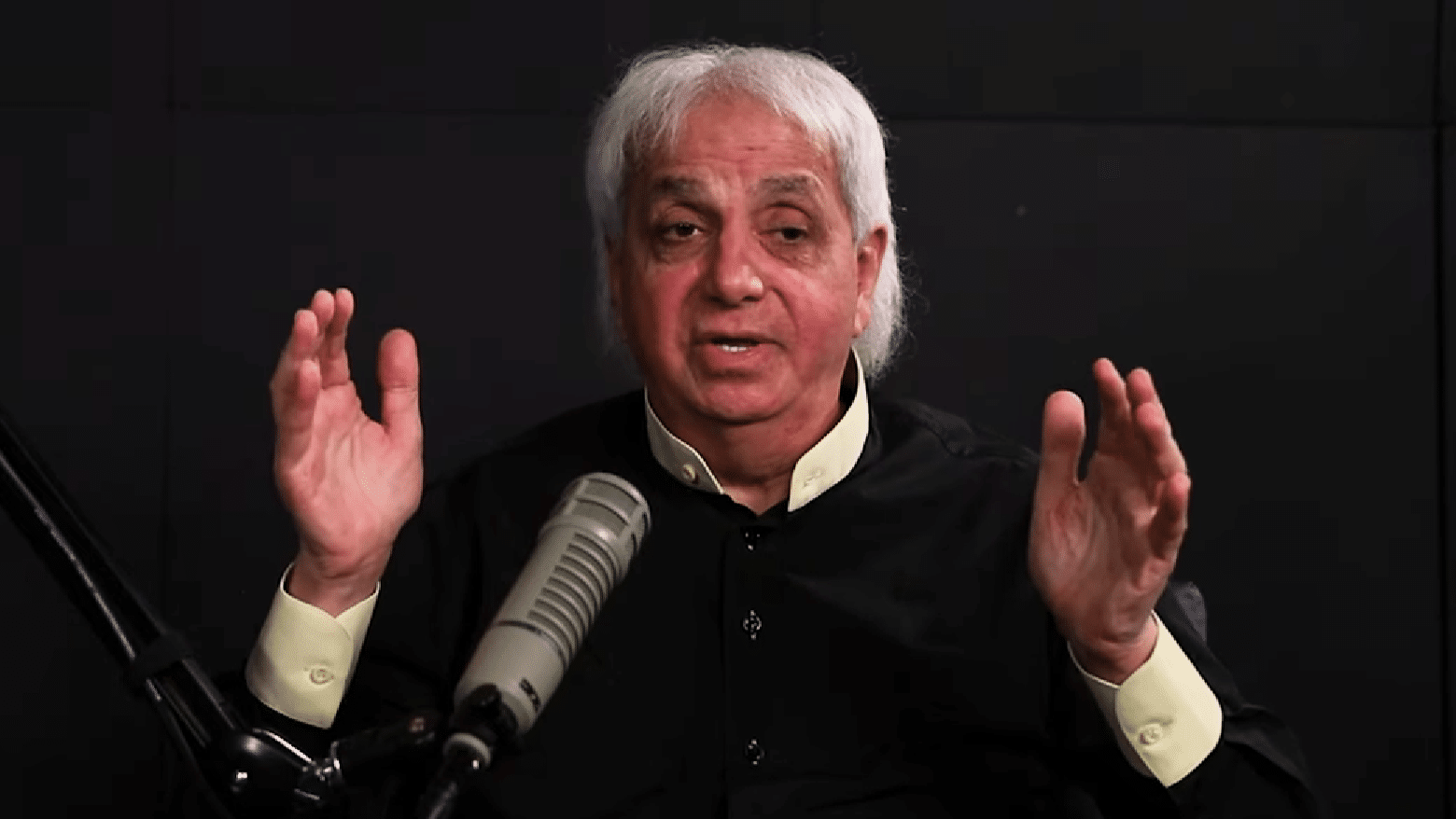
Benny Hinn’s story offers a compelling case study for anyone interested in personal branding, brand longevity, and the complexities of maintaining a public identity in a rapidly changing world. It’s a narrative woven with threads of consistent messaging, innovative outreach, formidable controversies, and strategic adaptation, all of which contribute to the multifaceted brand he represents today.
The Architect of a Global Evangelistic Brand
From humble beginnings, Benny Hinn skillfully constructed a personal brand that resonated with millions worldwide. His ascent wasn’t accidental but a deliberate and often intuitively brilliant application of brand-building principles within the evangelical sphere. This foundational work established the pillars of his public identity and set the stage for his global reach.
Early Branding and Messaging: The Charisma Advantage
At the core of Benny Hinn’s early brand was his palpable charisma and a direct, compelling communication style. He positioned himself as a vessel for divine power, a conduit for miracles, particularly faith healing. This messaging was clear, aspirational, and offered a tangible promise of hope and transformation to his audience. The visuals of his crusades – large auditoriums, dramatic stage presence, emotional testimonies of healing – were critical components of this early brand architecture. He understood the power of spectacle and experience, creating an atmosphere that amplified his message and deepened the emotional connection with his followers.
His preaching often centered on themes of divine intervention, supernatural breakthroughs, and a personal relationship with God that yielded immediate, tangible results. This message, while deeply spiritual for his followers, also served as a highly effective value proposition for his brand. He wasn’t just offering sermons; he was offering an encounter, a solution to suffering and lack. The “Benny Hinn” brand became synonymous with expectation, hope, and the miraculous.
Cultivating Charisma and Public Perception
Hinn’s ability to command attention and inspire devotion was a cornerstone of his personal brand. This wasn’t merely natural talent; it was meticulously cultivated. His on-stage persona was confident, empathetic, and authoritative, projecting an image of unwavering faith and spiritual power. Through consistent television appearances, books, and international crusades, he reinforced this image, embedding it deeply in the consciousness of his target audience.
The perception of Benny Hinn as a “man of God” with unique access to the miraculous was strategically reinforced through various media channels. His television program, “This Is Your Day,” became a global platform, showcasing his sermons, interviews, and, crucially, testimonials of alleged healings. These testimonials acted as powerful social proof, validating the efficacy of his ministry and strengthening the brand’s credibility among believers. The perception wasn’t just about what he said, but what his followers believed they saw him do. This carefully managed public perception allowed his brand to transcend denominational boundaries and become a truly global phenomenon.
Shifting Sands: Navigating Controversy and Public Scrutiny
As with many high-profile public figures, the enduring success of Benny Hinn’s brand has been tested by relentless scrutiny and significant controversies. These challenges required a dynamic approach to brand management, often involving damage control and a reevaluation of messaging.
The Prosperity Gospel’s Brand Impact
One of the most defining and controversial aspects of Benny Hinn’s brand has been its association with the “prosperity gospel.” This theological framework suggests that faith, often demonstrated through financial giving, will result in material blessings and divine healing. While embraced by millions, it has also drawn severe criticism from theological scholars, media outlets, and secular watchdogs who accuse it of exploiting the vulnerable and prioritizing wealth over spiritual substance.
The prosperity gospel became an indelible part of the “Benny Hinn” brand, attracting a dedicated following who believed in its promises, but simultaneously alienating a significant portion of the wider public and even other Christian denominations. This dual effect created a polarized brand perception: deeply revered by some, intensely criticized by others. For his brand, the prosperity gospel was a double-edged sword – it fueled massive growth and financial support for his ministry but also opened him up to accusations of avarice and theological misrepresentation, creating a constant need for defense and explanation.
Brand Damage and Reputation Management Challenges
Beyond theological debates, Benny Hinn faced direct accusations of financial impropriety, exaggerated claims of healing, and a lavish personal lifestyle that seemed at odds with evangelical teachings of humility. Investigative reports, documentaries, and public exposés frequently highlighted concerns about the transparency of his ministry’s finances and the authenticity of the miracles performed at his crusades.

These accusations presented significant brand damage control challenges. Each scandal chipped away at his credibility, forcing his organization to issue statements, make internal adjustments, and sometimes engage in legal battles. The rise of social media amplified these criticisms, allowing for real-time dissemination of information and opinions that were often beyond the control of his PR team. The ability to manage and mitigate this reputational harm became a critical test of his brand’s resilience. While many loyal followers remained steadfast, the accumulation of negative press undeniably impacted his broader public image and limited his appeal to new, more skeptical audiences.
A Brand’s Evolution: Adaptation and Reinvention
In the face of evolving public sentiment and persistent criticism, a successful personal brand must adapt to survive. Benny Hinn’s journey reveals strategic shifts in an effort to redefine aspects of his ministry and maintain relevance.
Strategic Shifts in Messaging and Ministry Focus
Perhaps one of the most notable “happenings” for Benny Hinn in recent years has been a public recalibration of his message, particularly concerning the prosperity gospel. In 2019, Hinn made headlines for publicly disavowing some of the extreme teachings associated with the prosperity gospel, specifically the emphasis on seed-faith offerings as a guaranteed path to wealth. He expressed regret for past statements, acknowledging that the message had gone “to the extreme.”
This was a strategic brand pivot. It signaled an attempt to distance himself from the more controversial aspects of his past messaging, possibly to appeal to a broader, less skeptical audience, or to align more closely with mainstream evangelical thought. This shift aimed to soften the harder edges of his brand, perhaps seeking a redemption arc or simply a more sustainable and less criticized ministry model. It demonstrated an understanding that even deeply entrenched brands need to evolve their core messaging to remain credible and relevant. By acknowledging past “mistakes,” he attempted to rebuild trust and redefine his spiritual authority on more universally accepted theological grounds.
Engaging New Audiences and Digital Brand Presence
Like many public figures, Hinn has had to adapt to the digital age. While his television program “This Is Your Day” remains a staple, his ministry has significantly expanded its digital footprint. His official website, social media channels (Facebook, Instagram, YouTube), and streaming services now serve as crucial platforms for content dissemination and audience engagement.
This digital expansion is a conscious brand strategy. It allows for direct communication with followers, bypassing traditional media filters and offering a curated experience. Live streams of events, daily devotionals, and behind-the-scenes content help maintain a sense of intimacy and connection, fostering a loyal online community. Furthermore, the digital realm offers new avenues for fundraising and expanding his reach to younger demographics who may not engage with traditional television. By embracing digital evangelism, the Benny Hinn brand continues to innovate its delivery mechanisms, ensuring its message can reach a new generation of potential followers and maintain its global presence.
The Enduring Legacy and Future of a Personal Brand
Despite the controversies and shifts, Benny Hinn remains a recognizable and influential figure. His journey offers insights into the longevity of a personal brand and the factors that contribute to its persistence in the public eye.
Maintaining Brand Relevance in a Changing Landscape
Benny Hinn’s continued presence in the evangelical world speaks volumes about his brand’s resilience. He has navigated shifts in cultural attitudes, technological advancements, and persistent criticism, yet his ministry endures. Part of this longevity comes from a core, unwavering base of loyal followers who continue to believe in his ministry and message. For them, the brand represents spiritual truth, hope, and connection to the divine, often transcending media narratives or theological debates.
His ability to consistently deliver a message of hope and divine power, even if refined over time, maintains his relevance. Furthermore, strategic alliances, participation in major Christian conferences, and continued international travel help to keep his brand visible and active within the global charismatic movement. The “Benny Hinn” brand has become an institution for many, a familiar and trusted voice that has been part of their spiritual journey for decades.
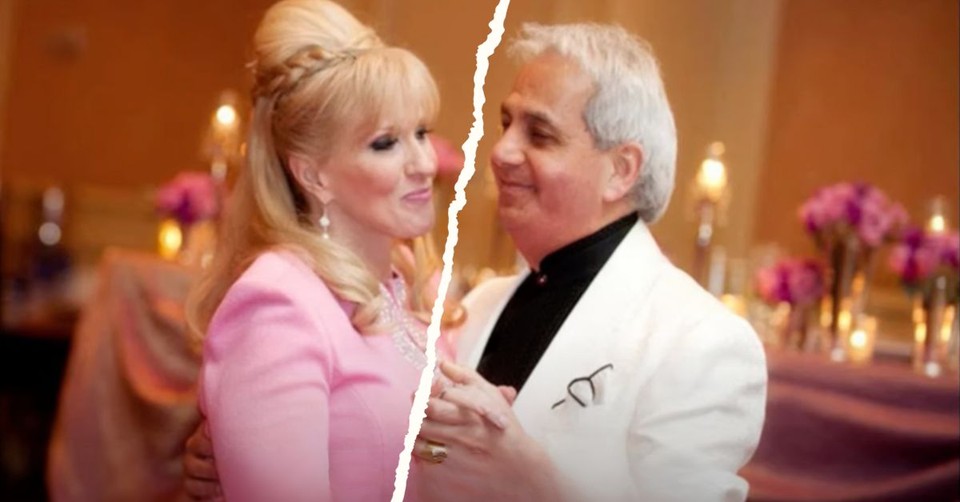
The Hinn Brand: A Case Study in Public Figure Longevity
Benny Hinn’s career serves as a fascinating case study in personal branding and public figure longevity. It highlights several key lessons:
-
The Power of a Clear Message: From the outset, Hinn’s brand was built on a compelling, if controversial, message of miraculous healing and prosperity.
-
Charisma as a Brand Asset: His personal charisma was instrumental in attracting and retaining a massive following.
-
Adaptability is Key: The willingness to publicly pivot on aspects of his message (e.g., the prosperity gospel) demonstrates an understanding of the need for brand evolution in the face of scrutiny.
-
Resilience Against Criticism: Despite severe criticism and scandals, his brand has shown remarkable resilience, indicating a strong core identity and loyal audience.
-
Leveraging Media: From television to digital platforms, Hinn has consistently utilized available media to amplify his message and maintain global reach.
“What happened to Benny Hinn” is not a question of his disappearance, but rather a testament to the dynamic journey of a prominent personal brand. He remains a significant, if more nuanced, figure in the world of televangelism, continuously adapting his strategy and messaging to maintain his legacy and connection with his global audience. His story underscores that in the realm of public personas, especially those intertwined with faith, a brand is a living entity, constantly shaped by its creator, its audience, and the ever-shifting landscape of public discourse.
aViewFromTheCave is a participant in the Amazon Services LLC Associates Program, an affiliate advertising program designed to provide a means for sites to earn advertising fees by advertising and linking to Amazon.com. Amazon, the Amazon logo, AmazonSupply, and the AmazonSupply logo are trademarks of Amazon.com, Inc. or its affiliates. As an Amazon Associate we earn affiliate commissions from qualifying purchases.