
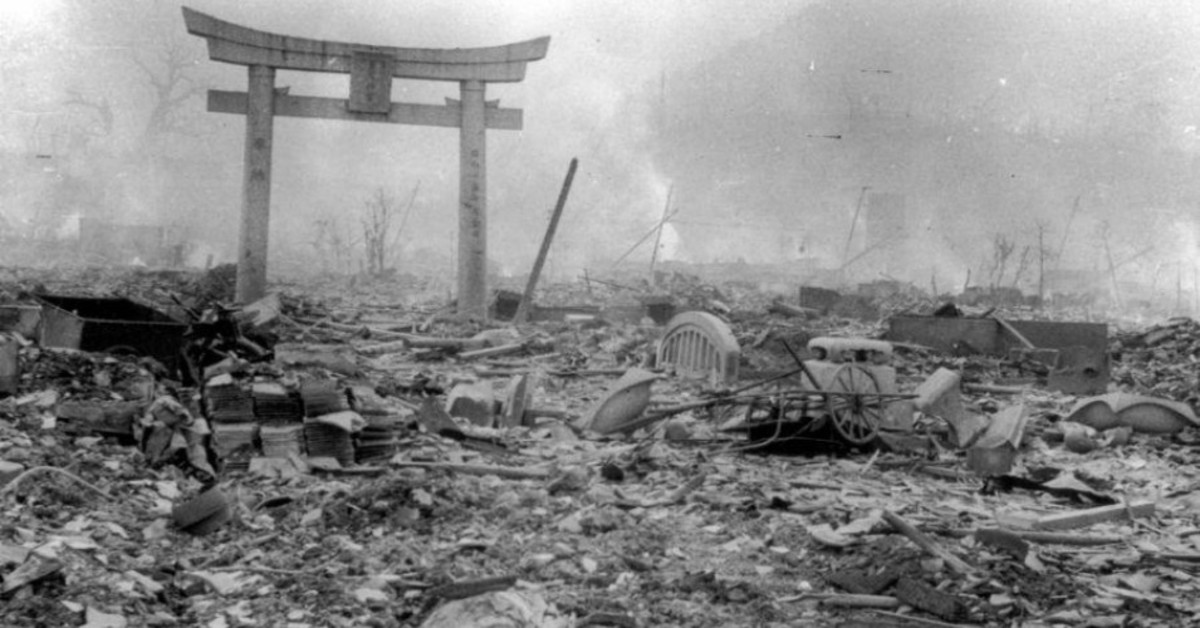
The detonation of atomic bombs over Hiroshima and Nagasaki, followed by Emperor Hirohito’s surrender on August 15, 1945, brought an end to World War II. For Japan, however, this marked not a return to normalcy, but the beginning of an existential struggle for survival and an economic rebirth. The nation lay in ruins, its infrastructure decimated, industrial capacity crippled, and its people facing widespread starvation and destitution. Yet, from these ashes, Japan embarked on one of history’s most remarkable economic recoveries, transforming itself from a vanquished foe into a global financial and industrial powerhouse. This journey, rooted deeply in astute financial management, strategic economic policy, and an unwavering national resolve, offers invaluable lessons in resilience, reconstruction, and the mechanics of national wealth creation.

The Ashes of War: Economic Collapse and Initial Challenges
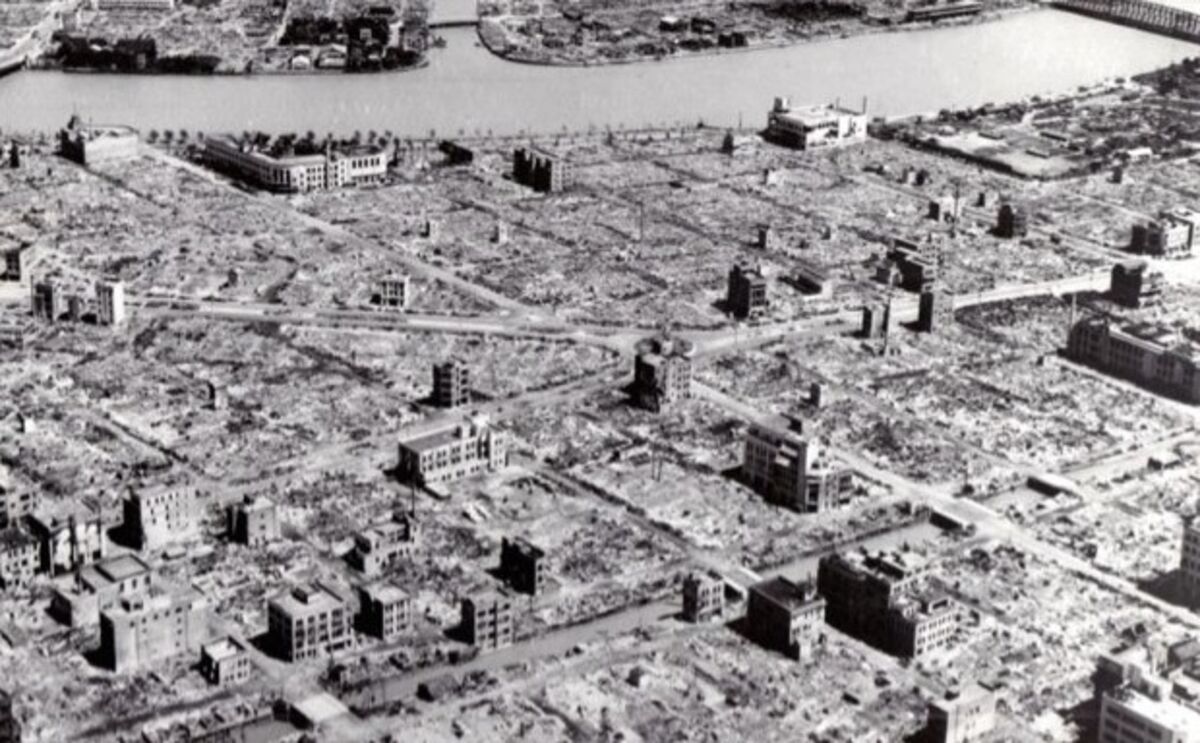
The immediate post-war period plunged Japan into an economic abyss. The scale of destruction was almost unfathomable, setting the stage for a financial crisis of epic proportions.
Widespread Destruction and Hyperinflation
Japan’s urban centers, vital industrial hubs, and transportation networks were devastated by relentless Allied bombing. Approximately 25% of its housing stock, 80% of its shipping, and significant portions of its industrial machinery were destroyed. This physical obliteration was compounded by an economic system in complete disarray. The war effort had led to excessive money printing, and with production collapsing and consumer goods scarce, the economy spiraled into hyperinflation. The cost of living in Tokyo skyrocketed by over 1,300% in 1946 alone. Savings were wiped out, and the concept of a stable currency seemed a distant memory. For individuals, personal finance became a desperate daily struggle for survival, often relying on bartering and black markets to obtain necessities. Investment, both domestic and foreign, was non-existent in this climate of uncertainty and economic freefall.
Societal Dislocation and Scarcity
Beyond the physical and monetary collapse, Japanese society faced profound dislocation. Millions of demobilized soldiers and repatriated civilians flooded back into a country that could not provide jobs or adequate sustenance. Food shortages were rampant, leading to widespread malnutrition and famine in some areas. Unemployment soared, and families struggled to rebuild lives with no capital, no assets, and often, no homes. The financial tools available to the average citizen were rudimentary at best, focused on immediate survival rather than long-term planning. This period underscored the fundamental connection between a stable economy and societal well-being, highlighting how swiftly financial structures can crumble under extreme duress.
The Occupation’s Blueprint: Restructuring for Recovery
Under the Supreme Commander for the Allied Powers (SCAP), led by General Douglas MacArthur, the Allied Occupation (1945-1952) initiated a series of radical reforms aimed at demilitarizing and democratizing Japan. Crucially, these reforms also laid the groundwork for a new economic structure, profoundly influencing Japan’s financial trajectory.
Dismantling the Zaibatsu: Corporate Reform
A primary target of the Occupation was the Zaibatsu – powerful family-controlled industrial and financial conglomerates (like Mitsui, Mitsubishi, Sumitomo) that had dominated Japan’s economy and were seen as instrumental to its militaristic past. SCAP ordered their dissolution, aiming to democratize the economy and foster competition. Shares in these holding companies were seized and sold to the public, fundamentally altering Japan’s corporate landscape. While the initial intent was to create a more competitive market, many of the fragmented companies eventually re-formed into looser groupings known as Keiretsu (e.g., Mitsubishi Group, Sumitomo Group) – interconnected networks of companies with cross-shareholdings, a main bank, and a trading company at their core. This evolution had a lasting impact on business finance, promoting long-term investment horizons, stable capital structures through internal financing and strong bank relationships, and reducing reliance on external equity markets for growth.
Land Reform and Agricultural Revival
Perhaps one of the most successful economic reforms was the comprehensive land reform program. Absentee landlordism was abolished, and land owned by landlords in excess of a certain limit was compulsorily purchased by the government and resold to tenant farmers at extremely low, fixed prices. This move transformed millions of tenants into land-owning farmers, creating a more equitable distribution of wealth in rural areas. From a financial perspective, this reform achieved several critical goals: it boosted agricultural productivity, stabilized food supplies (reducing inflation pressures), and created a new class of property owners with a vested interest in the nation’s economic stability. It also shifted income and wealth from a small elite to a broad base of the population, stimulating domestic demand for goods and services as farmers gained disposable income.
The Dodge Line: Stabilizing the Yen
By 1949, despite initial reforms, Japan’s economy was still plagued by inflation and multiple exchange rates. Joseph Dodge, an American banker, was sent to Japan to implement a stringent stabilization program, famously known as the “Dodge Line.” Its core principles included fiscal austerity, balancing the national budget, ending state subsidies, and establishing a single, fixed exchange rate for the yen at 360 yen to the US dollar. This policy, though initially painful (leading to a recession and increased unemployment), was pivotal. It curbed hyperinflation, restored confidence in the yen, and created a stable financial environment essential for business planning and international trade. For businesses, a predictable exchange rate reduced currency risk, encouraging exports and foreign investment, thereby laying the macroeconomic foundation for future growth.
Fueling the Miracle: Industrial Policy and Investment
With the foundational reforms in place, Japan began its focused drive towards industrial reconstruction and economic growth, characterized by strong state guidance and significant capital formation.
Government-Led Industrial Strategy (MITI)
A critical player in Japan’s economic recovery was the Ministry of International Trade and Industry (MITI). Far from a purely free-market approach, MITI played an active, strategic role in guiding the nation’s industrial development. It identified key industries for growth (initially steel, shipbuilding, and chemicals; later electronics and automobiles), provided administrative guidance, offered preferential tax treatments, facilitated access to foreign technology, and directed capital through government-affiliated banks to these sectors. This targeted industrial policy ensured that scarce financial resources were channeled efficiently into areas with high growth potential and export capability, a cornerstone of Japan’s economic miracle. It was a sophisticated form of business finance where the state acted as a venture capitalist and strategic planner.
Capital Formation and High Savings Rates
Japan’s economic take-off was fueled by extraordinary levels of domestic capital formation. The government actively encouraged high personal savings rates through institutions like the postal savings system, which offered competitive interest rates and was widely accessible. These household savings became a massive pool of capital, which was then channeled by commercial banks (often under MITI’s guidance) into productive investments in industry. This system of “indirect finance,” where banks played a central role in allocating capital rather than stock markets, was crucial. It provided long-term, patient capital to Japanese corporations, allowing them to invest heavily in new plant and equipment, research and development, and export infrastructure without the short-term pressures often associated with equity markets.
The Korean War Boom and Export-Led Growth
The outbreak of the Korean War in 1950 proved to be an unexpected economic boon for Japan. As a key logistical base for UN forces, Japan received massive procurement orders for goods and services (e.g., vehicles, textiles, repairs). This “special procurement” injected much-needed foreign currency and stimulated industrial production, acting as a powerful accelerator for the nascent recovery. This boom provided Japanese industries with the capital, experience, and scale to develop their export capabilities. From this point forward, Japan increasingly focused on an export-led growth strategy, transforming raw materials into high-quality manufactured goods for the global market, driving immense wealth creation.
The Economic Miracle Unfolds: Prosperity and Financial Evolution
By the mid-1950s, Japan was firmly on the path to unprecedented growth, ushering in an era often referred to as the “Economic Miracle,” characterized by astounding annual GDP growth rates.
From Imitation to Innovation: Technological Leapfrogging
Initially, Japanese industries focused on adopting and improving foreign technologies, often acquiring licenses and reverse-engineering products. However, significant investment in research and development (R&D) and a commitment to continuous improvement (Kaizen) soon saw Japan transition from an imitator to a global innovator. Companies like Sony, Toyota, and Honda emerged as pioneers, driving advancements in electronics, automotive engineering, and other high-tech sectors. This technological leapfrogging was underpinned by strategic financial investments in human capital (education and training), R&D facilities, and efficient production processes, leading to superior product quality and global market dominance.
The Rise of Global Corporations (Keiretsu)
The Keiretsu, a unique Japanese corporate structure, played a significant role in this expansion. These interlinked groups provided stable financial backing through their main banks, facilitated resource sharing, and fostered long-term business relationships, allowing for sustained, strategic investments in global markets. This structure contrasted sharply with Western models, emphasizing long-term stability and market share over short-term profit maximization. The close ties between corporations and their “main banks” ensured a steady flow of capital for expansion, even during economic downturns, allowing Japanese companies to weather global economic shifts more effectively.
Impact on Personal Finance and Quality of Life
The economic miracle profoundly transformed the lives of ordinary Japanese citizens. Rising wages, low unemployment, and a burgeoning consumer market led to a dramatic improvement in living standards. The “three sacred treasures” – television, refrigerator, and washing machine – became household staples, symbolizing newfound prosperity. Personal savings remained high, but now individuals could invest in homes, education, and consumer durables. The financial landscape evolved, with increased access to credit, insurance, and investment opportunities as the banking sector matured. Japan’s transformation from an impoverished nation to one with a thriving middle class and high disposable income within a few decades was a testament to the power of sustained economic growth and effective wealth management at both national and individual levels.
Lessons for Modern Finance and Development
Japan’s post-war economic resurrection offers a rich tapestry of insights for economists, policymakers, and financial professionals today, demonstrating the complex interplay of government, industry, and individual behavior in creating national wealth.
Strategic State Intervention and Market Dynamics
Japan’s experience challenges the simplistic dichotomy between free-market capitalism and state-controlled economies. Its success was a blend of strategic state intervention, particularly in industrial policy and capital allocation, combined with robust private sector competition and innovation. The government acted as a facilitator and guide, not a controller, fostering an environment where businesses could thrive. This highlights the potential for thoughtful, strategic state involvement to jumpstart and direct economic development, especially in post-crisis scenarios, without stifling market dynamism.
The Power of Human Capital and Long-Term Vision
Underlying all the financial and structural reforms was Japan’s profound investment in its human capital – a highly educated, disciplined, and adaptable workforce. Combined with a long-term strategic vision, both at the corporate and national levels, this allowed Japan to overcome immense challenges. The emphasis on patient capital, continuous improvement, and collective effort over immediate gratification proved to be a powerful engine for wealth creation. For modern financial thinking, Japan’s story underscores that true long-term investment extends beyond financial instruments to encompass education, skills development, and fostering a culture of innovation and resilience.
In conclusion, “what happened in Japan after World War 2” is an extraordinary narrative of economic destruction followed by an equally remarkable financial and industrial rebirth. It’s a testament to the power of strategic economic planning, judicious financial reforms, targeted investment, and the indomitable spirit of a nation. From the ashes of war, Japan meticulously rebuilt its financial systems, cultivated an export-led economy, and transformed the lives of its citizens, offering enduring lessons on how to forge prosperity out of adversity.
aViewFromTheCave is a participant in the Amazon Services LLC Associates Program, an affiliate advertising program designed to provide a means for sites to earn advertising fees by advertising and linking to Amazon.com. Amazon, the Amazon logo, AmazonSupply, and the AmazonSupply logo are trademarks of Amazon.com, Inc. or its affiliates. As an Amazon Associate we earn affiliate commissions from qualifying purchases.