
In the dynamic world of PC gaming, the battle against piracy and cheating has become an increasingly sophisticated arms race. At the forefront of this digital conflict is Denuvo Anti-Cheat, a name that evokes strong reactions from both developers and players alike. As a powerful digital rights management (DRM) and anti-tamper technology, Denuvo aims to protect game integrity and developer revenue. But which games actually employ this controversial software, and what are the implications of its widespread use? This article delves into the technological underpinnings of Denuvo, lists prominent titles that have adopted it, and explores the ongoing debate surrounding its effectiveness and impact on the gaming experience.
The Core of Digital Protection: What is Denuvo Anti-Cheat?
To understand why certain games utilize Denuvo, it’s crucial to first grasp what Denuvo is and how it operates within the complex ecosystem of modern gaming. Far more than a simple copy protection mechanism, Denuvo encompasses a suite of technologies designed to safeguard software integrity.
A Brief History and Evolution of Denuvo
Denuvo Software Solutions GmbH, an Austrian company, first made waves in the gaming industry with its “Anti-Tamper” technology. Initially, its primary goal was to prevent reverse engineering and unauthorized modification of game executables, thereby delaying or preventing piracy. The technology proved remarkably effective in its early iterations, with many high-profile games remaining uncracked for extended periods, sometimes months, which was unprecedented at the time. This success caught the attention of major publishers desperate to protect their intellectual property and maximize initial sales windows.
Over time, as crackers found ways to circumvent the Anti-Tamper system, Denuvo evolved. Recognizing the growing threat of in-game cheating, particularly in competitive online titles, Denuvo introduced its “Anti-Cheat” solution. This separate, but often complementary, component is specifically designed to detect and prevent unauthorized software and hardware modifications that give players an unfair advantage in multiplayer environments. The continuous evolution of Denuvo highlights the persistent challenge developers face in securing their digital products against increasingly sophisticated threats.
How Denuvo Anti-Tamper and Anti-Cheat Work (Technical Overview)
Denuvo’s Anti-Tamper technology operates by integrating deeply into a game’s executable code. It employs a complex array of techniques to detect if the game’s original files have been modified or if debuggers and emulators are attempting to bypass its protection layers. This often involves virtualizing parts of the code, making it incredibly difficult for reverse engineers to understand and crack. When a game is launched, Denuvo performs a series of checks, verifying the integrity of the game files and ensuring that no unauthorized software is interfering with its operation. If tampering is detected, the game may refuse to launch or activate protective measures.
The Anti-Cheat component, on the other hand, focuses on real-time detection of cheating during gameplay. It operates at a kernel level on the operating system, allowing it to monitor system processes, memory, and network traffic for suspicious activities characteristic of cheats like aimbots, wallhacks, or speedhacks. This deep system integration, while effective in thwarting many forms of cheating, is also one of the most contentious aspects of Denuvo, raising significant privacy and security concerns among players who are wary of software operating at such a privileged level. Both technologies are designed to be highly adaptive, constantly updated to counter new cracking and cheating methodologies.
The Rationale Behind Its Adoption by Publishers
The decision by game publishers to implement Denuvo technologies is driven primarily by commercial and strategic considerations. For AAA titles that cost hundreds of millions of dollars to develop, protecting initial sales windows is paramount. A game that is cracked and widely pirated shortly after launch can suffer significant revenue losses, potentially jeopardizing future projects and studio stability. Denuvo Anti-Tamper offers a robust defense, even if temporary, against day-one piracy, allowing publishers to capitalize on the crucial launch period when sales are highest.
Beyond piracy, the integrity of online multiplayer experiences is vital for player retention and community health. Cheating can quickly ruin the competitive balance, drive legitimate players away, and damage a game’s reputation. Denuvo Anti-Cheat provides a powerful tool to combat this, ensuring a fairer playing field and protecting the investments made in live service games. For many publishers, the perceived benefits of Denuvo in protecting revenue and maintaining game integrity outweigh the potential controversies and player backlash it might generate.
Prominent Titles Employing Denuvo Anti-Cheat
Denuvo’s presence spans a vast array of games, particularly in the AAA segment where the stakes are highest. Its adoption reflects publishers’ commitment to securing their software, even in the face of ongoing debates about its impact.
AAA Blockbusters and Their Reliance on Denuvo
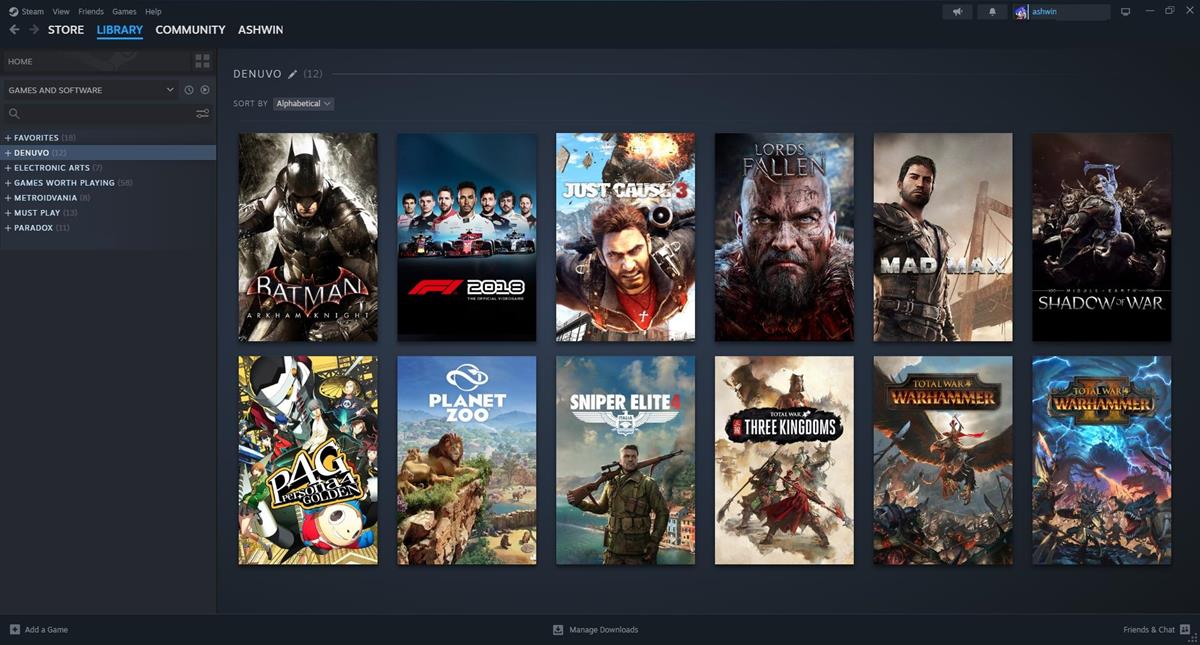
The list of high-profile games that have utilized Denuvo Anti-Cheat or Anti-Tamper is extensive and continues to grow. These are often titles with massive development budgets, significant marketing campaigns, and a strong emphasis on either a rich single-player experience susceptible to piracy or a competitive online multiplayer component vulnerable to cheating.
-
Sports Franchises: The FIFA series (e.g., FIFA 23, EA Sports FC 24) and other sports titles by EA often employ Denuvo, given their strong online multiplayer focus and yearly release cycles where initial sales are critical.
-
Horror and Action-Adventure: Capcom’s popular Resident Evil franchise (e.g., Resident Evil Village, Resident Evil 4 Remake) frequently uses Denuvo Anti-Tamper to protect its narrative-driven single-player experiences from day-one cracks.
-
Role-Playing Games (RPGs): Major RPGs like Hogwarts Legacy, Starfield, and Elden Ring have launched with Denuvo, aiming to safeguard their vast worlds and extensive content from early piracy.
-
First-Person Shooters (FPS): Titles such as Doom Eternal and Borderlands 3 have used Denuvo, though the specific anti-cheat mechanisms in competitive FPS games can vary. Some highly competitive FPS titles might opt for their own proprietary anti-cheat systems or other third-party solutions.
-
Action and Open World: Games like Deathloop, Marvel’s Spider-Man Remastered, and Gotham Knights are other examples of major releases that have integrated Denuvo into their PC versions.
The common thread among these titles is their status as major releases that represent significant financial and creative investments. Publishers believe Denuvo provides a necessary layer of protection for these flagship products.
Indie and Smaller Titles: A Less Common but Present Trend
While Denuvo is predominantly associated with AAA blockbusters, some indie or smaller-scale titles have also opted to implement it. This is less common, primarily due to the licensing costs associated with Denuvo, which can be prohibitive for smaller studios with limited budgets. However, for indie developers who have invested heavily in a unique concept or who anticipate a strong piracy risk due to significant pre-release hype, Denuvo can be an attractive option for protecting their intellectual property. The decision typically comes down to a cost-benefit analysis, weighing the protection offered against the financial outlay and potential for player backlash.
Tracking Denuvo’s Presence: Where to Find Information
For players curious about whether a specific game uses Denuvo, several resources can provide this information:
-
Game Store Pages: Digital storefronts like Steam often list third-party DRM software used by a game on its product page, typically under the “System Requirements” or a dedicated “Third-Party DRM” section.
-
Official Announcements and Forums: Game developers or publishers might announce the use of Denuvo in their official news releases, FAQs, or community forums.
-
Gaming News Websites and Databases: Many gaming news outlets and dedicated databases (e.g., PCGamingWiki) track and report on which games employ Denuvo, often including details about its anti-tamper or anti-cheat components.
-
Community Discussions: Player communities on platforms like Reddit or ResetEra frequently discuss Denuvo’s presence in new releases, offering insights and gathering information.
Staying informed helps players make informed purchasing decisions, especially for those who have strong opinions regarding the use of Denuvo.

The Controversial Landscape: Player and Developer Perspectives
Denuvo’s presence in PC games is rarely met with indifference. It exists at the heart of a contentious debate, pitting the security and financial interests of publishers against the performance and user experience concerns of players.
Performance Concerns and Player Backlash
One of the most vocal criticisms leveled against Denuvo, particularly its Anti-Tamper component, revolves around alleged performance degradation. Players have reported experiencing various issues, including:
-
Framerate Drops: Claims of noticeable decreases in frames per second (FPS), especially in CPU-intensive scenarios, have been frequent.
-
Increased Load Times: Some players report longer loading screens and slower game startup times due to the extensive checks Denuvo performs.
-
Stuttering and Micro-freezes: Intermittent performance hitches, often attributed to Denuvo’s constant background operations, have also been a point of frustration.
-
Higher CPU Usage: The intricate nature of Denuvo’s protection mechanisms can sometimes lead to increased CPU utilization, potentially bottlenecking less powerful systems.
While Denuvo Software Solutions has consistently denied that its technology significantly impacts game performance, citing extensive internal testing, the anecdotal evidence from a segment of the PC gaming community remains a persistent concern. The kernel-level access required by the Anti-Cheat component further exacerbates these concerns, with some players expressing unease over potential security vulnerabilities or privacy invasions, even if unfounded. This perception of Denuvo as an invasive and performance-hindering technology fuels a strong negative sentiment among a vocal portion of the player base.
The Effectiveness Against Piracy: A Shifting Battlefield
Denuvo’s Anti-Tamper technology initially earned a fearsome reputation for its ability to deter pirates. For a period, it successfully kept many AAA games uncracked for weeks or even months post-release, leading to record-breaking sales for some titles. This extended protection window was a game-changer for publishers.
However, the “cat-and-mouse” game between Denuvo and cracking groups is an ongoing one. Over time, prominent cracking teams have developed sophisticated methods to bypass Denuvo. While it might still delay a crack for a crucial few days or weeks, it’s rare for Denuvo to render a game permanently uncrackable. The perception that Denuvo is a temporary deterrent, rather than an impenetrable shield, has led some to question its continued value, especially given the performance concerns and licensing costs. For many, its main utility now lies in protecting the initial sales spike rather than providing long-term copy protection.
Developer and Publisher Justifications: Protecting IP and Revenue
Despite the criticisms, developers and publishers continue to adopt Denuvo for clear, pragmatic reasons rooted in business and creative protection. Their justifications typically include:
-
Protecting Initial Sales Windows: As discussed, Denuvo’s primary value is often seen in its ability to delay piracy during the critical launch period.
-
Safeguarding Intellectual Property: Beyond just sales, Denuvo aims to protect the integrity of the game’s code, preventing unauthorized modifications that could compromise the developer’s vision or introduce vulnerabilities.
-
Maintaining Online Play Integrity: For multiplayer games, a robust anti-cheat solution like Denuvo is crucial for fostering a fair and enjoyable environment, which directly impacts player retention and the game’s longevity.
-
Return on Investment: For games with development costs soaring into hundreds of millions, the expense of Denuvo is viewed as a necessary investment to safeguard potential revenue and ensure the viability of future projects.
-
Deterrent Effect: Even if ultimately cracked, Denuvo still acts as a significant deterrent, making piracy more difficult and time-consuming, thus pushing more players towards legitimate purchases.
From the industry’s perspective, Denuvo is a tool in their arsenal to combat a very real and persistent threat to their business model and the sustainability of game development.
The Future of Anti-Cheat and Digital Rights Management
The landscape of digital security in gaming is constantly evolving, with Denuvo playing a significant, albeit controversial, role in shaping its direction. The ongoing challenges highlight a continuous push and pull between protective measures and user experience.
The Ever-Evolving Cat-and-Mouse Game
The history of Denuvo, like all DRM technologies, is a testament to the persistent “cat-and-mouse” game between protectors and circumventors. As Denuvo updates its algorithms and protection layers, cracking groups invest resources into finding new vulnerabilities. This cyclical battle means that no single solution remains impenetrable indefinitely. The future of anti-cheat and anti-tamper will likely involve increasingly complex, multi-layered security approaches, potentially combining elements of hardware-based security, cloud-based verification, and AI-driven anomaly detection. The objective remains the same: to make the effort and cost of bypassing protection higher than the potential gains for pirates and cheaters.
Alternatives and Emerging Technologies
While Denuvo is a dominant player, it is not the only option available. Many game developers, particularly in the competitive online space, utilize their own proprietary anti-cheat systems (e.g., Riot Games’ Vanguard, Valve Anti-Cheat – VAC). Other third-party solutions exist, some of which may be perceived as less intrusive or have different performance profiles.
Emerging technologies, such as machine learning and artificial intelligence, are increasingly being integrated into anti-cheat systems. AI can analyze vast amounts of gameplay data to identify patterns indicative of cheating with greater accuracy and speed than traditional signature-based methods. Cloud-based DRM solutions, which move some of the verification processes off the user’s local machine, are also being explored as ways to enhance security while potentially mitigating local performance impacts. Blockchain technology has even been mooted as a potential future for DRM, offering decentralized and tamper-proof verification, though its practical application in large-scale game distribution is still nascent.
Striking a Balance: Security vs. User Experience
Ultimately, the biggest challenge for the future of anti-cheat and DRM lies in striking an acceptable balance between robust security and an uncompromised user experience. Players demand fair gameplay and protected content, but they also expect seamless performance, system privacy, and ownership rights over their purchased software. Intrusive DRM or anti-cheat that negatively impacts performance or raises privacy concerns can alienate the legitimate player base, potentially doing more harm than good in the long run.
The ideal future solution will be one that is highly effective against illicit activities, virtually invisible to legitimate users, and transparent about its operations and data handling. Achieving this equilibrium will require continuous innovation, open dialogue between developers and players, and a willingness from the industry to adapt its strategies in response to both evolving threats and legitimate user feedback.
Conclusion
Denuvo Anti-Cheat, and its Anti-Tamper counterpart, represent a significant force in the world of PC game security. Its presence in a vast number of AAA titles underscores its perceived value to publishers in protecting crucial launch sales and maintaining the integrity of online multiplayer experiences. While effective in delaying piracy and combating cheating, Denuvo has consistently sparked debate among players regarding its potential impact on game performance, system privacy, and the overall user experience.
As the digital arms race continues, the technologies designed to protect games will undoubtedly evolve. The goal for the industry remains to develop security measures that are robust enough to deter malicious actors without alienating the loyal player base. The ongoing dialogue surrounding Denuvo serves as a critical reminder that in the tech-driven landscape of modern gaming, security innovations must always consider the user at the heart of the experience.
aViewFromTheCave is a participant in the Amazon Services LLC Associates Program, an affiliate advertising program designed to provide a means for sites to earn advertising fees by advertising and linking to Amazon.com. Amazon, the Amazon logo, AmazonSupply, and the AmazonSupply logo are trademarks of Amazon.com, Inc. or its affiliates. As an Amazon Associate we earn affiliate commissions from qualifying purchases.