
The question “What episode does Dr. Shepherd die in Grey’s Anatomy?” is more than a simple query about a plot point; it represents a pivotal moment in the history of one of television’s most enduring brands. For fans, it’s a marker of profound emotional impact and a significant shift in the show’s narrative landscape. For media strategists, it serves as a compelling case study in brand management, audience loyalty, and the strategic implications of retiring a core brand asset. Dr. Derek Shepherd, portrayed by Patrick Dempsey, met his tragic end in Season 11, Episode 21, titled “How to Save a Life,” which aired on April 23, 2015. This episode wasn’t merely the conclusion of a character arc; it was a seismic event that tested the resilience and adaptability of the Grey’s Anatomy brand, forcing it to redefine its identity and proving its extraordinary capacity for survival and reinvention in the face of immense change. Understanding the fallout from this decision provides invaluable insights into brand equity, audience engagement, and the long-term viability of entertainment properties.
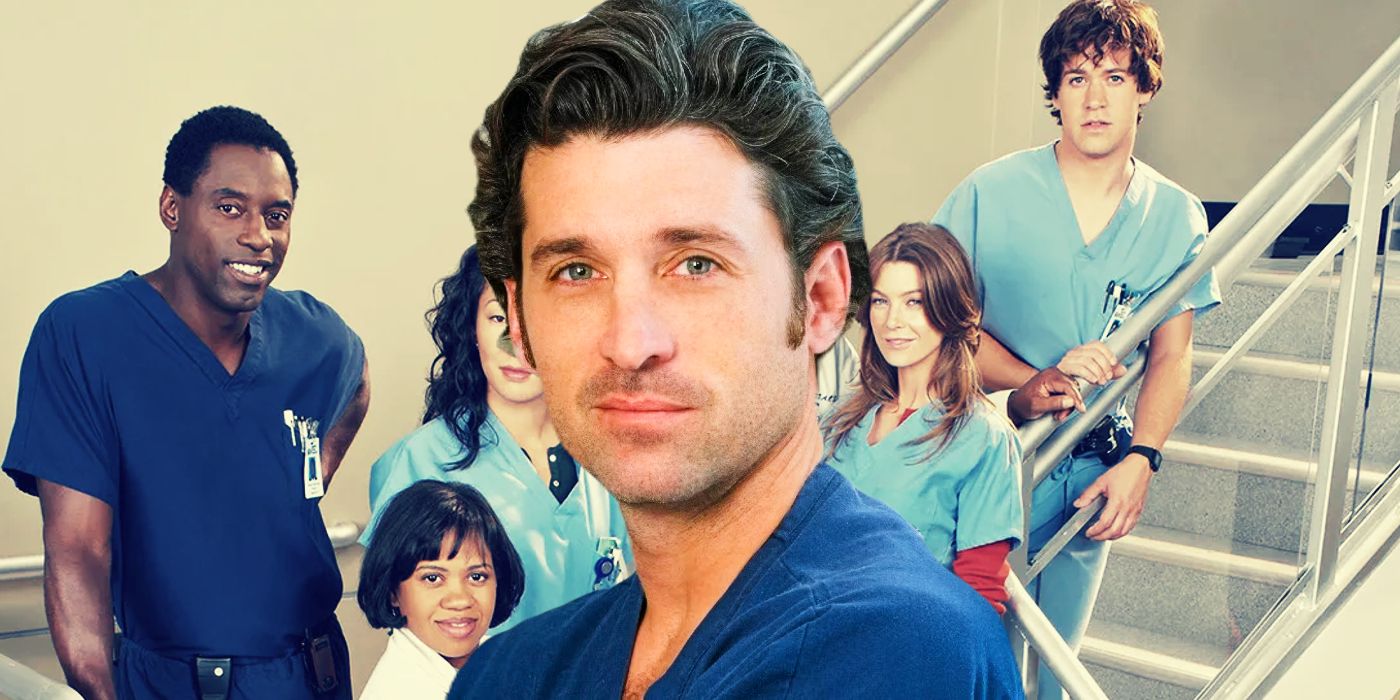
The Anatomy of a Brand Shockwave: Dr. Shepherd’s Departure
The departure of Dr. Derek Shepherd, affectionately known as “McDreamy,” from Grey’s Anatomy was not just a character death; it was a strategic decision with profound implications for a brand that had been a cultural touchstone for over a decade. His character embodied many of the show’s initial appeals, from its romantic core to its aspirational medical drama.
The Character as a Core Brand Asset
Derek Shepherd was more than just a character; he was a foundational pillar of the Grey’s Anatomy brand. As the primary love interest for protagonist Meredith Grey, their epic romance, often referred to by the portmanteau “MerDer,” was central to the show’s identity and a significant source of its brand equity. He represented the show’s aspirational ideals – a brilliant, compassionate neurosurgeon with a charming, albeit flawed, personality. His presence anchored numerous storylines, provided emotional stability for the main character, and attracted a significant portion of the viewership.
For a long-running series, key characters like Derek become synonymous with the brand itself. They are, in essence, intellectual properties and emotional investments for the audience. Their personalities, catchphrases, and relationships contribute directly to the show’s corporate identity and its market positioning. The decision to remove such a vital asset is akin to a major corporation divesting from a hugely successful product line or a brand ambassador who has become integral to its public image. It necessitates careful consideration of how the brand will sustain its value and appeal without that cornerstone.
The Narrative Decision and Audience Engagement
The choice to kill off Derek Shepherd was a bold and risky narrative strategy. For showrunners and brand managers of creative properties, navigating audience expectations is a delicate art. Long-term viewers develop deep emotional bonds with characters, viewing them almost as extended family. When a beloved character is removed, especially in a permanent and tragic manner, it can elicit strong reactions ranging from grief and anger to a sense of betrayal.
From a brand strategy perspective, such a move can be seen as either a necessary evolution or a high-stakes gamble. It might be deemed necessary to inject new life into an aging narrative, to challenge the remaining characters, or to demonstrate a commitment to realistic, albeit painful, storytelling. However, the risk lies in alienating a significant portion of the fanbase, potentially leading to a decline in viewership, negative brand sentiment, and a questioning of the show’s future direction. The strategic management of this shockwave involves meticulous planning, from foreshadowing to post-episode messaging, to mitigate potential damage to brand loyalty and ensure continued audience engagement. It’s a testament to the brand’s strength that Grey’s Anatomy ultimately navigated this challenge.
Measuring the Fallout: Brand Perception and Loyalty
The immediate aftermath of Dr. Shepherd’s death was a critical period for the Grey’s Anatomy brand. It tested the fundamental connection between the show and its audience, offering a real-time case study in brand perception management and the resilience of fan loyalty.
Fan Reaction and Social Media Engagement
The digital age amplified the fan reaction to Derek Shepherd’s death to an unprecedented degree. Social media platforms immediately became an arena for collective mourning, outrage, and discussion. Hashtags related to “McDreamy” and “Grey’s Anatomy” trended globally, reflecting the sheer volume of engagement. Fans expressed heartbreak, launched petitions for the character’s return (a testament to the character’s strong personal brand), and debated the justification of the narrative choice. This intense emotional outpouring, while challenging for the brand in the short term, also highlighted the deep-seated loyalty and emotional investment the audience had in the show.
For brand analysts, this provided invaluable real-time data on consumer sentiment. The ability to track and analyze millions of reactions offered insights into audience demographics, the emotional triggers associated with the brand, and the strengths and weaknesses of its brand identity. The sheer volume of conversation, even negative, affirmed the brand’s cultural relevance and its capacity to evoke powerful emotions, demonstrating that even a controversial decision could solidify the brand’s status as a significant cultural force rather than diminish it entirely.
Impact on Viewership and Critical Reception
In the immediate wake of Derek’s death, there were legitimate concerns within the industry about the show’s long-term viability. How would the departure of such a central figure affect ratings? Would critics deem the show past its prime? While there was an initial spike in viewership for the death episode itself, reflecting the morbid curiosity and collective grief, the subsequent seasons faced the challenge of maintaining momentum without their iconic lead.
However, Grey’s Anatomy demonstrated remarkable resilience. While some long-time viewers may have tuned out, the core audience remained largely intact, and the show continued to attract new generations of fans. Critical reception, while acknowledging the void left by Dempsey, often praised the show’s ability to evolve and explore new character dynamics. This resilience can be attributed to the brand’s deep foundations: a strong ensemble cast, compelling medical cases, a consistent tone, and a creator (Shonda Rhimes) with a clear vision for the brand’s future. The show’s ability to sustain high ratings and critical engagement post-Derek served as a powerful testament to its inherent brand strength and its capacity to adapt to significant internal changes, much like a well-established corporate entity might weather the departure of a key executive.

Rebranding and Reinvention: Grey’s Anatomy’s Endurance
The death of Dr. Shepherd acted as an unplanned, yet effective, rebranding exercise for Grey’s Anatomy. It forced the series to shed an older identity and embrace a new one, proving that a strong brand can adapt and even thrive after fundamental shifts.
Shifting Core Identities and New Narratives
Prior to Derek’s death, Grey’s Anatomy was often defined by the love story of Meredith and Derek. Their relationship was a significant part of the show’s core identity. His departure necessitated a dramatic shift. The brand’s narrative focus moved away from the romantic ideal and towards Meredith’s journey as a widowed surgeon, a single mother, and a formidable medical professional in her own right. This wasn’t merely a plot change; it was a strategic reorientation of the brand’s emotional core and thematic priorities.
The show had to prove it could be compelling without its central romantic couple. It began to emphasize different types of relationships – friendships, professional rivalries, and the inherent strength of individual character development. This strategic pivot allowed the brand to explore new narrative avenues, preventing it from becoming stale and predictable. It demonstrated that the Grey’s Anatomy brand was more expansive than just one romance; it was about the complex lives of dedicated doctors and the perpetually evolving landscape of Grey Sloan Memorial Hospital.
The Power of Ensemble and Secondary Brand Assets
A key factor in Grey’s Anatomy‘s post-Derek endurance was the strength of its ensemble cast. The show had consistently invested in a rich tapestry of supporting characters, each with their own compelling storylines and dedicated fanbases. These “secondary brand assets” stepped up to fill the void, demonstrating that the brand’s value was distributed across a diverse portfolio of characters, not solely concentrated in one.
Characters like Cristina Yang (though she departed before Derek, her influence remained), Alex Karev, Miranda Bailey, Richard Webber, and later additions, took on increased prominence. Their existing relationships with Meredith, their professional developments, and their personal struggles became central. This distributed brand equity meant that while a major asset was lost, the overall brand structure remained robust. It highlights the importance for any brand of not overly relying on a single element for its appeal, but rather cultivating a rich and varied ecosystem of contributing factors.
Lessons in Brand Resilience and Adaptation
The Grey’s Anatomy saga post-Derek Shepherd offers invaluable lessons in brand resilience and adaptation. It demonstrated that a brand, even one deeply ingrained with specific characters or themes, can successfully reinvent itself by understanding its core values and audience’s underlying motivations. The brand’s ability to pivot its narrative, highlight different strengths, and leverage its extensive character catalog allowed it to not only survive but to continue thriving for many more seasons. It underscored that true brand strength lies not just in its initial appeal, but in its capacity for evolution, its willingness to take calculated risks, and its deep understanding of its consumers’ enduring emotional investment.
The Legacy of a Star: Enduring Brand Value
Even years after his on-screen demise, Dr. Derek Shepherd continues to hold significant brand value for Grey’s Anatomy. His legacy permeates the show, proving that once a character becomes an iconic brand asset, their influence can extend far beyond their active presence.
Character Immortality and Continued Fan Interest
In the realm of entertainment branding, beloved characters achieve a form of immortality. Despite his death, Derek Shepherd remains a frequently discussed character, appearing in flashbacks, dreams, and as a constant reference point for Meredith and their children. His storyline contributes to the show’s deep lore, enriching the overall brand narrative. This continued interest is evident in online discussions, fan fiction, re-watch analyses on streaming platforms, and the enduring popularity of “MerDer” fan content.
For the Grey’s Anatomy brand, Derek’s enduring presence ensures that even new viewers, catching up on old seasons, immediately grasp his significance. His character’s journey, even ending in tragedy, remains a powerful component of the show’s overall emotional resonance and its ability to attract and retain a diverse audience across generations. This ongoing digital afterlife illustrates how powerful brand assets can continue to generate engagement and value long after their primary “shelf life” has concluded.

From Character Arc to Brand Narrative
Derek Shepherd’s entire arc, from his charming introduction to his heartbreaking farewell, is now an indelible part of the overarching Grey’s Anatomy brand narrative. His story isn’t just about a character; it’s a chapter in the brand’s autobiography, influencing subsequent plots and character developments. His death redefined Meredith, spurred growth in other characters, and cemented the show’s reputation for high-stakes emotional drama.
This integration of a character’s journey into the brand’s long-term narrative strategy demonstrates sophisticated storytelling and brand management. It illustrates how individual elements, even when removed, can contribute to the brand’s legacy and continued appeal, ensuring that the brand narrative remains cohesive and impactful over time. The “what episode does Dr. Shepherd die in” question, therefore, isn’t just a quest for information; it’s a doorway into understanding how a single event can shape, challenge, and ultimately strengthen a cultural phenomenon like Grey’s Anatomy.
In conclusion, the death of Dr. Derek Shepherd in Grey’s Anatomy in Season 11, Episode 21, “How to Save a Life,” was far more than a shocking plot twist. It was a profound moment that tested the very fabric of the Grey’s Anatomy brand. By navigating the emotional fallout, demonstrating narrative adaptability, and leveraging its ensemble strength, the show proved its extraordinary resilience. This event stands as a powerful case study in how a well-established brand, even when faced with the loss of a core asset, can successfully pivot, redefine its identity, and ultimately strengthen its connection with its loyal audience, ensuring its continued relevance and enduring legacy in the competitive landscape of television.
aViewFromTheCave is a participant in the Amazon Services LLC Associates Program, an affiliate advertising program designed to provide a means for sites to earn advertising fees by advertising and linking to Amazon.com. Amazon, the Amazon logo, AmazonSupply, and the AmazonSupply logo are trademarks of Amazon.com, Inc. or its affiliates. As an Amazon Associate we earn affiliate commissions from qualifying purchases.