
In an increasingly interconnected world, the concept of “worldliness” transcends mere travel or geographical knowledge. For brands, both corporate and personal, embracing a worldly perspective has evolved from a niche aspiration to a strategic imperative. A worldly brand projects an image of sophistication, deep cultural understanding, and an acute awareness of global dynamics, fostering trust and resonance across diverse demographics. But what precisely does it mean for a brand to be “worldly,” and how can this intangible quality be purposefully cultivated and leveraged in today’s competitive landscape?
1. Unpacking “Worldly” in the Brand Landscape
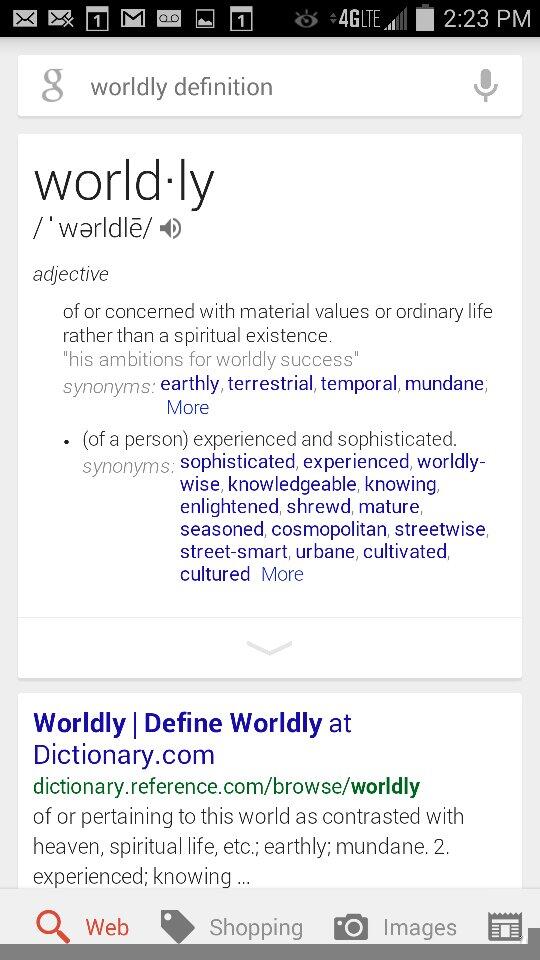
At its core, “worldly” denotes experience, broad knowledge, and a nuanced understanding of cultures, customs, and global affairs. When applied to branding, it signifies a dimension beyond simply operating internationally; it embodies a sophisticated approach to identity and communication that transcends borders and resonates with a universal human experience.

From Personal Trait to Brand Attribute
Historically, “worldliness” was often attributed to individuals—explorers, diplomats, or intellectuals—who possessed a depth of experience gained through extensive travel and cross-cultural engagement. They carried an aura of wisdom, adaptability, and an informed perspective. Today, these very traits are invaluable for brands. A worldly brand isn’t just physically present in multiple markets; it understands those markets, respects their unique characteristics, and adapts its messaging and offerings authentically. It shifts from being a personal descriptor to a powerful, aspirational brand attribute, signifying a brand that is knowledgeable, well-traveled, and globally aware in its outlook and operations.
The Nuances of Global Awareness and Sophistication
Global awareness for a brand goes far beyond language translation or basic market research. It involves a profound cultural intelligence—the ability to understand and navigate cultural differences with empathy and effectiveness. A worldly brand avoids cultural gaffes, speaks to universal human values while respecting local traditions, and demonstrates a sophisticated understanding of global trends, geopolitical shifts, and socio-economic dynamics. This sophistication isn’t about elitism; it’s about an informed, refined approach to engagement that builds credibility and avoids superficiality. It implies a brand that understands the interconnectedness of global issues, from sustainability to social justice, and frames its actions within this broader context.
Why Worldliness Matters for Modern Brands
In an era where consumers are increasingly globally conscious and digitally connected, a worldly brand offers significant advantages. It signals relevance, foresight, and adaptability, qualities that resonate deeply with modern audiences. For consumers, a worldly brand often implies higher quality, ethical practices, and a more sophisticated product or service. For businesses, it translates into enhanced market access, stronger international partnerships, and a more resilient brand identity capable of navigating global challenges. Worldliness helps brands stand out in a crowded marketplace, fostering deeper connections by demonstrating an understanding of the diverse lived experiences of their global customer base. It suggests a brand that is thoughtful, responsible, and capable of leading conversations on a global stage, moving beyond purely transactional relationships to build communities rooted in shared values and understanding.
2. Core Components of a Worldly Brand Identity
Building a truly worldly brand requires more than just an international presence; it necessitates integrating specific components into the very fabric of its identity, from its internal culture to its external communication. These components ensure that worldliness is an authentic expression, not merely a superficial veneer.
Cultural Intelligence and Empathy
At the heart of a worldly brand lies deep cultural intelligence (CQ). This is the ability to understand, interpret, and adapt to cultural nuances effectively. For a brand, CQ means going beyond stereotypical representations and genuinely appreciating the diversity of consumer behaviors, values, and communication styles across different regions. It involves active listening, genuine curiosity, and a commitment to empathy in all interactions. A brand with high cultural intelligence tailors its marketing messages, product features, and customer service approaches to resonate deeply with local sensibilities, rather than imposing a one-size-fits-all global strategy. This empathy builds trust and demonstrates respect, turning foreign markets into loyal communities rather than just sales targets. It requires an investment in understanding local traditions, humor, aspirations, and pain points, ensuring that the brand’s message is not just heard, but truly felt.
Aesthetic Sophistication and Universal Appeal
A worldly brand’s visual and verbal aesthetics often reflect a refined taste that transcends fleeting trends and local fads. This doesn’t mean a bland, generic look, but rather a sophisticated design language that speaks to universal principles of beauty, balance, and clarity, while also being capable of subtle adaptation to local preferences. This might manifest in a timeless logo, elegant typography, or a color palette that evokes a sense of quality and understated luxury. The goal is to achieve universal appeal—creating an aesthetic that feels premium and relevant whether seen in New York, Tokyo, or São Paulo—without losing distinctiveness. This often involves drawing inspiration from diverse cultural art forms, architectural styles, and philosophical concepts, blending them harmoniously to create a brand identity that feels both unique and universally understood. It’s about creating a visual language that communicates quality and purpose, regardless of the cultural lens through which it is viewed.
Adaptability and Cross-Cultural Relevance
True worldliness for a brand is intrinsically linked to its capacity for adaptability. This is the agility to adjust strategies, products, and communications in response to diverse market conditions, cultural shifts, and evolving consumer expectations worldwide. A worldly brand doesn’t merely translate its content; it localizes its entire approach, from packaging and pricing to distribution channels and customer engagement models. This cross-cultural relevance means understanding that what works in one market may not in another, and having the humility and flexibility to learn and change. It demonstrates a brand that is not rigid or ethnocentric, but rather dynamic, responsive, and genuinely committed to serving a global audience on their own terms. This adaptability is critical not only for market entry but for sustained growth and resilience in a constantly changing global environment. It signals a brand that is not just global in reach, but global in mindset and operational agility.
3. Strategies for Cultivating Worldliness in Your Brand
Cultivating worldliness isn’t an overnight task; it’s a deliberate, ongoing process that integrates global awareness into every facet of a brand’s strategy, from its internal culture to its external messaging.
Global Storytelling and Narrative Crafting

One of the most potent ways to project worldliness is through compelling storytelling that transcends geographical boundaries. A worldly brand crafts narratives that highlight its global journey, its diverse inspirations, and the universal values it champions. This might involve sharing stories from different regions where the brand operates, showcasing the diverse individuals who contribute to its mission, or emphasizing the cross-cultural insights that inform its products or services. The key is to move beyond superficial “global” imagery and weave authentic narratives that resonate with people from various backgrounds, focusing on shared human experiences, aspirations, and challenges. These stories can be conveyed through rich multimedia content, compelling advertising campaigns, and authentic social media engagement, inviting audiences to become part of a larger, global conversation.
Diversifying Your Team and Perspectives
A brand’s internal team is its most valuable asset in building worldliness. A diverse workforce—one that reflects a multitude of nationalities, cultures, languages, and backgrounds—naturally brings a richer, more nuanced global perspective to the brand. This diversity fosters an environment where different viewpoints are valued, cultural sensitivities are innate, and innovative solutions emerge from a broader range of experiences. Brands should actively seek to build multicultural teams at all levels, from leadership to creative and marketing departments. This internal diversity naturally translates into more culturally intelligent products, more relevant marketing campaigns, and a more authentic global brand voice, making the brand inherently more worldly from the inside out.
Thought Leadership on International Trends
Positioning your brand as a thought leader on international trends is a powerful strategy for demonstrating worldliness. This involves actively engaging with global conversations, publishing insightful content on international business, cultural shifts, technological advancements, or societal issues from a global perspective. Whether through white papers, webinars, conferences, or op-eds, contributing to global discourse establishes the brand as knowledgeable, forward-thinking, and globally informed. This elevates the brand’s perceived expertise and credibility, demonstrating that it doesn’t just react to global events but actively contributes to understanding and shaping them. By offering valuable insights that resonate across borders, a brand can establish itself as a trusted voice in the global arena.
4. The Impact of Worldliness on Brand Perception and Growth
The strategic cultivation of worldliness yields significant dividends, fundamentally altering how a brand is perceived and accelerating its trajectory for sustainable growth in a globalized marketplace.
Building Trust and Credibility Across Borders
In an era rife with misinformation and superficial claims, a truly worldly brand stands out by fostering genuine trust and credibility. Its deep cultural intelligence, ethical engagement, and authentic storytelling demonstrate respect and understanding for diverse audiences. This commitment goes beyond transactional relationships, creating an emotional connection that builds lasting loyalty. Consumers are more likely to trust brands that demonstrate an understanding of their unique context and values, making worldliness a powerful antidote to skepticism. When a brand consistently delivers on its promise of global insight and responsible action, it earns a reputation for reliability and integrity, crucial assets in an increasingly transparent world. This trust translates into stronger brand equity and a more resilient market position, especially during times of global uncertainty.
Expanding Market Reach and Customer Loyalty
A worldly brand inherently possesses a greater capacity for expanding its market reach. By understanding and adapting to the nuances of various international markets, it can more effectively tailor its products, services, and marketing messages to resonate with diverse consumer groups. This bespoke approach fosters a sense of being truly understood by the brand, leading to deeper customer loyalty. Rather than merely entering new markets, a worldly brand seeks to integrate itself into the local fabric, becoming a part of the community. This leads to organic growth, strong word-of-mouth referrals, and a sustained presence that is resistant to competitive pressures. Loyal customers in one market can also become advocates for the brand in others, creating a virtuous cycle of global expansion driven by authentic connection.
Enhancing Brand Resilience and Future-Proofing
Worldliness equips a brand with the foresight and adaptability necessary to navigate an unpredictable global landscape. Brands that understand diverse markets, cultural shifts, and geopolitical currents are better positioned to anticipate risks, seize emerging opportunities, and pivot strategies effectively. This global perspective makes a brand inherently more resilient, less susceptible to localized shocks, and capable of recovering from setbacks with greater agility. By diversifying its insights and operational capabilities across different regions, a worldly brand distributes its risk and builds a robust framework for long-term sustainability. It is future-proofed by its ability to learn, evolve, and remain relevant in a world characterized by constant change, ensuring its enduring appeal and continued success.
5. Authenticity and Avoiding Pitfalls in Worldly Branding
While the benefits of worldliness are clear, achieving it authentically requires careful navigation. Brands must strive for genuine engagement, avoiding the common pitfalls of tokenism or cultural appropriation that can undermine their efforts.
The Fine Line Between Worldly and Exploitative
A critical challenge for brands aiming for worldliness is to avoid crossing the line into exploitation or cultural appropriation. True worldliness is about respect, understanding, and mutual exchange, not about superficially adopting cultural elements for commercial gain without genuine appreciation or attribution. Brands must engage with cultures thoughtfully, ensuring their representations are accurate, respectful, and, where appropriate, involve collaboration with members of those cultures. This means investing in ethical supply chains, fair labor practices, and giving back to the communities from which they draw inspiration or resources. Failing to do so can lead to accusations of inauthenticity, damaging the brand’s reputation and alienating the very audiences it seeks to connect with. Authenticity is paramount; it cannot be faked or superimposed without consequence.
Sustaining Genuine Global Engagement
Worldliness is not a one-time campaign; it requires sustained, genuine global engagement. This means consistently investing in cultural research, maintaining diverse internal teams, fostering cross-cultural collaborations, and continuously learning from global interactions. Brands must avoid the temptation to treat international markets as homogenous entities, instead recognizing and celebrating their unique characteristics. Ongoing dialogue with global consumers, partners, and thought leaders is crucial for staying relevant and responsive. This sustained commitment demonstrates that the brand’s worldliness is deeply embedded in its values and operations, rather than being a fleeting marketing trend. It’s an iterative process of learning, adapting, and growing with the world.
Measuring the Effectiveness of Worldly Initiatives
To ensure that worldly branding efforts are impactful, brands must establish clear metrics for success. Beyond traditional sales figures, this includes tracking indicators such as brand sentiment across different cultures, levels of cultural resonance in marketing campaigns, the diversity of leadership and team members, and the impact of social responsibility initiatives in global communities. Qualitative measures, such as customer testimonials highlighting cultural understanding, can also provide valuable insights. Regularly evaluating these metrics allows brands to refine their strategies, deepen their understanding of global audiences, and continuously enhance their genuine worldliness. Ultimately, measuring effectiveness ensures that the investment in worldliness translates into tangible brand value and meaningful connections with a global audience.
In conclusion, “worldly” for a brand signifies far more than geographical reach; it represents a profound, integrated approach to identity, communication, and operations characterized by cultural intelligence, sophisticated aesthetics, and adaptive strategies. Cultivating this global persona is not just an aspiration but a strategic imperative that builds trust, expands markets, and future-proofs a brand in an ever-evolving world. By embracing authenticity, fostering genuine engagement, and continuously measuring impact, brands can truly embody worldliness and forge lasting connections across the globe.
aViewFromTheCave is a participant in the Amazon Services LLC Associates Program, an affiliate advertising program designed to provide a means for sites to earn advertising fees by advertising and linking to Amazon.com. Amazon, the Amazon logo, AmazonSupply, and the AmazonSupply logo are trademarks of Amazon.com, Inc. or its affiliates. As an Amazon Associate we earn affiliate commissions from qualifying purchases.