
In the bustling world of beauty, where shelves are laden with myriad serums, creams, and cleansers, the humble toner often stands as a quiet but mighty contender. For consumers, the question “what does toner do to skin?” seeks clarity on its functional benefits – hydration, pH balancing, exfoliation, or prep. For skincare brands, however, understanding and articulating what toner does is far more than a simple product description; it’s a critical cornerstone of brand strategy, marketing narrative, and the very essence of corporate identity. This article dissects the role of toner not merely as a skincare step, but as a potent tool for brand building, communication, and cultivating lasting consumer relationships.
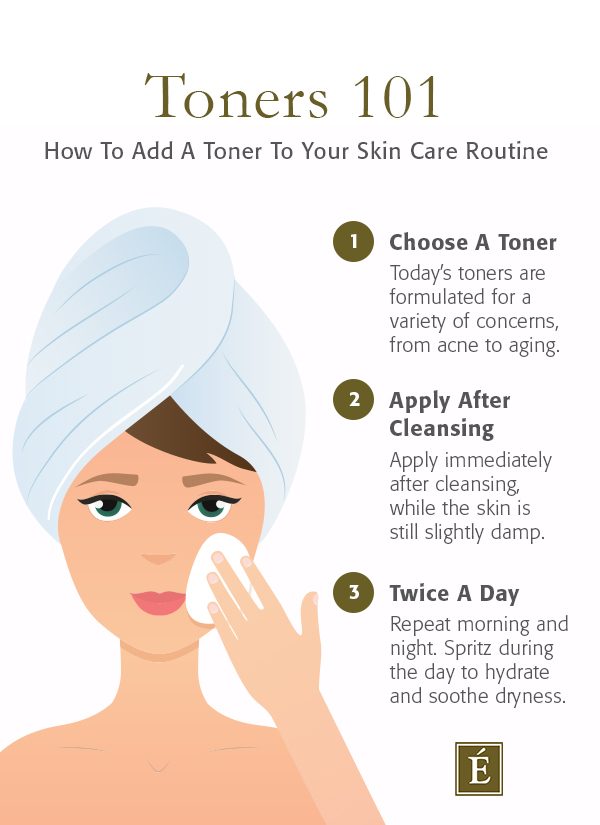
The Strategic Role of Toner in Brand Storytelling
Every product a brand offers contributes to its overarching narrative, and toners are no exception. Far from being an afterthought, how a brand formulates, names, and positions its toners can profoundly influence its perceived values, efficacy, and target audience. For brands, the toner isn’t just a liquid; it’s a liquid loaded with strategic intent.
Positioning Toners for Distinct Consumer Needs
Brands strategically segment the toner market by tailoring formulations to address specific skin concerns, thereby capturing diverse consumer groups and carving out unique market niches. A brand focused on minimalist skincare might offer a single, multi-tasking toner emphasizing gentle pH balance and universal hydration. Conversely, a scientific or dermatological brand might present an array of toners: one for acne-prone skin with salicylic acid, another for anti-aging with peptides, and a third for sensitive skin with soothing botanicals. Each variant is not just a different product; it’s a distinct brand promise.
This differentiation strategy allows brands to speak directly to specific pain points. For instance, a brand positioning a hydrating toner is selling comfort and plumpness, appealing to consumers concerned with dryness and barrier health. An exfoliating toner brand, on the other hand, sells renewal and clarity, targeting those grappling with texture issues or dullness. The “what it does” for the skin is inextricably linked to “who it’s for” in the brand’s strategic messaging, creating clear pathways for consumers to self-identify with a brand’s offerings. This precision in targeting minimizes market noise and establishes a brand as an authoritative solution provider for particular skin conditions.
Crafting Brand Identity Through Toner Formulations
The specific ingredients, philosophies, and even the scent profile of a toner can serve as powerful emblems of a brand’s core identity. Consider a brand built on a natural, organic ethos; its toners will likely feature botanical extracts, floral waters, and avoid synthetic fragrances, all of which reinforce its commitment to purity and sustainability. The transparency about sourcing these natural ingredients becomes part of the brand’s ethical identity.
In contrast, a brand that prides itself on scientific innovation and clinical results will highlight patented molecules, cutting-edge delivery systems, and peer-reviewed efficacy studies in its toner descriptions. Here, the “what it does to skin” is framed through the lens of scientific advancement, appealing to a consumer base that values empirical evidence and measurable results. Even the texture and absorption rate of a toner can be part of this identity: a fast-absorbing, weightless toner might convey efficiency and modernity, while a richer, more viscous one might suggest indulgence and deep nourishment. Through these deliberate choices in formulation, brands communicate their fundamental values, whether they are rooted in nature, science, luxury, or accessibility, and build a cohesive corporate identity that resonates with their target demographic.
Leveraging Toner’s Benefits for Marketing & Consumer Engagement
The true power of a toner’s function lies not just in its effect on the skin, but in how those effects are translated into compelling marketing narratives and experiences that engage consumers and foster loyalty. Brands that master this translation turn a simple product into a cornerstone of their customer relationship.
Communicating Efficacy: Marketing the “What It Does” of Toner
In a crowded marketplace, brands must do more than just list ingredients; they need to communicate the profound “what it does” in a language that is both informative and inspiring. This involves transforming complex dermatological science into digestible, emotionally resonant benefits. For example, instead of merely stating “contains hyaluronic acid,” a brand might articulate, “Our hydrating toner acts like a magnet for moisture, drawing it into the skin for a plump, dewy complexion that glows from within.” This rephrasing elevates the functional to the experiential.
Marketing campaigns for toners often employ before-and-after imagery, testimonials from real users, and expert endorsements to visibly demonstrate the product’s efficacy. Brands might focus on micro-level benefits such as “refining pores” or “improving skin texture,” or broader impacts like “restoring radiance” and “boosting confidence.” The challenge for brands is to maintain scientific integrity while making the benefits accessible and desirable. By clearly and creatively articulating how their toner improves skin, brands build trust and establish themselves as credible authorities in skincare, turning potential customers into confident purchasers.
Building Ritual and Loyalty: Toner as a Cornerstone Product
Skincare is often about ritual, and toners, positioned early in the routine, play a crucial role in establishing this daily ceremony. By encouraging the consistent use of a toner as an indispensable “prep” step, brands embed themselves into the consumer’s daily life, fostering a sense of habit and, ultimately, loyalty. The act of swiping a toner across the face after cleansing signals a transition from “cleaning” to “caring” for the skin.
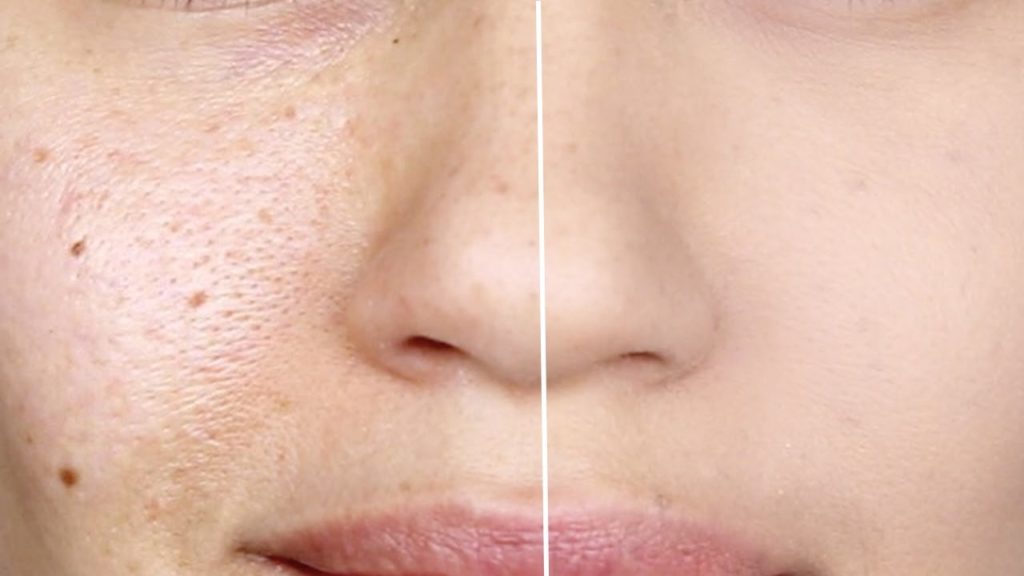
Brands often market toners as the “gateway” product, enhancing the absorption and performance of subsequent serums and moisturizers within their product line. This strategy cleverly encourages consumers to invest further in the brand’s ecosystem, creating a multi-step routine that locks in loyalty. A toner that consistently delivers a refreshing feel, a subtle glow, or a calming effect reinforces positive associations with the brand. Over time, this consistent positive experience translates into brand affinity, where the consumer associates the feeling of well-being and efficacy directly with the brand, making them less likely to switch to competitors. The toner, therefore, becomes not just a standalone product, but a vital thread in the fabric of the consumer’s skincare journey with the brand.
Toner and Personal Branding in the Digital Age
The advent of social media has transformed skincare into a highly visual and shareable experience, elevating products like toners into key components of both brand marketing and individual self-expression. Toners are no longer just about personal skin care; they’re about personal branding and narrative.
Influencer Culture and the Toner Narrative
Beauty influencers wield immense power in shaping consumer perceptions and purchasing decisions. For toners, influencers often become crucial storytellers, integrating these products into their daily routines and demonstrating their “what it does” in real-time. They might showcase a “toner pad routine” for exfoliation, a “7-skin method” for intense hydration, or simply a refreshing spritz. This authentic, often aspirational, content humanizes the product and lends credibility that traditional advertising struggles to achieve.
Brands strategically partner with influencers whose personal brands align with their own, leveraging their reach and authenticity. An influencer known for their natural beauty philosophy might feature an organic, botanical toner, while a dermatologist-affiliated influencer might highlight a clinical-grade exfoliating toner. The influencer’s personal brand narrative – their skin journey, their aesthetic, their values – becomes intertwined with the toner’s narrative, showcasing not just the product’s function but also its integration into a desirable lifestyle. This symbiotic relationship amplifies a toner’s benefits, transforming a functional liquid into a coveted item endorsed by trusted personalities.
Self-Care as Brand Identity: Integrating Toner into Lifestyle
In an era where self-care has evolved into a personal brand statement, toners are positioned as integral components of this lifestyle choice. For many consumers, the act of applying toner transcends a mere skincare step; it’s a mindful moment, a ritualistic pause in a busy day, reflecting a commitment to well-being and self-respect. Brands capitalize on this by framing toners not just for “better skin,” but for a “better you.”
The choice of a particular toner can also be an extension of a consumer’s personal identity or brand. Someone passionate about sustainability might choose a refillable, eco-friendly toner from a brand committed to environmental responsibility. A minimalist might opt for a multi-purpose toner that aligns with their less-is-more philosophy. By offering toners that resonate with broader lifestyle values – be it wellness, sustainability, scientific rigor, or luxury – brands allow consumers to express their personal brand through their product choices. The toner, therefore, becomes a symbol of an individual’s curated self-care regimen, a testament to their values, and a silent endorsement of the brand itself.
The Evolving Toner Market: Innovation and Brand Differentiation
The toner market is dynamic, constantly evolving with scientific advancements, changing consumer demands, and emerging beauty trends. For brands, this necessitates continuous innovation and strategic differentiation to remain relevant and competitive.
Adapting to Trends: Toner Formulations and Sustainability Branding
Consumer awareness around ingredients, ethical sourcing, and environmental impact is at an all-time high. Brands are responding by innovating toner formulations to align with these evolving values, simultaneously building their sustainability brand. This includes developing “clean” toners free from parabens, sulfates, and synthetic fragrances, or focusing on vegan and cruelty-free certifications. The shift towards waterless formulas or toners with upcycled ingredients reflects a brand’s commitment to eco-conscious practices, which becomes a powerful branding message.
Furthermore, packaging innovation plays a significant role. Brands are investing in recyclable materials, post-consumer recycled (PCR) plastic, and refillable systems for their toner bottles. Communicating these efforts in marketing materials reinforces the brand’s sustainability credentials, appealing to a growing segment of environmentally conscious consumers. The “what it does to skin” is now inseparable from “what it does for the planet,” allowing brands to differentiate themselves not just on efficacy but on ethical responsibility. This adaptation to trends is not just about product improvement; it’s about evolving the brand’s identity to resonate with contemporary values.

Competitive Landscape: Standing Out in a Saturated Market
With countless toners vying for attention, brand differentiation is paramount. Simply explaining what a toner does for the skin is no longer enough; brands must articulate why their toner does it better or uniquely. This often involves highlighting patented ingredients, proprietary extraction methods, or exclusive formulations that provide a distinct competitive edge. For instance, a brand might emphasize a unique fermentation process for its toner ingredients, suggesting enhanced potency and bioavailability.
Beyond ingredients, brands differentiate through unique application methods (e.g., mist toners, toner pads), sensory experiences (unusual textures, aromatherapeutic scents), or a highly specialized focus (e.g., toners specifically for scalp health, or for post-procedure care). Case studies of successful brand differentiation in the toner market often show how a brand leverages a niche benefit or a novel approach to create a category of its own. By clearly defining and communicating what makes their toner distinct – not just what it does, but how it does it in a way no one else can – brands solidify their position, avoid commoditization, and capture the imagination of discerning consumers in a highly saturated market.
In conclusion, the question “what does toner do to skin?” unveils a complex tapestry for brands. It’s a question not just about hydration or exfoliation, but about how these functions are woven into compelling brand stories, impactful marketing campaigns, personal identity, and continuous innovation. For brands, understanding and strategically communicating the power of toner is fundamental to building a lasting legacy in the ever-evolving beauty industry.
aViewFromTheCave is a participant in the Amazon Services LLC Associates Program, an affiliate advertising program designed to provide a means for sites to earn advertising fees by advertising and linking to Amazon.com. Amazon, the Amazon logo, AmazonSupply, and the AmazonSupply logo are trademarks of Amazon.com, Inc. or its affiliates. As an Amazon Associate we earn affiliate commissions from qualifying purchases.