
The concept of “separation of church and state” is a foundational principle in many democratic nations, particularly enshrined in the First Amendment of the United States Constitution. While often debated in terms of religious freedom, governmental neutrality, and civil liberties, its profound implications for the world of finance, economics, and organizational stewardship are frequently overlooked. Far from being a mere abstract legal theory, the separation dictates a complex financial relationship, influencing everything from tax codes and public funding mechanisms to individual economic choices and the very structure of religious institutions’ financial management.
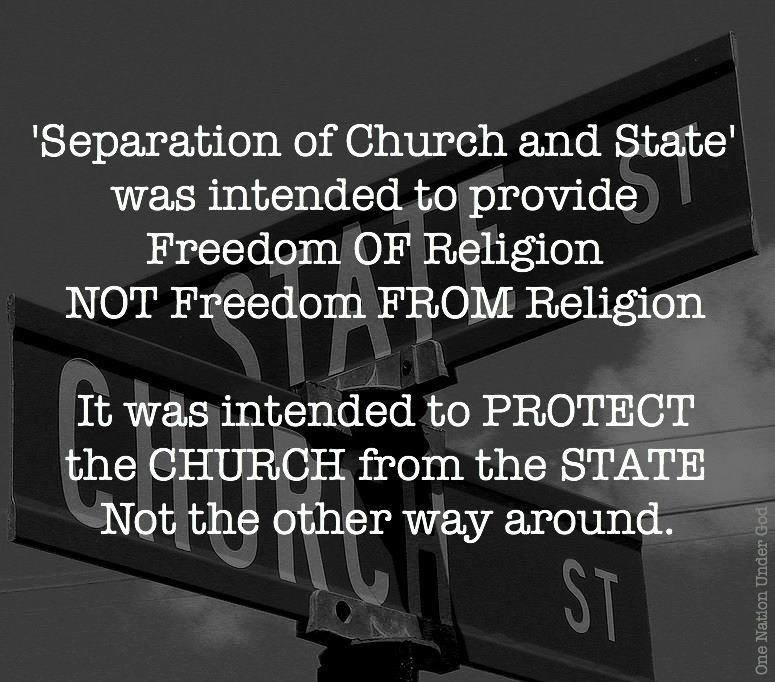
This article delves exclusively into the “Money” aspects of this pivotal doctrine. We will explore how the separation shapes the financial landscape for religious organizations, impacts public expenditures, influences individual wealth and charitable giving, and presents unique challenges and opportunities for financial stewardship in a pluralistic society. By examining the pecuniary dimensions, we gain a more comprehensive understanding of how this constitutional barrier translates into tangible financial realities for faith groups, governments, and citizens alike.
The Bedrock of Financial Independence: Tax Exemptions for Religious Organizations
One of the most significant and often debated financial consequences of the separation of church and state is the tax-exempt status granted to religious organizations. This principle, deeply embedded in tax law, is seen by many as essential for protecting religious freedom and preventing government entanglement in religious affairs, while others view it as an unfair subsidy.
Historical Roots and Modern Interpretations of Tax Status
The tradition of exempting religious institutions from taxation predates the U.S. Constitution, rooted in colonial practices and English common law. The rationale was that religious organizations provide public goods and services (charity, education, community support) that would otherwise fall to the government, and taxing them could infringe upon religious exercise or lead to excessive government oversight. In modern interpretation, this translates to religious organizations generally being recognized as 501(c)(3) non-profits under the Internal Revenue Code. This status exempts them from federal income tax and, often, state and local income, property, and sales taxes. The underlying financial principle is to foster a vibrant civil society, where diverse institutions contribute to the public good without being unduly burdened by the state’s financial demands, thereby promoting religious autonomy.
Navigating the Non-Profit Landscape: IRS Code and Compliance
For religious organizations, achieving and maintaining 501(c)(3) status is paramount for their financial viability. This involves adhering to strict IRS regulations, even if churches are generally exempt from filing annual Form 990s unlike other non-profits. Key financial requirements include operating exclusively for religious, educational, or charitable purposes; ensuring no part of their net earnings benefits any private shareholder or individual; and refraining from political campaign activities. From a financial management perspective, this means meticulous record-keeping, transparent accounting practices, and strict adherence to fiduciary duties. Missteps can lead to revocation of tax-exempt status, resulting in significant financial penalties, back taxes, and a drastic impact on donor contributions, as donations to non-exempt entities are not tax-deductible. The separation here acts as a financial regulator, setting boundaries within which religious organizations must operate to retain their advantageous tax position.
Property Taxes, Sales Taxes, and the Ministerial Housing Allowance
Beyond income tax, religious institutions often benefit from exemptions on property taxes for their places of worship, schools, and parsonages. This local-level financial relief is critical, as property taxes often constitute a substantial portion of an organization’s annual expenditure. Similarly, many states exempt religious organizations from sales taxes on purchases made for their exempt purposes. Another notable financial benefit tied to this separation is the ministerial housing allowance (or parsonage allowance), which allows clergy to exclude from their gross income the fair rental value of a home or a housing allowance used to pay for housing costs. This specific tax provision, while a direct financial benefit to clergy, has been challenged in courts as potentially violating the Establishment Clause, illustrating the constant tension and financial scrutiny surrounding the interplay of church and state. The collective sum of these tax benefits represents a significant financial consideration, allowing religious organizations to direct more resources towards their missions rather than governmental coffers.
Public Coffers and Sacred Missions: Funding Faith-Based Initiatives
While the separation doctrine generally prohibits direct government funding of religious institutions for religious purposes, the reality of public funding for faith-based social service initiatives is far more nuanced. This area represents a complex financial intersection where government aims to address societal needs, and faith-based groups possess significant capacity and reach.
Grants, Partnerships, and the “Charitable Choice” Provision
In many countries, governments partner with faith-based organizations to deliver social services such as poverty alleviation, substance abuse treatment, housing, and disaster relief. Financially, this often takes the form of competitive grants or contracts, not direct subsidies for religious activities. In the U.S., the “Charitable Choice” provisions, particularly prominent since the late 1990s and expanded under the “faith-based initiatives” of the 2000s, clarified that religious organizations could receive federal funds to provide social services on the same basis as secular organizations, without being required to remove religious symbols or practices during service delivery, provided that direct religious instruction or worship was not part of the federally funded program. This opened significant financial avenues for faith-based groups, enabling them to expand their reach and impact with public money. The financial distinction is crucial: funds must be used for secular social services, not proselytization.
Accountability and Oversight: Ensuring Secular Purpose for Public Funds
The influx of public funds into faith-based organizations necessitates rigorous financial accountability and oversight. Governments must ensure that taxpayer money is used for its intended secular purpose and does not inadvertently subsidize religious indoctrination. This involves stringent auditing, reporting requirements, and programmatic evaluations. From a financial perspective, religious organizations receiving public funds must compartmentalize their finances, meticulously tracking how government money is spent to avoid commingling with funds used for religious activities. This creates a complex financial management challenge, demanding clear budgetary separation and transparency. The separation principle here dictates a financial firewall: public funds for public services, private funds for religious services.
The Blurring Lines: Controversies over Direct vs. Indirect Funding

Despite regulations, the financial lines can sometimes blur, leading to legal and public controversies. Questions often arise regarding the “indirect” financial benefits religious institutions derive from such partnerships, or the extent to which religious character can be maintained when funded publicly. For instance, debates persist over voucher programs for religious schools, where public funds follow students to private, often religious, institutions. Financially, this represents a significant flow of public money to religious education providers, raising questions about whether this constitutes an impermissible endorsement of religion. The financial impact of such programs can be substantial for religious schools, bolstering their budgets and enabling broader access, but it also continually tests the boundaries of the separation doctrine.
Economic Ripple Effects: Individuals, Communities, and the Greater Economy
The separation of church and state extends its financial influence beyond institutions, subtly shaping individual economic behavior, community development, and the broader economic landscape.
Charitable Giving and its Economic Contribution
Religious motivations are a powerful driver of charitable giving globally. In countries adhering to church-state separation, tax codes often incentivize donations to religious organizations by allowing individuals to deduct these contributions from their taxable income. This financial mechanism encourages a massive flow of private capital towards religious causes, which in turn often fund extensive social welfare programs, educational initiatives, and cultural preservation efforts. The economic contribution of religiously motivated philanthropy is immense, creating a parallel economy of giving that supports countless non-profit endeavors. Without the ability to claim tax deductions, the incentive for such significant giving might diminish, potentially shifting a greater financial burden onto the state for social services.
Employment and Wealth Creation within Religious Ecosystems
Religious institutions are substantial employers and economic actors. Churches, synagogues, mosques, temples, and related organizations (schools, hospitals, publishing houses) collectively employ millions of people, from clergy and administrative staff to teachers, healthcare workers, and construction personnel. They purchase goods and services, invest in property, and contribute to local economies through wages, spending, and facility development. The financial independence fostered by the separation allows these “religious ecosystems” to flourish as distinct economic entities, generating wealth, creating jobs, and stimulating local markets without direct government control or financial dependency. This economic autonomy is a direct consequence of the constitutional principle.
Consumer Choices and Ethical Investing from a Faith Perspective
For many individuals, religious beliefs profoundly influence their financial decisions, from consumer choices to investment strategies. The freedom of religion, safeguarded by the separation, allows individuals to align their economic activities with their faith values. This manifests in the growth of ethical investing funds that screen companies based on religious or moral criteria (e.g., avoiding alcohol, tobacco, or gambling industries), faith-based credit unions, and support for businesses aligned with specific religious principles. While not a direct state financial intervention, this illustrates how the underlying principle of individual religious freedom translates into diverse financial markets and consumer segments driven by spiritual convictions, influencing capital allocation and market development.
Financial Stewardship and Future Challenges for Religious Institutions
In an evolving socio-economic landscape, religious institutions face ongoing financial stewardship challenges that are uniquely shaped by the separation of church and state. Adapting to these demands requires innovative financial strategies and a deep understanding of their unique operating environment.
Diversifying Revenue Streams in a Secularizing World
As traditional membership models face challenges in some regions, religious organizations are increasingly focused on diversifying their revenue streams beyond tithes and offerings. This includes pursuing earned income through rental of facilities, operating social enterprises (e.g., bookstores, cafes), or charging for certain services, all while navigating their 501(c)(3) status and the boundaries of “unrelated business income tax” (UBIT). The separation principle here creates a financial incentive for innovation, pushing institutions to find entrepreneurial ways to fund their missions without becoming overly reliant on government or solely on diminishing traditional donations. This diversification is crucial for long-term financial stability and independence.
Managing Endowments and Investments with Ethical Considerations
Many established religious institutions possess significant endowments and investment portfolios. The management of these funds involves complex financial decisions, often guided by ethical investing principles that reflect their faith traditions. This includes responsible investing, socially conscious screening, and impact investing that aligns financial returns with mission-driven objectives. The absence of direct state control over these assets, guaranteed by the separation, allows religious organizations to manage their wealth according to their own values, becoming significant players in the ethical investment landscape. Their financial decisions can thus influence corporate behavior and promote social good from a faith-based perspective.

Advocacy and Lobbying: Financial Implications for Policy Influence
While religious organizations benefit from tax exemptions under the separation, there are strict financial limits on their direct political lobbying and advocacy activities if they want to retain their 501(c)(3) status. This means carefully budgeting and accounting for any funds spent on influencing legislation, as exceeding IRS thresholds can jeopardize their tax-exempt status. This financial constraint shapes how religious groups engage with policy-making, often requiring them to form separate 501(c)(4) advocacy organizations or rely on less direct forms of influence. The separation principle thus imposes a financial “cost” on direct political engagement for tax-exempt religious bodies, aiming to prevent public subsidies (via tax exemptions) from directly funding partisan political activities.
In conclusion, the separation of church and state, while fundamentally a legal and philosophical construct, has pervasive and intricate financial consequences. It shapes the fiscal health of religious organizations through tax exemptions and the complex world of public funding; it influences individual economic choices and charitable giving; and it presents unique financial management challenges and opportunities for institutions navigating their spiritual missions within a secular regulatory framework. Understanding these financial dimensions is crucial for grasping the full scope and practical implications of this enduring constitutional principle.
aViewFromTheCave is a participant in the Amazon Services LLC Associates Program, an affiliate advertising program designed to provide a means for sites to earn advertising fees by advertising and linking to Amazon.com. Amazon, the Amazon logo, AmazonSupply, and the AmazonSupply logo are trademarks of Amazon.com, Inc. or its affiliates. As an Amazon Associate we earn affiliate commissions from qualifying purchases.