
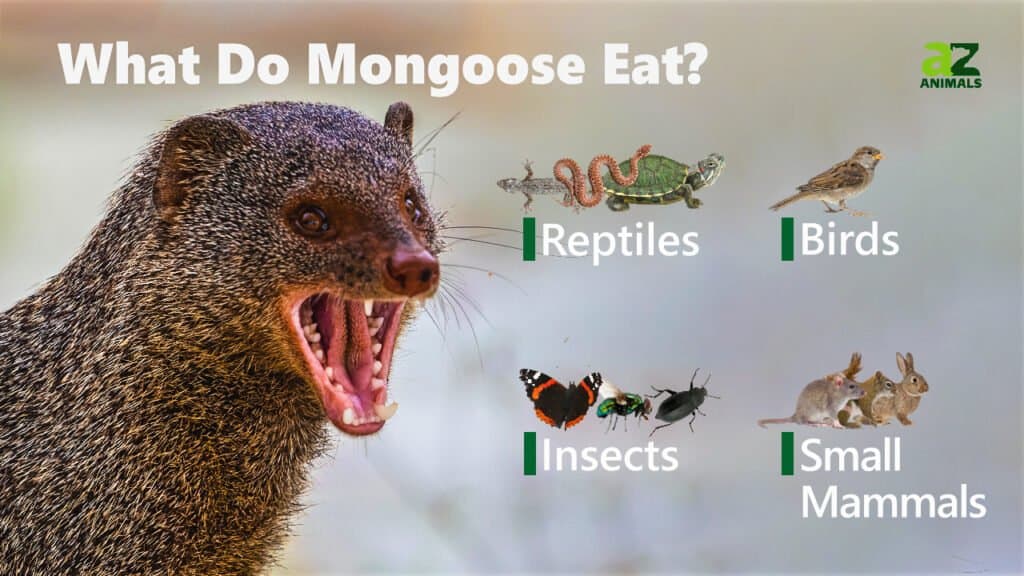
In the high-stakes world of venture capital and business scaling, the mongoose represents the quintessential “disruptor.” Much like this resilient predator, successful startups must possess a specialized diet—a metaphorical intake of resources, talent, and capital—to thrive in a competitive ecosystem. When analyzing the fiscal vitality of a company, we must look at what “sustains” it. Just as the mongoose navigates complex environments to source its nutrition, entrepreneurs must strategically source their financial inputs to maintain a lean, agile operation. This article explores how a business ecosystem operates by dissecting the capital requirements and operational habits of high-growth entities.
The Revenue Diet: Sourcing Sustainable Capital
A business, much like a mongoose, cannot survive on opportunistic feeding alone. It requires a structured intake of capital to sustain its metabolism. In the early stages of a company, “prey” typically consists of seed funding, angel investments, or bootstrapped savings. However, as the entity scales, the caloric density of the required investment changes.
Optimizing Cash Flow for Longevity
The most critical aspect of any business financial diet is the optimization of cash flow. A company that burns through capital without establishing a sustainable recurring revenue stream is akin to a mongoose failing to secure a steady territory. Financial analysts often look for companies that demonstrate “nutritional density”—the ability to generate high margins from relatively lean operational structures. This involves:
- Fixed Cost Management: Maintaining a low burn rate during the early developmental phases.
- Diversification of Income: Much like a mongoose eats a variety of insects, rodents, and fruits to survive environmental shifts, a business must diversify its revenue streams to hedge against market volatility.
- Asset Allocation: Prioritizing the acquisition of intellectual property and high-value talent over superficial luxury expenditures.
The Cost of Opportunistic Feeding
While opportunistic revenue (one-off consulting projects or volatile product spikes) can provide a short-term boost, it is rarely enough to build a generational company. Relying on “easy prey” can lead to a lack of long-term strategic focus. True financial maturity is found in the transition from scavenging for immediate cash to hunting for market share.
The Infrastructure Metabolism: Operational Efficiency
The mongoose is renowned for its speed and reflexes, qualities that are directly translatable to business operations. In a digital economy, “speed” is the equivalent of a high-functioning metabolism. If a company’s operational infrastructure is bloated, it cannot react to market threats—such as new competitors or sudden shifts in consumer demand—with the necessary precision.
Stripping Away Financial Fat
Financial health is often less about how much money comes in and more about how efficiently it is processed. Operational “bloat”—excessive middle management, inefficient software stacks, and redundant marketing funnels—acts as a metabolic anchor. To achieve the agility of a mongoose, management must conduct regular audits of the P&L statement, stripping away expenses that do not directly contribute to the core value proposition.

Agile Resource Allocation
A mongoose’s survival depends on its ability to allocate energy only where it is needed most. Similarly, modern business finance demands the agile movement of capital.
- Iterative Budgeting: Rather than static yearly budgets, forward-thinking organizations use quarterly or monthly cycles to redirect funds toward the highest-performing segments of the business.
- Tech-Enabled Lean Scaling: Utilizing AI tools and automation to reduce the headcount required for back-office functions. This allows for a higher “per-capita” value output, keeping the financial structure light and mobile.
Strategic Predation: Acquisitions and Market Expansion
In the wild, the mongoose often consumes venomous prey, requiring a high level of resilience and specialized defensive capabilities. In the corporate world, this translates to “strategic predation”—the calculated acquisition of smaller competitors or the aggressive encroachment into adjacent markets.
The M&A Strategy
Acquisitions are the business equivalent of consuming a larger caloric package. When a company acquires a competitor, it isn’t just buying market share; it is internalizing the infrastructure, the customer base, and the intellectual capital of the target. However, much like the mongoose must be wary of its prey’s defenses, an acquiring company must be careful of “toxic assets” or cultural incompatibility. A poorly planned acquisition can lead to severe indigestion for the parent company’s balance sheet.
Navigating Market Volatility
The mongoose thrives in harsh terrains where other predators fail. In financial terms, this is the ability to maintain profitability during a bear market. Companies that have built a “resilient diet”—meaning they have low debt-to-equity ratios and healthy cash reserves—are able to hunt when others are starving. During downturns, these companies can pick up assets at a discount, effectively feeding on the market gaps left by less stable competitors.
Future-Proofing the Financial Ecosystem
As the economic landscape evolves, the “nutritional requirements” of a business change. With the rise of decentralized finance, automation, and global remote workforces, the modern business must adapt its digestive system to handle new types of capital and labor input.
Capitalizing on New Revenue Streams
Just as the mongoose evolves to thrive in new territories, a business must look to emerging technologies to diversify its intake. This might involve:
- Fintech Integration: Using modern payment rails to decrease transaction friction and increase the speed of cash inflow.
- Data-Driven Forecasting: Using predictive analytics to anticipate future “food sources”—identifying market trends before they become mainstream.

Building Generational Resilience
The goal of any successful venture is to become a apex player in its sector. This requires more than just short-term profitability; it requires a systemic approach to fiscal management. By viewing financial planning through the lens of a predator’s ecosystem, executives can gain a clearer perspective on what is essential for growth and what is merely a drain on resources.
The lesson of the mongoose is clear: survive, adapt, and remain agile. Whether you are managing personal wealth or scaling a corporate entity, the core principle remains the same. You must be discerning about the resources you consume, hyper-efficient in how you process those resources, and fearless when it comes to capturing the opportunities necessary to fuel your long-term dominance. In a world where the market landscape changes at the speed of a strike, those who can maintain their focus and their agility will always find enough to feast.
aViewFromTheCave is a participant in the Amazon Services LLC Associates Program, an affiliate advertising program designed to provide a means for sites to earn advertising fees by advertising and linking to Amazon.com. Amazon, the Amazon logo, AmazonSupply, and the AmazonSupply logo are trademarks of Amazon.com, Inc. or its affiliates. As an Amazon Associate we earn affiliate commissions from qualifying purchases.