
In the fiercely competitive world of automobiles, a name is far more than just a label; it’s a powerful brand statement, a distilled essence of a product’s identity, and often, a promise to its prospective owners. Few automotive designations encapsulate this truth as profoundly as “GTO.” For enthusiasts and casual observers alike, “GTO” conjures images of speed, performance, and an undeniable racing pedigree, whether it’s the sleek lines of a Ferrari or the raw power of a Pontiac. But what does the car GTO truly stand for? Beyond the literal translation, it represents a masterclass in strategic branding – a designation that has been leveraged, adapted, and mythologized across continents and eras to create enduring automotive legends.
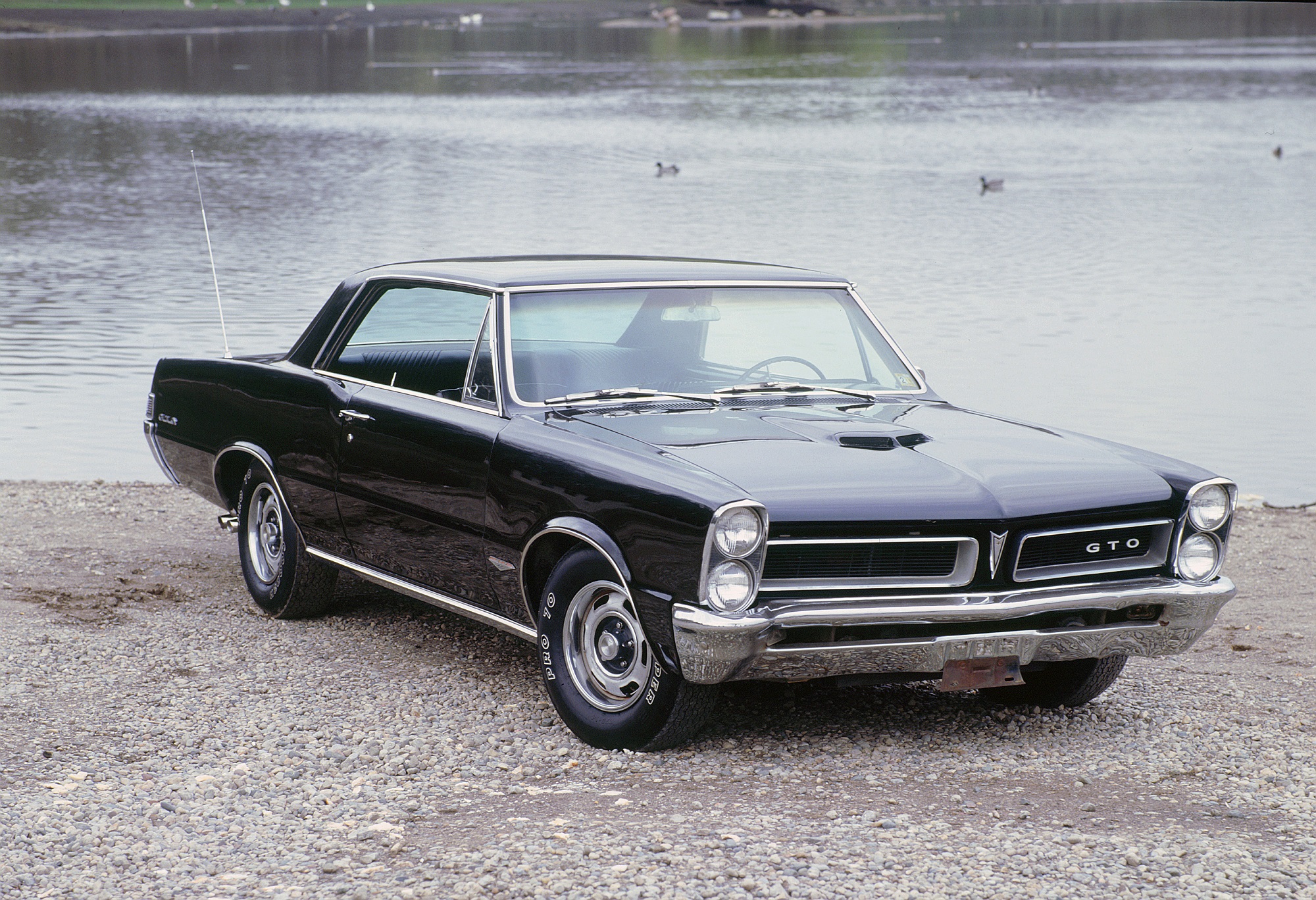
This article explores the branding significance of the GTO designation, dissecting its origins, its transatlantic journey, and its lasting impact on automotive culture. We will examine how a seemingly simple acronym became a cornerstone of corporate identity, a powerful marketing tool, and a symbol that continues to resonate with collectors and dreamers worldwide.
The Genesis of an Icon: Decoding “GTO” and its Strategic Roots
The story of “GTO” as a brand designation begins in Italy, with a lineage steeped in motorsport and an unwavering commitment to performance. Understanding its original context is crucial to appreciating its subsequent branding power.
Gran Turismo Omologato: The Italian Heritage
The full Italian phrase behind the acronym is Gran Turismo Omologato. Breaking this down reveals its profound strategic intent:
-
Gran Turismo (GT): This term, literally “Grand Touring,” signifies a type of car designed for long-distance driving at high speeds, offering a balance of performance, comfort, and luxury. It evokes images of sophisticated European travel, powerful engines, and a certain elegance. The “GT” badge itself is a strong brand indicator, promising an elevated driving experience.
-
Omologato: This is the critical component. It translates to “Homologated” or “Approved for Homologation.” In the context of motorsport, homologation is the process by which a racing vehicle or component is certified by a governing body (like the FIA) to meet specific technical and safety regulations, thereby making it eligible to compete in a particular class or series.
Thus, “Gran Turismo Omologato” is not just a description; it’s a declaration. It immediately communicates that a vehicle is a high-performance, refined touring car that has been specifically engineered and officially sanctioned for competitive racing. This designation inherently ties the product to elite motorsport, implying superior engineering, race-proven capability, and an exclusive pedigree. For luxury performance brands, such as Ferrari, who first famously adopted it for their 250 GTO in the early 1960s, this was a potent brand message. It positioned their car not merely as a fast road car, but as a direct descendant of their racing prowess, validated by the highest authorities in motorsport.
Homologation and Racing Pedigree: Building Brand Credibility
The concept of “homologation” lends immense credibility to a brand. It’s an external validation that the vehicle isn’t just claiming to be high-performance; it is high-performance, proven and approved under rigorous standards. For Ferrari, the 250 GTO was explicitly built to satisfy Group 3 Grand Touring Car regulations. The “Omologato” part of its name underscored its purpose and legitimacy as a racing machine, even as it was sold for road use to justify its production numbers for homologation requirements.
This strategic naming choice immediately elevated the GTO to a status symbol beyond mere luxury. It became synonymous with uncompromising performance, rarity, and a direct link to the thrilling world of international racing. For any consumer, owning a car with “Omologato” in its name meant owning a piece of that racing heritage, a brand promise of exceptional capability and an exclusive club membership.
Pontiac GTO: Adapting a Legendary Brand Designation
Decades after Ferrari cemented the GTO’s status in the annals of racing, a bold move by an American automaker would re-contextualize the name, leveraging its inherent brand power for an entirely different market and purpose.
Transatlantic Inspiration and Controversy
In the mid-1960s, a team at Pontiac, led by engineers John DeLorean, Bill Collins, and Russ Gee, sought to inject a dose of high-performance excitement into their intermediate-sized Tempest LeMans. Their audacious idea was to drop a large, powerful V8 engine into a relatively light car, creating a new segment: the muscle car. For this groundbreaking vehicle, they sought a name that would instantly convey its aggressive, performance-oriented character. They looked across the Atlantic and, with a touch of calculated audacity, adopted “GTO.”
This decision was not without controversy. Many purists and automotive journalists initially criticized Pontiac for “stealing” or “misappropriating” a sacred Ferrari designation. It was seen as an irreverent, almost sacrilegious, move to apply such an exclusive European racing badge to a mass-produced American car. However, this very controversy inadvertently served as an excellent, almost viral, marketing tool. It generated buzz, provoked debate, and ensured that the Pontiac GTO immediately garnered attention, solidifying its rebellious image. Pontiac wasn’t just borrowing a name; it was provocatively challenging the established automotive order.
Forging a New Identity: The “Goat” Legacy
Despite the European origins of its name, the Pontiac GTO quickly forged its own distinct brand identity. It became the quintessential American muscle car, emphasizing raw power, acceleration, and a youthful, rebellious spirit. The car’s marketing leaned heavily into this image, targeting a generation that craved excitement and individuality.
A significant part of its brand identity was the adoption of the nickname “The Goat.” Whether an intentional marketing ploy or an organic fan-driven moniker (often attributed to the letters being rearranged to look like “GOAT”), this nickname perfectly encapsulated the car’s personality: tough, powerful, somewhat rugged, and capable of dominating its peers. “The Goat” gave the GTO an approachable, almost affectionate, identity that resonated deeply with its target demographic, stripping away some of the perceived elitism of its Italian namesake while retaining the implied power. It created a duality: a sophisticated name with an earthy, powerful nickname, both contributing to a multi-layered brand appeal.

Marketing the GTO: Performance and Rebellion
Pontiac’s marketing strategy for the GTO was brilliant in its simplicity and directness. It focused on accessible performance for the masses. Unlike the exclusive Ferrari GTO, which was unattainable for most, the Pontiac GTO offered exhilarating power at a price point that made it a legitimate dream car for many young Americans. Advertisements highlighted quarter-mile times, powerful engine options, and the sheer thrill of driving.
The GTO was marketed not just as a car, but as a lifestyle statement. It was a symbol of freedom, individuality, and a rejection of conformity. This brand positioning resonated powerfully during the cultural shifts of the 1960s and 70s, establishing the Pontiac GTO as a cultural icon and a defining vehicle of its era. The name, originally a badge of racing homologation, was transformed into a brand signal for performance, rebellion, and American ingenuity.
Brand Resonance and Enduring Legacy
The story of the GTO, both Ferrari and Pontiac versions, is a testament to the enduring power of a well-chosen name and effective brand management. It illustrates how a designation can imbue a product with prestige, history, and a distinct personality that transcends its physical attributes.
The Power of a Name: Associating with Prestige and Performance
Regardless of its origin or specific iteration, the GTO designation consistently communicates “performance.” For Ferrari, it speaks of elite racing heritage and unparalleled engineering. For Pontiac, it shouts raw American muscle and accessible power. In both cases, the name carries a heavy weight of expectation and delivers on the promise of an exceptional driving experience. This consistent association across different automotive segments underscores the power of a strong, evocative brand name. It simplifies the brand message, making it instantly recognizable and desirable to a specific audience. The GTO became a shorthand for speed, excitement, and a degree of exclusivity.
Cultural Impact and Brand Mythology
Both Ferrari and Pontiac GTOs transcended their roles as mere vehicles to become integral parts of automotive and popular culture. They featured in movies, songs, and countless enthusiast magazines. The GTO name itself became a touchstone, a shorthand for an era or a type of driving experience. This cultural penetration is the ultimate goal of strong branding – where a product’s name becomes woven into the fabric of society, generating a rich tapestry of stories, nostalgia, and aspirational imagery. The brand mythology built around the GTO fuels its continued desirability and legendary status. It’s not just a car; it’s a legend, an era, a feeling.
Reinvention and Brand Evolution (e.g., Modern GTOs)
The enduring power of the GTO name is evident in its attempts at revival. When Pontiac resurrected the GTO nameplate in 2004, applying it to a rebadged Holden Monaro from Australia, the intention was clear: to tap into the immense brand equity and nostalgia associated with the original. While the modern GTO faced challenges in living up to the lofty expectations set by its predecessors, the very decision to use the name highlights its undeniable value. It demonstrated that even decades later, “GTO” still held significant weight as a brand, a symbol that management hoped would instantly communicate power, performance, and a connection to an iconic past. This attempt, successful or not, underscores the immense challenge and strategic importance of maintaining brand consistency and evolving a legendary nameplate without diluting its core essence.
Strategic Naming in Automotive Branding
The GTO story offers valuable insights into the broader strategy of naming in the automotive industry, particularly the use of alphanumeric designations and acronyms.
The Art of Acronyms and Alphanumeric Designations
The automotive world is replete with alphanumeric names (e.g., BMW M series, Mercedes-AMG, Porsche GT3, Audi RS, Ford ST, Lexus F). These designations are often chosen for several strategic reasons:
-
Conciseness: They are short, memorable, and globally recognizable, bypassing language barriers.
-
Precision: They can convey specific performance levels, trim packages, or engineering philosophies. “GT” or “GTO” inherently signals performance touring.
-
Exclusivity: Adding an “M” or “RS” often denotes a higher-tier, performance-focused model, creating a sense of exclusivity and aspiration.
-
Legacy Building: Over time, these designations build their own brand equity, becoming synonymous with certain characteristics, much like “GTO” did.
The GTO’s dual history demonstrates the careful balance required between a descriptive and an evocative name. “Gran Turismo Omologato” is descriptive of its original purpose, while the “GTO” acronym became powerfully evocative of performance and rebellion.
Global Branding Challenges
The GTO also highlights the complexities of global branding. An Italian term, initially for racing homologation, was successfully adopted and re-interpreted by an American brand for a completely different car, yet it managed to maintain its core brand message of performance and excitement. This success can be attributed to the inherent strength of the “GT” component (universally understood as grand touring) and the “O” (homologation implies high standards), which translate well across diverse automotive cultures. The Pontiac GTO didn’t pretend to be an Italian race car; it simply borrowed the essence of the name’s meaning—an elite, performance-oriented vehicle—and adapted it to its own brand narrative.

Conclusion
What does the car GTO stand for? On a literal level, it stands for “Gran Turismo Omologato” – Grand Touring Homologated. But on a deeper, far more significant level, GTO stands for a masterclass in automotive branding. It represents the strategic intent of a manufacturer to imbue a vehicle with a distinct identity, a powerful promise, and an enduring legacy.
From Ferrari’s exclusive race-bred machines to Pontiac’s accessible American muscle, the GTO designation has consistently communicated uncompromising performance, a connection to motorsport, and a certain rebellious spirit. It’s a testament to how a name, carefully chosen and strategically marketed, can transcend its origins to become a cultural icon, generating immense brand equity that resonates across generations. The GTO reminds us that in the automotive world, as in all branding, the story behind the name is often as powerful as the product itself.
aViewFromTheCave is a participant in the Amazon Services LLC Associates Program, an affiliate advertising program designed to provide a means for sites to earn advertising fees by advertising and linking to Amazon.com. Amazon, the Amazon logo, AmazonSupply, and the AmazonSupply logo are trademarks of Amazon.com, Inc. or its affiliates. As an Amazon Associate we earn affiliate commissions from qualifying purchases.