
While the original question points to a classic work of literature, its essence – understanding deep representation within a complex, often chaotic system – offers a remarkably powerful lens for brand strategy. In the cutthroat, often primal world of modern branding, where companies vie for attention and loyalty like characters on a deserted island, we can draw profound parallels. Here, “Simon” isn’t merely a literary character but an archetype, and “Lord of the Flies” transforms into a compelling metaphor for the challenging, unpredictable market landscape. This exploration will delve into what the spirit of Simon represents for brands navigating the wild, untamed territories of contemporary commerce, illuminating lessons in authenticity, insight, and enduring value.
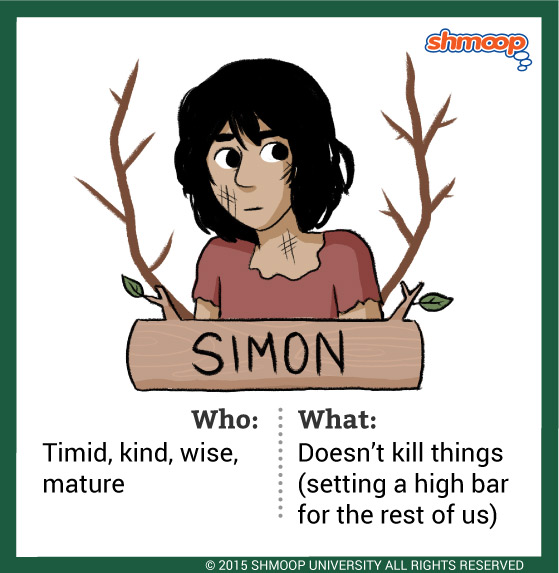
Simon as the Brand’s Intuitive Insight and Truth-Teller
In Golding’s novel, Simon is the quiet observer, the one who possesses an innate understanding of the true nature of their predicament and the “beast.” He sees beyond the superficial fears and societal constructs, grasping the internal evil residing within the boys themselves. For a brand, Simon embodies the crucial, often overlooked, role of intuitive insight and truth-telling.
Unearthing Core Consumer Truths
Just as Simon delves into the jungle to find the truth about the beast, a “Simon-esque” brand possesses the uncanny ability to unearth core consumer truths. This isn’t about mere market research or trend-spotting; it’s about a deeper, almost empathetic understanding of what truly motivates, fears, and aspires to the target audience. Brands that embody Simon’s insight go beyond demographics and psychographics to identify the unspoken desires and unresolved pain points that others miss. They question surface-level assumptions and look for the underlying human needs that their product or service can genuinely address. This deep, intuitive insight allows for the creation of truly resonant marketing messages and product innovations that speak directly to the soul of the consumer, establishing a connection far stronger than any fleeting trend.
Foresight in Market Chaos
The market today is a cacophony of competing voices, fads, and shifting loyalties – a genuine “Lord of the Flies” scenario. Most brands are caught in the noise, reacting to every new technology or social media platform. Simon, however, represents the brand with foresight. It’s the ability to see through the hype and predict foundational shifts in consumer behavior, technological adoption, or societal values before they become mainstream. This isn’t about crystal-ball gazing, but rather a cultivated sensitivity to subtle indicators and an intellectual honesty to confront uncomfortable truths. A brand with Simon’s foresight can strategically position itself for future relevance, investing in R&D, brand narratives, and talent that will pay dividends years down the line, rather than scrambling to catch up. They anticipate the “beast” of market disruption and prepare for it, rather than being devoured by it.
The Vulnerability and Vision of the Authentic Brand
Simon’s character is marked by his quiet nature and his profound visions, often misinterpreted or dismissed by the more boisterous and pragmatic boys. He is vulnerable due to his solitary insight, yet his vision is ultimately proven correct. This dichotomy provides a powerful metaphor for the authentic brand in a competitive landscape.
Authenticity Amidst Artifice
In a world saturated with carefully curated images and manufactured stories, authenticity has become the holy grail of branding. Simon represents the brand that dares to be genuinely authentic, even if it means being vulnerable. This authenticity stems from a clear understanding of its core values and mission, refusing to chase every market segment or adopt every superficial trend. Such brands are often transparent about their processes, their challenges, and even their imperfections, fostering a deeper trust with their audience. They understand that true connection comes from being real, not from presenting an unattainable ideal. This vulnerability paradoxically makes them stronger, as consumers increasingly seek brands that reflect genuine human values rather than corporate artifice.
Misunderstood and Undervalued Contributions
Simon’s insights were tragically misunderstood by the other boys, leading to his demise. Similarly, pioneering brands with genuinely innovative visions often face initial skepticism, misunderstanding, or even outright rejection from the market. Their ideas might be too ahead of their time, their approach too unconventional, or their message too subtle for a world accustomed to overt declarations. These “Simon-esque” brands might not achieve immediate mass adoption but plant seeds for future growth by targeting early adopters who resonate with their unique perspective. Their contribution might be undervalued in the short term, but if their vision is truly profound, it will eventually gain recognition, fundamentally shifting industry paradigms or consumer expectations. This requires immense courage and conviction, much like Simon walking alone into the heart of the island.
Simon’s Solitude: The Power of Niche and Differentiation

Simon is often depicted alone, wandering the jungle or meditating in his secret spot. This solitude is not a weakness but a source of his unique perspective and strength. For brands, this represents the immense power of carving out a distinct niche and achieving genuine differentiation.
Crafting a Unique Brand Position
In the crowded marketplace (the metaphorical island), many brands cluster together, fighting over the same resources and target audiences. Simon’s solitude teaches us the value of strategic separation. A brand that embodies Simon’s spirit understands that trying to be everything to everyone leads to being nothing to anyone. Instead, it meticulously crafts a unique brand position, serving a specific, often underserved, niche with unparalleled dedication. This differentiation isn’t just about a unique product feature; it’s about a distinct brand voice, a particular set of values, a specialized customer experience, or a focused problem-solving approach. By defining its own space, a brand avoids direct competition and builds a loyal community around its unique identity, much like Simon finding his own untouched corner of the island.
The Strength of Standing Apart
While the other boys seek the safety of the group, Simon’s strength comes from his ability to think and exist independently. For a brand, this translates to the courage to stand apart from industry norms and conventional wisdom. This might involve challenging established business models, adopting unconventional marketing tactics, or advocating for controversial but important causes. Brands that aren’t afraid to be different, to eschew popular trends for what they genuinely believe in, often forge stronger emotional connections with consumers who share their nonconformist spirit. This distinctiveness becomes a powerful part of their brand identity, making them memorable and resilient in the face of fleeting market trends. It’s about being a category of one, rather than just another player in a crowded field.
The Tragic Misunderstanding: Brands Ahead of Their Time
Simon’s ultimate fate—his brutal death at the hands of the fearful, misguided boys—serves as a poignant warning. It underscores the danger of offering profound truth to those unprepared or unwilling to receive it. For brands, this represents the tragic potential for innovative concepts to be misunderstood or rejected, not because they are flawed, but because the market isn’t ready.
The Challenge of Market Readiness
A brand might possess a revolutionary product, a groundbreaking service, or a visionary message, akin to Simon’s discovery of the true “beast.” However, if the target market lacks the awareness, education, or cultural readiness to comprehend or embrace it, the brand risks being tragically misunderstood. Marketing isn’t just about communicating a message; it’s about preparing the audience to receive it. Brands that are too far ahead of their time must invest heavily in market education, evangelism, and sometimes, simply patience. They might need to cultivate a segment of early adopters who can help bridge the gap, or they might face the difficult reality of a brilliant idea failing because the world wasn’t ready to listen.
The Peril of Obscurity and Rejection
Simon’s attempt to share his truth was met with fear-driven violence and rejection. For a brand, this manifests as obscurity, disinterest, or even outright hostility from a market that views innovation as a threat to the status quo. A brand with a radical vision risks being dismissed as irrelevant, strange, or even dangerous if its message is too complex or challenging for the prevailing mindset. This can lead to low adoption rates, negative publicity, or financial struggles. The lesson is not to abandon foresight but to master the art of contextualizing and communicating that vision in a way that incrementally shifts perceptions, rather than overwhelming them. Sometimes, the truth needs to be delivered in digestible fragments, allowing the audience to gradually assimilate it, rather than presenting the whole, raw truth at once.
The Legacy of Simon: Enduring Values in Brand Identity
Despite his tragic end, Simon’s character leaves an indelible mark on the narrative, representing a moral and spiritual compass. His values – insight, truth, authenticity – endure beyond his physical presence. This translates directly to the lasting impact and enduring values that define a truly powerful brand identity.
Building a Brand Beyond Products and Profits
Simon’s essence transcends his physical existence, leaving a legacy of insight and purity. Similarly, the most successful brands build an identity that goes far beyond their products, services, or quarterly profits. They cultivate a deeper purpose, a set of core values that resonate with their audience on an emotional or even spiritual level. These values – be it sustainability, community, innovation, transparency, or empowerment – become the bedrock of their brand identity, making them resilient to market fluctuations and consumer fickleness. A brand with Simon’s legacy understands that true loyalty is built on shared beliefs and a sense of belonging, not just transactional benefits.

The Timelessness of True Representation
The questions Simon poses and the truths he uncovers are timeless. For brands, this speaks to the timelessness of true representation. A brand that genuinely represents an enduring human need, a universal value, or a foundational solution will maintain its relevance across generations and changing trends. This isn’t about being static, but about evolving while remaining true to a consistent, fundamental brand promise. Simon’s representation in Lord of the Flies is about the inherent goodness and wisdom within humanity, however suppressed. For a brand, it means articulating a vision or offering a value that taps into something profoundly human and therefore, universally understood and desired. This kind of representation creates a lasting legacy, ensuring the brand’s influence persists long after its immediate market competitors have faded into obscurity, continually reminding us of the deeper truths that guide both life and successful brand building.
aViewFromTheCave is a participant in the Amazon Services LLC Associates Program, an affiliate advertising program designed to provide a means for sites to earn advertising fees by advertising and linking to Amazon.com. Amazon, the Amazon logo, AmazonSupply, and the AmazonSupply logo are trademarks of Amazon.com, Inc. or its affiliates. As an Amazon Associate we earn affiliate commissions from qualifying purchases.