
In the hyper-competitive landscape of modern brand strategy, the definition of a brand’s personality—and how it is perceived by the public—is paramount. One term that often arises in marketing meetings, creative briefs, and public relations analysis is “racy.” While the dictionary definition might lean toward the provocative or sexually suggestive, in the context of professional branding, “racy” carries a far more nuanced, strategic weight. It refers to a specific approach to content and positioning that pushes against conventional boundaries to capture attention, cultivate an “edgy” persona, and differentiate a brand from its more timid competitors.
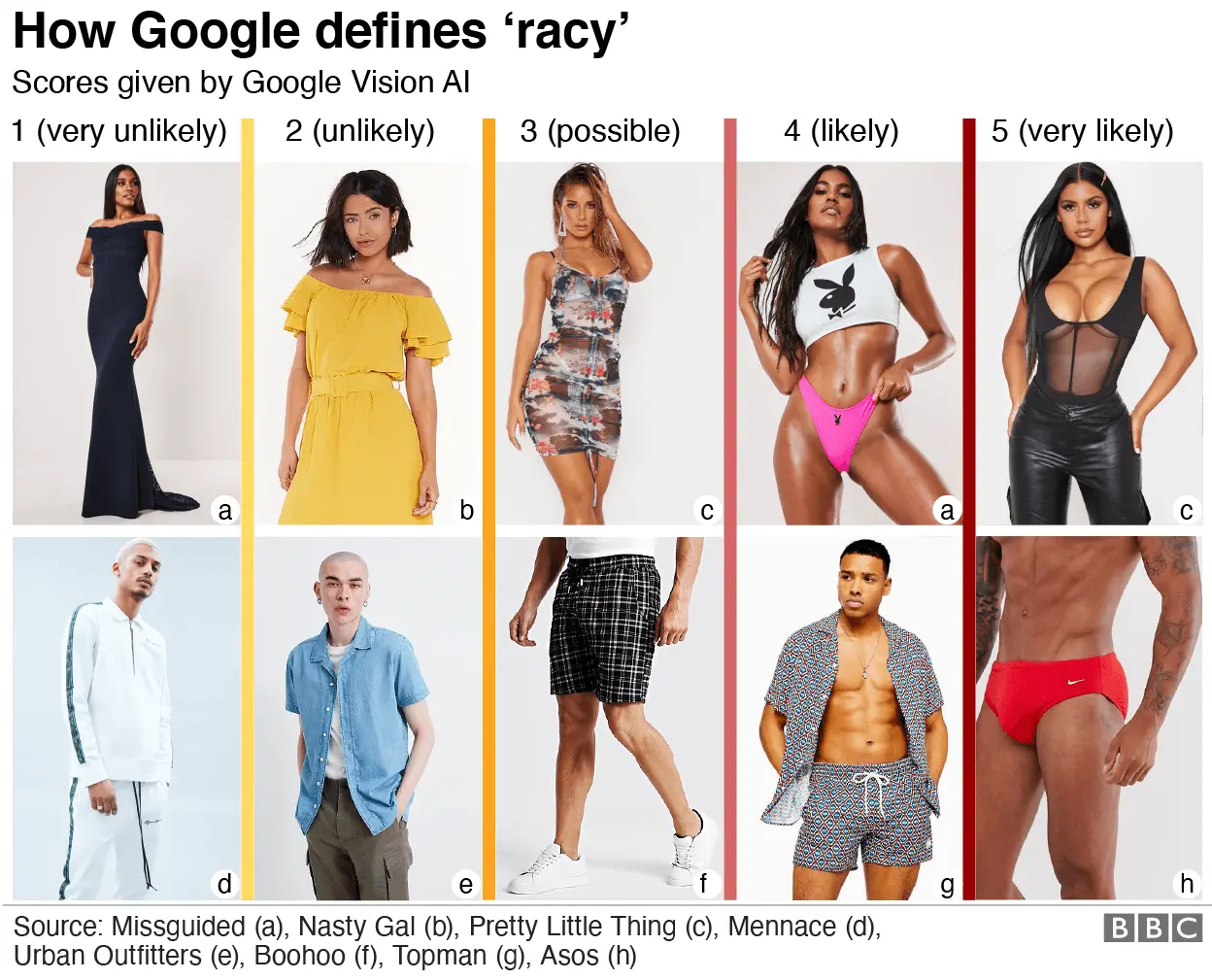
The Strategic Role of a Racy Brand Identity
A brand that positions itself as “racy” is intentionally stepping away from the “safe” middle ground. In an attention economy where consumers are bombarded by thousands of advertisements daily, conformity is often the death knell for market share. A racy brand strategy seeks to disrupt the status quo by introducing a sense of boldness, risk, or mild irreverence into the customer experience.
Capturing Attention Through Bold Positioning
The primary objective of a racy aesthetic or voice is to cut through the noise. By flirting with societal boundaries, a brand signals to its audience that it is not afraid to challenge norms. This approach is not merely about shock value; it is about establishing a high-energy, memorable identity that sticks in the consumer’s mind. When a company adopts a racy tone, it is essentially declaring that it prioritizes excitement and modern relevance over traditional, conservative messaging.
Building an Edgy Persona
Every brand has a “personality,” and for many companies targeting Gen Z or Millennial demographics, that personality is often defined by a touch of “raceyness.” This might manifest through provocative copywriting, high-contrast visual design, or influencer partnerships that prioritize raw authenticity over polished perfection. By leaning into this identity, brands can build a more visceral connection with an audience that values non-conformity. The goal is to move the brand from a passive service provider to an active participant in cultural conversations.
The Boundaries and Risks of Provocative Marketing
While “racy” can be a powerful lever for brand growth, it is also one of the most dangerous, as it exists on a razor-thin margin between edgy and offensive. In professional brand strategy, understanding where the line is drawn is the difference between a viral success and a PR disaster.
The Dangers of Misalignment
A brand’s decision to embrace a racy tone must be backed by data and a deep understanding of its core demographic. A financial services firm attempting to use racy marketing may be perceived as untrustworthy or unprofessional, whereas a lifestyle clothing brand or a luxury nightlife entity might find that same tone perfectly aligned with their target market’s expectations. If the tone is misaligned with the brand’s mission or its audience’s core values, it can lead to immediate alienation. Consistency is key; a brand cannot oscillate between being hyper-conservative and racy without confusing its identity and losing consumer trust.
Navigating Brand Safety and Public Perception
In the digital age, “cancel culture” and corporate accountability are realities that brand strategists cannot ignore. A racy campaign that is misinterpreted can result in significant brand equity loss. Strategic teams must conduct rigorous sentiment analysis before launching any content that edges toward the provocative. This includes vetting the messaging through diverse focus groups to ensure that the “raceyness” does not veer into exclusionary, discriminatory, or genuinely harmful territory. True branding success, even when being bold, relies on the ability to challenge norms without alienating the very people the brand exists to serve.
Operationalizing “Raceyness” in Design and Copywriting
Translating the concept of “racy” into tangible deliverables requires a disciplined approach to design language and editorial voice. It is not about being “dirty” or inappropriate; it is about being evocative, sharp, and high-octane.
Visual Design and Aesthetic Choices
Visually, a racy brand identity often employs high-contrast color palettes, bold typography, and lifestyle imagery that implies movement, intensity, or exclusivity. Designers often use “glitch” effects, grainy textures, or asymmetrical layouts to convey a sense of kinetic energy. The aesthetic is curated to feel like it is moving faster than the average brand. By using photography that captures candid, high-energy moments rather than posed corporate headshots, the brand creates a visual narrative that feels “in the moment” and untamed.
Copywriting That Cuts
Copywriting for a racy brand strategy requires precision. It involves using shorter, punchier sentences that carry a sense of urgency. The tone should be conversational, perhaps a bit teasing or playfully defiant. The art lies in the subtext; a racy copywriter knows how to imply a bold statement without having to say it explicitly. This creates an intellectual engagement with the consumer—they are invited to be “in on the joke” or to share in the “secret” energy of the brand. This type of communication fosters a “tribe” mentality, where the audience feels that they are part of a select group that “gets” the brand’s specific brand of humor or attitude.
Measuring the ROI of Edgy Branding
Like any other marketing investment, the “racy” approach must be measurable. Brands that push boundaries are not doing so just for the sake of being “cool”—they are doing so to increase conversion rates, engagement metrics, and long-term customer lifetime value.
Engagement Metrics vs. Conversion Rates
A racy strategy often succeeds at generating high engagement on social platforms. Provocative content naturally invites comments, shares, and debates. However, brand strategists must distinguish between vanity metrics and actual business impact. Is the “racy” content driving traffic to the conversion funnel, or is it merely being viewed? A successful campaign of this nature will see a spike in brand sentiment and search volume, followed by a measurable lift in customer acquisition cost (CAC) efficiency, as the brand’s unique identity lowers the barrier to entry for the target customer.
Long-Term Brand Loyalty
The ultimate goal of using a racy brand strategy is to create deep-seated loyalty. When a brand successfully navigates the “edgy” space, it becomes more than just a provider of goods; it becomes a cultural identifier for its users. People become loyal to the brand because they feel the brand represents their own bold, non-conformist worldview. This emotional connection is the highest form of brand equity. It transforms a one-time purchaser into a brand advocate who will defend the company during controversies and promote it to their peers.

Final Thoughts on Strategic Evolution
Ultimately, “racy” in the context of business is a tool of differentiation. It is a calculated decision to step away from the beige, safe, and generic. Whether a brand decides to adopt this persona should depend entirely on its market position, the competitive landscape, and its ability to maintain that identity authentically over the long term. When done correctly, being “racy” isn’t about being inappropriate; it’s about being bold enough to stand out in a world that is constantly trying to make everyone conform. In the hands of a skilled strategist, it is a sophisticated, high-impact method of achieving enduring market relevance.
aViewFromTheCave is a participant in the Amazon Services LLC Associates Program, an affiliate advertising program designed to provide a means for sites to earn advertising fees by advertising and linking to Amazon.com. Amazon, the Amazon logo, AmazonSupply, and the AmazonSupply logo are trademarks of Amazon.com, Inc. or its affiliates. As an Amazon Associate we earn affiliate commissions from qualifying purchases.