
The term “YEG” might appear, at first glance, to be a cryptic acronym, an obscure technical term, or perhaps a niche online community’s shorthand. Yet, for millions, it resonates with a tangible sense of place, identity, and community. Far more than a mere three-letter designation, “YEG” has transcended its original purpose to become a vibrant, unofficial brand for Edmonton, Alberta, Canada. It embodies the city’s spirit, its people, and its evolving narrative, serving as a powerful example of how an arbitrary code can organically transform into a potent symbol of place branding.
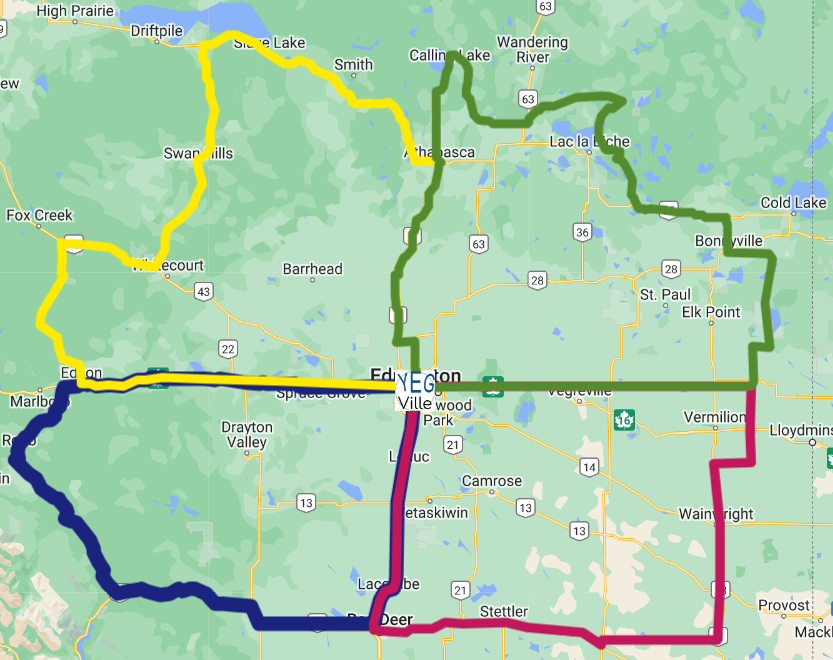
This article delves into the fascinating journey of “YEG,” exploring its origins, its profound impact on Edmonton’s branding strategy, its role in shaping the local economy and social fabric, and its broader implications for understanding urban identity in the digital age. We will uncover how this simple acronym fosters community, pride, and a distinct character that sets Edmonton apart, illustrating the often-unforeseen ways in which brands are born and nurtured.
From Airport Code to Urban Acronym: The Genesis of YEG
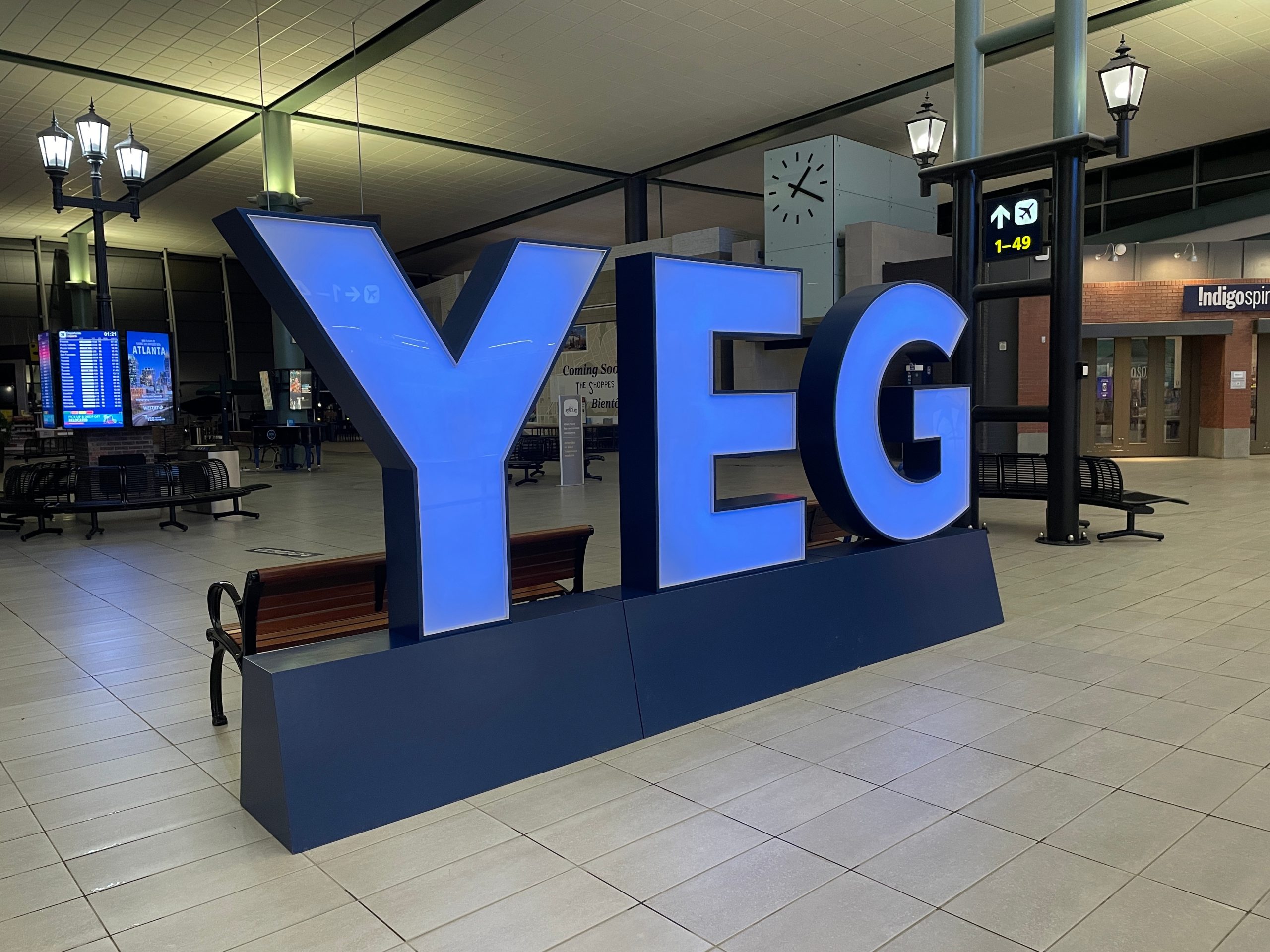
The story of “YEG” begins not in a marketing boardroom, but on an airport runway. Its roots are purely functional, born out of a global system designed for operational efficiency. However, through organic adoption and a unique cultural phenomenon, it has blossomed into something far greater, evolving into a widely recognized and cherished identifier for an entire metropolitan area.
The IATA Code as a Catalyst
Every major airport in the world is assigned a unique three-letter code by the International Air Transport Association (IATA). These codes, such as LAX for Los Angeles or LHR for London Heathrow, serve a critical logistical function, simplifying baggage handling, flight scheduling, and air traffic control. Edmonton International Airport (EIA) was assigned “YEG.” The “Y” prefix in Canadian airport codes generally signifies a major airport, a legacy of early radio telegraphy identifiers. While originally intended for aviation professionals, these codes possess an inherent brevity and memorability that makes them ripe for broader cultural adoption. “YEG” is short, distinct, and easy to recall, making it a natural candidate for colloquial use, even if its initial purpose was purely utilitarian.
Organic Adoption by Community
What started as an airport code for Edmonton gradually seeped into the local lexicon. This wasn’t the result of a deliberate municipal branding campaign or a top-down marketing initiative; rather, it was a grassroots phenomenon. Younger generations, particularly those active on early internet forums and later social media platforms, found “YEG” to be a convenient and snappy shorthand. It was quicker to type than “Edmonton,” and it carried an implicit sense of belonging among those who understood its meaning. It began appearing in usernames, forum signatures, and local event listings. As digital communication became more pervasive, “YEG” solidified its position as the go-to informal identifier for the city, particularly in digital spaces. This organic adoption speaks volumes about the power of community-driven branding, where authenticity and utility drive widespread acceptance.
Distinguishing ‘YEG’ from ‘Edmonton’
While “YEG” refers to Edmonton, the two terms are not always interchangeable in meaning or connotation. “Edmonton” is the formal, geographical, and governmental name of the city. It carries the weight of officialdom, history, and established institutions. “YEG,” on the other hand, often implies a more intimate, contemporary, and community-centric perspective. To say “I’m from Edmonton” is factual; to say “I’m a YEGger” or “This is a YEG event” conveys a sense of local pride, shared identity, and participation in the city’s modern culture. “YEG” has become an emblem of localism, entrepreneurship, and the vibrant, often underestimated, spirit of Alberta’s capital. It suggests an active engagement with the city’s current pulse, distinguishing itself from the more traditional or formal associations of the name “Edmonton” itself.
YEG as a Brand: Crafting a City’s Identity
The transformation of “YEG” from an airport code into a potent urban brand is a fascinating case study in place branding. It demonstrates how an informal designation can effectively encapsulate and communicate a city’s values, culture, and aspirations, both to its residents and to the outside world.
The Power of Short-Hand Branding
In an age of information overload and dwindling attention spans, brevity is a significant asset in branding. “YEG” exemplifies this perfectly. Its three letters are instantly recognizable, easy to remember, and highly adaptable across various media, from hashtags and social media handles to merchandise and local business names. This conciseness makes “YEG” an incredibly efficient communication tool, allowing locals to quickly identify with and promote their city. This inherent simplicity helps cut through clutter, providing a clear and memorable touchpoint for anyone engaging with Edmonton’s community or culture. The ease with which “YEG” can be incorporated into digital conversations and marketing materials has been instrumental in its success as a brand.
Reflecting Local Values and Culture
Beyond mere brevity, “YEG” has come to embody a distinct set of values and cultural attributes often associated with Edmonton. The city is known for its resilience, a necessity given its northern climate, and “YEG” has become synonymous with this tenacious spirit. It represents a community that thrives despite challenges, demonstrating a strong sense of innovation, particularly in technology and arts. The term “YEG” often evokes images of community-driven initiatives, a burgeoning arts and festival scene, and a welcoming, inclusive atmosphere that characterizes Edmonton’s diverse population. It speaks to a city that builds, creates, and connects, often against the odds, fostering a deep-seated pride among its inhabitants. “YEG” isn’t just a location; it’s a descriptor of a unique way of life and a collective mindset.
Marketing Edmonton Through ‘YEG’
While “YEG” began organically, its marketing potential has not gone unnoticed. Local businesses, sports teams, cultural festivals, and tourism initiatives have increasingly adopted “YEG” into their branding strategies. From “YEG Coffee” and “YEG Arts” to “Explore YEG” campaigns, the acronym serves as an immediate identifier that taps into local pride and community solidarity. It signals authenticity and local connection, instantly resonating with residents and providing an accessible entry point for visitors seeking an authentic Edmonton experience. This strategic incorporation of “YEG” into formal and informal marketing efforts has amplified its reach and solidified its role as a key component of Edmonton’s contemporary identity. It’s a testament to the power of a brand built from the ground up, then embraced by commercial and civic entities.

Challenges and Opportunities in Place Branding
The rise of “YEG” as a brand also highlights the inherent challenges and opportunities in place branding. For locals, “YEG” is clear and compelling; for outsiders unfamiliar with Edmonton’s airport code, it might initially be obscure. The opportunity lies in leveraging this unique, authentic identity to tell a compelling story about Edmonton, drawing in new residents, businesses, and tourists who are attracted to its distinct character. The challenge is in ensuring that “YEG” effectively communicates the desired message without alienating those who require more explicit geographical context. Balancing internal community resonance with external clarity is crucial. Ultimately, “YEG” presents a powerful lesson in brand building: authenticity and community engagement can create an identifier far more impactful than a solely committee-designed logo or slogan.
The Economic and Social Fabric of YEG
The widespread adoption and embrace of “YEG” have tangible effects beyond mere branding. It plays a significant role in shaping the city’s economic landscape and strengthening its social bonds, fostering a sense of collective ownership and shared destiny among its residents.
Nurturing a Local Economy
The “YEG” brand has become a catalyst for supporting local businesses and entrepreneurship. The concept of “Buy Local YEG” is not just a slogan; it’s a movement that encourages residents to invest in their community’s economy. Businesses proudly incorporate “YEG” into their names, branding, and marketing, signaling their commitment to the local scene and building trust with a consumer base eager to support homegrown ventures. This fosters a circular economy where money spent within the community stays within the community, supporting local jobs and generating wealth locally. From independent coffee shops to tech startups, the “YEG” identifier helps create a cohesive and supportive ecosystem for local enterprise, distinguishing local businesses from national or international chains.
Fostering Community and Connection
Social cohesion is profoundly impacted by shared symbols, and “YEG” has proven to be a powerful unifier. It serves as a common language and a flag under which community initiatives, volunteer efforts, and cultural events are organized and promoted. Hashtags like #YEGCommunity, #YEGEvents, and #YEGPride proliferate across social media, connecting individuals and groups with shared interests. This fosters a robust network of community engagement, making it easier for residents to discover local activities, volunteer opportunities, and support systems. “YEG” enables a sense of collective identity that transcends diverse backgrounds, creating a shared experience and bolstering the overall social fabric of the city. It transforms disparate individuals into active members of a larger “YEG” family.
Talent Attraction and Retention
For any modern city, attracting and retaining skilled talent is paramount for economic growth and innovation. A strong, identifiable brand like “YEG” plays a crucial role in this. When prospective residents or recent graduates see a vibrant “YEG” culture, a supportive business environment, and a strong sense of community, it makes the city a more attractive place to live, work, and build a career. The “YEG” identity communicates more than just job opportunities; it conveys a lifestyle, a community spirit, and a sense of belonging. This helps in both drawing new talent from elsewhere and, critically, in retaining graduates from local universities and colleges who feel a connection to their “YEG” home and see opportunities to thrive within it.
Beyond the Acronym: The Future of YEG Identity
The journey of “YEG” is a dynamic one, reflecting the ongoing evolution of Edmonton itself. As the city continues to grow, innovate, and diversify, so too will the meaning and resonance of its beloved acronym.
Evolving Meanings and Interpretations
As Edmonton changes, so will the stories and connotations associated with “YEG.” What might have once primarily signified a northern city known for oil and gas is now increasingly representing a hub of AI, arts, and cultural diversity. “YEG” is adaptable, capable of absorbing new narratives and reflecting the city’s progressive trajectory. Its meaning will continue to be shaped by the experiences of its residents, the city’s economic shifts, its cultural movements, and its response to global challenges. This inherent flexibility ensures that “YEG” remains a relevant and living brand, capable of encapsulating future innovations and community achievements without being constrained by past definitions.
Digital Presence and Global Reach
In the digital age, a strong online presence is indispensable for any urban center. “YEG” thrives in this environment. It acts as a succinct digital handle, easily searchable and hashtagged, allowing Edmonton to project its identity globally. Through social media, “YEG” becomes a digital gateway, offering a window into the city’s daily life, major events, and unique character to a worldwide audience. This digital ubiquity allows Edmonton to punch above its weight in terms of global recognition, attracting tourists, investors, and new residents who first encounter the city through its dynamic online presence marked by “YEG.” The ease of sharing and discovering content associated with “YEG” is a significant asset in today’s interconnected world.
Lessons for Other Cities
The phenomenon of “YEG” offers valuable lessons for urban centers worldwide looking to cultivate a strong, authentic brand. It underscores that the most powerful place brands are often not meticulously engineered in isolation but emerge organically from the community itself. Authenticity, brevity, and the ability to foster genuine local pride are key. Rather than forcing a new slogan or logo, cities might explore existing identifiers, even those as seemingly mundane as airport codes, and observe how their residents already connect with their place. The success of “YEG” lies in its grassroots acceptance and its deep integration into the city’s cultural lexicon, demonstrating that true branding power comes from within the community it represents.
Conclusion
“What is a YEG?” is far more than a simple query about an acronym; it’s an invitation to explore the multifaceted identity of Edmonton. From its humble origins as an IATA airport code, “YEG” has organically evolved into a powerful, unofficial brand for the city, encapsulating its spirit, fostering community, and driving local pride. It stands as a testament to how an unassuming three-letter designation can transcend its initial purpose to become a vibrant symbol of place branding, deeply embedded in the economic and social fabric of an urban center. In a world increasingly homogenized, “YEG” offers a compelling case study of authentic urban identity, proving that the most resonant brands are often those born from the collective voice and shared experiences of a community. It is, unequivocally, Edmonton’s modern urban signature.
aViewFromTheCave is a participant in the Amazon Services LLC Associates Program, an affiliate advertising program designed to provide a means for sites to earn advertising fees by advertising and linking to Amazon.com. Amazon, the Amazon logo, AmazonSupply, and the AmazonSupply logo are trademarks of Amazon.com, Inc. or its affiliates. As an Amazon Associate we earn affiliate commissions from qualifying purchases.