
Total Parenteral Nutrition (TPN) represents a critical life-sustaining therapy for individuals unable to meet their nutritional needs through conventional oral or enteral routes. At its core, TPN involves the intravenous administration of a specialized solution containing all the essential nutrients—carbohydrates, proteins, fats, vitamins, minerals, and electrolytes—required for growth, energy, and cellular function. While the medical definition focuses on its therapeutic purpose, understanding TPN in today’s healthcare landscape inherently requires a deep dive into the sophisticated technological infrastructure that enables its safe, precise, and effective delivery.
In an era increasingly defined by digital transformation and advanced medical devices, TPN therapy has evolved far beyond simple IV drips. It stands as a testament to how technology, ranging from automated compounding systems and smart infusion pumps to sophisticated data management and artificial intelligence, underpins complex medical interventions. This article will explore TPN not just as a medical concept but as a nexus of technological innovation, examining how digital tools and advanced machinery ensure patient safety, optimize nutritional outcomes, and pave the way for future advancements in personalized medicine. By focusing on the technological dimension, we gain a comprehensive understanding of how TPN is formulated, delivered, monitored, and ultimately revolutionizes care for countless patients worldwide.
The Technological Core of TPN: From Formulation to Delivery
The precision required in TPN therapy is immense, as the solutions are tailor-made for each patient based on their unique metabolic needs, weight, age, and clinical condition. This level of customization and accuracy would be nearly impossible without advanced technology, which streamlines everything from the initial prescription to the final drip.
Precision Compounding and Automation
The heart of TPN preparation lies in its compounding—the meticulous mixing of various components into a sterile, individualized solution. Historically, this was a manual, labor-intensive process, prone to human error and potential contamination. Modern healthcare facilities, however, rely heavily on automated compounding devices (ACDs). These sophisticated machines leverage robotic arms and advanced fluid dynamics to precisely measure and mix ingredients according to an electronic prescription.
ACDs ensure unparalleled accuracy by minimizing human intervention, reducing the risk of calculation errors, and maintaining sterile conditions throughout the compounding process. Pharmacists input patient-specific formulas into specialized software, which then interfaces directly with the ACD. This software often includes built-in safety checks, flagging potential ingredient incompatibilities or dose limits before compounding even begins. The result is a highly accurate, sterile, and patient-specific TPN bag, ready for administration, significantly enhancing patient safety and reducing waste. Furthermore, these systems often integrate with inventory management software, optimizing stock levels for individual components and ensuring timely replenishment.
Smart Infusion Pumps and Advanced Delivery Systems
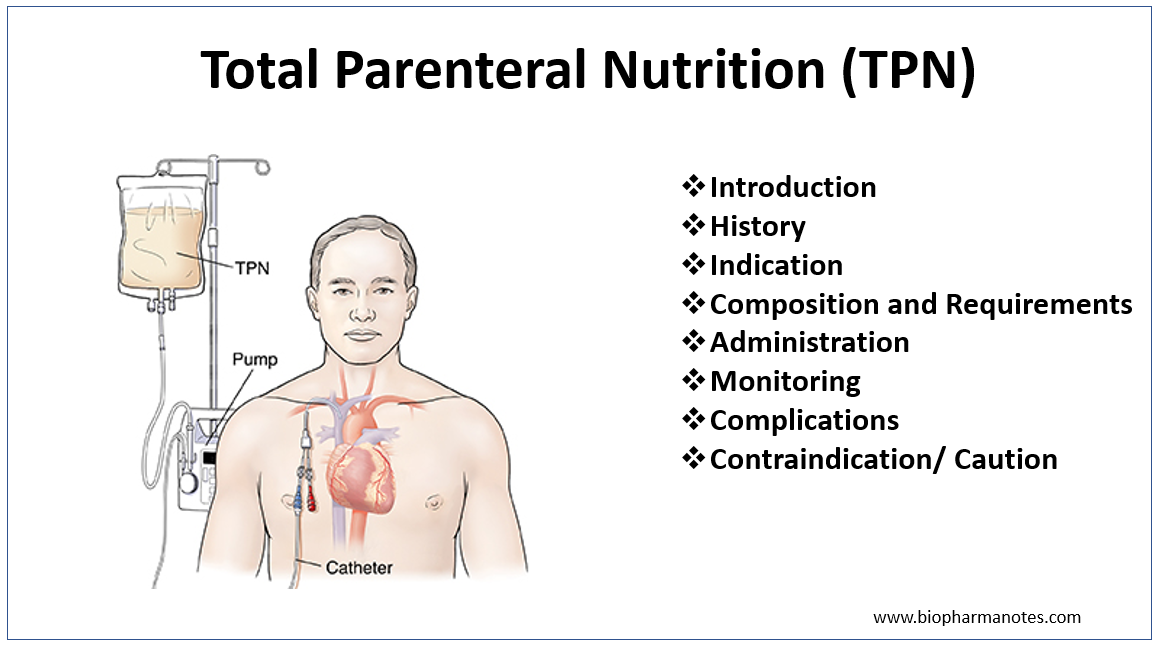
Once compounded, the TPN solution must be delivered to the patient intravenously, often over extended periods (12-24 hours). The device responsible for this critical step is the smart infusion pump. These are not your average IV pumps; they are sophisticated medical devices equipped with microprocessors, extensive drug libraries, and wireless connectivity.
Smart pumps are programmed with specific infusion rates and volumes, ensuring the precise delivery of nutrients. Their “smart” capabilities come from integrated drug libraries that contain pre-programmed safety limits for various medications, including TPN components. If a clinician attempts to program a rate or dose outside of these pre-defined limits, the pump will issue an alert, preventing potential medication errors such such as too rapid or too slow infusion, which can have severe metabolic consequences. Many modern smart pumps also feature closed-loop feedback systems that can adjust infusion rates in response to real-time patient data, though this is more common in insulin pumps than traditional TPN.
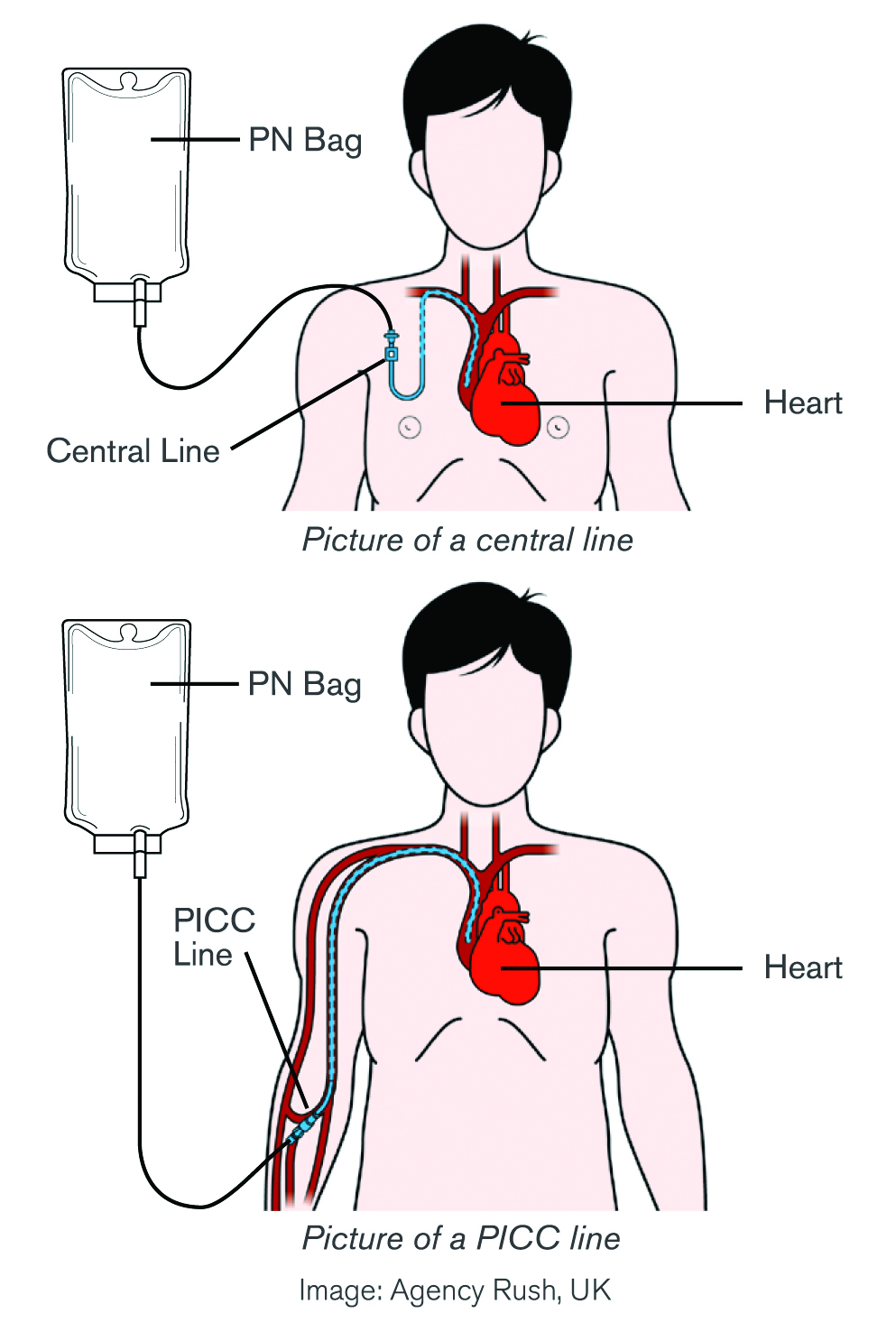
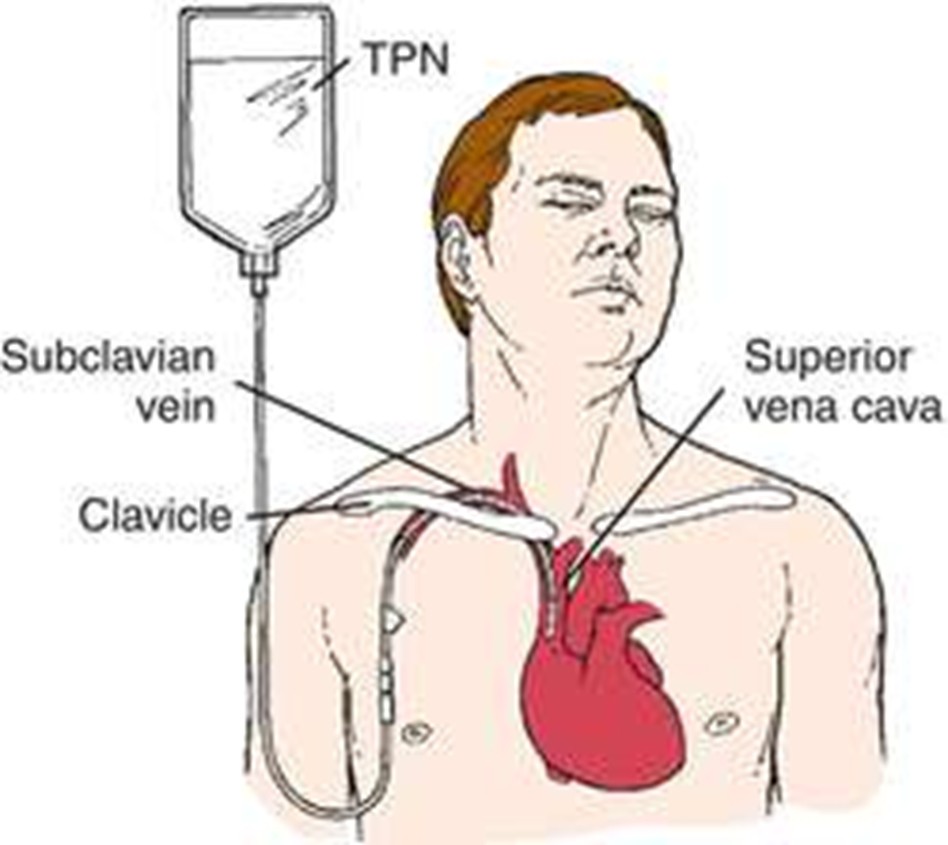
Beyond the pumps themselves, the broader delivery systems have seen technological advancements. Specialized catheters, such as Peripherally Inserted Central Catheters (PICCs) or tunneled central lines, are designed for long-term TPN administration, reducing the need for repeated venipuncture and minimizing infection risks. These catheters are often made from biocompatible materials and feature antimicrobial coatings, further enhancing patient safety. The integration of these advanced delivery systems with smart pumps creates a robust and reliable pathway for continuous and controlled nutritional support.
Digital Health and Data Management in TPN Therapy
The administration of TPN is not a static process; it requires continuous monitoring and adjustment based on a patient’s evolving clinical status. Digital health technologies and robust data management systems are indispensable in tracking patient progress, identifying complications, and optimizing nutritional regimens.
Electronic Health Records (EHR) and TPN Orders
The backbone of modern healthcare information is the Electronic Health Record (EHR) system. For TPN therapy, EHRs play a pivotal role from the initial order to long-term management. Physicians and dietitians can directly input TPN prescriptions into the EHR, leveraging standardized templates and clinical decision support tools. These tools often include calculators for estimating caloric and protein needs, as well as alerts for potential drug interactions or contraindications related to TPN components.
The digital nature of TPN orders in an EHR vastly reduces the risk of transcription errors inherent in paper-based systems. Once an order is entered, it can be seamlessly transmitted to the pharmacy’s compounding software, streamlining the preparation process. Furthermore, the EHR provides a centralized repository for all patient data—laboratory results, vital signs, medication history, and fluid balance—allowing the entire healthcare team to access critical information in real-time. This holistic view is essential for making informed adjustments to TPN formulations, ensuring the patient receives optimal nutrition while mitigating risks.
Remote Monitoring and Telehealth Applications
For patients receiving TPN in outpatient or home settings, remote monitoring and telehealth technologies have become game-changers. These technologies enable healthcare providers to oversee patient care without requiring frequent in-person visits, improving convenience and reducing the burden on patients and caregivers.
Telehealth platforms facilitate virtual consultations where clinicians can assess a patient’s overall well-being, review symptoms, and discuss any concerns related to TPN administration. Beyond virtual visits, wearable devices and connected health tools can track vital signs (e.g., heart rate, blood pressure, temperature) and activity levels, automatically transmitting this data to the patient’s EHR or a dedicated monitoring platform. For TPN specifically, some advanced setups might involve smart pumps with Wi-Fi capabilities, allowing them to log infusion data and even alert caregivers or clinicians to issues like occlusions or low battery levels. This continuous, remote oversight is particularly valuable for identifying early signs of complications (e.g., infection, metabolic imbalances) and intervening promptly, thereby enhancing safety and efficacy outside of a traditional hospital environment.
AI, Machine Learning, and Future Innovations in TPN
The future of TPN therapy is poised for transformative advancements driven by artificial intelligence (AI) and machine learning (ML). These technologies hold the promise of making TPN even more personalized, precise, and proactive, moving beyond current capabilities to predict patient needs and prevent adverse events.
AI-Driven Nutritional Assessment and Personalization
Traditional nutritional assessment for TPN formulation relies on a clinician’s expertise, standard formulas, and a relatively limited set of patient data. However, AI and machine learning algorithms can process vast amounts of complex patient data—including genetic information, microbiome analysis, real-time metabolic markers, imaging results, and lifestyle factors—to create hyper-personalized nutritional plans.
AI models can learn from the outcomes of thousands of previous TPN patients, identifying subtle patterns and correlations that human clinicians might miss. This could lead to more accurate predictions of individual nutrient requirements, optimal macro- and micronutrient ratios, and even the ideal timing and duration of TPN administration. Imagine an AI system that analyzes a patient’s unique genetic predispositions for nutrient metabolism, coupled with their current inflammatory markers and gut microbiome profile, to recommend a TPN formula that not only sustains life but actively promotes recovery and minimizes long-term complications. This level of intelligent personalization promises to elevate TPN therapy to an unprecedented level of efficacy.
Predictive Analytics for Complication Prevention
One of the significant challenges in TPN therapy is the risk of complications, such as catheter-related bloodstream infections (CRBSIs), refeeding syndrome, liver dysfunction, or metabolic derangements. Predictive analytics, powered by machine learning, can analyze historical and real-time patient data to identify individuals at high risk for specific complications before they manifest clinically.
By continuously monitoring patient vitals, lab results, and even behavioral patterns (e.g., subtle changes in activity levels captured by wearables), AI algorithms can detect early warning signs. For example, a slight, persistent elevation in a particular liver enzyme, combined with changes in glucose levels and fluid balance, might trigger an alert for impending TPN-associated liver disease, prompting early intervention. Similarly, machine learning could analyze factors contributing to CRBSIs, such as catheter insertion site care practices, patient comorbidities, and environmental factors, to develop highly accurate risk stratification models. This proactive approach, enabled by AI, shifts the paradigm from reactive treatment of complications to preventative strategies, significantly improving patient outcomes and reducing healthcare costs.
Ensuring Safety and Efficacy Through Tech
The inherent risks associated with intravenous nutrition necessitate stringent safety protocols. Technology plays a crucial role in minimizing these risks, enhancing patient safety, and ensuring the accurate and effective delivery of TPN.
Barcoding and Error Reduction Systems
Medication errors, though rare, can have severe consequences in TPN therapy due to the complexity of the solutions and the vulnerability of the patients receiving them. Barcoding technology has become a cornerstone of error reduction in healthcare, including TPN administration. Each component used in compounding, each prepared TPN bag, and even the patient’s wristband can carry unique barcodes.
Before compounding, the ACD scans the barcodes of raw ingredients to ensure they match the electronic prescription. Similarly, at the bedside, nurses use handheld scanners to verify the patient’s identity (via their wristband) and the TPN bag’s contents (via its barcode) against the physician’s order in the EHR. This “five rights” check—right patient, right drug, right dose, right route, right time—is rigorously enforced by technology. Any mismatch triggers an alert, preventing incorrect solutions from being administered. This systematic use of barcoding creates a powerful safety net, significantly reducing the potential for mislabeling, misidentification, or administration errors.
Cybersecurity in TPN Management
As TPN management increasingly relies on digital systems—EHRs, compounding software, smart pumps, and telehealth platforms—the importance of cybersecurity becomes paramount. Protecting patient data and ensuring the integrity of medical devices are critical for maintaining the safety and privacy of individuals receiving TPN.
Healthcare organizations invest heavily in robust cybersecurity measures to safeguard sensitive patient information from breaches. This includes encryption of data in transit and at rest, multi-factor authentication for system access, regular vulnerability assessments, and strong firewalls. For TPN-specific technologies, ensuring the security of smart pumps and compounding machines is vital. Malicious attacks could potentially alter prescription data, tamper with infusion rates, or disrupt device functionality, leading to life-threatening scenarios. Therefore, manufacturers and healthcare providers must implement strict security protocols for these devices, including secure firmware updates, intrusion detection systems, and network segmentation to isolate critical medical devices from broader hospital networks. The ongoing commitment to cybersecurity ensures that the technological advancements supporting TPN therapy remain a source of strength, not vulnerability.
In conclusion, “what is a TPN in medical terms” transcends a mere definition of nutritional support; it embodies a sophisticated symphony of technological innovation. From automated compounding that guarantees precision, to smart pumps that ensure safe delivery, and digital platforms that manage vast amounts of patient data, technology is the silent, indispensable partner in modern TPN therapy. Looking ahead, the integration of AI and machine learning promises even more personalized, predictive, and preventative care, further cementing TPN’s position at the forefront of medical technology. The continued evolution of these tech components will undoubtedly shape the future of patient care, offering hope and health to those who rely on this vital intervention.
aViewFromTheCave is a participant in the Amazon Services LLC Associates Program, an affiliate advertising program designed to provide a means for sites to earn advertising fees by advertising and linking to Amazon.com. Amazon, the Amazon logo, AmazonSupply, and the AmazonSupply logo are trademarks of Amazon.com, Inc. or its affiliates. As an Amazon Associate we earn affiliate commissions from qualifying purchases.