
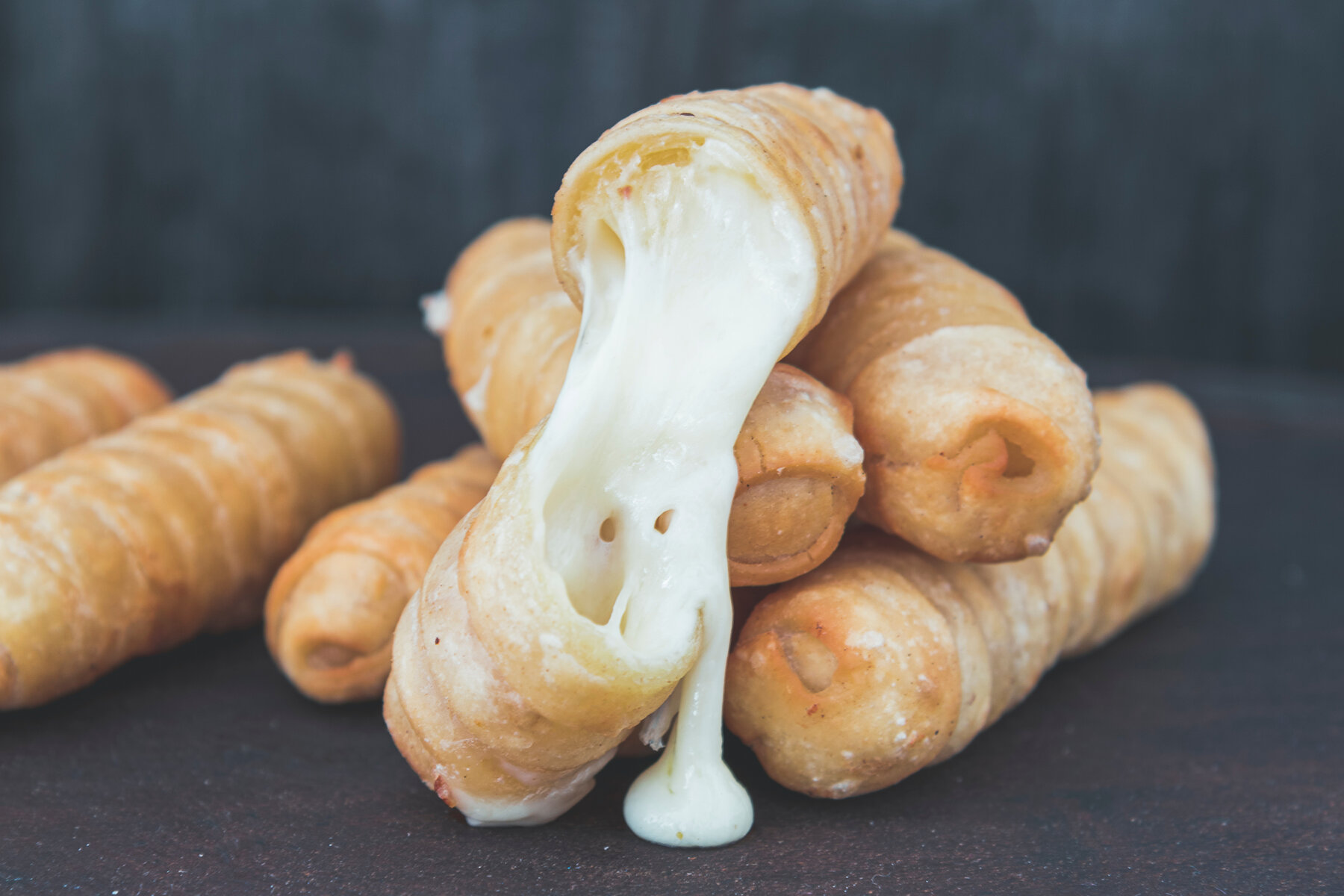
At its simplest, a tequeño is a fried dough pastry, typically filled with cheese, originating from Venezuela. But to define it merely as such would be to overlook a phenomenon far grander: a culinary artifact that has transcended its humble origins to become a powerful cultural brand, embodying national identity, nostalgia, and a remarkable story of organic market penetration. Understanding “what is a tequeño” is not just about dissecting its ingredients or preparation; it is about deconstructing its profound brand resonance, its unique journey from street food to international sensation, and the sophisticated, albeit often unconscious, branding strategies that have propelled its global recognition.

In the realm of food, some dishes remain regional curiosities, while others — like pizza, sushi, or tacos — achieve universal fame, evolving into global brands in their own right. The tequeño, though perhaps not yet operating on the same vast scale, is rapidly charting a similar course. Its journey offers a compelling case study for brand strategists, marketers, and cultural analysts alike, demonstrating how authentic product design, deep cultural integration, and grassroots advocacy can cultivate an enduring and expanding brand presence without the aid of traditional corporate marketing budgets. This article will delve into the multifaceted brand identity of the tequeño, exploring its genesis, its evolution as a cultural asset, the challenges and opportunities in formalizing its brand, and its promising future on the global culinary stage.
The Genesis of a Culinary Icon: Identity, Origin, and Product Design
Every successful brand has an origin story, a foundational narrative that imbues it with meaning and authenticity. For the tequeño, this narrative is deeply woven into the fabric of Venezuelan history and culinary tradition. Its very essence—its ingredients, shape, and preparation—constitutes its core product design, a blueprint that has remained remarkably consistent, reinforcing its brand integrity across generations.
Venezuelan Roots: Crafting a National Snack
The consensus points to Los Teques, a city in Miranda state, Venezuela, as the birthplace of the tequeño in the late 19th or early 20th century. Legend suggests it was created by the maid of a prominent family, who ingeniously wrapped leftover dough around pieces of white cheese and fried them. This simple act of culinary innovation quickly captured local palates. What began as an aristocratic snack soon diffused into the broader society, becoming a staple at parties, celebrations, and casual gatherings. This organic adoption speaks volumes about its inherent appeal, laying the groundwork for its pervasive brand presence within Venezuela. The tequeño wasn’t marketed into existence; it earned its place through intrinsic deliciousness and cultural relevance, a testament to powerful product-market fit driven by authentic demand. This origin story, passed down through generations, forms a crucial part of its brand narrative, lending it a sense of heritage and genuine connection to its roots.
The Anatomy of a Tequeño: Product Design and Core Offering
At the heart of the tequeño’s brand appeal is its distinctive product design. It’s not just a fried cheese stick; it’s a carefully balanced composition that appeals to multiple senses.
The primary components are:
-
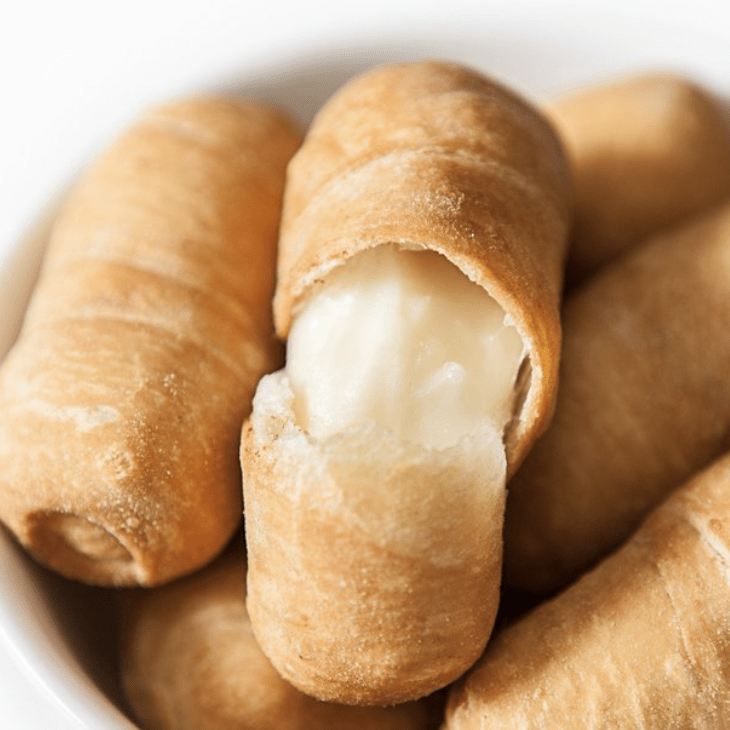
The Dough: A slightly sweet, pliable wheat flour dough, often enriched with butter or eggs, providing a crisp exterior when fried and a tender, slightly chewy interior. This “packaging” is essential for both structural integrity and sensory experience.
-
The Filling: Traditionally, a semi-hard, slightly salty white cheese (like queso blanco or llanero) that melts to a creamy consistency without fully liquefying or oozing excessively. This cheese selection is critical for maintaining the product’s functional and experiential brand promise.
-
The Shape: The iconic cylindrical or rectangular stick shape, usually about 2-4 inches long, makes it perfectly portioned for individual consumption and easy handling—a key design feature for a popular finger food.
This consistent design ensures a uniform consumer experience, regardless of where one encounters a tequeño in Venezuela. The “product design” of the tequeño is its most fundamental brand element. It’s instantly recognizable, offers a predictable taste profile, and provides a satisfying textural contrast. Any deviation from this core design risks diluting the brand, highlighting the importance of consistency in maintaining product identity and consumer trust.
Beyond the Plate: The Tequeño as a Cultural Brand Asset
The tequeño’s journey from a local snack to a national symbol, and increasingly, an international delicacy, is a masterclass in how a food item can transcend its culinary function to become a potent cultural brand asset. Its success lies not merely in its taste but in its profound emotional and social resonance, which drives an unparalleled form of organic marketing.
Emotional Resonance: Marketing through Nostalgia and Belonging
For Venezuelans, the tequeño is far more than just food; it is a powerful symbol of identity, celebration, and belonging. It evokes a strong sense of nostalgia, transporting many back to childhood parties, family gatherings, or shared moments with friends. This deep emotional connection is its strongest marketing tool. When Venezuelans abroad encounter a tequeño, it’s not just a snack; it’s a taste of home, a tangible link to their heritage, and a comfort in unfamiliar surroundings. This emotional leverage creates an intensely loyal consumer base and drives advocacy. Consumers aren’t just buying a product; they are buying into a shared experience, a memory, and a piece of their cultural identity. This “emotional branding” is incredibly powerful, fostering a deep, almost familial, connection between the product and its target demographic.
Spontaneous Marketing: Word-of-Mouth and Cultural Diffusion
The global diaspora of Venezuelans, particularly in recent years, has been the primary engine of the tequeño’s international brand expansion. As Venezuelans have settled in new countries, they have brought their culinary traditions with them, introducing tequeños to friends, colleagues, and local communities. This phenomenon represents a highly effective, albeit unplanned, form of “spontaneous marketing” and “cultural diffusion.” Each sharing of a tequeño is an act of brand ambassadorship, a personal recommendation fueled by pride and affection for the product.
This organic word-of-mouth marketing is invaluable. It bypasses traditional advertising channels, leveraging personal connections and authentic endorsements. The tequeño’s brand spreads virally, carried by individuals who are not just consumers but passionate advocates. This grassroots movement has led to the proliferation of Venezuelan bakeries, restaurants, and food trucks in cities worldwide, each serving as a new touchpoint for the tequeño brand and contributing to its growing global footprint.
The Role of Social Media in Brand Amplification
In the digital age, social media has played a pivotal role in amplifying the tequeño’s cultural brand. Platforms like Instagram, TikTok, and Facebook are replete with images and videos of tequeños at parties, cooking tutorials, and testimonials from nostalgic expatriates. Food bloggers and influencers, both within and outside the Venezuelan community, have discovered and promoted the tequeño, introducing it to wider audiences. Hashtags like #tequeno and #venezuelanfood foster a global community around the product, allowing enthusiasts to share experiences, find local purveyors, and contribute to its ongoing brand narrative. This digital virality supplements the physical spread, creating a powerful synergy that continuously reinforces and expands the tequeño’s brand awareness and desirability. The visual appeal of a perfectly golden, cheese-filled tequeño makes it highly “shareable” content, a natural fit for social media’s emphasis on visual storytelling.
Branding the Tequeño: From Street Vendor to Global Enterprise
While the tequeño has benefited immensely from organic growth and cultural identity, its journey toward becoming a recognized global food brand also involves navigating the complexities of formal branding. This transition presents unique challenges and opportunities for businesses looking to capitalize on its burgeoning popularity.
Artisan Identity vs. Mass Production: Brand Consistency Challenges
A core challenge for the tequeño brand lies in balancing its artisan identity with the demands of mass production. The authentic tequeño is often associated with homemade quality, unique recipes, and meticulous handcrafting. As demand grows, companies face the task of scaling production without compromising the perceived quality, taste, and “authenticity” that define the brand. Maintaining consistent product design (dough texture, cheese quality, optimal melt, and shape) across different production scales and geographies is crucial for brand integrity. This requires careful selection of ingredients, standardized processes, and quality control measures, much like any established food brand. The goal is to industrialize without losing the “soul” of the tequeño, a difficult tightrope walk for any heritage product. Companies that succeed in this will be those that prioritize quality and authenticity, turning their traditional roots into a strong brand narrative rather than a production constraint.
Diversification and Innovation: Extending the Tequeño Brand
Beyond the classic cheese-filled variant, the tequeño brand has shown remarkable adaptability through diversification and innovation. Chefs and food entrepreneurs are experimenting with various fillings—guava and cheese, chocolate, ham and cheese, even savory fillings like chicken or beef. While such innovations can broaden appeal and extend the brand into new market segments, they also pose a strategic branding question: How far can the product deviate from its original form before it ceases to be recognized as a “tequeño” and dilutes the core brand identity? Successful brand extension requires careful consideration of consumer perception and the brand’s core values. Innovations must be presented as extensions of the authentic tequeño experience, rather than entirely new products that might confuse the brand narrative. Clear communication of “classic” vs. “innovative” offerings helps manage consumer expectations and reinforces the brand’s versatility while protecting its heritage.
Protecting the Heritage: Geographical Indication and Brand Authenticity
As the tequeño gains international recognition, questions around protecting its heritage and ensuring brand authenticity become more pertinent. Similar to how Champagne or Parmigiano-Reggiano have protected geographical indications, there could be future discussions about safeguarding the “Venezuelan Tequeño” as a distinct brand. This involves defining specific quality standards, ingredient origins, and production methods. For businesses, this translates into intellectual property considerations, such as trademarks for specific brand names or logos associated with tequeño products. Ensuring that consumers receive a product that lives up to the expected standard—whether artisanal or mass-produced—is vital for maintaining the tequeño’s reputation and preventing brand dilution by inferior imitations. This proactive approach to brand protection can solidify its status as a premium, authentic culinary offering.
Case Studies in Tequeño Branding: Success Stories and Future Trends
The tequeño’s organic brand development has laid a fertile ground for businesses to build formal brands around it. Examining various approaches reveals pathways for success and hints at future trends for this culinary icon.
Local Success Stories: How Small Businesses Build a Tequeño Brand
Numerous small businesses and family-run bakeries have become pioneers in formalizing the tequeño brand. In cities with significant Venezuelan populations, establishments like “Arepas & Co.” or “Tequeño House” have built strong local brands by focusing on quality, consistency, and cultural connection. Their marketing often leverages the emotional resonance discussed earlier, positioning the tequeño not just as food, but as an experience. These businesses frequently use social media to showcase their handcrafted process, share customer testimonials, and engage with their community, effectively replicating the word-of-mouth success on a digital platform. Their branding strategy often revolves around authenticity, “grandma’s recipe” narratives, and creating a welcoming atmosphere that reinforces the tequeño’s celebratory context. They demonstrate that strong local branding, rooted in genuine product and cultural understanding, can be highly effective.
Global Expansion: Adapting the Tequeño for New Markets
For larger companies or those aspiring to global reach, adapting the tequeño for new markets presents both opportunities and strategic challenges. This often involves careful market research to understand local tastes and dietary preferences. For instance, while the traditional tequeño is fried, some brands might explore baked versions to cater to health-conscious consumers. Packaging design becomes crucial for retail distribution, needing to convey quality, convenience, and the product’s unique story to unfamiliar audiences. Marketing messages may shift from pure nostalgia to highlighting its versatility as an appetizer or snack. Companies like “Tequeños Pasapalos” or “Chef Leo” (hypothetical examples of brands focusing on global distribution) are working on standardized, frozen tequeños that can be easily prepared by consumers worldwide, effectively creating a convenient “ready-to-eat” brand that appeals to busy lifestyles without sacrificing quality. This requires a robust supply chain, international food safety compliance, and a clear brand identity that translates across cultures.
The Future of the Tequeño Brand: Sustainability and Digital Presence
The future of the tequeño brand is likely to be shaped by two key trends: sustainability and continued digital integration. As consumers become more environmentally conscious, brands that can demonstrate sustainable sourcing of ingredients (especially the cheese) and eco-friendly packaging will gain a competitive edge. This could become a powerful differentiating factor in a crowded market. Furthermore, the digital landscape will continue to be a primary battleground for brand visibility and engagement. Innovative digital marketing campaigns, partnerships with influential food personalities, and the development of immersive online experiences (e.g., virtual cooking classes, augmented reality filters for social media) will be crucial for maintaining relevance and expanding reach. The tequeño, with its inherently shareable nature and emotional appeal, is perfectly poised to leverage these trends, cementing its status as a global culinary brand for generations to come. Its brand narrative, rich in heritage and community, makes it a compelling story in an increasingly interconnected world.
In conclusion, “what is a tequeño?” is a question that invites more than a mere culinary description; it unveils a fascinating study in brand development. From its accidental invention in Venezuela to its current status as a cherished symbol and an emerging global delicacy, the tequeño’s journey is a testament to the power of authentic product design, deep cultural resonance, and organic, community-driven marketing. As it continues its global ascent, the tequeño offers invaluable lessons on how a product, when deeply embedded in identity and emotion, can build an enduring and impactful brand that transcends borders and captivates hearts, one cheesy bite at a time.
aViewFromTheCave is a participant in the Amazon Services LLC Associates Program, an affiliate advertising program designed to provide a means for sites to earn advertising fees by advertising and linking to Amazon.com. Amazon, the Amazon logo, AmazonSupply, and the AmazonSupply logo are trademarks of Amazon.com, Inc. or its affiliates. As an Amazon Associate we earn affiliate commissions from qualifying purchases.