
In an increasingly globalized and digitally interconnected world, visual identity has become paramount for individuals, communities, and corporations alike. Amidst a sea of generic aesthetics, certain unique styles emerge, capturing imaginations and forging powerful connections. One such style, rich in cultural heritage and distinct in its application, is “kemono.” Far from being a mere niche interest, understanding kemono offers valuable insights into the power of design, the nuances of personal branding, and the strategic deployment of unique visual assets in marketing and community building. So, what exactly is a kemono, and how does this captivating aesthetic function as a potent brand identity?

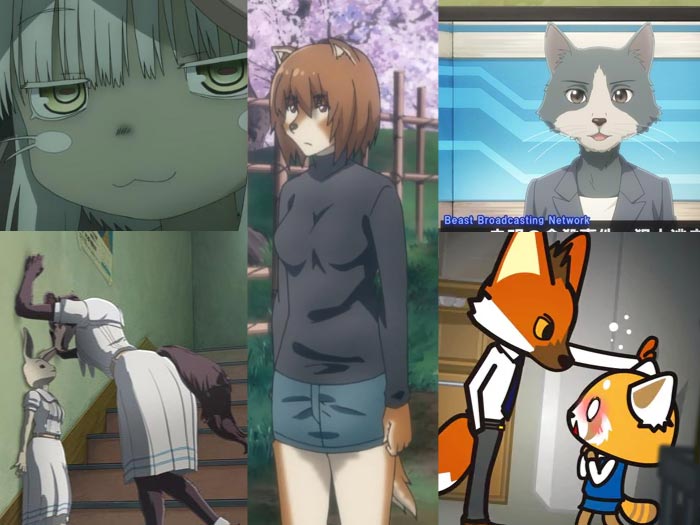
At its heart, “kemono” is a Japanese term generally translating to “beast” or “animal.” However, within specific subcultures and creative spheres, it refers to a particular style of anthropomorphic animal character design. While sharing common ground with the broader “furry” fandom, kemono distinguishes itself through a unique blend of cuteness, expressiveness, and often a more pronounced emphasis on animalistic features, frequently softened with highly stylized, almost chibi-like proportions. This blend creates a distinctive visual brand that transcends mere character design, becoming a statement of identity, a marketing tool, and a cornerstone of community engagement.
The Core Elements of Kemono Design: A Distinct Aesthetic Language
To understand kemono as a brand, one must first deconstruct its foundational design principles. It’s not just about drawing animals; it’s about crafting a specific emotional and visual experience that forms a recognizable “brand language.”
Anthropomorphism with a Twist: Balancing Animal and Human Traits
The essence of kemono lies in its anthropomorphic nature – attributing human characteristics to animals. However, kemono takes a specific approach. Unlike some Western anthropomorphic styles that might fully humanize animals (e.g., placing them in human clothing, having entirely human bodies with animal heads), kemono often retains a stronger connection to the animal form. This typically manifests as more pronounced animalistic posture, digitigrade (on toes) legs, visible fur or scales, and often specific animal ears and tails that move expressively. The “twist” is the careful balance: enough human-like expression and relatable gestures to foster connection, yet enough animalistic authenticity to maintain its unique charm. This careful balance forms a recognizable brand signature, appealing to those who appreciate both natural forms and relatable personalities. It’s a design strategy that evokes wonder and familiarity simultaneously.
Expressive Features and Stylization: Crafting Memorable Characters
A hallmark of kemono design, and a key element of its branding power, is its highly expressive facial features. Large, often glistening eyes, soft muzzles, and detailed, articulate ears are common. These elements are not just decorative; they are crucial communication tools, allowing for a wide range of emotions to be conveyed without resorting to overt human facial structures. The stylization often leans towards a softer, rounder aesthetic, eschewing sharp angles for more fluid lines and shapes. This visual language inherently communicates approachability, innocence, and warmth – powerful brand attributes that resonate strongly with specific audiences. When a brand adopts kemono characters, it’s not just getting a mascot; it’s adopting a visual ethos that speaks volumes about its intended persona. This deliberate stylization makes kemono characters instantly recognizable and highly memorable, essential for any strong brand identity.
Color Palettes and Materiality: Beyond the Digital Canvas
While often depicted digitally, the kemono aesthetic also deeply considers color and implied materiality. Color palettes tend to be vibrant and playful, utilizing a wide spectrum that can range from naturalistic animal hues to fantastical, imaginative combinations. The choice of colors is often strategic, designed to evoke specific moods or highlight aspects of a character’s personality – much like a brand uses its logo colors to convey its values. Beyond color, the implied “materiality” of kemono characters is crucial. Whether depicted in digital art, illustrated merchandise, or even in physical forms like mascot costumes (fursuits), there’s an emphasis on softness, texture, and a plush-like quality. This tangible or implied tactile appeal contributes significantly to the overall brand experience, fostering a sense of comfort and endearment. For a brand, this means that kemono elements can translate effectively across various media, from 2D illustrations to 3D models and physical products, maintaining a consistent and appealing brand experience.
Kemono as Personal Branding: Crafting an Online Persona
Beyond its artistic merits, the kemono aesthetic has become a powerful tool for personal branding, particularly in the digital age. Individuals leverage this unique style to craft distinct online identities that stand out in crowded virtual spaces.
Vtubers and Online Avatars: Identity in the Digital Sphere
The rise of virtual YouTubers (Vtubers) and the broader adoption of digital avatars have provided fertile ground for kemono personal branding. Vtubers, who use virtual characters to interact with audiences online, often choose kemono-style designs for their avatars. This choice is deliberate: the expressive nature, appealing aesthetic, and distinctiveness of kemono characters allow creators to forge memorable, engaging, and unique online personas. Their kemono avatar is their personal brand, embodying their online presence, conveying their personality, and differentiating them from countless other content creators. The visual language of kemono helps these individuals build immediate recognition and foster strong connections with their audience, creating a powerful digital brand that is instantly identifiable and often deeply loved by their followers.
The Furry Fandom and Kemono: Overlaps and Distinctions in Self-Expression
While kemono has a distinct Japanese origin and aesthetic, it frequently intersects with the global furry fandom. Both involve anthropomorphic animal characters, but kemono often emphasizes a “cuter,” more stylized, and typically less “humanized” approach than some Western furry designs. For many within these communities, their kemono “fursona” or avatar serves as a profound form of self-expression and personal branding. It’s a visual representation of an idealized self, a creative outlet, and a means of connecting with like-minded individuals. The adoption of a kemono aesthetic can signal belonging to a particular sub-community or simply express a unique facet of one’s identity. This deep personal investment in the aesthetic elevates it beyond mere artwork into a cornerstone of personal identity and community-based branding.

Building Community Through Shared Aesthetics
One of the most potent aspects of kemono as a branding tool is its capacity to build and nurture communities. When individuals adopt similar kemono aesthetics or appreciate the style, it creates a shared visual language that fosters connection. Online forums, art communities, social media groups, and even real-world conventions center around this shared interest. For individuals, participating in these communities reinforces their personal brand and provides a sense of belonging. For creators, it’s a ready-made audience and network. This community-building aspect is invaluable; a brand that can unite people around a shared aesthetic has achieved a level of engagement far beyond simple consumerism. The kemono aesthetic acts as a beacon, drawing together a loyal and passionate demographic.
Corporate and Creative Branding: Leveraging Kemono Appeal
The distinctive appeal of kemono is not limited to personal branding; it holds significant potential for corporate and creative entities looking to carve out a unique niche or engage specific demographics.
Mascots and Character Design: Engaging Audiences
For businesses and creative projects, kemono-style characters can serve as incredibly effective mascots. Their inherent cuteness, expressiveness, and unique visual identity make them highly memorable and endearing. A kemono mascot can convey a brand’s personality—be it playful, friendly, adventurous, or comforting—more effectively than abstract logos or generic human figures. This is particularly true for brands targeting younger audiences, entertainment industries (e.g., video games, animation studios), or products/services that benefit from a soft, approachable image. Think of the successful brand mascots in Japan, many of which share aesthetic similarities with kemono. Their ability to evoke strong positive emotions makes them powerful assets for brand recall and affinity.
Niche Market Penetration: Targeting Specific Demographics
Adopting a kemono aesthetic can be a strategic move for brands aiming to penetrate specific niche markets. The existing communities and enthusiasts around kemono and related anthropomorphic art represent a dedicated and engaged demographic. Brands that authentically integrate kemono elements into their marketing, product design, or even corporate identity can signal to these communities that they understand and value their interests. This targeted approach can lead to higher engagement, stronger brand loyalty, and more effective marketing spend by focusing on an audience that is already predisposed to appreciate the aesthetic. It’s about speaking the visual language of a particular consumer segment, thereby building trust and relevance.
Licensing and Merchandising: Extending Brand Reach
The visual appeal of kemono characters makes them ideal for licensing and merchandising. From plush toys and apparel to digital stickers and collectible figures, kemono designs translate exceptionally well across various product categories. For brands, this means multiple avenues for revenue generation and brand extension. A strong kemono character can become a franchise, generating merchandise that not only sells but also acts as a tangible reminder of the brand, continually reinforcing its presence in consumers’ lives. The ability to create a diverse range of branded products allows for ubiquitous brand presence and cultivates a deeper emotional investment from consumers who collect and cherish these items.
The Cultural Impact and Evolution of Kemono Branding
The journey of kemono from a specific art style to a recognized brand identity is deeply intertwined with cultural dynamics and its remarkable adaptability.
Japanese Roots and Global Influence: A Transnational Phenomenon
Kemono’s aesthetic and conceptual roots are firmly planted in Japanese culture, drawing from traditions of anthropomorphic folklore (like yokai and kitsune), character design in anime and manga, and the “kawaii” (cute) aesthetic. However, like many successful cultural exports, kemono has transcended its origins to gain a global following. Its appeal is transnational, resonating with audiences worldwide who appreciate its unique blend of charm and expressiveness. This global diffusion means that a kemono brand identity, while having a distinct cultural flavor, can successfully operate on an international stage, tapping into a diverse global consumer base. It demonstrates how a strong, culturally-specific aesthetic can become a universal branding language.
Adaptability Across Media: Games, Anime, and Digital Art
A testament to its robust design principles, the kemono aesthetic demonstrates remarkable adaptability across various media. It seamlessly transitions from traditional illustration to 3D models in video games, animated series, and virtual reality experiences. This cross-media fluidity is a significant advantage for brands. A kemono character can maintain its core identity and appeal whether it’s starring in a mobile game, appearing in a webcomic, or acting as a livestreaming avatar. This consistent visual language across different platforms ensures a cohesive brand experience and maximizes reach, allowing brands to engage with their audience wherever they are.
Authenticity and Brand Connection: The Power of Unique Identities
Ultimately, the power of kemono as a brand identity lies in its ability to foster authenticity and deep connection. In a world saturated with generic and mass-produced imagery, a distinct kemono aesthetic offers a refreshing alternative. For individuals, it’s an authentic expression of self. For companies, it’s a commitment to a unique visual language that stands out and resonates with specific values or aspirations. By embracing the unique charm, expressiveness, and cultural richness of kemono, brands can forge deeper, more meaningful connections with their audiences, building loyalty and creating a memorable presence that goes far beyond surface-level recognition. It’s about leveraging a unique visual brand to tell a compelling story and build a community around shared appreciation and identity.
aViewFromTheCave is a participant in the Amazon Services LLC Associates Program, an affiliate advertising program designed to provide a means for sites to earn advertising fees by advertising and linking to Amazon.com. Amazon, the Amazon logo, AmazonSupply, and the AmazonSupply logo are trademarks of Amazon.com, Inc. or its affiliates. As an Amazon Associate we earn affiliate commissions from qualifying purchases.