
In the dynamic and often cacophonous world of branding, where countless messages vie for attention, the ability to produce a truly distinctive and resonant voice is paramount. For many, the concept of brand voice might conjure images of simple, singular notes—a logo, a slogan, a color palette. However, to truly understand the depth and power required to cut through the noise, we must look beyond the superficial and consider a more complex, nuanced metaphor: the “double reed instrument.”
On the surface, a double reed instrument, like the oboe or bassoon, seems specific to the realm of music. Yet, it serves as a remarkably potent analogy for brands that achieve unparalleled clarity, unique timbre, and compelling presence. Unlike instruments with a single reed or those relying on a simpler mechanism, double reed instruments derive their characteristic sound from the precise vibration and interplay of two carefully matched reeds. This duality, this inherent complexity working in perfect synchronicity, is what grants them their singular voice—a voice that is often rich, penetrating, and capable of conveying profound emotional depth.
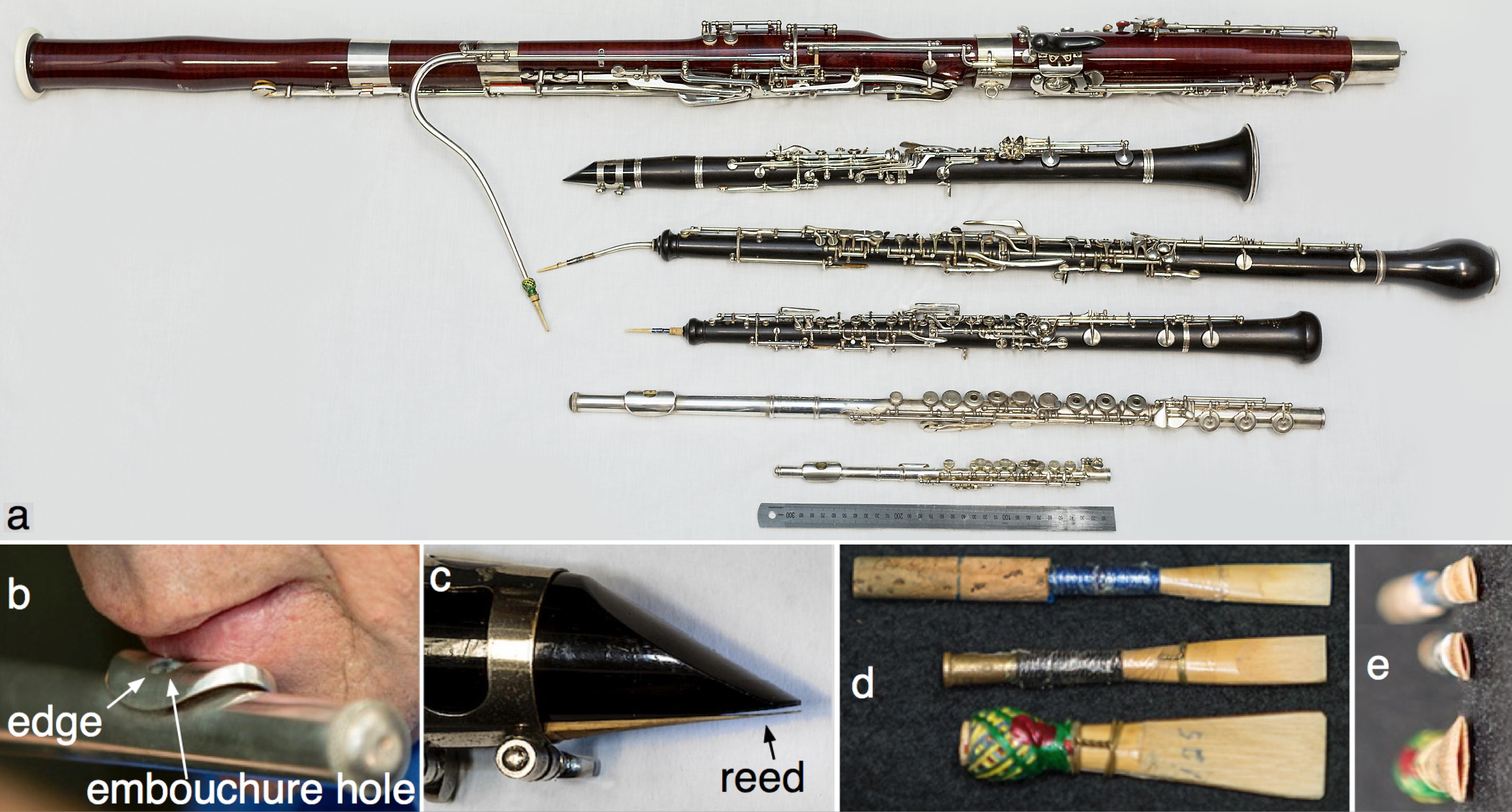
Applied to branding, “what is a double reed instrument?” asks: What are the dual, precisely calibrated, and intrinsically linked elements that allow a brand to achieve its unique resonance, distinguish itself from competitors, and speak with undeniable authority and authenticity? It’s about understanding that a truly powerful brand isn’t built on isolated components, but on the harmonious, deliberate, and often intricate interplay of its foundational elements. This article delves into this metaphor, exploring how brands can emulate the precision, distinctiveness, and mastery inherent in a double reed instrument to forge an unforgettable identity and lasting connection with their audience.
The Symphony of Brand Identity: Beyond a Single Note
A brand’s identity is far more than its superficial presentation; it’s the very essence of what it stands for, how it behaves, and the promise it extends to its audience. Just as a single note, however perfectly played, cannot convey the complexity of a symphony, a brand cannot rely on a singular aspect to define its entire identity. The “double reed” metaphor here signifies the indispensable pairing of core values and a visionary purpose, acting as the vibrating heart of the brand’s unique sound.
Crafting the Core Resonance: Values and Vision
The first “reed” of a brand’s identity is its core values. These are the fundamental beliefs and principles that guide every decision, interaction, and communication. They are the ethical and philosophical bedrock upon which the entire enterprise rests. A brand without clearly defined, deeply embedded values is like an instrument lacking a foundational tone—it might produce sound, but it lacks depth, consistency, and conviction.
The second “reed” is the vision—the aspirational future state the brand aims to create or contribute to. It answers the question, “Where are we going, and why does it matter?” A compelling vision provides direction, inspires stakeholders, and articulates the broader impact the brand seeks to make in the world. Without vision, values can feel abstract; without values, vision can feel hollow.
The “double reed” effect occurs when these two elements vibrate in perfect harmony. Values provide the authentic resonance, ensuring that the vision is pursued with integrity. Vision gives purpose and trajectory to the values, translating them into tangible impact. When a brand’s actions consistently reflect its stated values and propel it towards its articulated vision, it begins to produce a sound that is both authentic and inspiring—a truly resonant core identity. This precision-tuned alignment is what allows a brand to speak with a clear, unmistakable voice, establishing trust and inspiring loyalty.
The Art of Articulation: Visual and Verbal Language
Once the core resonance (values and vision) is established, the next layer of the “double reed instrument” of branding comes into play: how this identity is outwardly expressed through visual and verbal language. These are the mechanisms through which the brand’s unique sound is amplified and projected to the world.
Visual language encompasses everything from logos, color palettes, typography, and imagery to website design and physical retail spaces. It’s the aesthetic vibration that instantly communicates personality, professionalism, and promise. A distinctive visual identity is like the unique craftsmanship of a musical instrument—it’s immediately recognizable and sets the stage for the auditory experience.
Verbal language, on the other hand, includes brand voice (the personality expressed through words), messaging frameworks, taglines, ad copy, and communication styles. It’s the specific melody and rhythm of the brand’s message, dictating how it converses with its audience, tells its story, and conveys its value proposition.
The “double reed” magic happens when visual and verbal languages are not merely complementary but deeply interwoven, creating a seamless and consistent expressive whole. Imagine a brand whose visuals evoke sophistication and innovation, but whose verbal messaging is casual and disjointed. This dissonance is like an instrument playing out of tune—it creates an unpleasant experience and undermines credibility. Conversely, when visuals and verbal cues reinforce each other, expressing the same core identity and purpose, the brand’s message achieves a powerful, harmonious clarity, much like the rich, unified tone of a masterfully played double reed instrument. This consistent articulation ensures that every touchpoint resonates with the brand’s true self, making its unique voice unmistakable.
Precision Engineering: The Mechanics of a Distinctive Brand Voice
Just as a double reed instrument requires precise engineering in its construction and meticulous crafting of its reeds to produce its distinct sound, a truly powerful brand voice isn’t accidental. It’s the result of deliberate strategic choices and careful internal alignment, ensuring that every message, interaction, and experience contributes to a unified, impactful brand narrative. This “precision engineering” involves both internal synchronization and external tuning for specific audiences.
Synchronizing Messaging: Internal Alignment for External Impact
The first aspect of precision engineering in branding is ensuring internal alignment of messaging. For a brand to speak with a consistent, authoritative voice externally, every department, team member, and communication channel within the organization must be on the same page. This means that marketing, sales, customer service, product development, and even HR should all understand and embody the brand’s core identity, values, and vision.
In the double reed metaphor, this internal synchronization is akin to ensuring both reeds are perfectly matched, vibrating at the correct frequency and working together seamlessly. If one reed is out of balance, the instrument produces a harsh, unpleasant sound. Similarly, if different parts of an organization communicate conflicting messages or behave inconsistently with the brand’s promise, it creates dissonance. A customer’s experience with a sales representative should reinforce the messaging from an advertisement; the brand’s social media presence should align with its corporate communications. This internal consistency is the bedrock of external credibility and impact, ensuring that the brand’s “sound” is unified and strong, no matter who is “playing” it within the organization.

Tuning for Target Audiences: From Broad Appeal to Niche Harmony
The second crucial aspect of precision engineering is the ability to tune the brand voice for specific target audiences while retaining its core identity. A skilled oboist can adjust their embouchure and breath to subtly alter the instrument’s timbre, allowing it to blend or stand out as needed within an orchestral context, or to convey different emotional nuances. A brand, too, must be capable of similar agility.
While a brand’s fundamental identity and message remain constant, the way it articulates that message can be refined to resonate most effectively with different segments of its audience. This isn’t about changing the brand’s essence, but rather about optimizing the delivery—using language, channels, and examples that speak directly to the unique needs, values, and cultural contexts of various target groups. For instance, a tech brand might use more informal, benefit-driven language when addressing end-users on social media, but adopt a more formal, data-driven tone when communicating with investors or enterprise clients.
The “double reed” principle here ensures that even as the brand tunes its message, both the visual and verbal elements remain harmoniously aligned with its core. The brand’s foundational sound doesn’t change, but its presentation adapts to create maximum impact and connection. This strategic flexibility, rooted in a strong core identity, allows a brand to achieve both broad appeal and niche harmony, ensuring its distinctive voice is heard and appreciated across its entire ecosystem.
Mastery in Performance: Sustaining Brand Resonance
A double reed instrument, even if perfectly crafted and precisely engineered, only truly comes alive in the hands of a master musician. Their sustained effort, practice, and nuanced control are what transform the instrument from a mere object into a conduit for profound expression. Similarly, for a brand to achieve and sustain its “double reed” resonance, it requires ongoing mastery in performance—consistent execution, deliberate adaptation, and a commitment to continuous evolution.
Consistent Playbook: Ensuring Uniform Experience
The first hallmark of mastery in branding is establishing a consistent playbook that ensures a uniform brand experience across all touchpoints and over time. Just as a virtuoso musician adheres to a consistent technique, maintaining pitch, rhythm, and tone quality throughout a performance, a brand must uphold its identity and promise with unwavering consistency.
This involves developing comprehensive brand guidelines, training employees, and implementing robust quality control measures. Every customer interaction, every piece of content, every product release, and every marketing campaign must reflect the brand’s core values and vision. Inconsistent messaging, fragmented visual identities, or unpredictable customer service are like hitting a wrong note—they disrupt the harmony and erode trust. A consistent playbook acts as the sheet music and conductor for the entire brand “orchestra,” ensuring that every member performs in concert, delivering a reliable, recognizable, and reassuring experience. This steadfast commitment to uniformity builds brand equity, fosters familiarity, and reinforces the unique voice that makes a “double reed” brand so distinctive.
Adaptability and Evolution: Retuning for the Future
Even the most accomplished musician doesn’t simply play the same pieces in the same way forever. They continuously refine their technique, explore new repertoire, and adapt to evolving performance contexts. Likewise, true mastery in branding requires adaptability and evolution—the willingness to “retune” for the future while preserving the core integrity of the brand’s sound.
The market is a constantly shifting stage, with new competitors, emerging technologies, changing consumer preferences, and evolving cultural landscapes. A brand that clings rigidly to outdated strategies or messaging risks becoming irrelevant. Adaptability means staying attuned to market signals, listening to customer feedback, and being prepared to innovate. This might involve refreshing visual identities, evolving messaging to address new societal concerns, or expanding into new product categories that align with the brand’s core purpose.
However, this evolution must be undertaken with careful consideration, ensuring that the brand’s fundamental “double reed” resonance is maintained. Retuning doesn’t mean abandoning the core values or vision, but rather finding new, relevant ways to express them and deliver on the brand promise in a changing world. It’s about leveraging the brand’s established equity while embracing necessary transformation, ensuring the “instrument” remains vibrant, relevant, and capable of producing captivating music for generations to come. This strategic balance between consistency and evolution is what allows a brand to not just survive but thrive, continuing its masterful performance on the ever-evolving stage of commerce.
The Virtuoso Effect: Why a “Double Reed” Brand Stands Out
Ultimately, the goal of all this deliberate construction and masterful performance is to achieve the “virtuoso effect”—the ability for a brand to not just exist, but to truly captivate, inspire, and build a devoted following. A double reed instrument, in the hands of a master, possesses an unmistakable presence that commands attention and evokes deep emotional responses. Similarly, a “double reed” brand achieves a level of distinction and connection that sets it apart in a crowded marketplace.
Unmistakable Timbre: Building Brand Memorability
One of the most profound outcomes of a “double reed” approach to branding is the creation of an unmistakable timbre—a unique and memorable quality that instantly distinguishes the brand. Just as a listener can immediately identify the rich, plaintive cry of an oboe or the deep, resonant chuckle of a bassoon, an audience should instantly recognize the distinctive voice of a “double reed” brand.
This memorability isn’t just about a catchy logo or jingle; it’s about the entire sensory and intellectual experience the brand provides. It’s the consistent quality, the authentic tone, the unique perspective, and the reliable promise that collectively form an identifiable impression. When a brand’s values, vision, visuals, and verbal communications are all precisely aligned and consistently executed, they create a cohesive and deeply ingrained perception in the minds of consumers. This distinct timbre makes the brand not only recognizable but also irreplaceable, fostering a strong emotional recall that becomes a significant competitive advantage. It’s the unique “sound” that resonates long after the initial interaction, ensuring the brand stays top-of-mind and positively positioned.

Cultivating Devotion: The Audience as an Orchestra
Finally, the ultimate achievement of a “double reed” brand is its ability to cultivate devotion, transforming its audience from mere consumers into an actively engaged “orchestra” that participates in and amplifies its story. A virtuoso musician doesn’t just play at an audience; they create an immersive experience that draws listeners into the performance, making them feel part of something larger.
A truly resonant brand achieves this by not only speaking to its audience but also by listening, engaging, and empowering them. It builds communities, fosters dialogue, and creates opportunities for customers to become advocates and co-creators. When consumers feel deeply connected to a brand’s values and vision, and when their experience consistently reflects the brand’s authentic voice, they move beyond transactional relationships. They become loyalists, evangelists, and an integral part of the brand’s ongoing narrative. They don’t just consume the “music”; they actively share it, discuss it, and even contribute to its future compositions. This cultivated devotion is the ultimate testament to a brand’s ability to achieve profound resonance and lasting impact—a true “double reed” mastery that orchestrates a symphony of success.
aViewFromTheCave is a participant in the Amazon Services LLC Associates Program, an affiliate advertising program designed to provide a means for sites to earn advertising fees by advertising and linking to Amazon.com. Amazon, the Amazon logo, AmazonSupply, and the AmazonSupply logo are trademarks of Amazon.com, Inc. or its affiliates. As an Amazon Associate we earn affiliate commissions from qualifying purchases.