
The notion of the United States engaging in a direct military conflict with powerful drug cartels, while purely hypothetical, opens a Pandora’s Box of complex considerations. Beyond the obvious geopolitical and social implications, the financial and economic ramifications would be staggering, fundamentally reshaping domestic and international financial landscapes. This isn’t merely a matter of military expenditure; it involves deep dives into national budgets, illicit financial networks, market stability, and the long-term costs of reconstruction and economic reorientation.
The Unprecedented Fiscal Burden: Cost of Conflict
Any sustained military engagement is an incredibly expensive undertaking, and a war against deeply entrenched, geographically dispersed, and financially sophisticated criminal organizations like cartels would present a unique fiscal challenge. The traditional models of warfare expenditure would be amplified by the asymmetric nature of the conflict and the inherent difficulties in measuring success against non-state actors operating within civilian populations.
Direct Military Expenditures
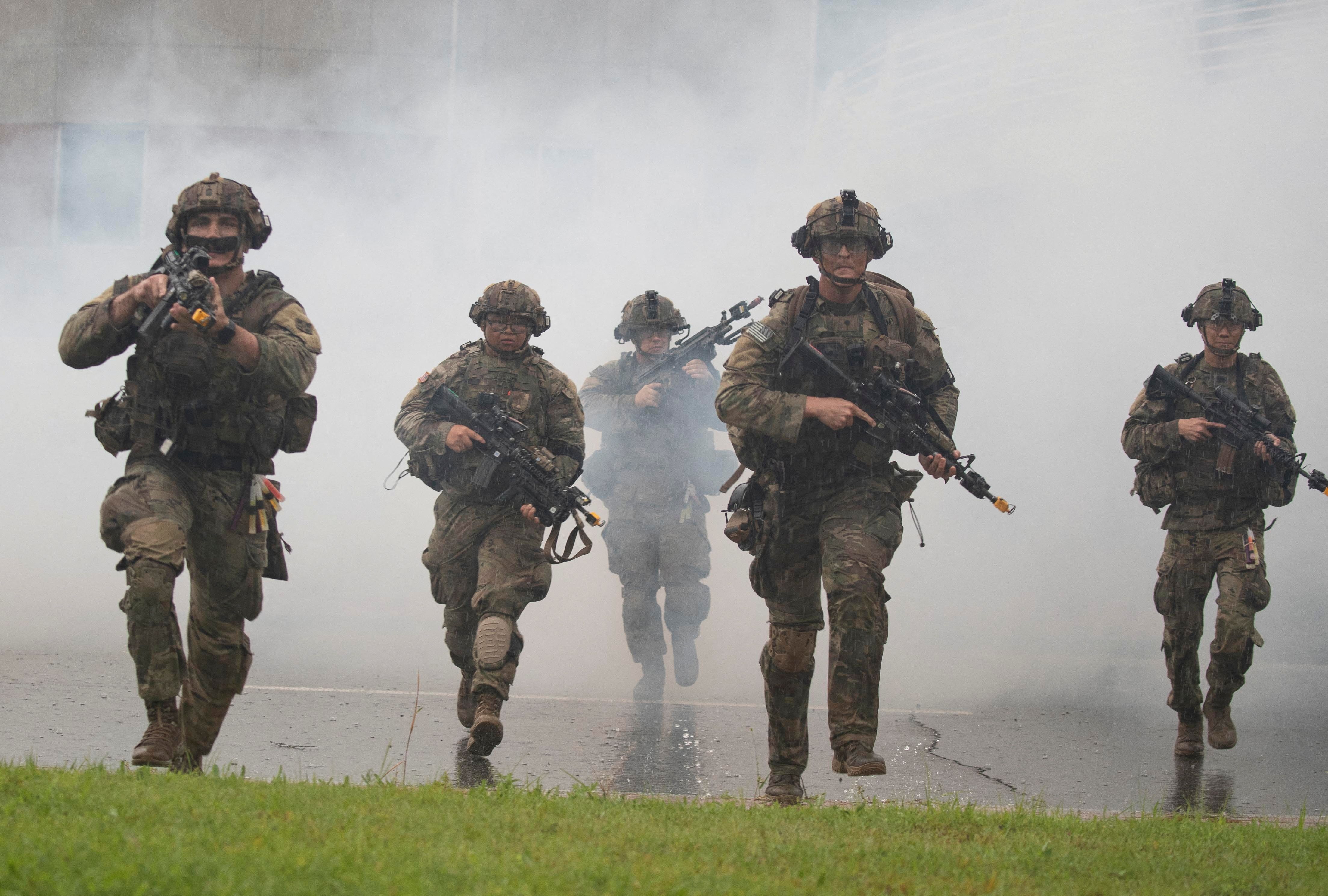
The immediate and most visible cost would be the direct expenses associated with military operations. This would encompass a vast array of resources:
-
Personnel Deployment and Support: Mobilization, training, deployment, salaries, benefits, and support services for potentially hundreds of thousands of military personnel. This includes not just ground troops but also air and naval assets, intelligence personnel, and logistical support staff.
-
Advanced Weaponry and Equipment: Procurement and deployment of drones, surveillance technology, armored vehicles, aircraft, naval vessels, and specialized counter-insurgency equipment. The continuous need for maintenance, upgrades, and replacement of lost assets would add significantly to this cost.
-
Logistics and Supply Chain: The immense undertaking of transporting equipment, fuel, ammunition, food, and other supplies across vast distances, often into challenging terrain. This also includes establishing and securing forward operating bases and supply lines.
-
Intelligence Gathering and Cyber Warfare: A modern conflict against cartels would heavily rely on advanced intelligence capabilities, including human intelligence, signals intelligence, and cyber operations to disrupt cartel communications, financial transactions, and logistical networks. Investing in and maintaining such sophisticated systems would be a continuous high-cost endeavor.
-
Medical and Evacuation Services: Providing comprehensive medical care for injured personnel, including advanced trauma care, rehabilitation, and long-term psychological support, would be a substantial and ongoing expense.
Estimates for recent U.S. conflicts provide a sobering benchmark. The wars in Iraq and Afghanistan, for instance, are projected to cost trillions of dollars over their lifespan, encompassing direct military outlays, interest on borrowed funds, and long-term veteran care. A similar-scale conflict, even if geographically confined, against a shadowy, adaptive enemy like cartels, could easily rival or exceed these figures, quickly becoming the largest single line item in the national budget.
Reconstruction, Stabilization, and Humanitarian Aid
The financial commitment would extend far beyond military operations. Conflict zones, especially those within sovereign nations, invariably lead to widespread displacement, infrastructure damage, and humanitarian crises.
-
Infrastructure Repair: Roads, bridges, communication networks, and public utilities would suffer collateral damage or be deliberately targeted, requiring massive investment for repair and rebuilding.
-
Displacement and Refugee Support: Millions could be displaced, both internally and across borders, necessitating significant humanitarian aid, including shelter, food, medical supplies, and basic services, often supported by international organizations funded by major powers.
-
Stabilization and Governance: Post-conflict stabilization efforts would involve funding for local governance, law enforcement training, judicial reform, and anti-corruption initiatives, all crucial for preventing the resurgence of illicit power structures.
-
Economic Development Initiatives: To offer a viable alternative to cartel economies, substantial investments would be needed in legitimate industries, agricultural development, education, and vocational training in affected regions. This aims to create sustainable livelihoods and reduce recruitment pools for criminal organizations. These are not short-term fixes but decades-long commitments.
Long-term Healthcare and Veteran Support
The human cost of war translates directly into financial obligations. Veterans of such a conflict would require extensive support for decades after active engagement ceases.
-
Physical and Mental Healthcare: The treatment of combat injuries, chronic illnesses, and prevalent mental health conditions like PTSD, traumatic brain injuries, and depression would constitute a massive, enduring healthcare burden.
-
Disability Benefits: Financial support for veterans with service-connected disabilities, often requiring lifelong care and assistance.
-
Reintegration Programs: Funding for job placement, educational opportunities, and social support to help veterans transition back into civilian life.
These costs are often underestimated at the outset of a conflict but grow exponentially over time, becoming a significant part of future national budgets.
Disrupting Illicit Financial Networks: A Dual-Edged Sword
One of the primary objectives of such a war would be to dismantle the cartels’ financial backbone. This is a complex undertaking with both intended and unintended economic consequences.
Targeting Narco-Profits and Money Laundering
Cartels operate multi-billion dollar enterprises, generating immense profits that are then laundered through sophisticated global networks.
-
Financial Sanctions and Asset Freezes: The U.S. Treasury Department would leverage its formidable tools to identify, sanction, and freeze assets belonging to cartel leaders, their associates, and front companies globally.
-
Enhanced Anti-Money Laundering (AML) Enforcement: Banks and financial institutions worldwide would face heightened scrutiny and pressure to strengthen AML protocols, identify suspicious transactions, and report illicit financial flows originating from or related to cartel operations.
-
Cryptocurrency Tracking and Regulation: Given the increasing use of cryptocurrencies by criminal organizations, there would be an accelerated push for advanced blockchain analytics and potentially new regulations to track and seize digital assets.
-
International Cooperation: A successful financial war would require unprecedented cooperation with global financial intelligence units, law enforcement agencies, and central banks to trace and disrupt cross-border illicit flows.
While effective, these measures would significantly disrupt the flow of dirty money, potentially causing ripple effects through legitimate economies where these funds have inadvertently or deliberately been integrated.
Impact on Regional Economies and Legitimate Businesses
The economies of regions dominated by cartels are often deeply intertwined with illicit activities.
-
Economic Collapse in Affected Regions: A successful disruption of cartel finances, while desirable, could lead to the collapse of local economies that have, to varying degrees, become dependent on narco-dollars. Businesses that knowingly or unknowingly benefit from cartel patronage, or even receive indirect economic stimulus from cartel spending, would face severe contraction.
-
Disruption of Supply Chains: Cartels often control crucial logistical infrastructure and supply routes. Conflict and eradication efforts could disrupt legitimate supply chains for agriculture, manufacturing, and other industries, leading to shortages and price volatility.
-
Increased Instability for Foreign Investors: Foreign direct investment (FDI) would likely plummet in conflict-affected areas, as investors shy away from instability, security risks, and unpredictable market conditions. Even in neighboring, seemingly stable regions, the perception of increased risk could deter investment.
The Rise of Alternative Black Markets
Disrupting existing cartel structures and financial pathways does not eliminate demand for illicit goods and services.
-
Emergence of New Criminal Enterprises: A vacuum created by the dismantling of major cartels could lead to the rise of new, potentially more fragmented and unpredictable criminal groups seeking to fill the void, creating a whack-a-mole scenario for law enforcement.
-
Shift in Illicit Trade Routes and Methods: Cartels, being highly adaptable, would likely innovate, finding new ways to smuggle goods, launder money, and operate. This could involve shifting trade routes, adopting new technologies, or diversifying into other forms of illicit activity, complicating enforcement efforts and potentially spreading the problem to new regions.
-
Increased Cybercrime and Digital Black Markets: As physical operations become riskier, there could be a significant migration of illicit activities to the dark web and other digital platforms, making financial tracking and interdiction even more challenging.
Macroeconomic Shockwaves: Domestic and International

A war of this scale would not be confined to the battlefield; its financial tendrils would reach into every corner of the global economy.
Budgetary Strain and Public Debt
The U.S. national debt, already a significant concern, would swell dramatically.
-
Increased Borrowing: To finance military operations and stabilization efforts, the U.S. Treasury would likely issue vast amounts of new debt, leading to higher interest payments and potentially crowding out other essential government spending.
-
Potential for Tax Increases: To offset some of the costs, there could be political pressure to raise taxes, affecting individual consumers and corporate profitability.
-
Reallocation of Funds: Non-defense discretionary spending on education, infrastructure, scientific research, and social programs could be cut or deferred, impacting long-term domestic growth and competitiveness.
Inflationary Pressures and Commodity Markets
Large-scale government spending, especially unfunded, can be inflationary.
-
Demand-Side Inflation: Increased military spending injects large sums of money into the economy without a corresponding increase in consumer goods, potentially driving up prices.
-
Supply Chain Disruptions: Conflict in key regions could disrupt global supply chains for various commodities, including oil, gas, and agricultural products, leading to price spikes and increased inflation.
-
Impact on Energy Prices: Mexico, a potential conflict zone, is a major oil producer. Any instability could severely impact global oil prices, leading to higher energy costs for consumers and businesses worldwide.
Geopolitical Economic Realignment
The financial implications would reverberate globally, potentially altering international economic alliances and power dynamics.
-
Shift in Global Investment Patterns: Investors might shift capital away from perceived high-risk regions towards more stable economies, leading to capital flight from developing nations.
-
Strained International Relations: Allies might be asked to contribute financially or economically, potentially straining diplomatic relations if burdens are not perceived as equitable.
-
Emergence of New Economic Blocs: The financial pressures and reallocations could accelerate the formation of new economic blocs or alliances, independent of traditional Western-led institutions, as nations seek to hedge against instability.
Investment Climate and Market Volatility
Financial markets are highly sensitive to geopolitical instability, and a war against cartels would introduce unprecedented levels of uncertainty.
Sectoral Impacts: Defense, Healthcare, Supply Chains
Certain economic sectors would experience significant shifts.
-
Defense Sector Boom: Defense contractors, arms manufacturers, and surveillance technology companies would likely see a surge in demand and profitability.
-
Healthcare Industry Strain: The medical and pharmaceutical industries would face increased demand related to veteran care, trauma treatment, and potentially new research into conflict-related health issues.
-
Supply Chain Vulnerability: Companies reliant on complex global supply chains, particularly those with components or manufacturing in potentially affected regions, would face increased costs, delays, and the need for diversification and resilience building.
Foreign Direct Investment and Capital Flight
The perception of risk would be paramount.
-
Reduced FDI in Emerging Markets: Developing countries, particularly those adjacent to or economically linked with conflict zones, would likely see a significant drop in foreign direct investment as investors seek safer havens.
-
Capital Flight: Domestic and international capital could rapidly flee from perceived high-risk assets and markets, seeking refuge in stable government bonds or established economies. This could lead to currency devaluation and economic instability in affected nations.
Emerging Market Instability
Developing economies, often more susceptible to external shocks, would be particularly vulnerable.
-
Currency Devaluations: Capital flight and loss of investor confidence would put immense downward pressure on emerging market currencies.
-
Increased Sovereign Risk: The ability of affected governments to service their debt would be questioned, leading to higher borrowing costs and potentially sovereign debt crises.
-
Social and Political Unrest: Economic instability and hardship could fuel social discontent and political instability, creating a vicious cycle that further exacerbates economic problems.
Post-Conflict Economic Rebuilding and Strategic Investment
Even assuming a successful resolution, the financial commitment would not end with the cessation of hostilities. The long-term economic rebuilding would be a monumental undertaking, demanding strategic, sustained investment.
Development Aid and Infrastructure Projects
A Marshall Plan-esque effort would be required to revive war-torn economies.
-
Direct Financial Aid: Substantial development aid would be necessary to kickstart economic activity, support small and medium-sized enterprises, and provide essential social services.
-
Rebuilding Core Infrastructure: Investing in modern, resilient infrastructure (energy grids, transportation networks, digital connectivity) would be critical for long-term economic growth and integration into the global economy.
Fostering Legal Economies and Entrepreneurship
The ultimate financial goal is to replace illicit economies with sustainable legal ones.
-
Support for Agriculture and Industry: Programs to diversify agricultural production, promote value-added processing, and develop light manufacturing industries would be vital.
-
Microfinance and Small Business Development: Providing access to capital and training for local entrepreneurs would empower communities and create legitimate employment opportunities, drawing people away from criminal enterprises.
-
Education and Vocational Training: Investing in human capital through education and skills training would build a workforce capable of supporting a modern, legitimate economy.

International Financial Cooperation
No single nation could bear the financial burden alone.
-
Multilateral Funding: International financial institutions like the World Bank and the International Monetary Fund (IMF) would play a crucial role in coordinating and providing financial assistance, though their resources would be stretched.
-
Global Burden Sharing: A framework for burden-sharing among industrialized nations would be essential to ensure adequate resources for recovery and stabilization, reflecting the global implications of the conflict.
In conclusion, a hypothetical war between the U.S. and cartels, while framed as a security issue, is fundamentally an economic one. Its financial costs would be astronomical, spanning direct military expenditures, humanitarian aid, long-term veteran care, and complex economic stabilization efforts. It would trigger significant macroeconomic shifts, impact global markets, and necessitate an unprecedented commitment to rebuilding and fostering legitimate economies. The “what if” scenario reveals not just a potential conflict, but a profound and multifaceted financial challenge that would redefine national priorities and global economic dynamics for decades to come.
aViewFromTheCave is a participant in the Amazon Services LLC Associates Program, an affiliate advertising program designed to provide a means for sites to earn advertising fees by advertising and linking to Amazon.com. Amazon, the Amazon logo, AmazonSupply, and the AmazonSupply logo are trademarks of Amazon.com, Inc. or its affiliates. As an Amazon Associate we earn affiliate commissions from qualifying purchases.