
Instagram, like many social media behemoths, thrives on user interaction, creativity, and connection. However, with billions of users and an unprecedented volume of content uploaded daily, the platform is also susceptible to misuse, harassment, and the proliferation of harmful material. To combat this, Instagram provides its users with a crucial tool: the ability to report accounts and content that violate its Community Guidelines. But for many, the process remains opaque. What truly transpires after you click “Report”? This article delves into the intricate mechanisms Instagram employs to review reports, enforce its policies, and maintain a safe digital environment for its vast global community. Understanding this process not only clarifies Instagram’s commitment to user safety but also empowers individuals to use the reporting feature more effectively.
The Initial Reporting Process: A User’s Perspective
From the user’s standpoint, reporting an account or piece of content on Instagram is designed to be straightforward, albeit with a necessary level of detail required to ensure effective review. It’s the first line of defense in maintaining the platform’s integrity.
Identifying Reportable Content
The decision to report isn’t always clear-cut, but Instagram’s Community Guidelines provide a comprehensive framework for what constitutes a violation. These guidelines are the bedrock of the platform’s content moderation strategy, outlining acceptable behavior and content. Common reasons for reporting include:
-
Spam: Unsolicited commercial content, deceptive links, or repetitive, irrelevant messages. This can include accounts primarily existing to push products or services through unwanted means, or accounts attempting to phish user data.
-
Harassment or Bullying: Directing hate, threats, or intimidation towards another individual. This can manifest as hateful comments, aggressive direct messages, or the sharing of private information without consent (doxing). Instagram takes a strong stance against cyberbullying, recognizing its profound impact on mental well-being.
-
Hate Speech: Content that attacks or demeans a group based on protected characteristics such as race, ethnicity, national origin, religious affiliation, sexual orientation, disability, or disease. This category extends beyond direct slurs to include coded language and symbols intended to promote hatred.
-
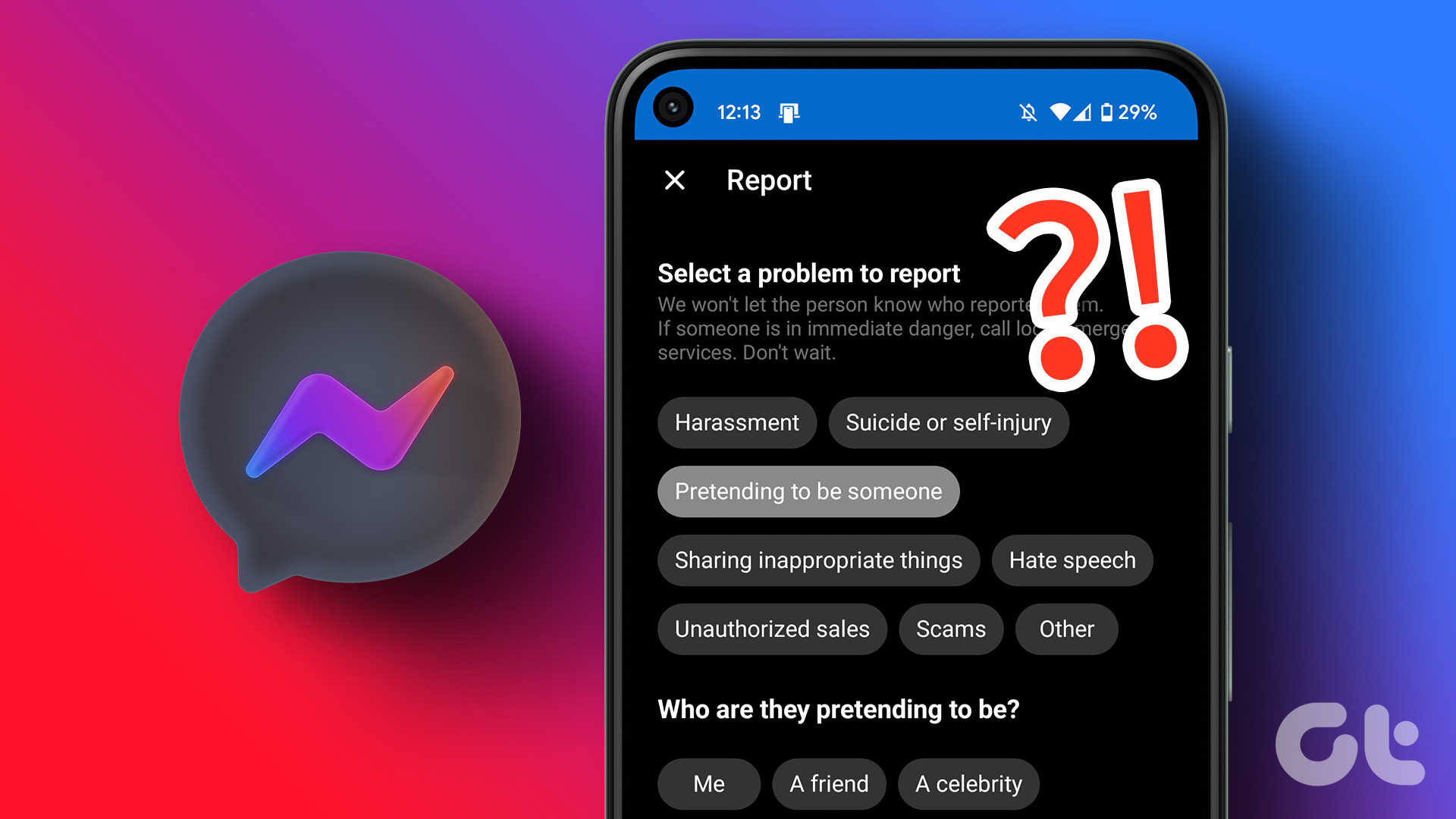
Impersonation: An account pretending to be someone else, whether a public figure, a friend, or a business, with the intent to deceive or mislead. This often involves using stolen profile pictures and biographical information.
-
Nudity or Sexual Content: Content depicting graphic sexual acts, non-consensual sharing of intimate images, or child exploitation material. Instagram has a strict policy against nudity, with very few exceptions (e.g., breastfeeding, post-mastectomy scarring, artistic nudity in specific contexts). Child exploitation material is treated with zero tolerance and reported to law enforcement.
-
Intellectual Property Infringement: Posting content (photos, videos, music) that you do not own or have permission to use, infringing on copyright or trademark laws.
-
Violence or Incitement to Violence: Content that glorifies violence, promotes terrorism, or incites harm against individuals or groups. This includes graphic depictions of violence, credible threats, and the promotion of self-harm.
-
Scams and Fraud: Attempts to defraud users through deceptive schemes, fake giveaways, or phishing attempts aimed at stealing personal or financial information.
Understanding these categories is crucial, as it helps users select the most appropriate reason, which in turn streamlines the review process for Instagram’s moderation teams.
Steps to File a Report
The technical process of reporting is designed to be intuitive:
-
Navigate to the content or profile: Whether it’s a specific post, comment, story, live video, or an entire user profile, locate the offending element.
-
Access the reporting option:
-
For a post or story: Tap the three dots (…) in the upper right corner.
-
For a comment: Swipe left on the comment (iOS) or tap and hold (Android).
-
For an account: Go to the profile page and tap the three dots (…) in the upper right corner.
-
-
Select “Report”: This will open a menu of options.
-
Choose a reason: You’ll be presented with a tiered list of reasons, starting with broad categories (e.g., “It’s spam or a scam,” “It’s inappropriate”) and then narrowing down to specific violations (e.g., “Nudity or sexual activity,” “Hate speech or symbols,” “Harassment or bullying”). The more specific you can be, the better.
-
Provide additional details (optional but recommended): For certain types of reports, Instagram may prompt you for more information, such as the specific individual being harassed or details about a scam. This context can be vital for the moderators.
-
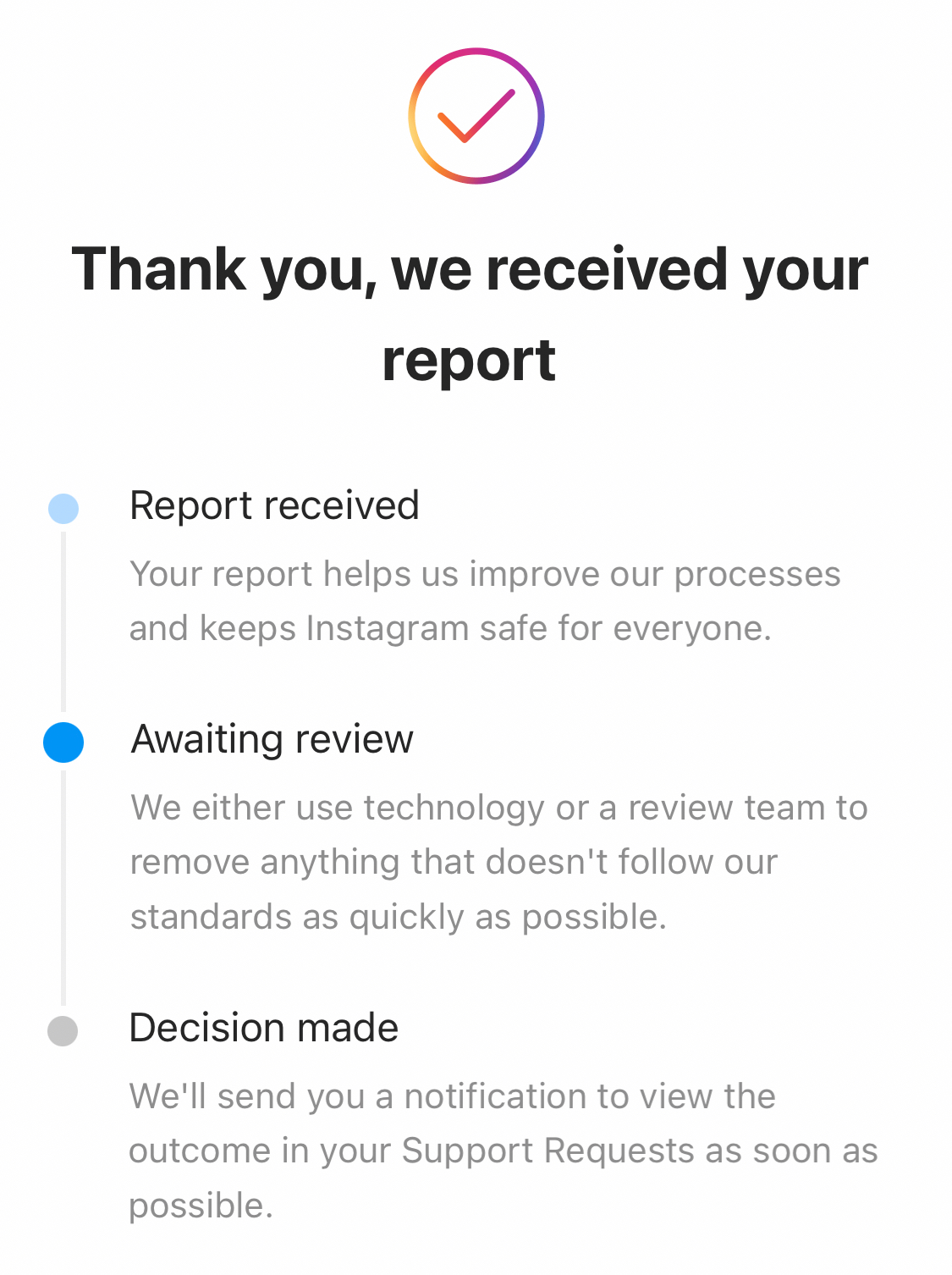
Submit the report: Once submitted, Instagram confirms that the report has been received and will be reviewed.
Anonymity and Privacy
A critical aspect of the reporting mechanism is user anonymity. When you report an account or content, the reported user is never informed of who filed the report. Your identity remains confidential. This protection is fundamental, as it encourages users to report violations without fear of retaliation, which is especially important in cases of harassment or bullying. Instagram prioritizes the safety and privacy of the reporting individual above all else.
Behind the Scenes: Instagram’s Review Mechanism
Once a report is submitted, it enters a sophisticated system designed to efficiently and accurately assess the reported content against Instagram’s stringent Community Guidelines. This backend process involves a combination of cutting-edge artificial intelligence and dedicated human expertise.
Automated vs. Human Review
Instagram receives millions of reports daily, making purely human review an insurmountable task. Therefore, a multi-layered approach is employed:
-
AI-driven Triage: The initial stage often involves artificial intelligence and machine learning algorithms. These systems are trained on vast datasets of previously moderated content and can identify patterns associated with common violations like spam, nudity, or graphic violence. AI can rapidly detect and remove high-volume, clear-cut violations, such as bot accounts spreading spam or explicit imagery, often before human eyes even see them. This automated filtering significantly reduces the workload on human moderators, allowing them to focus on more nuanced and complex cases.
-
Human Moderation: Reports that are more complex, context-dependent, or fall into categories where AI might struggle (e.g., hate speech with coded language, subtle forms of harassment, or content requiring cultural context) are escalated to human content moderators. These moderators are trained professionals, often working in teams around the globe, capable of reviewing content in various languages and understanding diverse cultural nuances. They apply the Community Guidelines with human judgment, considering the intent, context, and potential impact of the reported content. Instagram often employs a “second pair of eyes” approach for contentious decisions to ensure consistency and accuracy.
The Moderation Guidelines
At the heart of every review, whether automated or human, are Instagram’s Community Guidelines. These comprehensive rules dictate what is and isn’t allowed on the platform. Moderators are rigorously trained on these guidelines and receive continuous updates as policies evolve to address new threats and societal changes. The guidelines cover a wide array of topics, from respecting intellectual property and combating hate speech to promoting authentic expression and ensuring child safety. Consistency in applying these guidelines across billions of users and countless pieces of content is a monumental challenge that Instagram continually strives to improve.
Prioritization and Triage
Not all reports are treated equally or require the same urgency. Instagram’s system prioritizes reports based on several factors:
-
Severity of Violation: Reports concerning child exploitation, credible threats of violence, self-harm, or terrorism receive immediate attention and are escalated to specialized teams, often involving law enforcement liaison.
-
Number of Reports: Content or accounts reported by multiple users simultaneously often indicates a potentially widespread issue and may be prioritized for review. While a single report is sufficient, multiple reports can signal a larger problem.
-
Type of Content: Certain types of content, such as live videos or stories, which are ephemeral, may receive higher priority to prevent their wider dissemination before they disappear.
-
Reporting User’s History: While not explicitly stated, it’s plausible that reports from users with a history of accurate reporting might be weighted differently or used to help train AI models.
This prioritization system ensures that the most harmful content is addressed as quickly as possible, mitigating its potential impact on the community.
Potential Outcomes and Enforcement Actions
The outcome of a report is not always immediately visible to the reporting user, nor does it always result in the permanent removal of an account. Instagram employs a range of enforcement actions tailored to the severity and frequency of the violation.
Account and Content Removal
For severe or repeated violations, Instagram’s most definitive action is the removal of content or the suspension/deletion of an entire account:
-
Content Removal: Individual posts, stories, comments, or DMs found to violate guidelines are removed. The reported user receives a notification detailing which content was removed and why, often referencing the specific guideline violated.
-
Account Suspension/Deletion: For egregious violations (e.g., child exploitation, terrorism promotion, severe hate speech) or a pattern of repeated, less severe violations, an account may be temporarily suspended or permanently deleted. This is typically reserved for instances where an account demonstrably harms the community or repeatedly ignores warnings.
Warnings and Strikes
For less severe or first-time offenses, Instagram often takes an educational approach rather than immediate removal:
-
Warnings: The reported user might receive a warning message from Instagram, explaining the violation and reminding them of the Community Guidelines. This serves as an educational opportunity and a deterrent.
-
Strikes: Instagram operates a “strikes” system, though the exact number leading to account deletion is not publicly disclosed and can vary depending on the severity of the violations. Accumulating strikes, especially for similar types of violations, indicates a pattern of non-compliance and increases the likelihood of more severe penalties, including temporary blocks (e.g., inability to post for a set period) or permanent account loss. Each strike typically comes with a detailed explanation of the violation.
Appeals Process
Instagram understands that mistakes can happen. If an account believes their content or account was removed in error, they have the right to appeal the decision:
-
Filing an Appeal: Users can typically appeal through the app within a specific timeframe (e.g., 30 days) after receiving a violation notification. They are usually asked to provide additional context or an explanation for why they believe the decision was incorrect.
-
Re-review by Human Team: Appeals are typically reviewed by a human team (often different from the initial review team) to ensure a fresh perspective. If the appeal is successful, the content or account is reinstated, and the strike (if any) is removed. The appeals process is a crucial safeguard, demonstrating Instagram’s commitment to fairness and accuracy in its moderation efforts.
No Action Taken
It’s important to acknowledge that not every report results in a visible action. There are several reasons why a report might not lead to content removal or account suspension:
-
No Violation Found: The reported content or account might be offensive or disagreeable to the reporting user but does not, upon review, violate Instagram’s Community Guidelines. For instance, differing opinions or content that is merely unpopular without crossing the line into hate speech or harassment.
-
Insufficient Evidence: The report might lack sufficient evidence for Instagram to take action. This is where providing specific details and context in your initial report can be very helpful.
-
Ongoing Investigation: In some cases, action might be pending while Instagram gathers more information or conducts a broader investigation, especially for complex or high-profile cases.
When no action is taken, the reporting user receives a notification stating that the reported content was reviewed and found not to violate the guidelines. While this can be frustrating, it reinforces the principle that Instagram’s actions are governed by its stated rules, not personal preferences.
The Broader Impact: Maintaining a Safe Digital Ecosystem
The reporting mechanism is more than just a tool for individual user protection; it is a fundamental component of Instagram’s broader strategy to cultivate a safe, inclusive, and positive digital ecosystem. Its efficacy has far-reaching implications for user trust, platform integrity, and the continuous evolution of content moderation.
User Empowerment and Community Trust
By providing a clear and anonymous reporting channel, Instagram empowers its users to be active participants in maintaining a healthy community. This sense of agency fosters a greater degree of trust in the platform’s commitment to safety. Users are more likely to engage authentically when they feel protected from harassment, abuse, and harmful content. Each successful report reinforces this trust, demonstrating that user feedback is valued and impactful. Conversely, an unresponsive or ineffective reporting system erodes trust, leading to user disengagement and a potential decline in community health.
Challenges in Content Moderation
Despite advanced AI and dedicated human teams, content moderation on a platform the size of Instagram is fraught with challenges:
-
Scale and Volume: The sheer volume of content (billions of posts, stories, comments) makes it incredibly difficult to catch every single violation, especially as new content is uploaded every second.
-
Nuance and Context: Language, humor, sarcasm, and cultural references can vary wildly across different regions and communities. What is acceptable in one context might be deeply offensive in another, requiring moderators to make complex, subjective judgments. AI, while improving, still struggles with this level of nuance.
-
Evolving Harms: Malicious actors constantly devise new ways to circumvent guidelines, from using coded language and symbols to exploiting new platform features. This necessitates continuous adaptation and iteration of Instagram’s policies and detection tools.
-
Moderator Well-being: Reviewing vast amounts of potentially disturbing content takes a significant toll on the mental health of human moderators, a challenge Instagram and its parent company, Meta, are continually working to address through support systems and technological improvements.
Continuous Improvement
Recognizing these challenges, Instagram is perpetually investing in and refining its content moderation capabilities. This includes:
-
AI Advancement: Ongoing development of more sophisticated AI models capable of detecting subtle violations, understanding context, and working across multiple languages.
-
Policy Updates: Regular reviews and updates to Community Guidelines to address emerging harms, societal changes, and feedback from civil society organizations and user groups.
-
Transparency and Reporting: Providing more clarity to users about moderation decisions and the reporting process, including status updates on reports and reasons for actions taken.
-
Partnerships: Collaborating with experts in child safety, counter-terrorism, and mental health to enhance policies and tools.
Conclusion
The reporting mechanism on Instagram is a sophisticated, multi-layered system that marries artificial intelligence with human judgment to uphold the platform’s Community Guidelines. While no system is flawless, it represents Instagram’s active commitment to fostering a safe and respectful digital environment. From the moment a user identifies a violation and submits a report, a cascade of automated and human review processes is initiated, culminating in a range of possible outcomes, from content removal and account suspension to educational warnings.
Understanding “what happens when you report an account on Instagram” demystifies this critical function, empowering users to actively contribute to the platform’s safety. It highlights that every report, regardless of its immediate visible outcome, plays a vital role in Instagram’s ongoing effort to combat harmful content and maintain the trust of its global community. As Instagram continues to evolve, so too will its moderation tools and policies, all geared towards the singular goal of ensuring a positive and secure experience for everyone.
aViewFromTheCave is a participant in the Amazon Services LLC Associates Program, an affiliate advertising program designed to provide a means for sites to earn advertising fees by advertising and linking to Amazon.com. Amazon, the Amazon logo, AmazonSupply, and the AmazonSupply logo are trademarks of Amazon.com, Inc. or its affiliates. As an Amazon Associate we earn affiliate commissions from qualifying purchases.