
Boiling water, at its core, is a phase transition – the transformation of liquid water into gaseous steam. This seemingly simple process, observed daily in kitchens worldwide, underpins a vast array of sophisticated technologies that drive industries, enable critical medical procedures, and enhance our daily lives. Far from a mere domestic chore, understanding “what happens when you boil water” unlocks insights into energy transfer, material science, and automation, making it a pivotal concept within the realm of technology. This article explores the technological dimensions of boiling water, from the mechanisms that facilitate it to its extensive applications and future innovations.

The Fundamental Science: A Prelude to Technological Advancement
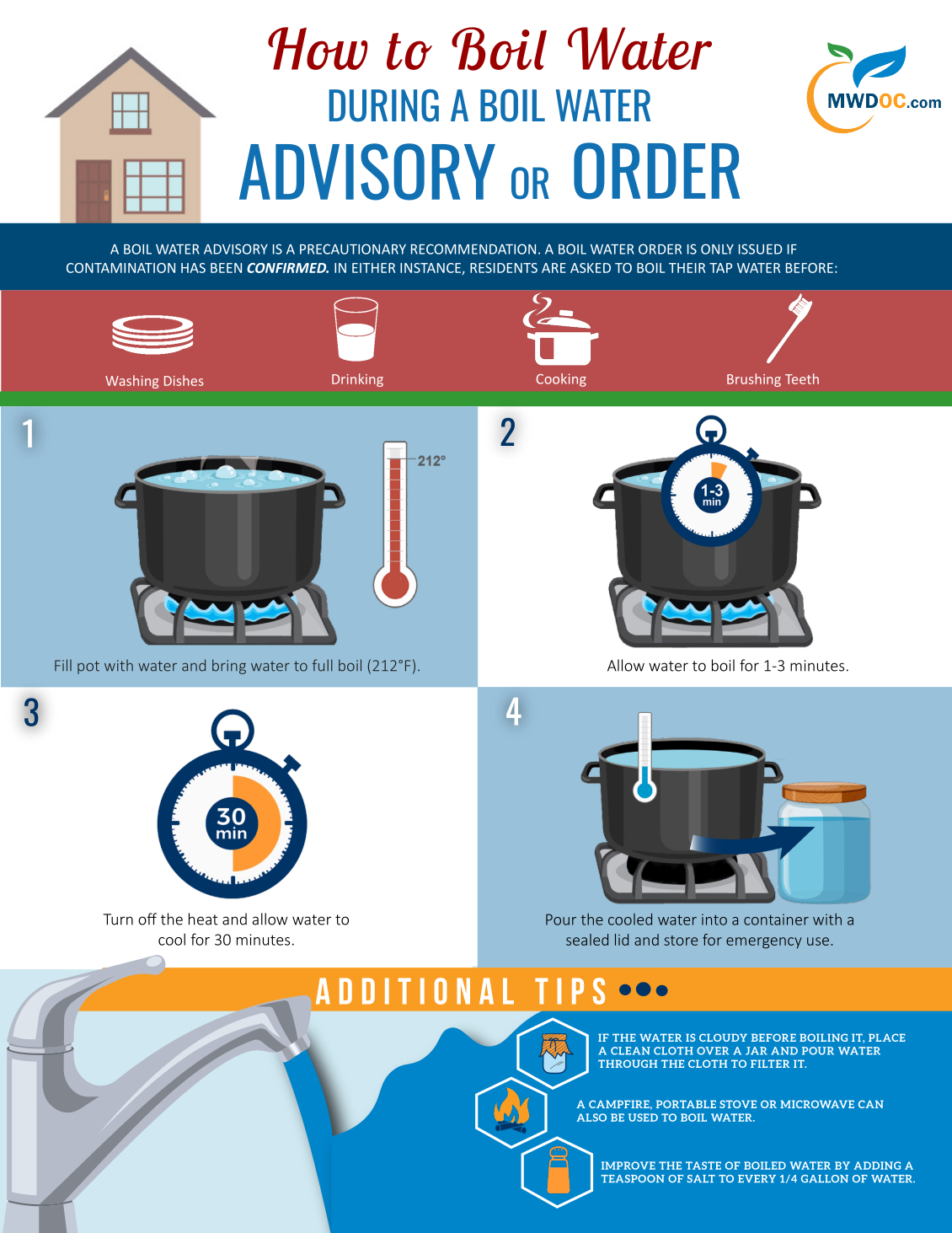
Before delving into the technological applications, it’s crucial to appreciate the scientific principles that govern water boiling. Technology often seeks to control, optimize, or harness natural phenomena, and boiling is no exception. At standard atmospheric pressure, water boils at 100 degrees Celsius (212 degrees Fahrenheit). This is the point where water molecules gain sufficient kinetic energy to overcome the intermolecular forces holding them in a liquid state, allowing them to escape as vapor.
Understanding Phase Change for Engineering Solutions
The concept of phase change is central to engineering solutions involving heat. When water boils, it absorbs a significant amount of latent heat of vaporization without a corresponding increase in temperature. This unique property makes steam an incredibly efficient medium for transferring thermal energy. Technologies leverage this capacity for rapid heat absorption and release in systems ranging from heat exchangers in power plants to the internal workings of a pressure cooker. Engineers continuously seek to manipulate these phase change dynamics to improve efficiency, whether in cooling systems (where the opposite—condensation—is key) or in heating applications.
The Energy Dynamics of Boiling
From a technological standpoint, the energy dynamics of boiling are paramount. The amount of energy required to bring water to its boiling point and then convert it into steam (known as enthalpy) is substantial. This energy requirement directly impacts the design and efficiency of devices. Modern technologies aim to minimize energy waste during this process. For instance, the insulation in an electric kettle, the material composition of a saucepan, or the targeted heating zones of an induction hob are all technological responses to efficiently deliver energy to water and initiate boiling, while minimizing heat loss to the surroundings. The drive for energy efficiency in boiling is not just about cost savings, but also about reducing the environmental footprint associated with energy generation.
Modern Technologies for Efficient Water Boiling
The evolution of water boiling devices reflects a continuous pursuit of speed, safety, and energy efficiency. What once involved a pot over an open fire has transformed into a sophisticated ecosystem of smart appliances and precision heating systems.
Electric Kettles: Speed, Safety, and Smart Features
The electric kettle stands as a prime example of a specialized technology for water boiling. Unlike stovetop methods, electric kettles integrate heating elements directly into the device, submerging them in or placing them beneath the water reservoir. Key technological advancements include:
-
Rapid Boil Elements: Utilizing high wattage (typically 1.5 kW to 3 kW) nichrome heating elements, these kettles rapidly transfer electrical energy into thermal energy, significantly reducing boiling times compared to stovetop methods.
-
Automatic Shut-off: A critical safety feature, modern kettles incorporate bimetallic strips or electronic sensors that detect steam or temperature thresholds. When boiling is achieved, or if the kettle boils dry, a circuit breaker automatically cuts power, preventing overheating and potential hazards.
-
Variable Temperature Control: Advanced electric kettles offer digital temperature settings, allowing users to select specific temperatures below boiling (e.g., for different types of tea or coffee). This involves precise thermistor sensors and microcontrollers to maintain the desired temperature, showcasing sophisticated feedback loop technology.
-
Smart Integration: The advent of the Internet of Things (IoT) has brought smart kettles that can be controlled via smartphone apps, allowing users to schedule boiling, adjust temperatures remotely, or even integrate with smart home assistants, turning a simple appliance into a connected device.
Induction Cooktops: Precision and Energy Conservation
Induction cooktops represent a leap in heating technology, offering unparalleled efficiency and control for boiling water and other cooking tasks. Instead of using resistive heating elements or gas flames, induction technology uses electromagnetic fields:
-
Electromagnetic Heating: A copper coil beneath the ceramic surface generates an oscillating magnetic field when electricity passes through it. When a ferromagnetic pot or pan is placed on the hob, this field induces eddy currents within the pot’s base.
-
Direct Heat Transfer: The electrical resistance of the pot material converts these eddy currents into heat within the pot itself, directly heating its contents. This direct energy transfer bypasses the need to heat the cooktop surface first, making induction remarkably efficient (often 85-90% efficient compared to 40-50% for gas and 65-70% for electric coil).
-
Precision Control: Induction hobs offer instant, precise temperature adjustments, akin to gas but with even greater fine-tuning. This allows for rapid boiling, immediate simmering, and controlled heating, all managed electronically.
-
Safety Features: The absence of an exposed flame or glowing heating element significantly enhances safety. The cooktop surface itself does not become intensely hot unless heated by the pot, and often includes features like automatic pan detection and overheat protection.
The Role of IoT and Smart Home Integration
Beyond dedicated boiling devices, the broader trend of IoT and smart home technology is influencing how we manage and utilize hot water. Smart water heaters, for instance, can optimize heating schedules based on household demand patterns, weather forecasts, and even electricity tariffs, reducing energy consumption and cost. Sensors embedded in plumbing systems can detect leaks or unusual water usage patterns, preventing waste. While not directly “boiling,” these technologies represent the intelligent management of hot water generation, a direct extension of the principles applied to boiling.

Industrial and Commercial Applications Beyond the Kitchen
The technological utility of boiling water extends far beyond domestic use. In industrial and commercial sectors, steam generated from boiling water is a fundamental resource, driving machinery, sterilizing equipment, and facilitating countless chemical processes.
Steam Power Generation: The Foundation of Modern Energy
Perhaps the most significant industrial application of boiling water is in steam power generation. From coal-fired power plants to nuclear reactors and concentrated solar power (CSP) facilities, the principle remains the same:
-
Boilers and Heat Exchangers: Water is heated in massive industrial boilers, often by burning fossil fuels, nuclear fission, or concentrating solar energy, to produce high-pressure, high-temperature steam.
-
Turbine Operation: This superheated steam is then directed through turbines. The immense pressure of the steam causes the turbine blades to spin at very high speeds.
-
Electricity Generation: The rotating turbines are connected to generators, which convert mechanical energy into electrical energy, feeding power grids worldwide.
-
Condensation and Reuse: After passing through the turbine, the spent steam is cooled and condensed back into liquid water, which is then pumped back to the boiler, creating a continuous, closed-loop system for maximum efficiency.
This technology, refined over centuries, remains the backbone of global electricity production.
Sterilization and Sanitation in Healthcare and Manufacturing
Boiling water, specifically in its steam form, is an exceptionally effective sterilizing agent due to its ability to transfer latent heat rapidly and thoroughly.
-
Autoclaves in Healthcare: Hospitals and laboratories use autoclaves, which are pressure chambers designed to expose items to saturated steam at high temperatures (typically 121–134 °C or 250–273 °F) for a specified duration. This process effectively kills bacteria, viruses, fungi, and spores, making it indispensable for sterilizing surgical instruments, lab equipment, and pharmaceutical products.
-
Food and Beverage Processing: In the food industry, boiling and steam are used for pasteurization, sterilization of packaging, and cooking. The ability of steam to quickly penetrate and heat products makes it ideal for ensuring food safety and extending shelf life.
-
Industrial Cleaning: High-pressure steam cleaners are used across various industries to clean and sanitize machinery, surfaces, and environments without the need for harsh chemicals, demonstrating both efficacy and environmental benefits.
Chemical Processing and Distillation Technologies
Many chemical processes rely on the precise control of temperature and phase changes, with boiling playing a crucial role.
-
Distillation: This separation technique relies on differences in boiling points to separate components of a liquid mixture. In industries like petroleum refining, alcohol production, and desalination, large-scale distillation columns boil mixtures to vaporize components selectively, which are then condensed and collected.
-
Reactors and Heat Transfer: In chemical reactors, maintaining specific temperatures is critical for reaction kinetics. Jacketed reactors often use steam as a heating medium due to its consistent temperature and efficient heat transfer properties.
-
Desalination Plants: Boiling seawater to produce fresh water (thermal distillation) is a long-established desalination method. While energy-intensive, technological advancements in multi-stage flash distillation and multi-effect distillation aim to reduce the energy footprint by recovering latent heat, making the process more viable in water-stressed regions.
Innovations and Future Trends in Boiling Technology
The pursuit of better, more efficient, and more sustainable ways to boil water continues to drive technological innovation. From advanced materials to novel heating methods, the future of boiling technology promises exciting developments.
Advanced Materials and Heat Transfer Solutions
Research into new materials is leading to more efficient heating elements and boiling surfaces.
-
Nanocoatings: Developing surfaces with specific micro- and nanostructures can significantly enhance heat transfer efficiency during boiling (boiling heat transfer enhancement). These specialized surfaces can promote nucleation (the formation of bubbles) and reduce superheating, allowing water to boil more easily and with less energy input.
-
Phase Change Materials (PCMs): While not directly boiling water, PCMs are being integrated into thermal energy storage systems. They absorb and release large amounts of latent heat during their own phase transitions, which can then be used to pre-heat water or maintain temperature, indirectly improving the overall energy efficiency of hot water systems.
-
Graphene-based Heaters: Graphene’s exceptional thermal and electrical conductivity makes it a candidate for future ultra-efficient heating elements, potentially leading to faster and more energy-efficient boiling appliances.
Sustainable Boiling: Reducing Energy Footprints
Sustainability is a major driver of innovation. Technologies are being developed to reduce the energy consumption associated with boiling and to utilize renewable energy sources.
-
Heat Recovery Systems: In industrial settings, technologies that capture and reuse waste heat from steam condensation or other processes are becoming increasingly important. This ‘repurposed’ heat can pre-heat incoming water or drive other thermal processes, drastically improving overall energy efficiency.
-
Renewable Energy Integration: Solar thermal collectors can directly heat water to boiling or near-boiling temperatures for domestic or industrial use, reducing reliance on fossil fuels. Geothermal energy is also being harnessed to provide a continuous source of heat for various applications, including large-scale water heating and steam generation.
-
Vacuum Boiling: Boiling under reduced pressure lowers the boiling point of water. While often energy-intensive in terms of maintaining vacuum, this principle is being explored for specific industrial processes or low-temperature evaporation where sensitive materials are involved.
Precision Control for Niche Applications
The demand for precise temperature control extends beyond the kitchen to highly specialized fields.
-
Laboratory and Pharmaceutical Processes: Scientific research and drug manufacturing often require extremely precise and consistent temperatures for reactions, mixing, and sterilization. Advanced microcontrollers, sophisticated sensors, and software algorithms are developed to ensure exact boiling parameters, crucial for reproducibility and product integrity.
-
Specialized Food Preparation: Beyond basic boiling, professional kitchens and food scientists use sous vide techniques, which involve precise temperature control below boiling to cook food gently. While not boiling, the underlying technology of precise heating and temperature maintenance directly relates to the advancements seen in smart kettles and induction systems.
-
Microfluidics and MEMS: In micro-scale devices (MEMS – Micro-Electro-Mechanical Systems) and microfluidic labs, boiling and phase change phenomena are manipulated at very small scales for applications like micro-cooling, drug delivery systems, and lab-on-a-chip devices, where tiny amounts of liquid are precisely heated and vaporized.
The act of boiling water, seemingly simple, is a cornerstone of modern technology. From the ubiquitous electric kettle to the colossal turbines generating electricity, the scientific principles of phase change and energy transfer have been harnessed and refined through continuous innovation. As we push for greater efficiency, sustainability, and precision, our understanding of “what happens when you boil water” will continue to inspire new technological advancements, shaping industries, improving health, and enhancing our interconnected world.
aViewFromTheCave is a participant in the Amazon Services LLC Associates Program, an affiliate advertising program designed to provide a means for sites to earn advertising fees by advertising and linking to Amazon.com. Amazon, the Amazon logo, AmazonSupply, and the AmazonSupply logo are trademarks of Amazon.com, Inc. or its affiliates. As an Amazon Associate we earn affiliate commissions from qualifying purchases.