
David Cassidy was more than just a pop star; he was a cultural phenomenon, an icon whose meteoric rise to fame in the early 1970s captivated millions. His journey, from teen idol to respected performer and ultimately, a figure whose later struggles became public knowledge, offers a compelling and often poignant case study in the complexities of personal branding. For anyone interested in the creation, management, and enduring legacy of a public persona, Cassidy’s life provides invaluable insights into the power of image, the challenges of authenticity, and the relentless pressure of living under the spotlight. This article delves into “what happened with David Cassidy” through the lens of personal branding, exploring how his brand was forged, the hurdles he faced in reshaping it, and the lasting lessons his story imparts.
The Genesis of an Icon: Crafting the Teen Idol Brand
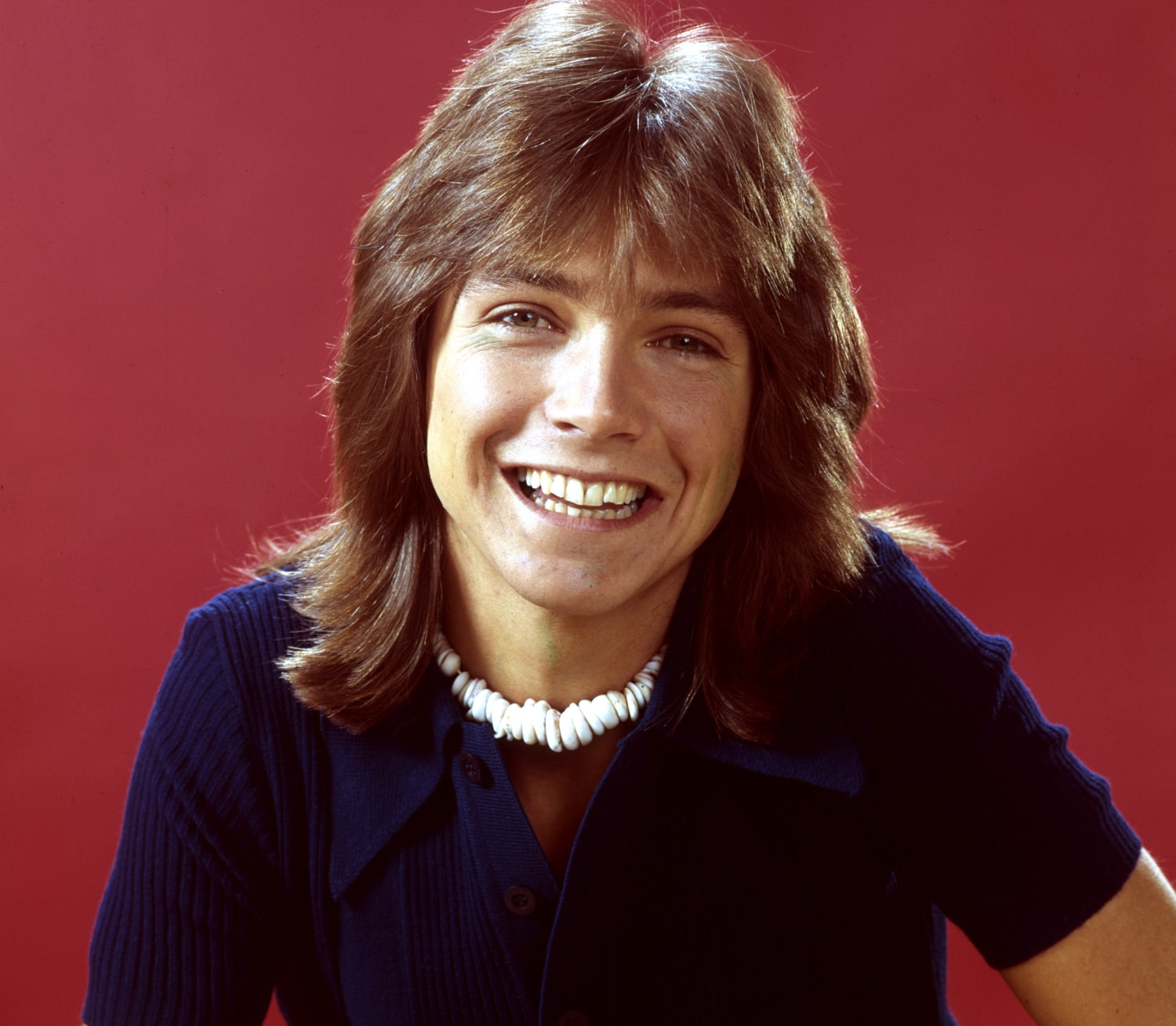
The rapid ascent of David Cassidy’s brand was a masterclass in organic, yet incredibly potent, personal branding. It wasn’t meticulously planned by an army of strategists but rather emerged from a confluence of talent, timing, and an almost accidental vehicle that catapulted him into the global consciousness. His brand became synonymous with wholesome charm, youthful rebellion, and irresistible magnetism—qualities that resonated deeply with a generation of young fans.
The Partridge Family: An Unintended Branding Masterstroke
Cassidy’s journey to stardom began with his role as Keith Partridge in the musical sitcom The Partridge Family (1970-1974). What started as a television show quickly transformed into an unparalleled branding platform. The show itself presented a meticulously curated image: a loving, musically talented family touring in a psychedelic bus. As the lead singer and heartthrob of the fictional band, Cassidy was positioned as the charismatic focal point. His boy-next-door good looks, combined with a seemingly wholesome yet subtly edgy persona, created a brand image that was instantly aspirational and deeply desirable for millions of teenagers. The brand was clean, appealing, and accessible, making him a safe fantasy for parents and an irresistible crush for their children. This television vehicle inadvertently built the foundation of one of the most powerful teen idol brands in history, establishing trust and familiarity with an enormous audience even before his solo music career truly took off.
Music and Merchandising: Amplifying the Image
The synergy between The Partridge Family and Cassidy’s music career was the engine that amplified his personal brand to unprecedented levels. The songs performed on the show, many featuring Cassidy’s lead vocals, were released as actual singles and albums, blurring the lines between fiction and reality. Hits like “I Think I Love You” not only topped charts globally but also solidified his image as a genuine musical talent, not just an actor. Beyond music, his brand expanded into a merchandising empire. Posters, lunchboxes, fan magazines, and countless other items bearing his image flooded the market. This omnipresence ensured that the David Cassidy brand was inescapable, transforming him from a TV character into a ubiquitous presence in the lives of his fans. The consistent visual identity and musical messaging across all these touchpoints reinforced a singular, powerful brand message: David Cassidy, the ultimate teen idol.
The Global Phenomenon: The Power of Mass Appeal
Cassidy’s brand transcended national borders, making him a truly global phenomenon. His concerts drew unprecedented crowds, particularly in the UK, where “Cassidymania” reached fever pitch. The sheer scale of his popularity demonstrated the incredible power of a well-defined and emotionally resonant personal brand. His image and music spoke a universal language of youth, love, and rebellion, making him relatable to diverse audiences worldwide. This global reach wasn’t just about record sales; it was about cult status, a brand identity so strong that it fostered intense loyalty and adoration from a geographically dispersed fanbase. The emotional connection fans felt to the David Cassidy brand was a testament to its expertly, albeit perhaps unintentionally, crafted narrative and appeal.
The Double-Edged Sword: Navigating Brand Identity and Authenticity
While the teen idol brand brought immense fame and success, it also proved to be a gilded cage for David Cassidy. The very image that propelled him to stardom became a significant hurdle when he sought artistic and personal growth. His story highlights a critical challenge in personal branding: the tension between a public persona and the individual’s evolving authentic self.
The Caged Bird Syndrome: Breaking Free from the Mold
As Cassidy matured, his desire to be seen as a serious artist and an adult clashed dramatically with the innocent, youthful image his brand had cultivated. He famously posed nude for Rolling Stone in 1972 in an attempt to shatter the teen idol stereotype and assert his individuality. This move, while controversial, was a desperate plea for brand redefinition. He was trying to communicate: “I am more than just Keith Partridge.” However, deeply ingrained brand perceptions are incredibly difficult to dislodge, especially when built on such a powerful and pervasive foundation. The public and industry found it hard to see beyond the image they had invested in, leading to what can be described as a “caged bird syndrome”—his authentic self struggling against the confines of a manufactured public identity.
Post-Partridge Predicaments: The Challenge of Rebranding
Following the end of The Partridge Family, Cassidy faced the daunting task of a complete brand overhaul. This period is a classic example of the challenges inherent in rebranding a public figure whose initial identity was so strong. He experimented with different musical styles, pursued acting roles that departed from his wholesome image, and generally tried to distance himself from his past. However, the shadow of the teen idol loomed large. Fans struggled to accept a new version of David Cassidy, and critical reception often compared his new work unfavorably to his iconic past. The lesson here is profound: a successful initial brand can be a heavy anchor when attempting to navigate new waters. Without a clear, strategic, and consistently communicated rebranding effort, an established image can become a permanent label, hindering future growth and acceptance.
Authenticity vs. Expectation: The Internal Branding Conflict

Cassidy’s life became a poignant illustration of the internal conflict between an individual’s authentic self and public expectations of their brand. He spoke openly about feeling stifled by his image, expressing frustration that his true artistic ambitions and personal maturity were often overlooked in favor of the nostalgic ideal. This disconnect between internal authenticity and external perception is a common pitfall for many public figures. When a personal brand is not genuinely aligned with the individual, it can lead to emotional distress, professional stagnation, and ultimately, a sense of inauthenticity that can eventually erode trust with the audience. Cassidy’s struggles with substance abuse and financial difficulties in later life, though complex, can be viewed in part through the lens of this profound internal branding conflict—the pressure to maintain an image while battling the reality of a different, more complex personal truth.
Reinvention and Resilience: The Evolving Cassidy Brand
Despite the inherent difficulties of moving beyond his initial brand, David Cassidy demonstrated remarkable resilience and a capacity for reinvention throughout his career. His journey illustrates that while some brand elements are immutable, strategic adaptation and leveraging core strengths can allow a personal brand to evolve and endure.
Las Vegas and Broadway: Strategic Niche Rebranding
Recognizing the difficulty of competing in mainstream pop as an aging teen idol, Cassidy strategically pivoted his brand towards live performance in niche markets. His long-running residency in Las Vegas and successful stints on Broadway in shows like Blood Brothers were shrewd rebranding moves. In these environments, his vocal talents and stage presence could shine, appealing to a slightly older, more discerning audience who appreciated his enduring charisma and showmanship, rather than solely his youthful image. This was not a reinvention for mass appeal but a calculated shift to leverage existing skills and a loyal fanbase in new, suitable contexts. It demonstrated that successful rebranding sometimes means finding the right stage for your evolving brand, rather than trying to force it into its original mold.
Leveraging Nostalgia: The Enduring Power of a Legacy Brand
Crucially, Cassidy learned to embrace, rather than completely reject, his past. He understood the enduring power of his legacy brand. He participated in reunion tours and fan conventions, acknowledging the deep affection his original fans still held for him. This was not a step backward but a strategic embrace of nostalgia as a valuable asset. For many, his brand still represented a cherished part of their youth. By connecting with this nostalgia respectfully, he cultivated a loyal audience who would continue to support his ventures. This highlights a key aspect of legacy branding: understanding that a past brand, even one you’ve tried to shed, can be a powerful resource if managed thoughtfully, connecting with an audience’s emotional memories and offering a unique value proposition.
Public Relations and Personal Struggles: The Impact on Brand Perception
Cassidy’s later years were marked by public health issues, financial troubles, and legal challenges, all of which had an undeniable impact on his brand perception. These struggles, often playing out in the media, presented a more vulnerable and human side to the former idol. While initially damaging to a polished public image, these challenges eventually fostered a different kind of connection with his audience—one built on empathy and shared human experience. His openness about his struggles with addiction and dementia, though painful, added layers of authenticity to his brand narrative. It reminded the public that even an icon is human, battling personal demons. This shift, from aspirational idol to relatable human, complicated but also deepened his brand, generating a unique form of public compassion and understanding in his final years.
The Enduring Legacy: Lessons from a Branding Saga
David Cassidy’s life story is a rich tapestry of successes and setbacks, triumphs and tragedies. Through the lens of personal branding, his journey offers profound lessons that resonate far beyond the entertainment industry, providing a blueprint for understanding the dynamics of public image, authenticity, and enduring influence.
The Fragility of Fame: Why Personal Brands Need Constant Nurturing
Cassidy’s career vividly illustrates the inherent fragility of fame and the constant need for personal brand nurturing. An initial surge of popularity, no matter how intense, is rarely sustainable without strategic management, adaptation, and consistent effort. His struggle to transition from teen idol to adult performer underscores that a personal brand isn’t a static entity; it requires continuous evolution, introspection, and alignment with one’s authentic self. For any individual or entity building a brand, Cassidy’s story serves as a cautionary tale against complacency and a powerful reminder that neglecting brand evolution can lead to irrelevance or, worse, a crisis of identity.
Authenticity as a Brand Imperative: The Price of Disconnect
Perhaps the most poignant lesson from David Cassidy’s life is the paramount importance of authenticity in personal branding. The initial disconnect between the “Keith Partridge” image and the real David Cassidy created an internal struggle that plagued much of his career. When a public persona is too far removed from the genuine individual, it not only creates personal distress but can also lead to a lack of genuine connection with the audience over time. While the “teen idol” brand was incredibly successful, its artificial constraints ultimately hindered his long-term artistic and personal fulfillment. True, enduring brands are built on genuine values, transparent intentions, and a consistent voice that truly reflects who the individual is. The price of inauthenticity, as Cassidy’s life demonstrates, can be very high.
The Power of Story: Cassidy’s Narrative as a Branding Blueprint
Ultimately, David Cassidy’s entire life story—from his dazzling ascent to his courageous battles and his eventual passing—has become an indelible part of his brand. His narrative is a powerful blueprint for understanding the complexities of human experience under the public gaze. It encompasses themes of ambition, identity, struggle, resilience, and the relentless pursuit of self. For anyone studying personal branding, Cassidy’s story is a compelling case study not just in marketing and image creation, but in the human element behind the brand. It shows how personal experiences, even the most challenging ones, can ultimately shape and deepen a brand’s narrative, leaving a lasting impact that transcends mere celebrity.
In conclusion, “what happened with David Cassidy” is far more than a simple chronicle of a celebrity’s life; it is a profound exploration of personal branding in action. His journey offers timeless lessons on the creation of a powerful public persona, the immense challenges of evolving that identity, the critical importance of authenticity, and the enduring legacy that a well-understood, albeit complex, brand can leave on the world. His story continues to resonate, not just as a piece of pop culture history, but as a compelling case study for anyone navigating the intricate landscape of personal branding.
aViewFromTheCave is a participant in the Amazon Services LLC Associates Program, an affiliate advertising program designed to provide a means for sites to earn advertising fees by advertising and linking to Amazon.com. Amazon, the Amazon logo, AmazonSupply, and the AmazonSupply logo are trademarks of Amazon.com, Inc. or its affiliates. As an Amazon Associate we earn affiliate commissions from qualifying purchases.