
The narrative of “How I Met Your Mother” (HIMYM) captivated audiences for nine seasons, weaving a sprawling, often anachronistic tale around Ted Mosby’s quest to find true love. For nearly a decade, the show’s central enigma – the identity of “The Mother” – served as its most potent brand promise, meticulously building anticipation and fostering deep audience engagement. When Tracy McConnell, played by Cristin Milioti, finally arrived, she was not just a character; she was the culmination of a decade-long branding exercise, a strategic reveal designed to fulfill a monumental fan expectation. However, the ultimate resolution of Tracy’s story arc, particularly her untimely death, ignited a fervent debate that fundamentally challenged the show’s carefully constructed brand identity and left a complex legacy.

From a brand strategy perspective, Tracy’s journey through HIMYM offers a fascinating case study in narrative management, audience expectation, and the delicate balance between creative vision and consumer satisfaction. The “what happened to Tracy” question transcends a mere plot point; it becomes a lens through which to examine how a creative property navigates its brand promise, delivers on its core identity, and manages the potential fallout when a highly anticipated resolution deviates sharply from audience desires. This article delves into the brand implications of Tracy McConnell’s role, from her initial conceptualization as the show’s ultimate destination to the controversial ending that redefined the HIMYM brand in the eyes of many loyal viewers.
The Brand Promise: Decades of Anticipation and Identity
From its very first episode, “How I Met Your Mother” strategically positioned its central premise as a long-term brand hook: the unfolding story of how Ted Mosby met the mother of his children. This wasn’t merely a plot device; it was the core brand promise, distinguishing HIMYM from other sitcoms. The show cultivated a unique brand identity built on mystery, romantic idealism, and the promise of an epic love story.
Crafting a Decade-Long Narrative Hook
The genius of HIMYM’s initial brand strategy lay in its sustained suspense. Each season offered tantalizing clues, near-misses, and red herrings, meticulously building up the persona of “The Mother” without revealing her identity. This narrative structure effectively created a loyalty loop: viewers returned week after week, season after season, not just for the jokes and character interactions, but for the fundamental brand payoff that was always just out of reach. This sustained mystery fostered an unparalleled level of fan speculation and discussion, which served as powerful organic marketing, continuously reinforcing the show’s brand presence across various media. Fans theorized, dissected clues, and invested emotionally in the eventual revelation, turning “The Mother” into an almost mythical figure within the show’s brand mythology. The elusive nature of this character became synonymous with HIMYM’s identity – a journey towards an inevitable, perfect union.
The Character as a Brand Archetype
Before her physical introduction, “The Mother” existed as a powerful brand archetype in the collective consciousness of the audience. She was presented as Ted’s perfect match: a kind, quirky, intelligent musician who loved puns, played bass in a wedding band, and owned a yellow umbrella. These attributes, carefully revealed over many seasons, created a composite brand image for the character that was almost universally appealing to the show’s target demographic. She represented the idealized partner, the “soulmate” concept that resonated deeply with the romantic sensibilities the show championed. This archetype served as an aspirational element of the HIMYM brand, suggesting that true love, no matter how long the journey, was ultimately attainable and profoundly rewarding. The brand identity of “The Mother” was therefore not just a plot device, but a deeply ingrained emotional connection built on years of curated expectations and idealization.
The Introduction of Tracy: Fulfilling Brand Expectations
After nearly a decade of anticipation, Tracy McConnell was finally revealed and introduced into the main storyline. This was a critical moment for the HIMYM brand, as it represented the delivery on its foundational promise. The way Tracy was introduced and integrated had significant implications for audience satisfaction and the show’s continued brand equity.
The Strategic Unveiling and Audience Reception
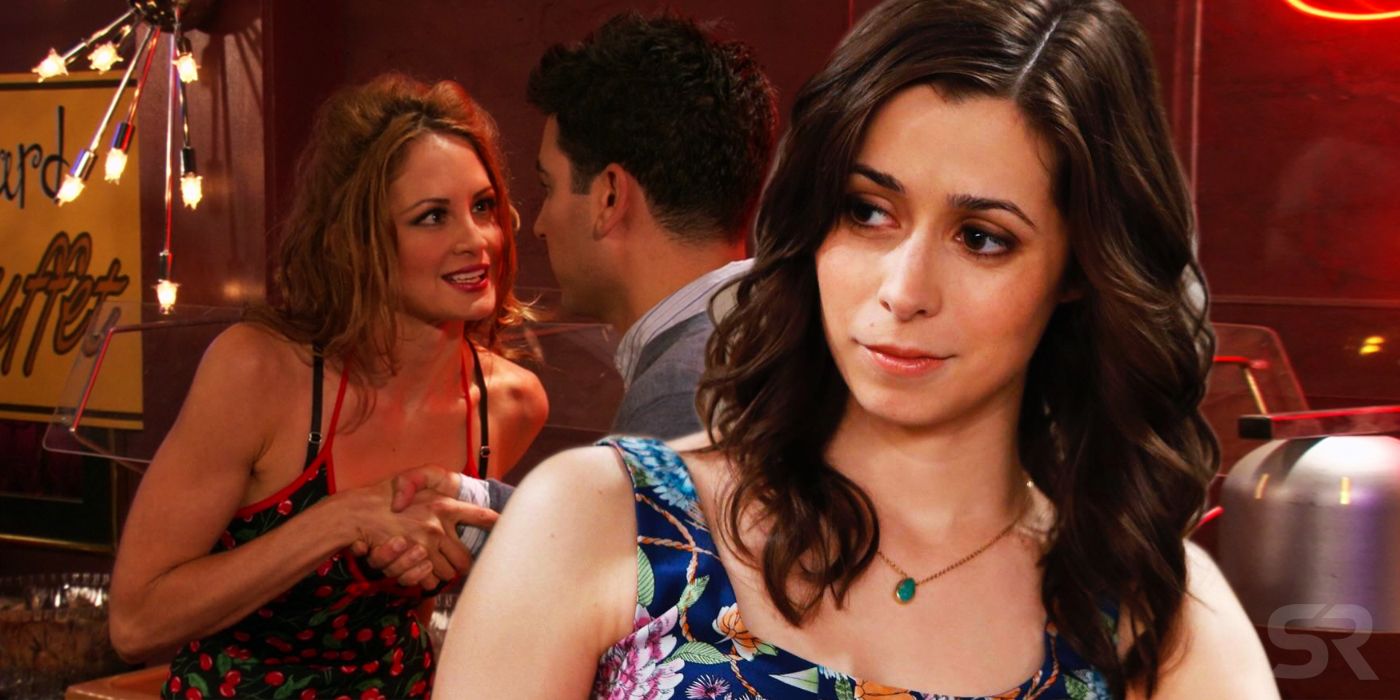
The strategic unveiling of Tracy was meticulously managed to maximize impact and ensure acceptance. Her brief appearances at the end of Season 8 and throughout Season 9 were designed to allow the audience to fall in love with her quickly, validating the long wait. Cristin Milioti’s portrayal perfectly embodied the quirky, charming, and compassionate characteristics that had been built up for “The Mother.” Her chemistry with the existing cast, particularly Ted, felt organic and authentic, quickly winning over a skeptical fanbase. This careful introduction was a masterful piece of brand execution; it successfully transitioned an abstract ideal into a tangible, beloved character without disillusioning the audience. The initial reception was overwhelmingly positive, indicating that the brand had successfully delivered on its biggest promise, strengthening its credibility and reinforcing the idea that the journey had been worth it.
Integrating a New Element into an Established Brand Identity

Integrating Tracy into the established ensemble was crucial for maintaining the show’s brand consistency and appeal. HIMYM’s brand identity was not just about Ted’s journey, but also about the dynamic of the core five friends. Tracy seamlessly blended into this group, embodying the values of friendship, loyalty, and humor that defined the show. Her personality complemented Ted’s, and her interactions with the other characters felt natural, reinforcing the idea that she was always meant to be part of their world. This integration demonstrated effective brand management: introducing a new, pivotal element without disrupting the core brand experience or alienating the existing consumer base. For a brief, shining period, it seemed the HIMYM brand had achieved a perfect equilibrium, balancing its long-term narrative ambition with immediate audience gratification, and fulfilling its promise of delivering the most epic love story.
The Controversial Ending: A Crisis in Brand Loyalty
The series finale, which revealed Tracy’s death and Ted’s eventual reunion with Robin, sparked an unprecedented level of controversy and discontent among the HIMYM fanbase. This narrative choice represented a significant departure from the brand’s established identity and ignited a crisis in brand loyalty.
Subverting Expectations and Fan Backlash
The decision to kill off Tracy and pivot back to Ted and Robin was perceived by many as a betrayal of the show’s core brand promise. For nine seasons, the narrative had explicitly taught that Robin was not “The Mother” and that Ted’s ultimate love story was with someone else. Tracy’s introduction and the subsequent season dedicated to her wedding with Ted reinforced this new reality. By reverting to the Ted-Robin dynamic, the finale effectively undermined years of storytelling, character development, and audience investment in Tracy’s character. This subversion of expectations led to immediate and intense fan backlash. Viewers felt manipulated, cheated, and disrespected, interpreting the ending as a fundamental misreading of what the show’s brand truly stood for. The outrage was widespread, dominating social media and critical discussions, severely damaging the show’s brand reputation and challenging its carefully cultivated legacy as a romantic epic.
The Impact on Brand Equity and Legacy
The controversy surrounding Tracy’s fate significantly impacted HIMYM’s brand equity. Brand equity, built on consumer trust and positive associations, was severely eroded by an ending that many found unsatisfying and contradictory. For a brand that had successfully built itself on the promise of an enduring, perfect love story, concluding with the death of the idealized partner and a return to a previously rejected romance created dissonance. This dissonance led to a re-evaluation of the entire series for many viewers. The finale retroactively colored their perception of previous seasons, making the journey feel less meaningful or even deceptive. This kind of consumer disillusionment can have lasting effects on a brand’s legacy, moving it from a beloved classic to a property with a deeply divisive conclusion. The “what happened to Tracy” question, therefore, became synonymous with the show’s contentious ending, forever marking a pivot point in how the HIMYM brand would be remembered and discussed.
Lessons in Narrative Brand Management
The saga of Tracy McConnell and the HIMYM finale offers crucial insights for any brand managing a long-term narrative or cultivating deep consumer loyalty. It highlights the complexities of balancing creative integrity with audience expectations and the profound impact of narrative choices on brand perception.
Balancing Creative Vision with Audience Expectations
The HIMYM ending demonstrates the perennial tension between a creator’s artistic vision and the expectations of their audience, who, over time, develop a sense of ownership over the brand narrative. While creators have the right to tell the story they envision, a long-running narrative brand implicitly enters into a contract with its audience. This contract involves delivering on foundational promises and evolving in ways that generally resonate with the established brand identity. When a creative vision drastically diverges from deeply ingrained audience expectations, as it did with Tracy’s death and the Ted-Robin reunion, the brand risks alienating its most loyal consumers. Effective narrative brand management requires not only a strong creative vision but also a keen understanding of the audience’s emotional investment and how radical plot choices might be perceived as a breach of trust.
The Long-Term Effects of Narrative Decisions on Brand Perception
The “what happened to Tracy” debate underscores how singular narrative decisions can have profound and lasting effects on a brand’s overall perception and legacy. For HIMYM, the finale irrevocably shaped how the show is discussed and remembered. While the series is still celebrated for its humor, heart, and innovative storytelling, the ending often overshadows these positive attributes in fan discourse. This illustrates that for narrative-driven brands, the conclusion is not merely an endpoint; it’s a critical element that recontextualizes everything that came before. A satisfying resolution can cement a brand’s place in popular culture, while a controversial one can perpetually fuel debate and potentially diminish its long-term appeal and rewatchability for a significant segment of its audience.
The story of Tracy McConnell in “How I Met Your Mother” is far more than a simple plot twist. It’s a compelling case study in brand strategy, illustrating the power of anticipation, the challenges of fulfilling immense expectations, and the critical importance of narrative consistency and audience trust. While the creators stood by their original vision, the profound fan reaction to Tracy’s fate serves as a powerful reminder that for narrative brands, the journey and its destination are inextricably linked, and the management of both profoundly shapes the brand’s enduring legacy.
aViewFromTheCave is a participant in the Amazon Services LLC Associates Program, an affiliate advertising program designed to provide a means for sites to earn advertising fees by advertising and linking to Amazon.com. Amazon, the Amazon logo, AmazonSupply, and the AmazonSupply logo are trademarks of Amazon.com, Inc. or its affiliates. As an Amazon Associate we earn affiliate commissions from qualifying purchases.