
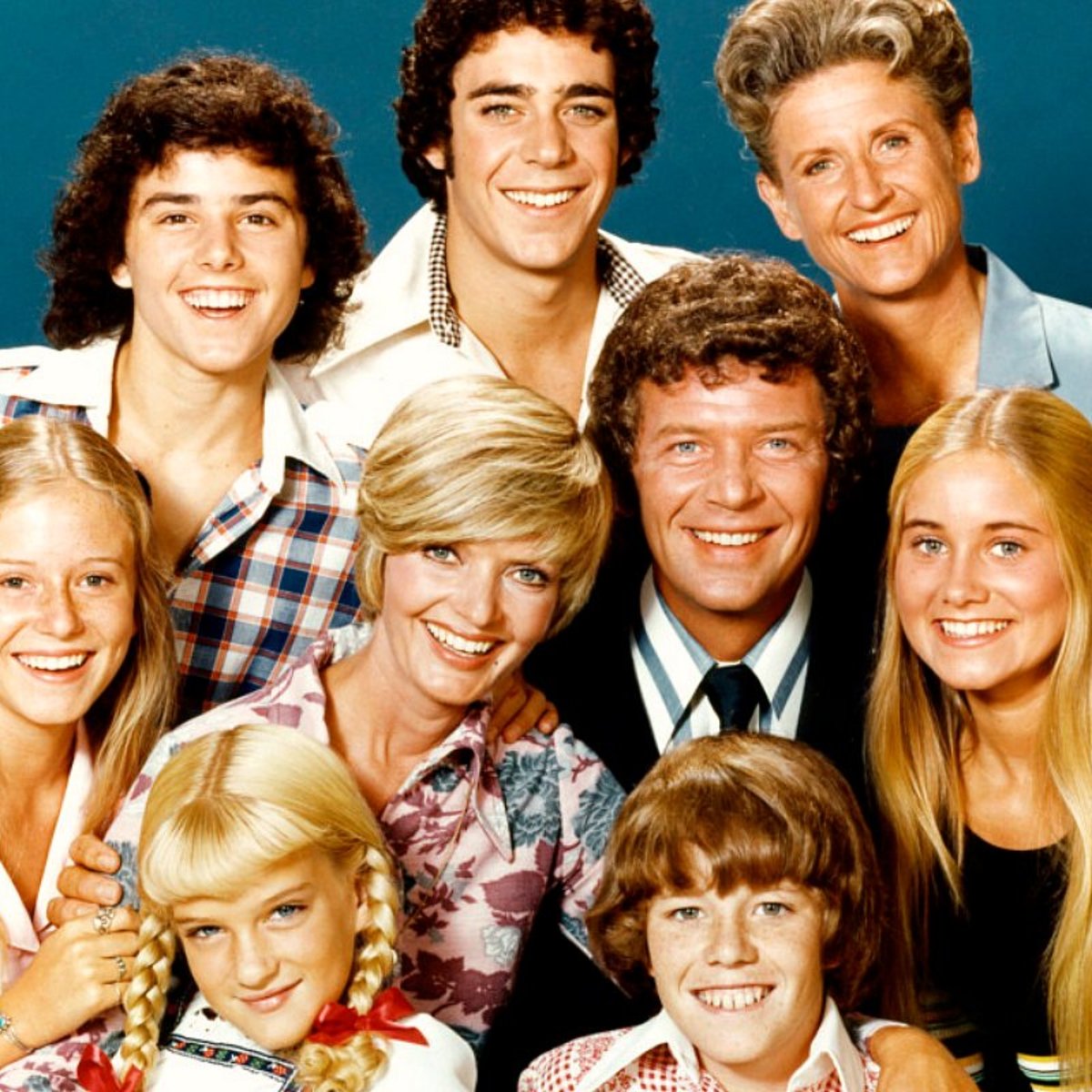
The narrative arc of public figures, particularly those who achieve widespread fame through an iconic role, offers a fascinating lens into the complexities of personal branding. For many, a breakout performance or a long-running series like “The Brady Bunch” becomes more than just a job; it morphs into a fundamental component of their public identity. The lingering question, “What happened to the cast of The Brady Bunch?” transcends mere curiosity about their personal lives; it delves into the strategic choices, challenges, and triumphs of individuals navigating powerful, often indelible, corporate and personal brand associations. This exploration serves as a compelling case study for anyone seeking to understand the dynamics of personal branding, from the initial establishment of a public persona to its ongoing evolution, reinvention, or strategic reinforcement.

The Double-Edged Sword of Iconic Association: Branding’s Early Wins and Later Hurdles
For actors deeply entrenched in beloved, long-running series, the initial success is often a whirlwind of positive brand exposure. They become household names, their faces instantly recognizable, and their characters endearing. However, this immediate brand triumph frequently comes with a hidden cost: the challenge of being perpetually associated with a specific role, often to the detriment of showcasing other facets of their talent or persona.
The Genesis of a Mass-Market Identity
When a show like “The Brady Bunch” captures the hearts of millions, its cast members inadvertently become ambassadors for the show’s core values, aesthetics, and cultural impact. Their individual identities quickly merge with the collective identity of the “Brady family.” This creates a powerful, mass-market brand that is instantly recognizable and evokes strong emotional connections in the audience. For a developing personal brand, this immediate recognition is an unparalleled asset, providing a launchpad into the public consciousness that money alone often cannot buy. They benefit from the show’s marketing budget, its prime-time visibility, and its enduring syndication, all of which continually reinforce their brand presence without direct individual effort. This widespread exposure builds significant brand equity, laying a foundation that, if managed correctly, can last a lifetime.
Typecasting’s Branding Dilemma
The flip side of this pervasive recognition is the phenomenon of typecasting, which presents a significant branding dilemma. When an actor is so convincingly embodied in a single character, the public often struggles to see them as anything else. The character’s name, personality, and even physical appearance become inextricably linked to the actor. For the “Brady Kids,” for instance, shedding their wholesome, 1970s suburban identities proved to be a formidable task. This isn’t merely about acting roles; it extends to their personal brands. Audiences expect a certain consistency, and any deviation can be met with confusion or even resistance. This can severely limit opportunities, not just in acting, but also in endorsements, public speaking, or entrepreneurial ventures, where their perceived authenticity might be questioned if it deviates too far from their established, iconic persona. The challenge becomes how to evolve a personal brand without alienating the very audience that contributed to its initial success.
The Challenge of Brand Separation
The ultimate goal for many actors in this position is to achieve brand separation: to demonstrate that their personal brand extends far beyond the confines of their most famous role. This involves a conscious and strategic effort to redefine public perception. It demands a delicate balance of acknowledging the past without being defined solely by it. For some, this might involve taking on dramatically different roles, publicly pursuing new interests, or strategically rebranding their public image through media appearances and social channels. The challenge lies in convincing both the industry and the public that there is more to their personal brand than the nostalgic echo of a beloved character. This journey of separation is often long and arduous, requiring consistent effort and a clear vision for the desired future brand identity.
Reinvention vs. Reinforcement: Strategic Choices in Post-Show Branding
After the initial wave of an iconic show subsides, its cast members face a critical juncture in their personal branding journey: to reinvent themselves entirely or to reinforce and leverage the brand they’ve already established. Both paths carry distinct advantages and risks, requiring careful strategic planning.
Shifting Perceptions: The Art of the Brand Pivot
For some, the strategic choice is a radical brand pivot. This involves a deliberate effort to shed an old image and cultivate a new one, often in a completely different domain. This could manifest as an actor known for comedy taking on serious dramatic roles, or a television personality transitioning into a successful business venture outside of entertainment. The art of the brand pivot lies in its authenticity and execution. It requires a compelling new narrative that explains the shift, demonstrates new capabilities, and resonates with a new target audience (or re-educates the existing one). For a “Brady” cast member, this might mean becoming a successful author, a political activist, or a respected voice in a non-entertainment industry. Such pivots are challenging, as they demand overcoming entrenched perceptions, but when successful, they can lead to a more diversified and resilient personal brand.
Embracing the Origin: Strategically Leaning into Legacy
Conversely, many successful personal brands choose not to reinvent but to reinforce and strategically lean into their legacy. Rather than attempting to escape their iconic past, they embrace it as a foundational element of their current brand. This often involves participating in reunion specials, appearing at fan conventions, or using their established persona as a platform for new ventures that align with their original image. For the “Brady Bunch” cast, this strategy could involve starring in spin-offs, making guest appearances that subtly reference their past, or even launching products that tap into the nostalgia associated with the show. This approach leverages existing brand equity, benefiting from the strong emotional connection and recognition already built. The key is to evolve the legacy, ensuring it feels relevant and fresh, rather than merely relying on past glories. It’s about demonstrating growth and continued relevance within the established brand framework.
Crafting New Brand Narratives
Regardless of whether an individual chooses reinvention or reinforcement, crafting new brand narratives is paramount. A personal brand is essentially a story that you tell the world about who you are, what you stand for, and what unique value you offer. After an iconic show, the existing narrative is largely dictated by the character. The challenge is to write the next chapter – one that reflects personal growth, new passions, and evolving professional aspirations. This involves identifying core values, defining a unique selling proposition (USP) that extends beyond the original role, and consistently communicating this new narrative across all touchpoints: media interviews, social media, personal websites, and professional collaborations. A compelling new narrative helps to shape perception, attract new opportunities, and ensure that the personal brand remains dynamic and forward-looking.
Leveraging Nostalgia: Mining Legacy for New Brand Value

Nostalgia is a potent force in consumer behavior and a powerful tool in personal branding, particularly for those associated with culturally significant phenomena like “The Brady Bunch.” Rather than viewing their past as a hindrance, savvy brand managers (both personal and professional) recognize the immense value embedded in shared cultural memories.
The Psychology of Retro Branding
Retro branding taps into a deep-seated human desire for comfort, familiarity, and a connection to a simpler past. For audiences who grew up with “The Brady Bunch,” the show represents a specific era, values, and an emotional connection that transcends mere entertainment. When cast members reappear, even decades later, they activate these powerful nostalgic circuits. This isn’t just about selling merchandise; it’s about re-engaging an audience on an emotional level, creating opportunities for renewed attention and loyalty. Understanding the psychology behind this allows individuals to craft brand messaging that resonates deeply, leveraging the positive associations of their past without feeling dated. It’s about being a comforting presence, a reminder of cherished times, and a bridge between generations.
Strategic Reunions and Endorsements
One of the most direct ways to leverage nostalgia is through strategic reunions and endorsements. Reunion specials, retrospective documentaries, or even group appearances at pop culture conventions provide platforms for the cast to re-engage with their original fanbase. These events are not just about reminiscing; they are carefully orchestrated brand activations. They allow the individuals to present their evolved selves while still celebrating their shared history. Similarly, endorsements of products or services that align with the wholesome, family-friendly image of “The Brady Bunch” can be incredibly effective. The authenticity and trust built over decades with a specific audience transfer directly to the endorsed brand, creating a powerful synergy. The key is selectivity: only associating with brands that genuinely resonate with the established legacy to maintain credibility.
Building New Audiences from Existing Fanbases
A masterstroke in leveraging nostalgia involves not just re-engaging existing fans, but also using that established connection to build new audiences. Many iconic shows find new life through streaming platforms, re-runs, and even social media memes, introducing them to younger generations. Cast members can tap into this renewed interest by creating content that bridges the generational gap, offering behind-the-scenes insights, or even engaging in modern cultural commentary through the lens of their unique experiences. This could involve collaborations with younger influencers, participation in viral trends, or creating digital content that speaks to both original fans and new discoveries. By thoughtfully extending their brand’s reach, they transform nostalgic appeal into contemporary relevance, ensuring that their personal brand continues to grow and evolve with the times.
Beyond the Screen: Diversifying the Personal Brand Portfolio
For enduring personal brands, relying solely on past acting achievements is often insufficient for long-term relevance and financial stability. The most successful individuals understand the importance of diversifying their personal brand portfolio, expanding beyond traditional entertainment roles into new ventures that reflect their multifaceted interests and skills.
Entrepreneurship as Brand Expansion
Many actors leverage their recognition and business acumen to venture into entrepreneurship. This could involve launching a production company, a line of merchandise, a restaurant, or a consulting firm. Their existing personal brand acts as a powerful marketing tool, providing instant credibility and a built-in audience. For the “Brady Bunch” cast, entrepreneurial pursuits could range from real estate ventures to publishing children’s books or developing products related to home and family. The key to successful entrepreneurial brand expansion is authenticity and alignment. The new venture must genuinely reflect the individual’s passions and skills, and ideally, connect in some way to the positive associations of their established brand. It’s about translating fame into a tangible business that creates value beyond the screen.
Advocacy and Philanthropy: Branding with Purpose
A powerful way to diversify and enrich a personal brand is through advocacy and philanthropy. Aligning with causes that resonate deeply allows individuals to demonstrate their values, passion, and commitment to making a positive impact. This adds layers of depth and authenticity to their public persona, showcasing them as more than just entertainers but as thoughtful, engaged citizens. For a “Brady” cast member, this might involve becoming an advocate for environmental causes, children’s welfare, or senior care, issues that often align with the wholesome image of their past. Branding with purpose not only contributes to a better world but also garners respect, strengthens public perception, and can attract new audiences who share similar values, further solidifying and diversifying the personal brand’s reach and impact.
Digital Presence: Crafting an Online Persona
In the modern era, a robust and strategically managed digital presence is indispensable for any personal brand. Social media platforms, personal websites, and podcasts offer direct channels to connect with audiences, share personal narratives, and control one’s public image. For those with a storied past, a strong digital presence allows them to bridge the gap between their legacy and their current identity. They can share behind-the-scenes content, engage in real-time conversations, offer insights into their present-day lives, and promote new ventures directly. Crafting an authentic and consistent online persona ensures that their narrative is controlled, current, and accessible, extending their brand influence beyond traditional media and keeping them relevant in an ever-evolving digital landscape.
The Enduring Power of a Well-Managed Personal Brand
Ultimately, the journey of individuals like the “Brady Bunch” cast members underscores a fundamental truth about personal branding: its enduring power lies not just in initial recognition, but in consistent, thoughtful management over a lifetime. A well-managed personal brand is adaptable, resilient, and deeply rooted in authenticity.
Authenticity as a Brand Cornerstone
The most enduring personal brands are built on a foundation of authenticity. Audiences are discerning and can quickly detect insincerity. For someone who has been in the public eye for decades, maintaining authenticity means being true to their evolving self while respecting the legacy they’ve built. It’s about sharing genuine interests, expressing sincere opinions, and letting their true personality shine through, rather than trying to fit into a mold. This trustworthiness fosters a deeper connection with the audience, encouraging loyalty and establishing a personal brand that feels real and relatable, not just a performance. Authenticity is the glue that holds all other branding efforts together, ensuring that the brand remains credible and resonant over time.
Consistency Across Channels
A critical component of effective personal brand management is consistency across all communication channels. Whether it’s a social media post, a media interview, a public appearance, or a new business venture, the core message, tone, and values of the personal brand must remain coherent. Inconsistency can lead to confusion, erode trust, and dilute the brand’s impact. For those associated with a powerful past brand like “The Brady Bunch,” this means ensuring that any new endeavors or public statements align with the overall perception they wish to cultivate. Consistency reinforces the brand’s identity, making it recognizable, predictable in a positive sense, and reliable in the eyes of the public. It ensures that the personal brand presents a unified front, no matter where or how it is encountered.
Measuring Brand Equity and Impact
Finally, understanding the enduring power of a personal brand involves continually measuring its equity and impact. This isn’t just about financial success, though that is a component. It’s about assessing public perception, engagement levels, influence, and the overall resonance of the brand. How is the brand perceived by different demographics? What kind of opportunities does it attract? What social impact does it have? For individuals like the “Brady Bunch” cast, their continued ability to attract attention, spark conversations, and remain culturally relevant, even decades after their initial fame, is a testament to the intangible value of their personal brand equity. By actively monitoring these metrics, individuals can make informed decisions, adapt their strategies, and ensure their personal brand continues to thrive, evolve, and leave a lasting legacy far beyond any single role or show. The question “what happened to them” then becomes less about an end point, and more about the ongoing, dynamic journey of a carefully cultivated personal brand.
aViewFromTheCave is a participant in the Amazon Services LLC Associates Program, an affiliate advertising program designed to provide a means for sites to earn advertising fees by advertising and linking to Amazon.com. Amazon, the Amazon logo, AmazonSupply, and the AmazonSupply logo are trademarks of Amazon.com, Inc. or its affiliates. As an Amazon Associate we earn affiliate commissions from qualifying purchases.