
The question, “What happened to Robert Palmer?” often arises from a place of nostalgia, curiosity about a vanished star, or perhaps a younger generation discovering his distinctive artistry. While the simple answer pertains to his untimely passing in 2003, a deeper, more insightful examination reveals the strategic brilliance behind his enduring impact: the masterful cultivation and evolution of a singular personal brand. Robert Palmer wasn’t merely a musician; he was an architect of image, a curator of sound, and a testament to the power of consistent, sophisticated branding in the highly competitive entertainment industry. His journey offers a compelling case study in how an artist can craft a powerful identity that transcends musical genres and resonates across decades.
The Architect of a Personal Brand: Crafting Palmer’s Distinctive Identity
From the nascent stages of his career, Robert Palmer demonstrated an innate understanding of personal branding, long before the term became a corporate buzzword. He recognized that an artist’s identity extended far beyond their vocal cords or instrumental prowess. It encompassed aesthetic, attitude, and an unwavering commitment to a particular vision.
From Jazz Fusion to Pop Icon: Early Brand Development
Palmer’s early musical ventures were eclectic, ranging from progressive rock bands like Dada to the jazz-fusion collective Vinegar Joe. While these experiences honed his musical versatility, they also served as an experimental ground for his emerging persona. By the mid-1970s, as he embarked on his solo career, a clearer brand narrative began to materialize. His early albums like “Sneakin’ Sally Through the Alley” showcased a sophisticated blend of rock, R&B, jazz, and Caribbean influences—a unique sonic fingerprint that immediately set him apart. This genre-bending approach wasn’t random; it was a deliberate brand strategy to avoid being pigeonholed and to appeal to a broader, more discerning audience. He established himself as a musical connoisseur, an artist unafraid to explore and fuse diverse sounds, thereby building a brand founded on eclectic taste and musical integrity.
The Visual Identity: Suave, Sophisticated, Sartorial
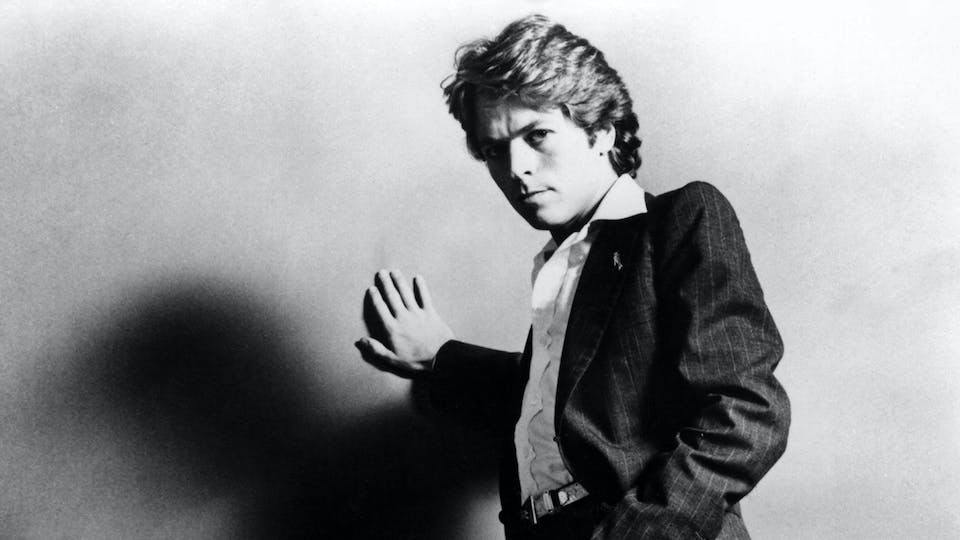
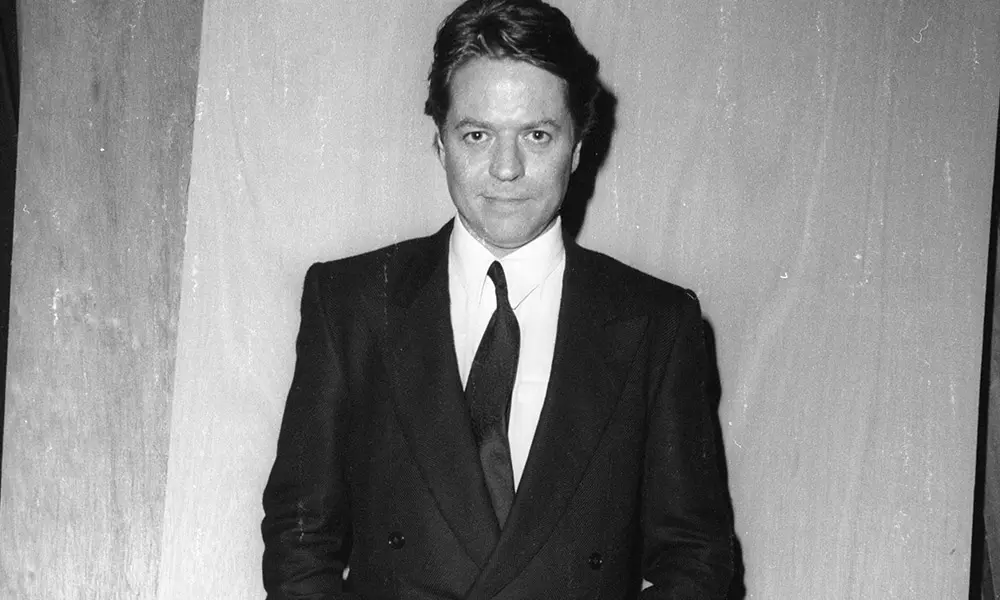
Perhaps the most potent element of Robert Palmer’s personal brand was his impeccable visual identity. He cultivated an image of unparalleled sartorial elegance, a stark contrast to the casual, often rebellious aesthetics prevalent in rock and pop music. Adorned in impeccably tailored suits, slicked-back hair, and a confident, almost aloof demeanor, Palmer exuded a timeless sophistication. This wasn’t merely a personal preference; it was a deliberate design choice that communicated professionalism, artistic seriousness, and an aspirational lifestyle. His visual brand became synonymous with luxury, refinement, and an effortless cool. This consistent visual language, meticulously maintained across album covers, promotional materials, and live performances, became a powerful non-verbal marketing tool, instantly recognizable and deeply aspirational. He understood that presentation was paramount, transforming himself into a walking, singing embodiment of high-class style.
Musical Versatility as a Brand Pillar
While his visual brand was striking, it was inextricably linked to his musical brand pillar: versatility. Palmer’s ability to seamlessly transition between soulful R&B, hard rock, new wave, and Caribbean rhythms was not just a display of talent but a core brand value. He defied easy categorization, a strategic move that allowed him to continually reinvent himself and remain relevant across changing musical landscapes. This versatility communicated a brand that was innovative, daring, and perpetually evolving, yet always anchored by his distinctive voice and sophisticated arrangements. It allowed his brand to appeal to diverse demographics without ever compromising its core identity of quality and refined taste.
Brand Evolution and Reinvention in a Dynamic Industry
The music industry is notoriously fickle, with trends constantly shifting and artists struggling to maintain relevancy. Robert Palmer’s sustained success was a testament to his astute understanding of brand evolution and his willingness to strategically reinvent aspects of his persona without losing his core identity.
Navigating Trends: Power Station and Solo Success
The 1980s presented a new challenge for artists: the rise of MTV and a demand for more visually driven, high-energy pop. Palmer didn’t resist; he embraced it. His involvement with The Power Station, a supergroup featuring members of Duran Duran and Chic, was a masterstroke in brand diversification. This project allowed him to explore a harder, more aggressive rock sound, tapping into a new audience while maintaining his credibility. Crucially, he leveraged the visibility gained from The Power Station’s success to propel his solo career to unprecedented heights. Albums like “Riptide” and “Heavy Nova” followed, blending his signature sophistication with contemporary sounds, proving that his brand was adaptable and dynamic. This strategic alliance demonstrated a keen understanding of market positioning and the art of leveraging ancillary projects to boost one’s primary brand.
The Iconic Music Videos: MTV’s Brand Amplifier
MTV became a pivotal platform for Robert Palmer’s brand. His music videos, particularly those for “Addicted to Love” and “Simply Irresistible,” are iconic examples of visual marketing. Featuring Palmer flanked by identically dressed, expressionless female musicians, these videos created a stylized, almost fetishistic aesthetic that perfectly complemented his suave image. They were minimalist, high-concept, and visually striking, transforming his songs into cultural touchstones. These videos didn’t just promote his music; they solidified his entire brand identity, making him a household name and an icon of sophisticated cool. They were masterful executions of design and marketing, perfectly aligning visual content with his established personal brand. The consistent visual theme across these videos reinforced his brand’s distinctive, polished, and somewhat enigmatic allure.
Maintaining Relevancy Through Decades

Unlike many artists who achieve fleeting success, Palmer consistently found ways to remain active and respected. Throughout the 1990s and into the early 2000s, he continued to release albums that explored various genres, from blues to electronic music, always infused with his unmistakable style. This sustained output, coupled with regular touring, demonstrated a commitment to his craft and a dedication to his audience. His brand strategy was not about chasing trends but about continually refining and reinterpreting his artistic vision, proving that authenticity and quality could withstand the test of time. He allowed his brand to mature gracefully, adapting to shifts in the industry without ever becoming a caricature of his former self.
The Untimely End: Impact on Brand Legacy
Robert Palmer’s sudden passing in September 2003, due to a heart attack at the age of 54, sent shockwaves through the music world. While his life was cut short, his meticulously constructed personal brand ensured that his legacy would not only endure but continue to inspire.
A Legacy Interrupted: The Shock of His Passing
The immediate aftermath of Palmer’s death was marked by tributes and a collective mourning for a unique talent. For his brand, it meant an abrupt halt to active creation and performance. However, because his brand was so well-defined and consistently delivered over decades, his passing cemented his status as a legend rather than leading to obscurity. His final albums, which continued to showcase his diverse musical interests, served as a poignant capstone to a remarkable career, reinforcing the image of an artist who was always pushing boundaries.
Posthumous Brand Management: Compilations and Rediscovery
In the years following his death, Robert Palmer’s brand continued to be managed through posthumous releases, compilations, and re-examinations of his catalog. Best-of albums, live recordings, and remastered editions kept his music accessible to new generations and reaffirmed his position as a critical figure in pop and rock history. The steady stream of these releases demonstrated the enduring commercial viability and cultural resonance of his brand, proving that a strong identity can outlive its creator. These acts of posthumous brand management ensured that his music continued to be celebrated and his image preserved.
Enduring Influence on Style and Sound
Perhaps the most significant aspect of Palmer’s post-mortem brand legacy is his lasting influence. His iconic music videos continue to be referenced in popular culture, his sartorial elegance remains a benchmark for sophistication, and his genre-blending approach has inspired countless artists. He established a template for how an artist can be both commercially successful and critically respected, maintaining artistic integrity while embracing mainstream appeal. His brand became synonymous with refined taste, musical exploration, and uncompromising style, a benchmark against which others are often measured.
Analyzing Palmer’s Brand Longevity: Lessons in Personal Branding
Robert Palmer’s career provides invaluable lessons in personal branding that extend far beyond the music industry. His ability to build, maintain, and evolve a powerful identity offers a blueprint for anyone seeking to create a lasting impact.
Authenticity and Consistency: Key Brand Attributes
At the core of Palmer’s enduring brand was a potent combination of authenticity and consistency. His dedication to a sophisticated aesthetic and a diverse musical palette was never perceived as a gimmick; it felt genuinely him. This authenticity resonated deeply with audiences. Moreover, his consistency in delivering high-quality music and maintaining his distinctive visual identity across decades built trust and solidified his brand promise. For any individual or organization, consistency in messaging, values, and presentation is crucial for building a reliable and respected brand.
The Power of Visuals in Music Branding
Palmer’s career is a masterclass in the power of visual branding, particularly within the music industry. His iconic suits, distinctive poses, and stylized music videos were not just accessories; they were integral components of his brand narrative. They provided a visual shorthand for his sophisticated sound and persona, making him instantly recognizable and memorable. This underscores the importance of a strong visual identity in any branding strategy, as it creates an immediate emotional connection and reinforces brand messaging. The aesthetic design he championed became as famous as his songs.
Lessons in Personal Branding from Robert Palmer
Robert Palmer’s legacy demonstrates that a well-crafted personal brand is about more than just talent; it’s about strategic vision, meticulous execution, and a deep understanding of one’s own unique value proposition. He showed that embracing versatility can lead to longevity, that attention to aesthetic detail can elevate artistry, and that maintaining authenticity through evolution is key to enduring relevance. His journey is a powerful reminder that an artist, like any brand, can meticulously sculpt their identity, cultivate a dedicated following, and leave an indelible mark that transcends time, cementing a legacy that continues to resonate long after their final performance. The question of “what happened to Robert Palmer” ultimately leads to an exploration of how a master brand-builder forged an identity that is, simply, irresistibly timeless.
aViewFromTheCave is a participant in the Amazon Services LLC Associates Program, an affiliate advertising program designed to provide a means for sites to earn advertising fees by advertising and linking to Amazon.com. Amazon, the Amazon logo, AmazonSupply, and the AmazonSupply logo are trademarks of Amazon.com, Inc. or its affiliates. As an Amazon Associate we earn affiliate commissions from qualifying purchases.