
The question, “What happened to Michael Thomas NFL,” resonates with a familiar curiosity that often accompanies the careers of prominent professional athletes. It’s a query that delves beyond mere statistics or game-day performance, touching instead upon the broader arc of an athlete’s journey—their visibility, impact, and evolution within the demanding ecosystem of professional sports. When viewed through the lens of branding, this question transforms into a powerful case study, inviting an exploration of how an athlete builds, maintains, adapts, and occasionally redefines their personal brand amidst the relentless scrutiny and unpredictable nature of elite competition.
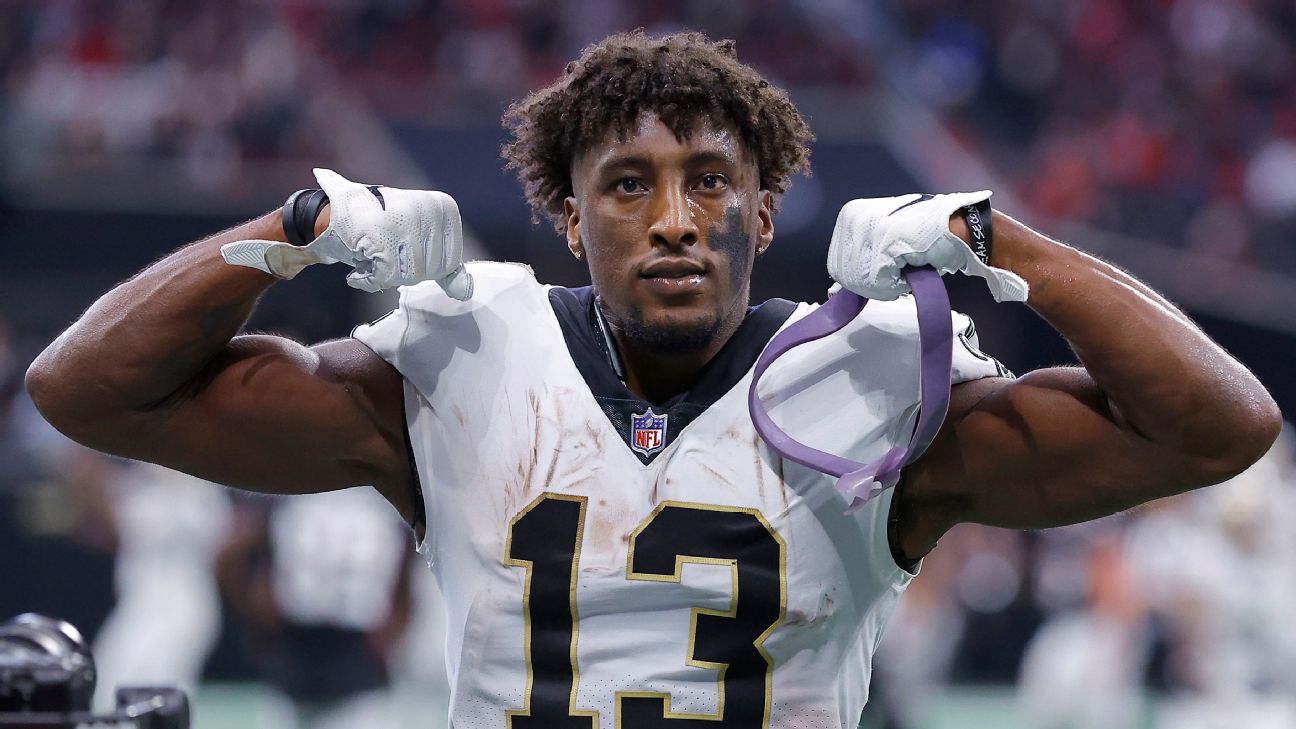
In professional sports, an athlete is not merely a player; they are a multi-faceted brand. Their name, image, and likeness (NIL) command significant value, influenced by on-field prowess, off-field conduct, marketability, and their ability to connect with fans. Therefore, to ask “what happened to Michael Thomas NFL” is to implicitly inquire about the trajectory of a significant personal brand—how it was shaped, what challenges it encountered, and how it continues to evolve. This article will deconstruct the elements of an athlete’s personal brand, using this evocative question as a framework to understand the intricate dynamics of brand building and management in the high-stakes world of the National Football League.
The Anatomy of an Athlete’s Personal Brand
An athlete’s personal brand is a complex tapestry woven from multiple threads, each contributing to their unique identity and market value. It extends far beyond their statistical output, encompassing a holistic perception shaped by their actions, narratives, and interactions both within and outside their sport. Understanding these foundational elements is crucial to appreciating the dynamic nature of an athlete’s professional journey.
Performance as the Cornerstone of Brand Identity
At the bedrock of any athlete’s brand is their performance. For an NFL player, this translates directly to their capabilities on the field: their ability to make game-winning plays, consistently execute at a high level, break records, or contribute fundamentally to team success. A player like “Michael Thomas” would have initially forged his brand through exceptional receiving skills, dominant route-running, and a remarkable ability to generate yardage and touchdowns. This on-field excellence creates the primary narrative, establishing credibility and earning the respect of peers, coaches, and fans. It’s the irrefutable evidence that validates their presence in the league and serves as the initial magnet for attention and endorsement opportunities. Without a strong performance foundation, any subsequent brand-building efforts would lack authenticity and substance, appearing superficial or unearned. The “superstar” moniker, for instance, is intrinsically linked to consistent, outstanding performance that elevates a player above their contemporaries. This cornerstone is non-negotiable; it’s the engine that powers the entire personal brand.
Beyond the Game: Image, Personality, and Narrative
While on-field performance is paramount, an athlete’s brand truly blossoms when complemented by their image, personality, and narrative. This encompasses how they carry themselves, their public persona, and the story they tell (or that is told about them). Is “Michael Thomas” perceived as a fierce competitor, a quiet leader, a flamboyant personality, or a community-minded individual? These characteristics shape fan affinity and dictate how they are perceived by potential sponsors and the media.
-
Image refers to their visual presentation, how they dress, and their overall demeanor.
-
Personality shines through interviews, social media interactions, and their perceived temperament on the field.
-
The narrative is the overarching story of their career—overcoming adversity, achieving greatness, facing challenges, or demonstrating unwavering loyalty.
This blend creates a more relatable and engaging brand, allowing fans to connect on an emotional level. It’s the human element that transforms a skilled player into a captivating figure, capable of inspiring loyalty and generating broader appeal beyond the immediate sport. A powerful narrative can sustain interest even through periods of injury or performance fluctuations, as it provides a deeper connection to the athlete as an individual.
The Team and League Ecosystem: Co-branding and Influence
No athlete operates in a vacuum; their personal brand is inextricably linked to the team and league ecosystem. Playing for a storied franchise like the New Orleans Saints (hypothetically, in the context of “Michael Thomas”) carries inherent brand value, offering exposure and association with an established identity. The team’s brand, its success, its market, and its fan base all contribute to the athlete’s visibility and perceived prestige. This is a form of co-branding, where the athlete benefits from the team’s established equity, and conversely, the athlete’s strong personal brand can elevate the team’s profile.
Furthermore, the NFL itself is a marketing juggernaut, providing a massive platform for individual players to build their profiles. League-wide initiatives, media coverage, and high-profile games amplify an athlete’s reach. The collective brand of the NFL lends credibility and a vast audience, allowing individual stars to become household names. The interaction between individual player brands, team brands, and the league brand creates a complex web of influence, where success or setbacks at one level can ripple across the others.
Navigating the Peaks and Valleys: Brand Resilience in Professional Sports
An athlete’s career is rarely a smooth ascent; it’s a journey marked by both exhilarating highs and challenging lows. For the personal brand, these fluctuations present critical tests of resilience, adaptability, and strategic management. The question “what happened” often points to these moments of significant change.
The Impact of Injuries and Performance Slumps on Brand Equity
Perhaps the most significant challenge to an athlete’s brand equity is the twin threat of injuries and performance slumps. A dominant player like “Michael Thomas,” whose brand is largely predicated on elite-level production, faces a severe test when sidelined by injury or when their on-field output diminishes. Injuries not only remove them from the public eye, reducing visibility, but also raise questions about their future capabilities and durability. A string of significant injuries can fundamentally alter the narrative of a player from an unstoppable force to a player battling to stay on the field. Similarly, prolonged performance slumps erode confidence and dilute the perception of invincibility that often underpins a star athlete’s brand. Sponsors may become wary, media narratives can shift from celebration to speculation, and fan engagement might wane. The challenge here is not just physical recovery or a return to form, but also the meticulous management of public perception and maintaining brand relevance when the primary driver—on-field excellence—is compromised.
Crisis Management and Reputation Safeguarding
Beyond on-field issues, an athlete’s brand can be significantly impacted by off-field incidents, public controversies, or missteps in communication. This necessitates robust crisis management and reputation safeguarding. Whether it’s a negative media report, a social media gaffe, or an alleged personal misconduct, the speed and pervasiveness of modern media mean that such events can quickly spiral and severely damage a meticulously built brand. For a brand like “Michael Thomas NFL,” effectively navigating these moments involves swift, transparent, and authentic communication, often guided by professional PR and legal teams. It’s about taking responsibility, demonstrating empathy, and outlining corrective actions. The goal is not just to mitigate immediate damage but to rebuild trust and re-establish a positive narrative. Poorly managed crises can lead to irreparable harm, loss of endorsements, and a lasting stain on public perception, whereas well-handled situations can sometimes even strengthen a brand by showcasing integrity and accountability.
Reclaiming the Narrative: Strategies for Brand Rejuvenation
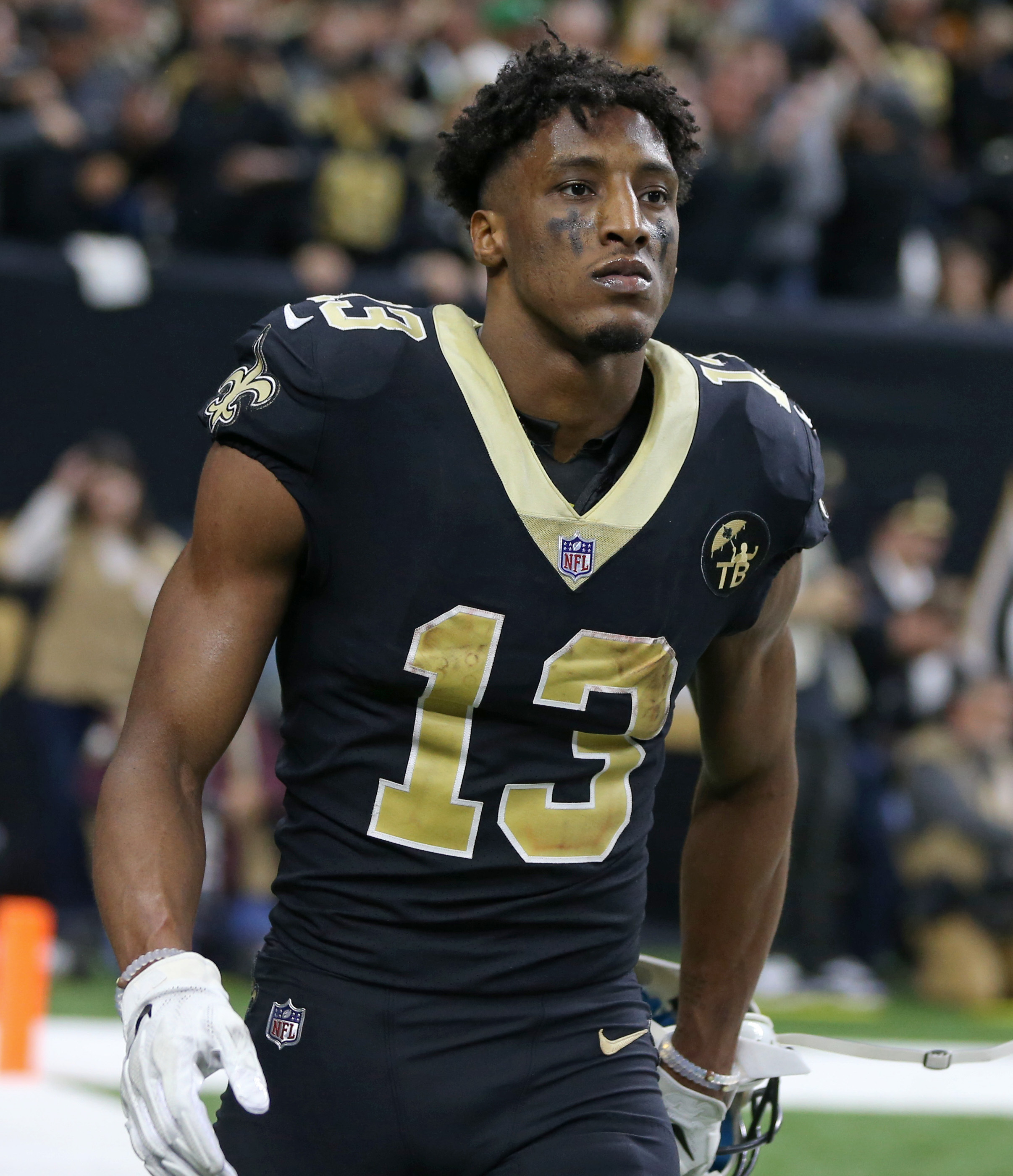
When faced with setbacks—be it injury, poor performance, or controversy—the ability to reclaim the narrative is paramount for brand rejuvenation. This involves a proactive and strategic approach to redefine the athlete’s story and shift public perception. For an injured player, this might involve documenting their rigorous rehabilitation journey, highlighting their dedication, resilience, and commitment to return stronger. For a player battling a slump, it could mean focusing on incremental improvements, demonstrating leadership in other areas, or publicly expressing their determination to overcome challenges.
From a branding perspective, this is about strategic communication, leveraging media appearances, social media, and community involvement to craft a compelling comeback story. It might also involve pivoting the brand identity slightly—perhaps emphasizing maturity, experience, or mentorship rather than purely raw athleticism. A successful brand rejuvenation showcases an athlete’s growth, adaptability, and enduring character, ensuring that their “what happened” moment is seen not as an end, but as a pivotal chapter in an evolving story.
The Evolving Landscape of Athlete Branding in the Digital Age
The advent of the digital age has fundamentally transformed how athletes build, manage, and monetize their personal brands. What was once largely mediated by traditional media and endorsement deals is now a direct, real-time conversation between athletes and their global audience, offering unprecedented opportunities and new complexities.
Social Media: Direct Connection and Brand Amplification
Social media platforms have become indispensable tools for athlete branding. They provide a direct, unfiltered channel for players like “Michael Thomas” to connect with fans, share their personalities, offer glimpses into their lives, and control their own narratives. This direct access bypasses traditional media gatekeepers, allowing athletes to amplify their voice, celebrate successes, address criticisms, and even engage in playful banter, all of which deepen fan engagement and loyalty. A carefully curated social media presence can humanize an athlete, making them more relatable and fostering a stronger emotional connection with their audience. It also serves as a powerful marketing tool, allowing athletes to promote personal projects, charitable initiatives, or endorsement partners directly. However, this direct access also carries risks, as every post and interaction is scrutinized, and missteps can quickly go viral, underscoring the importance of strategic and authentic digital communication.
Monetization of Personal Brand Beyond Contracts
In the modern era, an athlete’s personal brand is a significant asset that can be monetized far beyond their playing contracts. While traditional endorsements remain a core component, the digital landscape has opened new avenues. Athletes can now become influencers, creating sponsored content across social platforms, launching their own merchandise lines, developing personal apps or training programs, or even investing in startups. The “Michael Thomas” brand, through its established reach and credibility, could leverage its audience to generate substantial off-field income. This shift empowers athletes with greater financial independence and career diversification, allowing them to build business ventures that can sustain them long after their playing days are over. The focus here is on leveraging their unique appeal and expertise to create diversified revenue streams that are directly tied to their individual brand equity, rather than solely dependent on their team salary.
The Long Game: Legacy Building and Post-Career Branding
The ultimate aspiration for many athletes is to build a lasting legacy that transcends their playing career. This involves a strategic approach to post-career branding, where their identity evolves from an active player to an enduring figure. For a player like “Michael Thomas,” this might involve transitioning into broadcasting, coaching, business ventures, or philanthropy. The foundation laid during their playing days—their reputation, character, and achievements—becomes the bedrock for this second act. A strong personal brand, meticulously managed throughout their career, provides the credibility and platform needed to pursue these post-playing endeavors successfully. It’s about leveraging their established name recognition and expertise to continue making an impact, ensuring that the “what happened” question of their playing career leads seamlessly into a new chapter of continued relevance and influence. This long game in branding is about transforming transient athletic fame into enduring iconic status.
Lessons from the Hypothetical Michael Thomas NFL Brand Journey
The hypothetical exploration of “what happened to Michael Thomas NFL” serves as a microcosm for understanding the broader principles of personal branding in the high-octane world of professional sports. It underscores that an athlete’s journey is a continuous exercise in brand management, demanding strategic foresight, adaptability, and an unwavering commitment to authenticity.
Adaptability and Strategic Brand Evolution
One of the most crucial takeaways is the imperative for adaptability and strategic brand evolution. The athletic career is dynamic, fraught with unforeseen challenges like injuries, team changes, and shifting league dynamics. A static brand will struggle to survive these transitions. The “Michael Thomas” brand, for instance, would need to demonstrate an ability to pivot—perhaps moving from a brand built purely on explosive performance to one that also emphasizes resilience, mentorship, or off-field entrepreneurial spirit during different phases of their career. This involves understanding market shifts, audience perceptions, and personal growth, then consciously adjusting the brand narrative and communication strategies to remain relevant and resonant. It’s a proactive approach to branding, where the athlete is not just reacting to circumstances but actively shaping their future identity.
Authenticity as a Brand Imperative
In an increasingly cynical and scrutinizing public sphere, authenticity emerges as a brand imperative. Fans and consumers are adept at detecting artificiality, and any perceived lack of genuineness can severely undermine an athlete’s brand credibility. For a player like “Michael Thomas,” maintaining an authentic voice, staying true to their values, and demonstrating genuine passion—whether for the game, their teammates, or their community—is vital. This doesn’t mean revealing every detail of their personal life, but rather ensuring that their public persona aligns consistently with their true character. Authenticity fosters trust, deepens emotional connections, and builds a loyal following that is more likely to stick with the athlete through thick and thin, seeing them as a real person rather than just a performance machine.
The Enduring Power of a Well-Managed Personal Brand
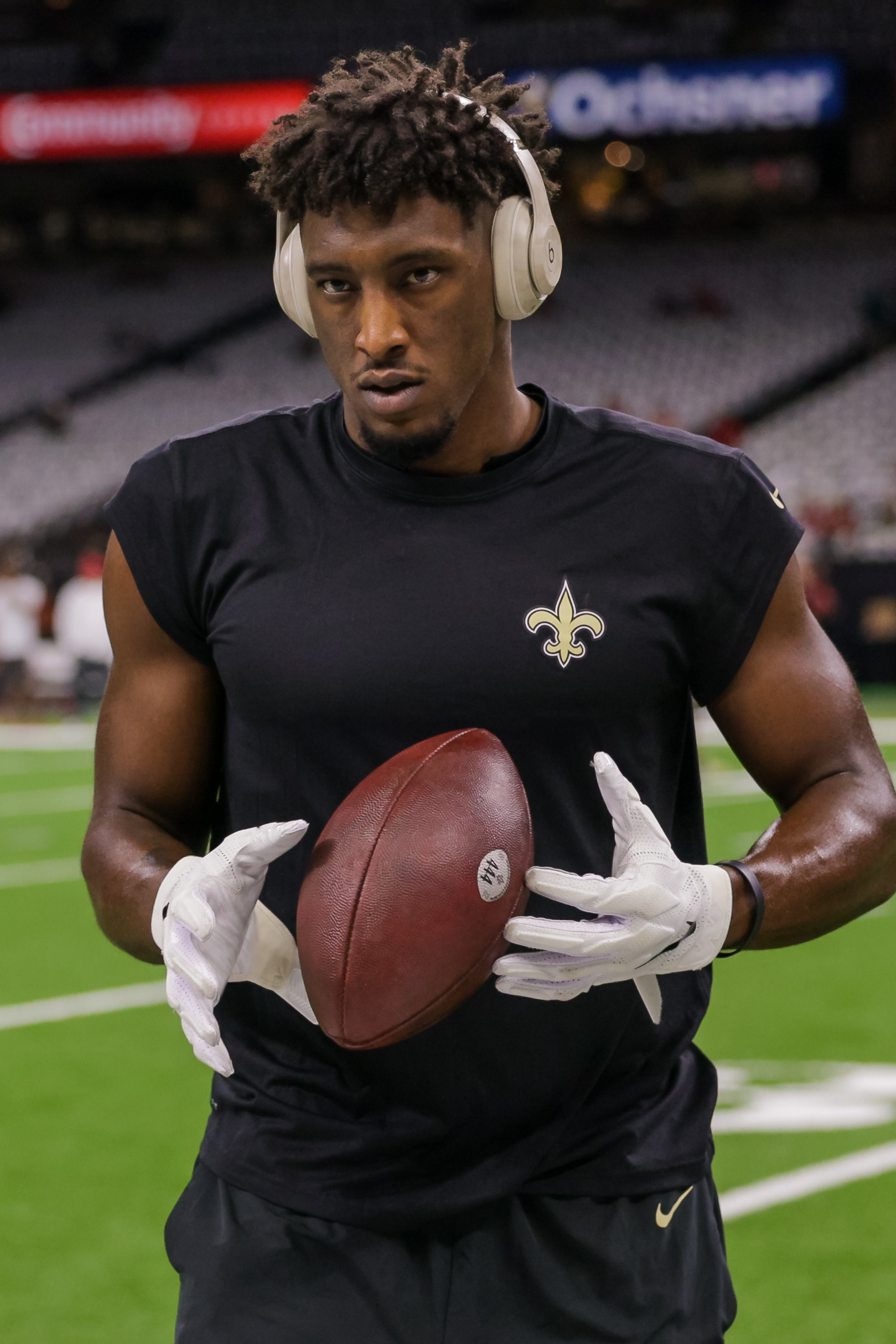
Ultimately, the question “what happened to Michael Thomas NFL” is best answered by appreciating the enduring power of a well-managed personal brand. It’s a testament to the idea that a thoughtfully cultivated and strategically nurtured identity can withstand the inevitable ups and downs of a demanding professional career. A strong personal brand ensures that even when an athlete steps away from the field, their name continues to evoke a clear set of associations, values, and achievements. It provides a foundation for continued influence, financial stability, and the pursuit of new passions. The hypothetical Michael Thomas’s journey, therefore, isn’t just about his time in the NFL; it’s about the lasting mark he leaves, skillfully etched through consistent performance, strategic communication, and an adaptable, authentic brand narrative.
In conclusion, “what happened to Michael Thomas NFL” is less a singular inquiry and more an invitation to explore the intricate art and science of personal branding within professional sports. It highlights how an athlete’s journey is a continuous exercise in constructing, adapting, and defending a personal brand, proving that true legacy extends far beyond the final score.
aViewFromTheCave is a participant in the Amazon Services LLC Associates Program, an affiliate advertising program designed to provide a means for sites to earn advertising fees by advertising and linking to Amazon.com. Amazon, the Amazon logo, AmazonSupply, and the AmazonSupply logo are trademarks of Amazon.com, Inc. or its affiliates. As an Amazon Associate we earn affiliate commissions from qualifying purchases.