
The question “what happened to [insert celebrity name here]?” is a common refrain in popular culture, often whispered with a mix of nostalgia, curiosity, and sometimes, a touch of judgment. It’s a question that implicitly acknowledges a past prominence and seeks to understand the trajectory, or perceived lack thereof, of a public figure. When we ask, “what happened to Lorenzo Lamas?”, we aren’t merely inquiring about a person; we are, perhaps unknowingly, probing the intricate and often unforgiving world of personal branding. A name like Lorenzo Lamas, once synonymous with a particular era of action heroes and soap opera heartthrobs, serves as a compelling starting point for an exploration into the life cycle of a personal brand: its meteoric rise, its necessary evolution, and its strategic management in an ever-changing media landscape.

The truth is, a personal brand doesn’t simply “disappear.” More often, it transforms, recalibrates, or pivots into new dimensions, sometimes out of the immediate public spotlight but rarely into complete oblivion. The challenge for any public figure, from an actor to an entrepreneur, is not just to build a brand, but to nurture its resilience, adaptability, and enduring relevance over time. This article will delve into the strategic principles of personal branding, using the implied question around Lorenzo Lamas as a lens through which to understand the broader dynamics of maintaining a compelling public identity in the 21st century.
The Anatomy of a Public Persona: Building a Brand Legacy
Every public figure, whether an entertainer, a business leader, or a social influencer, cultivates a personal brand. This brand is not merely their name or face, but the sum total of their public image, reputation, values, unique selling proposition, and the emotional connection they forge with their audience. For individuals like Lorenzo Lamas, whose initial rise to prominence was tied to specific roles and a distinctive image, understanding the foundation of that brand is crucial to grasping its subsequent journey.
Initial Impact and Brand Archetype
The initial ascent of a public figure often hinges on a powerful combination of talent, timing, and a clear brand archetype. For actors, this might involve embodying a specific character type that resonates deeply with the cultural zeitgeist. Consider the “bad boy with a heart of gold,” the “rugged action hero,” or the “charismatic charmer”—these are archetypes that quickly establish a recognizable and often marketable persona. Lorenzo Lamas, for instance, became known for embodying a certain brand of masculine charm and physical prowess, particularly through roles in shows like “Falcon Crest” and later, various action films. This initial impact creates a strong brand identity, embedding a specific image and set of expectations in the public consciousness.
This early success is not accidental; it’s often the result of aligning personal attributes with audience desires. A strong initial brand makes an individual memorable, creates a loyal following, and opens doors to future opportunities. It defines what they are known for, what value they bring, and what feelings they evoke. This foundation is immensely powerful, but also sets a benchmark against which all future iterations of the brand will be measured.
The Era-Specific Anchor
A significant aspect of many personal brands, especially those established in previous decades, is their deep anchoring in a specific era. The aesthetic, cultural norms, and media consumption habits of a particular time significantly shape how a brand is perceived and consumed. For actors who rose to fame in the 1980s or 1990s, their brand was often cultivated through traditional media channels: television, film, magazines, and talk shows. The narratives were often controlled by studios, publicists, and journalists.
The challenge arises when the cultural landscape shifts dramatically. Tastes change, new technologies emerge, and audience attention fragments across countless new platforms. A brand that was perfectly aligned with the sensibilities of one era can find itself struggling for relevance in the next. The question “what happened to…?” often arises when a brand, once a dominant force in a particular niche or time, no longer occupies the same central position in the collective consciousness. This doesn’t mean the brand is defunct, but rather that its context has changed, necessitating a strategic re-evaluation and adaptation to remain visible and impactful.
Navigating the Shifting Tides: Brand Evolution and Adaptation
The notion that a personal brand, once established, can remain static is a misconception. In today’s fast-paced, digitally interconnected world, brands must evolve or risk becoming obsolete. The journey of a personal brand is rarely a straight line; it’s a dynamic process of adaptation, reinvention, and strategic repositioning.
The Peril of Stagnation
Perhaps the greatest threat to a long-lasting personal brand is stagnation. Audiences, particularly in the entertainment and public sphere, crave novelty and growth. A brand that fails to innovate, update its messaging, or explore new avenues risks losing its audience’s interest. For an actor, this might mean continually taking on similar roles, never expanding their range, or failing to engage with new storytelling formats. For any professional, it could involve clinging to outdated methodologies or refusing to leverage emerging platforms.
The “what happened to…” query often surfaces when a public figure seems to disappear from their established domain without a clear pivot or explanation. This perceived absence can be interpreted as stagnation, leading to a decline in public interest and a gradual erosion of brand equity. Successful long-term brands understand that evolution is not an option but a necessity. It requires an acute awareness of market trends, an openness to personal and professional growth, and the courage to step outside of one’s comfort zone.
Strategic Reinvention vs. Organic Evolution
Brand evolution can take different forms. Some individuals opt for radical strategic reinvention, consciously shedding an old persona and crafting an entirely new one. This might involve a complete genre shift for a musician, a move from acting to directing, or an entrepreneur pivoting into a completely different industry. These bold moves can inject new life into a brand but also carry risks, as they might alienate a loyal existing audience.
More commonly, brands undergo organic evolution. This is a more gradual process where the brand subtly shifts over time, building on its core strengths while incorporating new experiences, values, and skills. An actor might transition from leading man to character actor, leveraging their experience to bring depth to a wider range of roles. A business leader might expand their influence into philanthropy or mentorship, broadening their brand’s impact. For a figure like Lorenzo Lamas, an organic evolution might involve leveraging his established charisma in new media, exploring entrepreneurial ventures, or leaning into his veteran status as an industry commentator. The key is that the evolution feels authentic and connected to the brand’s core identity, rather than a jarring departure.
Leveraging Digital Platforms
The advent of digital platforms has fundamentally reshaped how personal brands are managed and sustained. Social media, personal websites, and content creation platforms offer unprecedented opportunities for direct audience engagement, narrative control, and brand diversification. For individuals who came of age in a pre-digital era, mastering these tools is crucial for maintaining relevance.
Gone are the days when a public figure’s presence was solely dictated by studios or publicists. Today, individuals can connect directly with fans, share behind-the-scenes glimpses of their lives, promote new projects, and even monetize their brand through new channels. A personal brand that effectively leverages platforms like Instagram, Twitter, YouTube, or TikTok can not only stay visible but also cultivate new audiences and extend its longevity far beyond traditional media cycles. The question then becomes not “what happened to them?” but “where can I find them now online?”
The Echoes of Absence: When a Brand Fades (or Changes Direction)
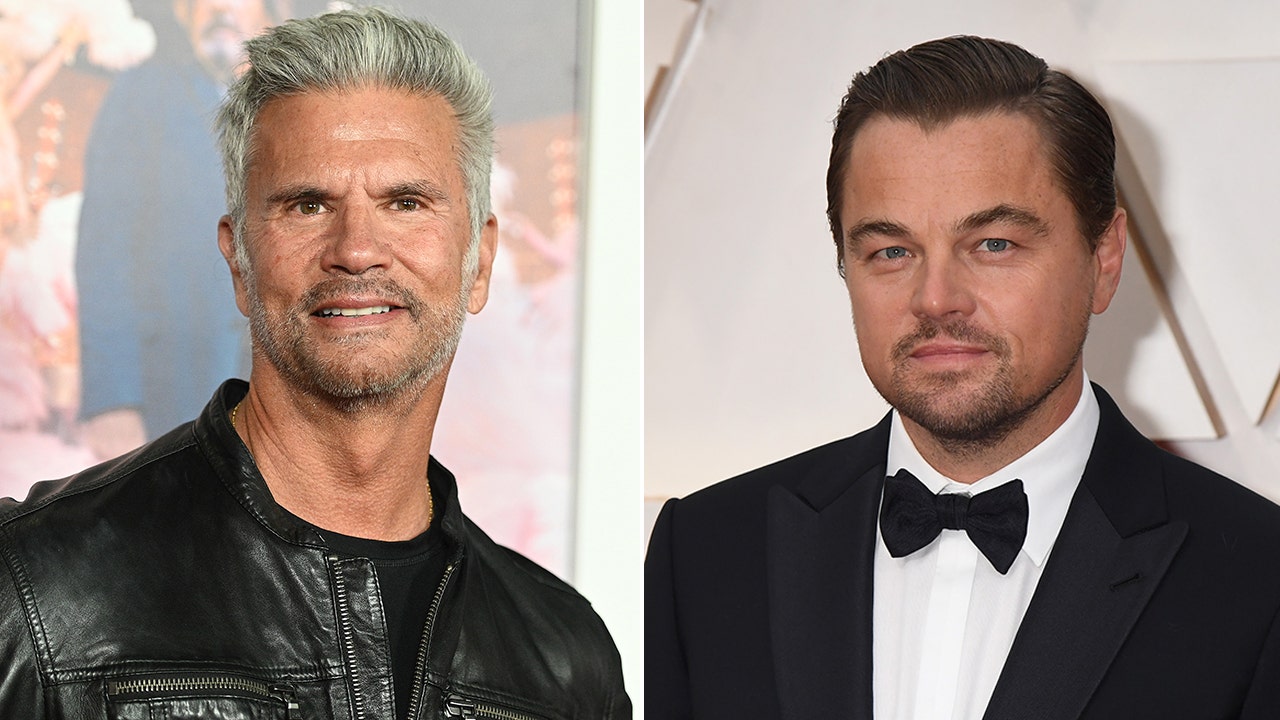
When a celebrity or public figure seemingly drops off the radar, it rarely means a complete disappearance. More often, it signifies a strategic shift, a change in priorities, or a re-definition of what “public” means for their brand.
The Illusion of Disappearance
The perception of “disappearance” is often an illusion, particularly in an era saturated with information. For many, a “disappeared” brand has simply moved from the high-glamour, high-visibility public sphere to a more private or niche existence. An actor might transition from blockbuster films to independent projects, voice-over work, or even a completely different career outside of entertainment. They might become an entrepreneur, a teacher, a parent focused on family, or pursue passions away from the limelight.
The brand hasn’t vanished; its public expression has changed. Its value might now be realized in different contexts, such as endorsements, appearances at fan conventions, or through the cultivation of a dedicated, niche following rather than mainstream ubiquity. The illusion of disappearance is often a projection of societal expectations that equate continuous mainstream visibility with continued success or existence.
Reputation Management in the Digital Age
Even when a personal brand scales back its public-facing activities, its digital footprint remains. Articles, interviews, filmography, and social media posts from years past continue to exist, shaping public perception. This makes reputation management a continuous process, irrespective of current visibility. A public figure’s past actions and statements can be unearthed and recontextualized at any time, impacting their potential for future endeavors.
For individuals like Lorenzo Lamas, whose careers span decades, maintaining a positive and consistent online narrative is paramount. This involves actively monitoring their digital presence, addressing inaccuracies, and ensuring that their archived public image aligns with their current brand identity. A well-managed historical brand can be a powerful asset, providing a rich narrative that adds depth and credibility to any new venture.
Legacy and Endorsement Value
Even if a personal brand no longer commands daily headlines, its legacy can retain significant value. This “legacy value” can manifest in several ways: nostalgia marketing, endorsement opportunities, or as a testament to a successful career arc. Brands built on a foundation of genuine talent and authentic connection often have a long tail of influence.
A name synonymous with a particular era or a beloved character can be a potent draw for fan conventions, retrospectives, or brand partnerships looking to tap into a sense of nostalgia. The endorsement value of a seasoned public figure, even one less frequently in the mainstream spotlight, can be considerable, particularly for brands targeting a demographic that grew up with them. The question “what happened to Lorenzo Lamas?” can, in this context, evolve into “what is Lorenzo Lamas’s legacy, and how is he leveraging it today?”
Sustaining Relevance: Strategies for Long-Term Brand Equity
The ultimate goal of personal branding is not just initial success, but long-term equity. Sustaining relevance requires strategic foresight, continuous effort, and a clear understanding of one’s unique value proposition.
Diversification of Brand Activities
One of the most effective strategies for long-term brand equity is diversification. Relying on a single income stream or public role can be precarious. Public figures who successfully navigate decades in the public eye often diversify their activities, moving beyond their initial claim to fame into entrepreneurship, advocacy, writing, producing, or other creative endeavors.
An actor might launch a production company, write a memoir, become a spokesperson for a cause, or develop a lifestyle brand. These diversified activities not only create new revenue streams but also expand the personal brand’s narrative, showcasing different facets of the individual’s personality, skills, and values. This broadens their appeal and makes their brand more robust and less vulnerable to shifts in any single industry.
Authentic Engagement
In an age of curated personas and digital facades, authenticity is a precious commodity. Audiences are increasingly savvy and can detect insincerity. Sustaining relevance over the long term requires genuine, authentic engagement with one’s audience. This means being true to oneself, transparent about one’s values, and willing to connect on a human level.
For a personal brand, authentic engagement can involve sharing personal stories, interacting directly with fans on social media, expressing genuine opinions, and standing up for causes one believes in. This builds a deeper, more resilient connection that transcends fleeting trends and fads, fostering loyalty that can last decades. It allows the audience to feel like they truly “know” the person, not just the persona.
The Power of Narrative Control
Ultimately, maintaining a robust personal brand is about controlling one’s own narrative. In a world awash with gossip, speculation, and misinformation, proactively shaping one’s story is crucial. This involves strategic communication, thoughtful content creation, and a willingness to be transparent when appropriate.
Instead of waiting for the media to define “what happened to Lorenzo Lamas,” he (or any public figure) can actively share his journey, his current passions, and his future aspirations. This might be through a well-maintained personal website, regular social media updates, interviews focused on current projects, or even a personal podcast or blog. By taking the reins of their narrative, individuals can ensure that their brand is presented accurately, purposefully, and in a way that continues to resonate with their audience.

Conclusion
The question “what happened to Lorenzo Lamas?” is far more profound than a simple inquiry into an individual’s whereabouts. It’s a societal mirror reflecting our collective fascination with public figures and the intricate dynamics of personal branding. For many, the answer isn’t that they “disappeared” but that their brand evolved, adapted, and perhaps, purposefully shifted away from the relentless glare of mainstream celebrity.
The journey of a personal brand, particularly one that spans decades, is a masterclass in strategic management. It underscores the importance of a strong initial identity, the necessity of continuous evolution, the perils of stagnation, and the power of leveraging modern platforms to maintain connection. Whether through strategic reinvention, organic growth, or a pivot to a more private yet impactful sphere, enduring personal brands are not static entities. They are dynamic, strategically nurtured assets that require consistent attention, a keen understanding of shifting cultural landscapes, and an unwavering commitment to one’s core value proposition. In the end, “what happened” is often a testament to resilience, adaptability, and the continuous art of personal brand stewardship.
aViewFromTheCave is a participant in the Amazon Services LLC Associates Program, an affiliate advertising program designed to provide a means for sites to earn advertising fees by advertising and linking to Amazon.com. Amazon, the Amazon logo, AmazonSupply, and the AmazonSupply logo are trademarks of Amazon.com, Inc. or its affiliates. As an Amazon Associate we earn affiliate commissions from qualifying purchases.