
In the vast and interconnected universe of the Marvel Cinematic Universe (MCU), few questions resonate as profoundly with fans and brand strategists alike as “What happened to Jane in Thor?” This seemingly simple query about a fictional character’s journey transcends mere plot curiosity; it offers a compelling lens through which to examine the intricate dynamics of brand management, narrative continuity, intellectual property stewardship, and audience engagement within a multi-billion-dollar global franchise. For brands operating at this scale, every character arc, every narrative decision, and every cast change is not just a creative choice but a strategic maneuver that impacts corporate identity, market positioning, and long-term brand equity. The story of Jane Foster, particularly her absence and subsequent return, serves as a rich case study in how a mega-brand navigates the complexities of evolving its core offerings while maintaining its foundational appeal.
Character Trajectories as Brand Assets: The Jane Foster Conundrum
At its core, a robust brand like Marvel relies heavily on its intellectual property – its characters, their stories, and the universe they inhabit. Each character is a valuable asset, contributing to the brand’s overall identity and market value. Jane Foster, introduced as a brilliant astrophysicist and Thor’s love interest in the original 2011 “Thor” film, quickly established herself as a significant, albeit human, counterpoint to the cosmic hero. Her journey, however, diverged significantly, leading to her conspicuous absence for several installments before a triumphant, yet transformed, return. This period of absence and subsequent re-engagement provides critical insights into a brand’s strategic decision-making regarding its core assets.
The Initial Disappearance: Strategic Retreat or Missed Opportunity?
Following her significant roles in Thor (2011) and Thor: The Dark World (2013), Jane Foster, portrayed by Academy Award-winner Natalie Portman, vanished from the narrative. Her absence was briefly explained away in Avengers: Age of Ultron and Thor: Ragnarok as a mutual breakup or simply pursuing her scientific endeavors. From a brand management perspective, the decision to sideline a prominent character, particularly one played by a high-profile actress, is rarely taken lightly. It can be interpreted in several ways: a strategic retreat to streamline narrative focus, a response to perceived audience fatigue with a particular subplot, or a consequence of production challenges and talent negotiations.
The brand’s initial strategy appeared to prioritize Thor’s personal journey and shift the tone of the franchise, particularly with the introduction of Taika Waititi’s distinctive directorial vision in Ragnarok. This move, while critically acclaimed and financially successful, implicitly de-emphasized elements like romantic subplots that were central to Jane’s character. For a brand, such a pivot can be a risky but necessary step to avoid stagnation and appeal to evolving market tastes. The potential “missed opportunity” lies in the interim period where a beloved character’s arc remained unresolved, potentially alienating a segment of the brand’s loyal fanbase who valued Jane’s contribution to the narrative and her relationship with Thor. Effective brand stewardship requires a delicate balance between innovation and continuity, and Jane’s initial disappearance highlights the inherent tensions in such strategic decisions.
Audience Perception and Brand Receptivity: Measuring the Impact of Absence
The vacuum created by Jane Foster’s departure naturally sparked discussions among the MCU’s extensive fanbase. Questions about her whereabouts, her role, and the reasons for Portman’s reduced involvement became common topics across fan forums, social media, and entertainment analyses. This sustained audience engagement, even in absence, underscores the profound connection viewers form with a brand’s characters. For Marvel Studios, this constant feedback loop is invaluable. It provides insights into audience expectations, the perceived value of specific character assets, and the potential for future narrative directions.
A brand’s receptivity to audience perception is crucial for its long-term health. While not every creative decision can or should be dictated by fan sentiment, understanding the emotional investment of the core demographic allows a brand to gauge the success of its strategic pivots and plan future interventions. The enduring curiosity about Jane Foster’s fate signaled to the brand that despite her absence, her character retained significant equity and a strong emotional connection with a segment of its audience, making her potential return a valuable proposition for brand revitalization.
Re-entry and Reinvention: Revitalizing a Brand Icon
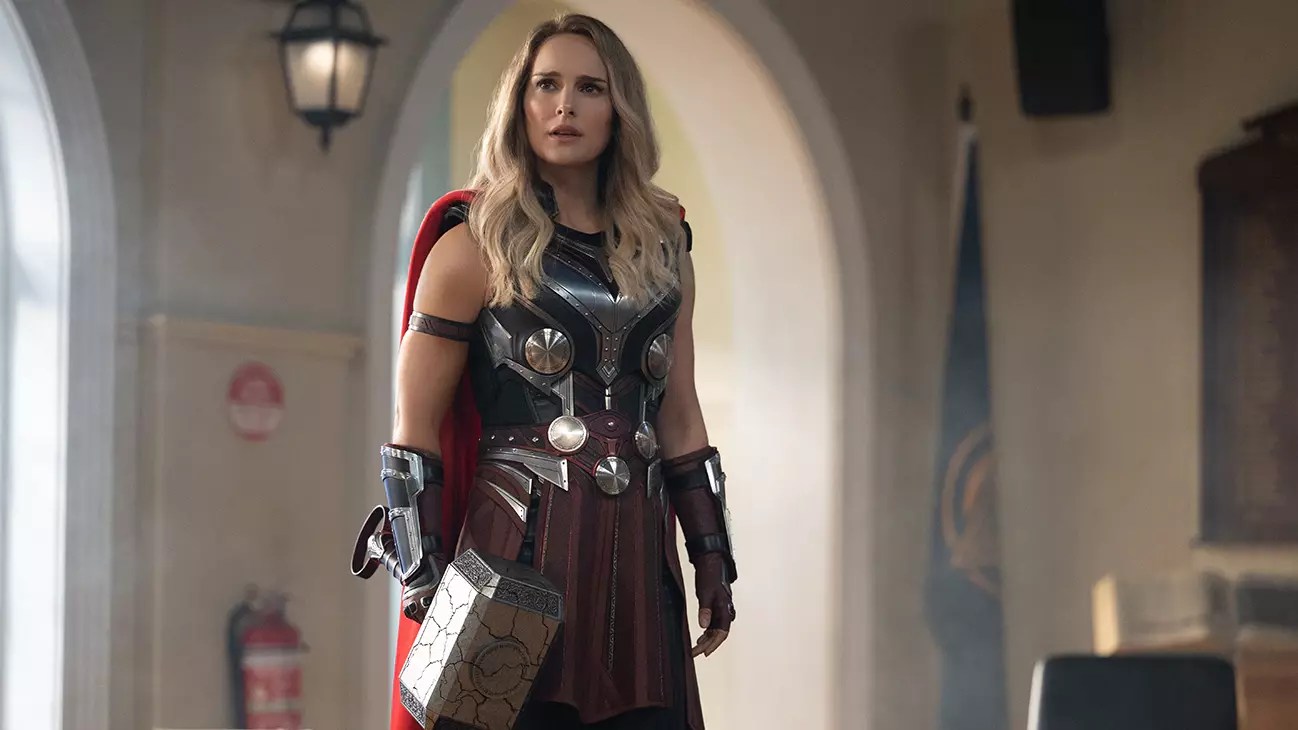
The announcement of Natalie Portman’s return to the MCU as Jane Foster, and more significantly, as The Mighty Thor, for Thor: Love and Thunder (2022) marked a significant strategic move for the Marvel brand. It wasn’t merely a return but a reinvention, demonstrating the brand’s capacity for evolution and its commitment to leveraging its intellectual property in fresh, impactful ways.
The Mighty Thor: A Bold Brand Reimagining
The decision to adapt the popular “Mighty Thor” comic storyline, where Jane Foster wields Mjolnir and becomes a superhero herself, was a masterstroke in brand reimagining. This wasn’t just bringing back a familiar face; it was elevating a beloved supporting character to a central, heroic role, fundamentally altering her brand identity within the franchise. From a strategic perspective, this move served multiple purposes:
-
Injecting Novelty: It provided a fresh narrative hook for the Thor franchise, preventing creative fatigue and offering a new dynamic for the titular hero.
-
Expanding Inclusivity: Introducing a female Thor resonated with broader market trends towards diverse representation in media, enhancing the brand’s appeal to a wider, more contemporary audience.
-
Leveraging Talent: It maximized the return of an acclaimed actress by giving her a meaty, transformative role, rather than merely reinstating her previous status.
-
Connecting Source Material: It demonstrated the brand’s commitment to its comic book origins, selectively drawing from successful storylines to enrich its cinematic universe.
This bold reimagining showcases a brand willing to take calculated risks to innovate its product offerings, ensuring continued relevance and excitement in a highly competitive entertainment landscape. It’s a testament to the idea that even long-established brand assets can be refreshed and repositioned to yield new value.
Narrative Cohesion and Brand Evolution: Integrating New Identities
One of the greatest challenges for a sprawling cinematic brand like Marvel is maintaining narrative cohesion while simultaneously allowing for significant character and plot evolution. The integration of Jane Foster as The Mighty Thor required careful planning to ensure it felt earned within the established MCU lore, even after her lengthy absence. The brand achieved this by:
-
Providing a Compelling Arc: Giving Jane a new, deeply personal struggle (her battle with cancer) provided a grounded, emotional foundation for her transformation, making her heroic journey relatable and impactful.
-
Explaining the Power: The narrative meticulously explained how Jane became worthy of Mjolnir, connecting it to the established mythology of the hammer and her inherent worthiness, rather than simply granting her powers without explanation.
-
Respecting Existing Dynamics: While introducing a new dynamic between two Thors, the film acknowledged and respected the history between Jane and the original Thor, using their past relationship to deepen the emotional stakes.
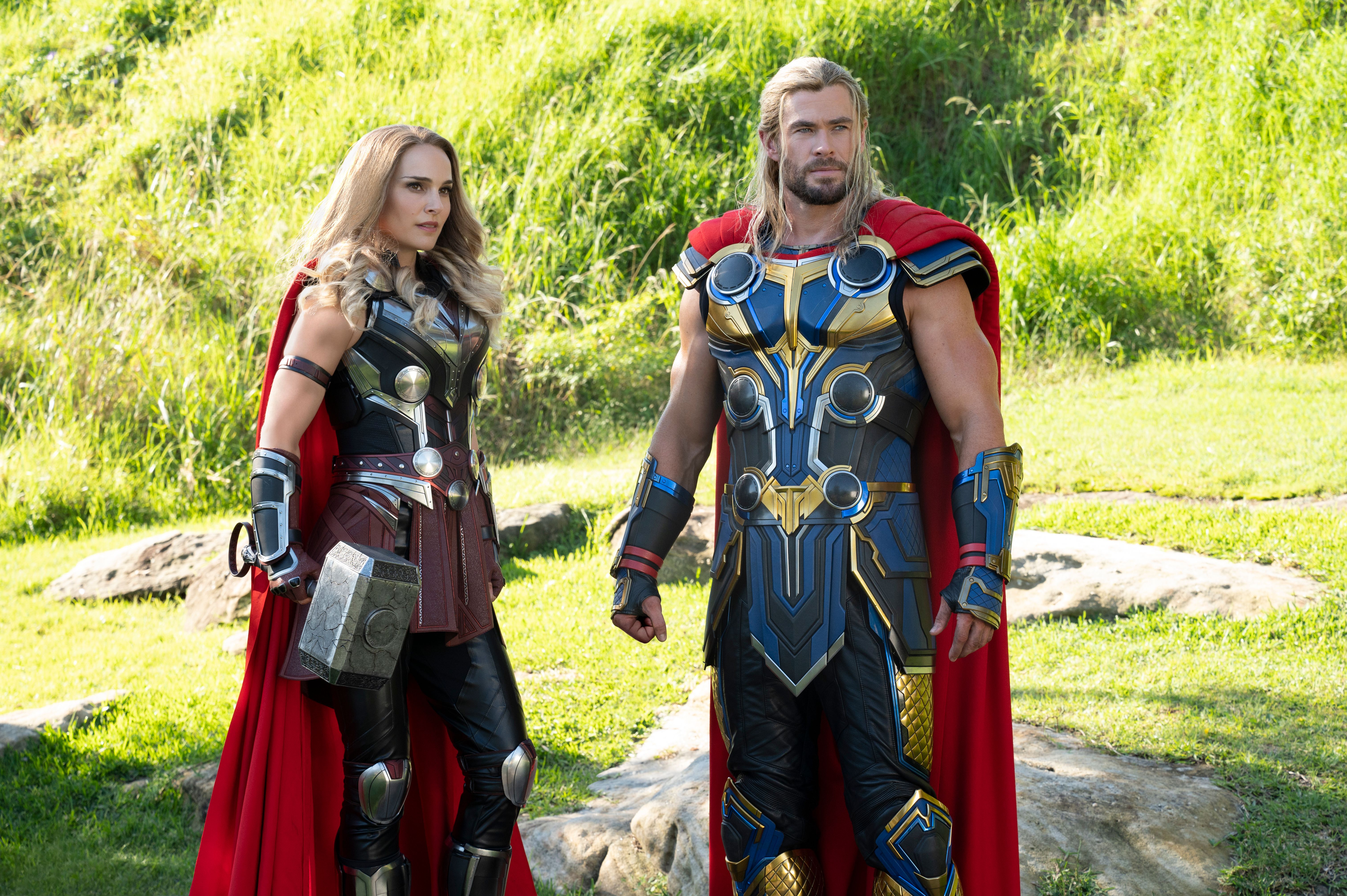
This approach demonstrates sophisticated brand management – ensuring that even radical shifts in character identity are integrated seamlessly into the existing brand narrative. It reinforces the brand’s commitment to internal consistency, which is vital for building and maintaining audience trust and loyalty over multiple iterations and decades.
Brand Loyalty Through Storytelling: Navigating Fan Expectations
The enduring success of the Marvel brand is intrinsically linked to its ability to cultivate fierce loyalty among its global fanbase. This loyalty is not merely transactional; it’s emotional, built on shared experiences, anticipated narratives, and deep connections to its characters. The journey of Jane Foster exemplifies how brand storytelling choices can both satisfy and challenge fan expectations, ultimately strengthening or testing brand allegiance.
The Double-Edged Sword of Canon: Balancing Legacy and Innovation
For brands built on extensive lore, canon is a powerful tool. It provides a shared history and a foundation for storytelling that engages dedicated fans. However, clinging too rigidly to established canon can stifle innovation and prevent the brand from evolving. Jane Foster’s transition to The Mighty Thor perfectly illustrates this “double-edged sword.” On one hand, it honored a beloved comic storyline, gratifying long-time comic readers and demonstrating the brand’s respect for its legacy. On the other hand, it pushed the boundaries of the cinematic narrative, challenging some fans’ expectations of Jane’s role and even the very concept of Thor.
Effective brand management involves skillfully navigating this tension. It means understanding which elements of the legacy are sacred to the brand’s identity and which can be creatively reinterpreted to appeal to new audiences and ensure sustained relevance. Marvel’s approach with Jane suggests a strategy of selective innovation – leveraging established elements (Jane Foster, Mjolnir) in new configurations to create a sense of both familiarity and novelty, thereby satisfying different segments of its vast audience. This strategic balancing act is crucial for any brand seeking to honor its past while actively shaping its future.
Marketing the Narrative Arc: Engaging the Core Audience and Beyond
The marketing surrounding Jane Foster’s return and transformation was a masterclass in leveraging narrative developments to generate excitement and drive engagement. Trailers, promotional materials, and interviews strategically highlighted Portman’s return and the image of a female Thor, creating significant buzz. This wasn’t just about selling a movie; it was about reaffirming the brand’s dynamic nature and its commitment to bold storytelling.
By showcasing Jane’s new identity, the brand signaled its progressive stance and its willingness to embrace diverse portrayals of heroism. This helped engage not only the existing core audience but also attract new demographics who might be drawn to the empowering narrative of a female superhero. The marketing campaign effectively communicated the value proposition of Jane’s arc – not just another character, but a symbol of strength, resilience, and transformation, aligning perfectly with contemporary brand values around empowerment and representation. This demonstrates how a brand can strategically market its narrative choices to strengthen its identity, expand its market reach, and deepen emotional connections with its audience.
Lessons in Intellectual Property Management: The Marvel Studios Model
The narrative of Jane Foster is more than just a character arc; it’s a microcosm of Marvel Studios’ sophisticated approach to intellectual property (IP) management. As one of the most successful entertainment brands globally, Marvel offers invaluable lessons in sustaining a vast, interconnected universe while continuously enhancing its brand equity.
Sustaining a Multiverse: Long-term Brand Vision and Character Pipeline
Marvel’s IP strategy is characterized by an unparalleled long-term vision, meticulously planning character arcs, crossover events, and new introductions across a multi-decade timeline. The decision to bring Jane Foster back, not as a fleeting cameo but as a significant new iteration of Thor, speaks to this overarching strategy. It demonstrates a commitment to a rich “character pipeline” – continuously developing existing assets and introducing new ones to keep the universe fresh and engaging.
This strategic foresight allows the brand to reactivate dormant IP, reinterpret existing lore, and maintain a constant flow of new content that feeds the overarching narrative. For any brand with a portfolio of assets, this multi-year planning is critical for ensuring sustained relevance, preventing market saturation, and maximizing the lifetime value of its intellectual property. It’s about seeing individual character stories not as isolated events, but as threads woven into a larger, evolving brand tapestry.

Character Development as a Value Proposition: Enhancing Brand Equity
Ultimately, “what happened to Jane in Thor” is a question about value. How does a brand like Marvel ensure its characters continue to generate value for the overall brand? The answer lies in meaningful character development. Jane Foster’s journey from a brilliant scientist to a cosmic hero facing a mortal illness significantly enhances her individual character equity, and by extension, the entire Marvel brand’s equity. Her story adds layers of complexity, emotional depth, and heroic resonance that appeal to audiences on a fundamental level.
Well-developed characters become pillars of a brand’s identity, capable of carrying new narratives, attracting new audiences, and even inspiring entire spin-off franchises. The strategic decision to invest in Jane Foster’s character, to give her a compelling and transformative arc, underscores the understanding that deep, resonant storytelling is not merely entertainment; it’s a powerful tool for building and sustaining brand value. It ensures that the brand remains culturally relevant, emotionally impactful, and financially robust for years to come.
In conclusion, the saga of Jane Foster within the Thor franchise is far more than a plot point; it’s a masterclass in strategic brand management. It illustrates how a global entertainment powerhouse navigates the complexities of character development, narrative innovation, audience engagement, and intellectual property stewardship to maintain its dominant position and continuously evolve its compelling brand story.
aViewFromTheCave is a participant in the Amazon Services LLC Associates Program, an affiliate advertising program designed to provide a means for sites to earn advertising fees by advertising and linking to Amazon.com. Amazon, the Amazon logo, AmazonSupply, and the AmazonSupply logo are trademarks of Amazon.com, Inc. or its affiliates. As an Amazon Associate we earn affiliate commissions from qualifying purchases.